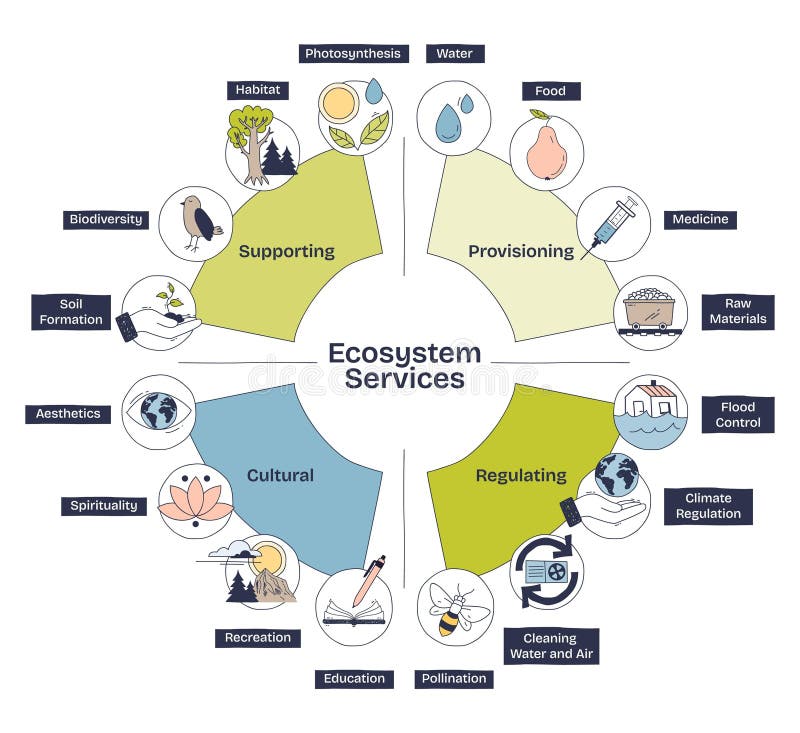
The silent sentinels of the night, owls, are far more than just enigmatic creatures that haunt our folklore and superstitions. These nocturnal predators are linchpins in the delicate machinery of ecosystems, wielding an invisible yet profound influence over the provisioning services that sustain life. From the farmer’s field to the untamed wilderness, owls orchestrate a symphony of balance, ensuring that the threads of food chains remain taut and unbroken. Their role is not merely one of predation—it is a testament to the intricate interdependencies that define the natural world. To understand the magnitude of their impact, we must delve into the labyrinth of food chains, where every hunt, every meal, reverberates through the fabric of provisioning ecosystem services.
The Silent Architects of Agricultural Abundance
In the golden expanse of farmlands, where monocultures stretch like endless carpets of green, owls emerge as unsung heroes of pest control. Their voracious appetite for rodents—mice, voles, and rats—transforms them into living, breathing pest management systems. Unlike chemical interventions, which often leave a trail of collateral damage, owls operate with surgical precision. A single barn owl, for instance, can devour over 3,000 rodents in a year, a feat that translates to tangible economic benefits for farmers. The provisioning service here is clear: reduced crop loss, diminished need for rodenticides, and a healthier soil microbiome, untainted by toxic residues. Yet, the story does not end with the harvest. The ripple effects extend to the preservation of native plant species, which in turn support pollinators and soil-dwelling organisms. Owls, in their quiet vigilance, become guardians of biodiversity, ensuring that the land remains fertile and resilient.
Guardians of the Forest’s Hidden Economies
Beyond the cultivated fields, owls patrol the dense canopies and shadowy undergrowth of forests, where their role in provisioning ecosystem services takes on a more clandestine yet equally vital form. In these ecosystems, they are the arbiters of balance, preying upon insects, small mammals, and even other birds. Their presence curtails outbreaks of pestilence that could otherwise decimate tree populations. Consider the case of the spotted owl, a species whose very survival is intertwined with the health of old-growth forests. By controlling populations of wood-boring beetles and squirrels, these owls prevent the spread of diseases that could topple ancient trees. The provisioning service here is not just about food—it is about the preservation of an entire habitat’s structure. Forests, after all, are not merely collections of trees; they are reservoirs of carbon, bastions of water purification, and sanctuaries for countless species. Owls, in their nocturnal hunts, ensure that these ecosystems remain intact, their services uninterrupted.
The Underappreciated Role in Aquatic and Riparian Zones
Rivers and wetlands, those vital arteries of the planet, are not immune to the influence of owls. In these waterlogged realms, owls such as the barred owl and the great horned owl patrol the banks, hunting amphibians, fish, and even crustaceans. Their predation helps regulate populations of invasive species, such as the American bullfrog, which can outcompete native amphibians and disrupt entire aquatic food webs. The provisioning service here is one of ecological harmony. By keeping invasive species in check, owls allow native flora and fauna to thrive, ensuring that the riparian zones remain biodiversity hotspots. Moreover, the health of these ecosystems directly impacts human provisioning services—clean water, flood control, and recreational opportunities. Owls, in their quiet mastery of the night, become silent custodians of these precious resources.
The Unseen Benefactors of Urban and Suburban Landscapes
Even in the concrete jungles that humanity has built, owls carve out niches for themselves, offering provisioning services that are often overlooked. In parks, golf courses, and even industrial zones, owls control populations of rats and pigeons, reducing the spread of disease and the need for pest control measures. The eastern screech-owl, for instance, thrives in suburban gardens, where it preys on insects and small mammals that might otherwise become nuisances. The provisioning service here is one of public health and urban resilience. By maintaining ecological balance, owls reduce the reliance on chemical pesticides, which can leach into water supplies and harm non-target species. Their presence is a reminder that even in the most human-dominated landscapes, nature finds a way to assert its equilibrium.
The Domino Effect: How Owls Shape Soil and Nutrient Cycles
The impact of owls extends beyond the immediate prey they consume. Their hunting activities create a cascade of effects that reverberate through nutrient cycles and soil health. When owls prey on rodents, they leave behind carcasses that decompose, enriching the soil with nitrogen and other essential nutrients. This, in turn, fosters the growth of plants, which then support herbivores and, ultimately, the entire food web. The provisioning service here is one of soil fertility—a foundation upon which all terrestrial life depends. Moreover, the bones and feathers of owl prey become part of the detritus cycle, further enhancing the soil’s organic matter. Owls, in their role as apex predators, are not just consumers; they are architects of fertility, ensuring that the land remains productive and vibrant.
The Cultural and Economic Value of Owls in Provisioning Services
Beyond their ecological roles, owls hold immense cultural and economic value in the realm of provisioning services. Indigenous communities have long revered owls as symbols of wisdom and guardians of the night. Their presence in folklore and mythology underscores their importance in human societies. Economically, owls contribute to ecotourism, with birdwatchers and nature enthusiasts flocking to regions where these birds thrive. The provisioning service here is one of cultural enrichment and economic opportunity. By fostering a deeper connection to nature, owls inspire stewardship and conservation efforts that benefit entire ecosystems. Their value, therefore, is not just ecological—it is existential, shaping the way humans perceive and interact with the natural world.
The Threats They Face and the Urgency of Protection
Yet, despite their critical roles, owls face a barrage of threats that jeopardize their ability to provide these vital provisioning services. Habitat loss, pesticide use, and climate change are eroding the ecosystems they depend on. The barn owl, once a common sight in farmlands, is now a rarity in many regions due to the destruction of old barns and the decline of natural hunting grounds. The great horned owl, too, faces habitat fragmentation, which isolates populations and reduces genetic diversity. The provisioning services they offer are at risk of collapse if these trends continue. Conservation efforts must prioritize the protection of owl habitats, the reduction of pesticide use, and the restoration of degraded landscapes. Only by safeguarding these silent sentinels can we ensure the continued flow of provisioning services that sustain life.