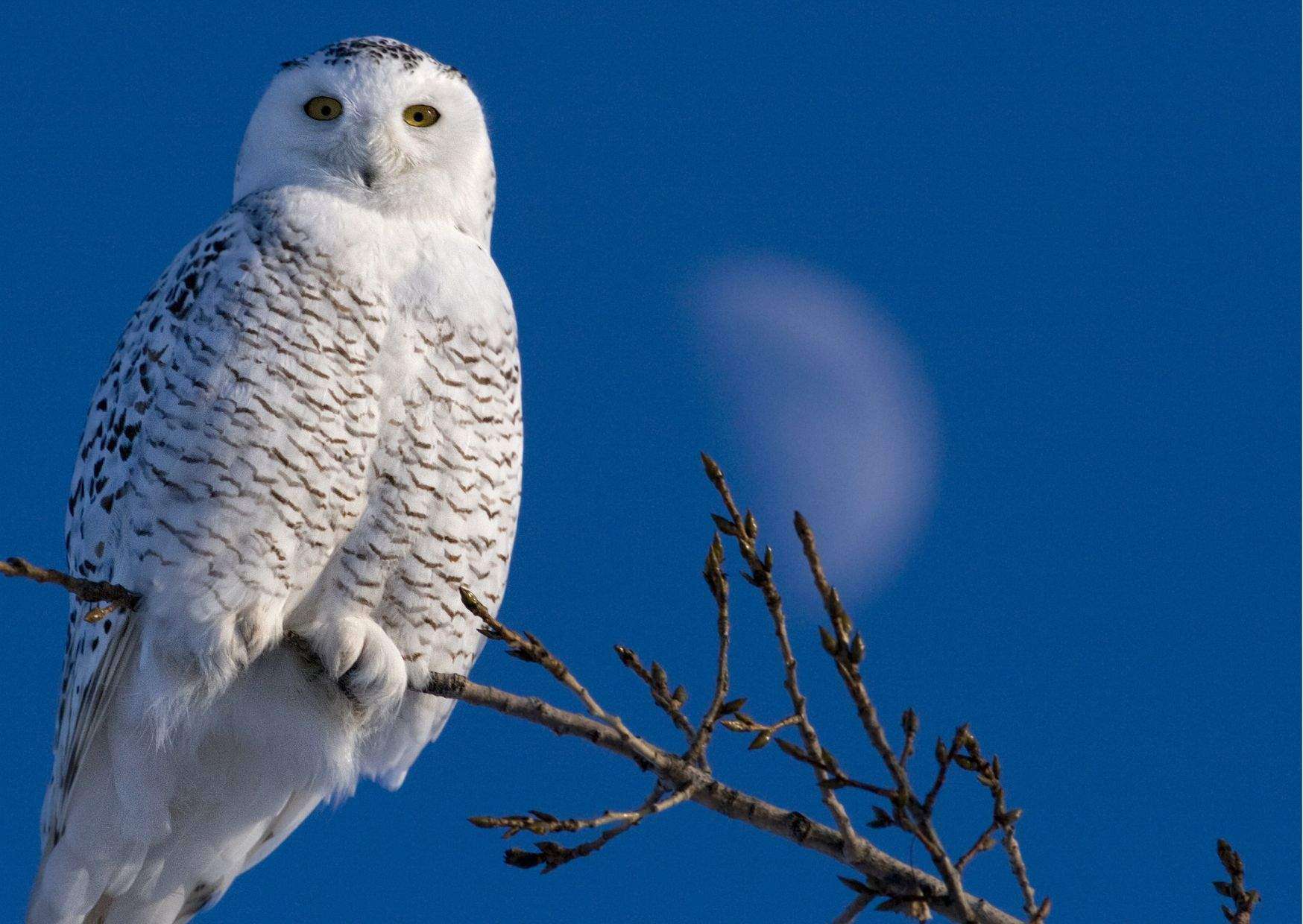
Have you ever wondered if technology could feel the chill of the Arctic wind or see the world through the ghostly eyes of a snowy owl? Imagine a modern-day explorer, not on foot but soaring silently high above the tundra — could this be a boon or a burden for the elusive avian hunters of the North? The introduction of drones into wildlife research has sparked both excitement and unease in the study of snowy owl behavior, posing a fascinating tension between deeper understanding and the risk of disturbance.
Snowy Owl Rehabilitation: Rescuing Injured Birds in the Arctic
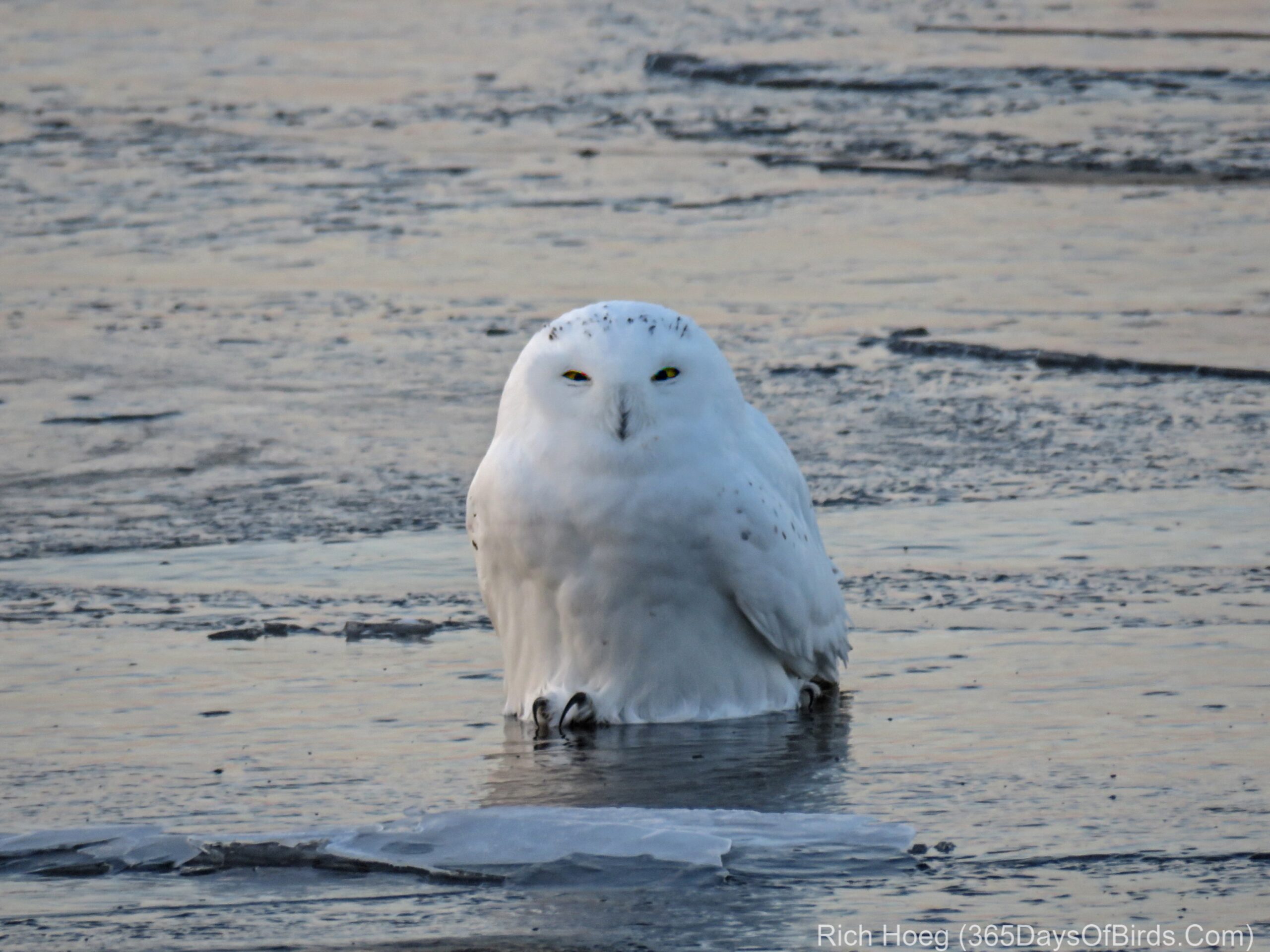
In the vast, frostbitten cathedrals of the Arctic tundra, where the horizon dances with endless white and the silence is broken only by the whisper of the wind, the Snowy Owl reigns as a spectral sovereign. These creatures, with their ghostly plumage and piercing eyes, embody the harsh beauty and fragility of the polar wilderness. Yet, beneath their ethereal veneer lies a vulnerability that calls for vigilant guardianship. Snowy owl rehabilitation is a beacon of hope, a delicate weaving of science, compassion, and tenacity aimed at restoring these majestic birds to their rightful throne in the icy wilds.
Owls and Biodiversity: How Their Presence Indicates a Healthy Ecosystem
There is a quiet magic in the night, a hush so profound it feels like the world has paused to listen. Among the shadows, a pair of luminous eyes gleams—unblinking, ancient, and wise. The owl, that enigmatic sentinel of the dark, glides silently through the air, its presence both eerie and exhilarating. To witness an owl is to glimpse a living paradox: a creature of the night that sees what others cannot, a hunter whose very existence whispers of balance in the natural world. But beyond their mystique lies a deeper truth: owls are not merely symbols of wisdom or omens of mystery. They are, in fact, barometers of biodiversity, their presence a silent testament to the health of the ecosystems they inhabit. To understand owls is to understand the intricate web of life that sustains us all.
The Science of Owl Flight: The Mechanics of Silent Hunting
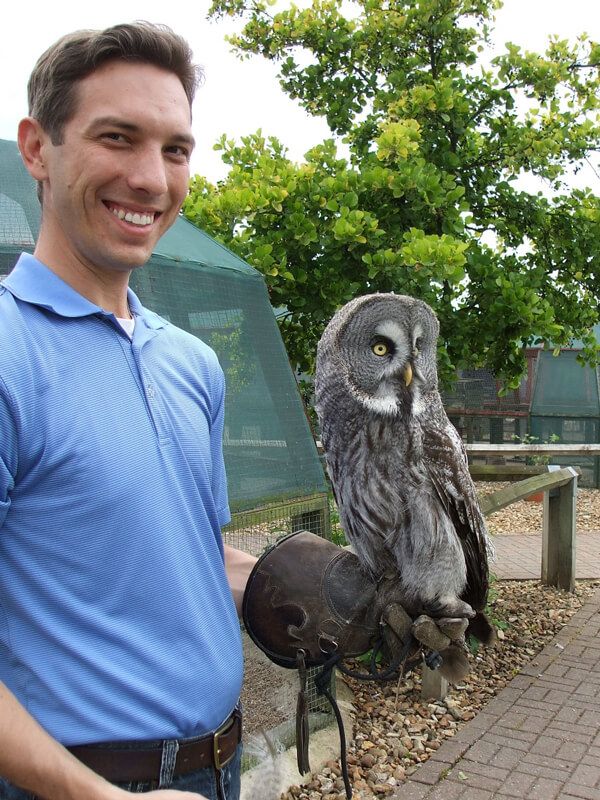
The mysterious and almost supernatural ability of owls to fly silently as they hunt has captivated human imagination for centuries. Their enigmatic silence is not merely a quirk of nature but a marvel of evolutionary engineering—a confluence of anatomical ingenuity, aerodynamic subtleties, and behavioral precision. The symphony of soundless flight allows owls to dominate nocturnal skies, securing prey with a stealth that leaves the forest floor unsuspecting. Understanding the science behind this silent hunting reveals an intricate tapestry woven from feather morphology, wing mechanics, and sensory adaptations that coalesce into one of nature’s most effective aerial predators.
The Role of Advocacy in Protecting Owls: Speaking Up for the Voiceless
In the hushed twilight of ancient forests, where the moon casts silver threads through the canopy, a silent sentinel takes flight. The owl, with its golden eyes and feathered cloak, glides through the night like a living shadow, a guardian of secrets whispered only by the wind. Yet, despite its mystical allure, this nocturnal sovereign faces a world that often overlooks its plight. Advocacy, then, becomes the torchbearer in the darkness, illuminating the path for these enigmatic creatures whose voices are too soft for human ears. To champion the owl is to defend the voiceless, to stand as a bulwark against the encroaching shadows of extinction, and to preserve the delicate tapestry of nature’s balance.
Success Stories: Owls That Beat the Odds and Returned to the Wild
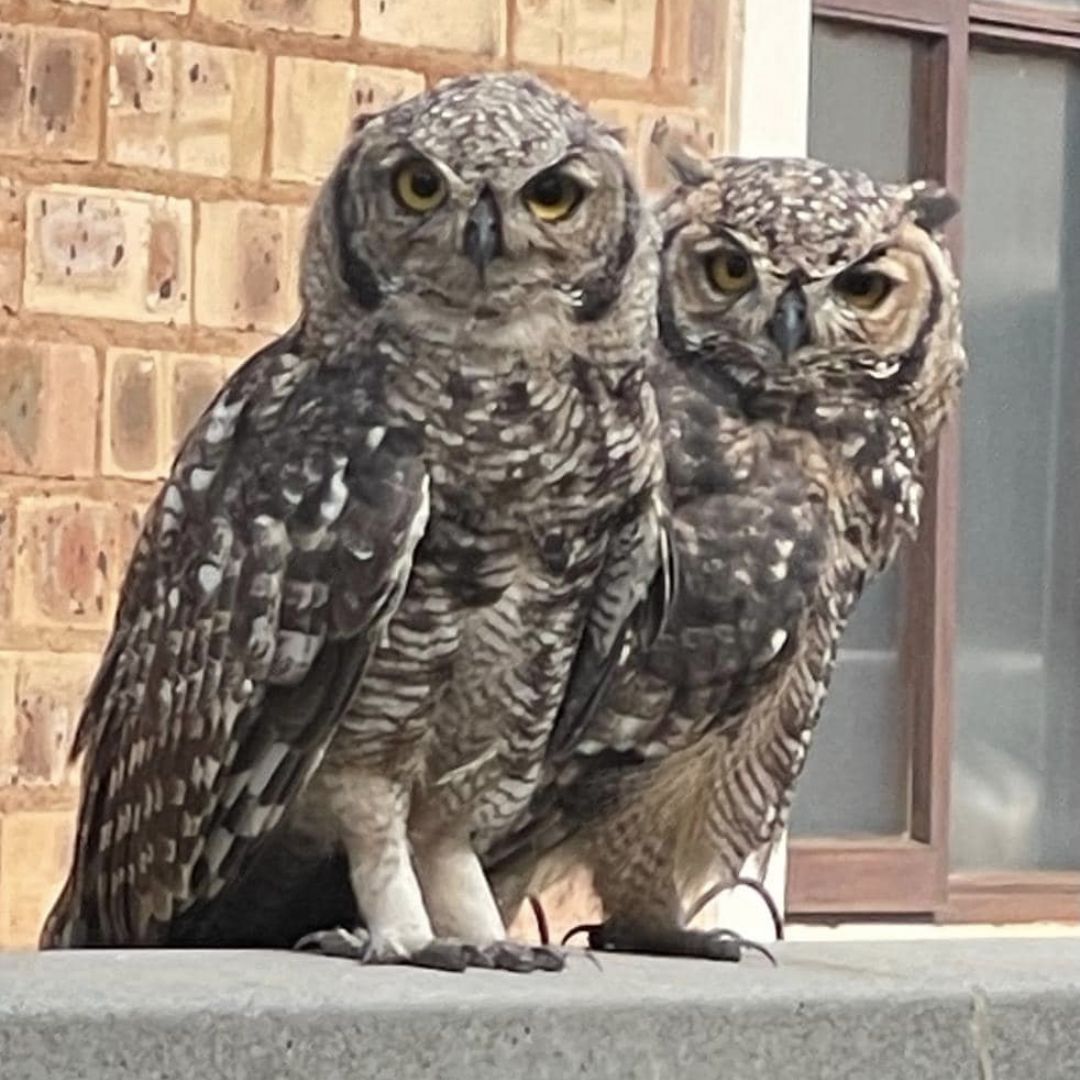
What if a creature of the night, cloaked in silent wisdom and razor-sharp talons, could teach us not just about survival—but about resilience in the face of the impossible? Owls, those enigmatic guardians of the twilight realm, often find themselves in peril, their lives hanging by a thread of circumstance. Yet, against all odds, some rise from the brink, their wings mending, their spirits unbroken, before soaring back into the wild where they belong. These are the success stories that stir the soul and redefine what it means to triumph over adversity.
The Role of Urban Green Spaces in Supporting Owl Populations
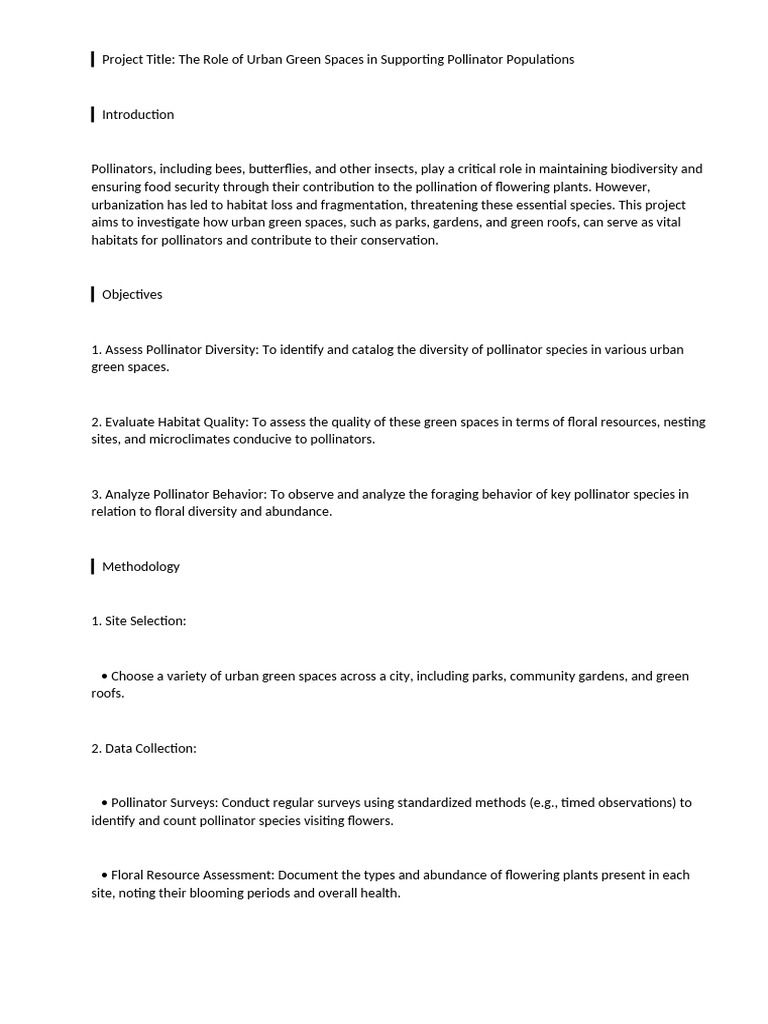
In the heart of our concrete jungles, where the hum of traffic drowns out the whispers of nature, a silent revolution is taking place. Urban green spaces—those pockets of wilderness nestled between skyscrapers and sidewalks—are not just aesthetic luxuries. They are lifelines. Not just for humans seeking respite, but for creatures we rarely pause to consider: owls. These nocturnal sentinels, with their piercing gaze and silent wings, are finding refuge in the unlikeliest of places. Their presence in our cities is not a fleeting anomaly but a testament to the resilience of nature, and a call to rethink how we design our urban landscapes.
The Impact of Owls on Pollinator Populations: A Surprising Link

The night unfurls its velvet cloak, and with it arrives a silent sentinel of the skies—the owl. These feathered phantoms, with eyes like molten gold and feathers that whisper through the dark, are far more than mere harbingers of wisdom in folklore. They are ecological architects, sculptors of balance, whose presence ripples through the tapestry of life in ways both subtle and profound. Among their most unexpected roles is their influence on pollinator populations, a connection that weaves together the nocturnal and diurnal worlds in a dance of predation, protection, and preservation. This is not a tale of simple cause and effect, but a nuanced symphony where every note—every hoot, every silent wingbeat—shapes the survival of bees, butterflies, and beyond.
The Role of Influencers in Spreading Snowy Owl Conservation Messages
In the frozen expanse where Arctic winds sculpt the landscape, a silent sentinel watches over the tundra—the snowy owl. Its piercing gaze, a blend of wisdom and wildness, has captivated human imagination for centuries. Yet, this majestic creature faces escalating threats: habitat loss, climate change, and human encroachment. Enter the influencers—modern-day storytellers who wield digital megaphones to amplify conservation narratives. Their role transcends mere visibility; they are catalysts for empathy, education, and action. This is the story of how influencers are reshaping the dialogue around snowy owl conservation, one post, one story, one viral moment at a time.
Climate Models Predict: Where Will Snowy Owls Live by 2050?
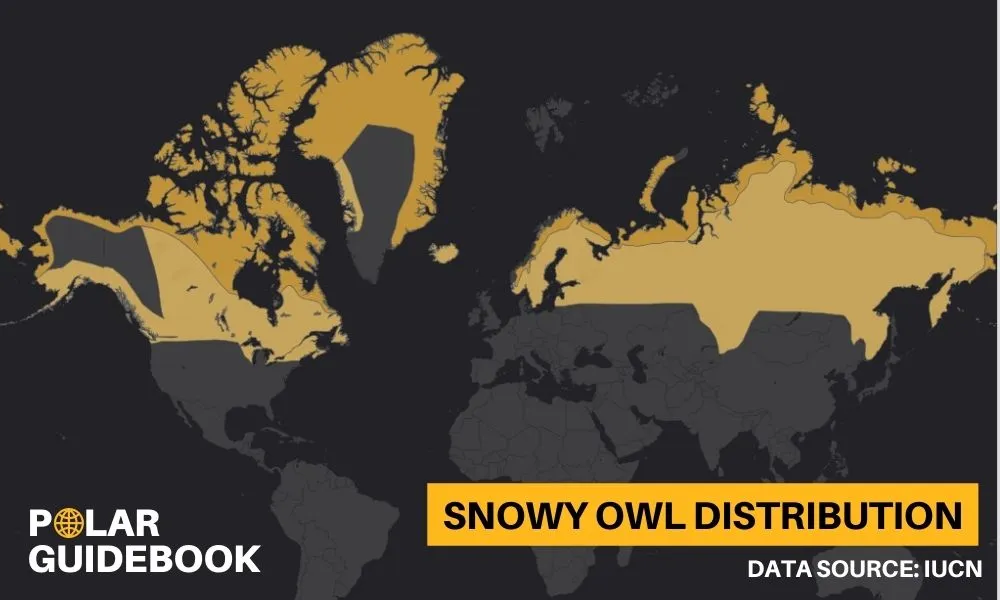
The Arctic tundra, a vast and windswept expanse of ice and snow, has long been the domain of the snowy owl—a creature of mythic endurance, its white plumage a whisper against the endless horizon. Yet, as the planet warms, this frozen kingdom is unraveling, and with it, the fate of one of nature’s most enigmatic predators. By 2050, climate models paint a starkly different map of the snowy owl’s world, one where the boundaries of its existence are redrawn by forces beyond its control. This transformation is not merely a shift in geography; it is a reckoning with the fragility of life in a world where human hands have tipped the scales of balance.