
What if owls could redesign their homes to not only survive but thrive in a world that’s rapidly changing? Could these mysterious denizens of the night adapt their habitats in ways we haven’t yet imagined, or will human expansion push them toward unexpected frontiers? The future of owl habitats presents a captivating conundrum—one that intertwines ecology, urban pressures, and the extraordinary resilience of these enigmatic birds.
How Deforestation in the Amazon Is Affecting Tropical Owl Species
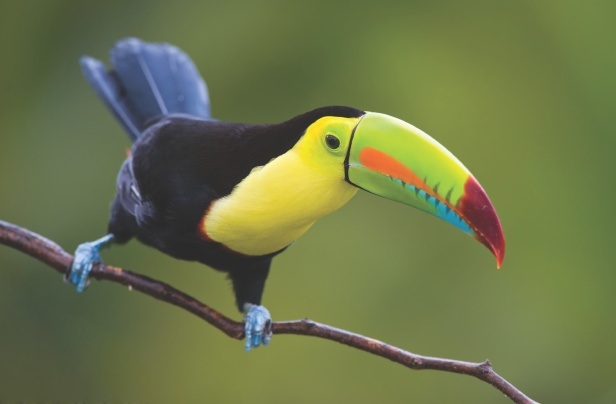
The Amazon rainforest, a verdant cathedral of biodiversity, hums with the nocturnal symphony of tropical owls. But what happens when the stage itself begins to crumble? Deforestation isn’t just carving up the world’s largest tropical rainforest—it’s rewriting the rules of survival for creatures that have thrived in its emerald embrace for millennia. Among the most vulnerable are the owls, those silent sentinels of the night, whose very existence is now hanging by a thread woven of chainsaws and bulldozers.
The Role of Education in Owl Rescue: Teaching the Public

In the quiet hush of twilight, when the world slows its relentless pace, an unexpected symphony begins to unfold. The soft hoots of owls pierce the evening air, not as mere background noise, but as a clarion call to those who listen closely. These enigmatic birds, draped in feathers that whisper secrets of the night, have long captivated human imagination. Yet beyond their mystique lies a lesser-known narrative: the role of education in owl rescue, a mission that transforms public perception and fosters a deeper connection with these nocturnal guardians of the wild.
The Impact of Light Pollution on Urban Owl Populations
The nocturnal symphony of urban owls—once a haunting lullaby echoing through the canyons of concrete and steel—has begun to fade. Like moths drawn to a dying flame, these winged sentinels of the night are being extinguished not by predators, but by the very glow of our human ingenuity. Light pollution, a silent predator cloaked in luminescence, is rewriting the ecological script of our cities, leaving urban owl populations teetering on the brink of an unnatural twilight.
The Success of Nest Box Programs for the Tawny Owl in France
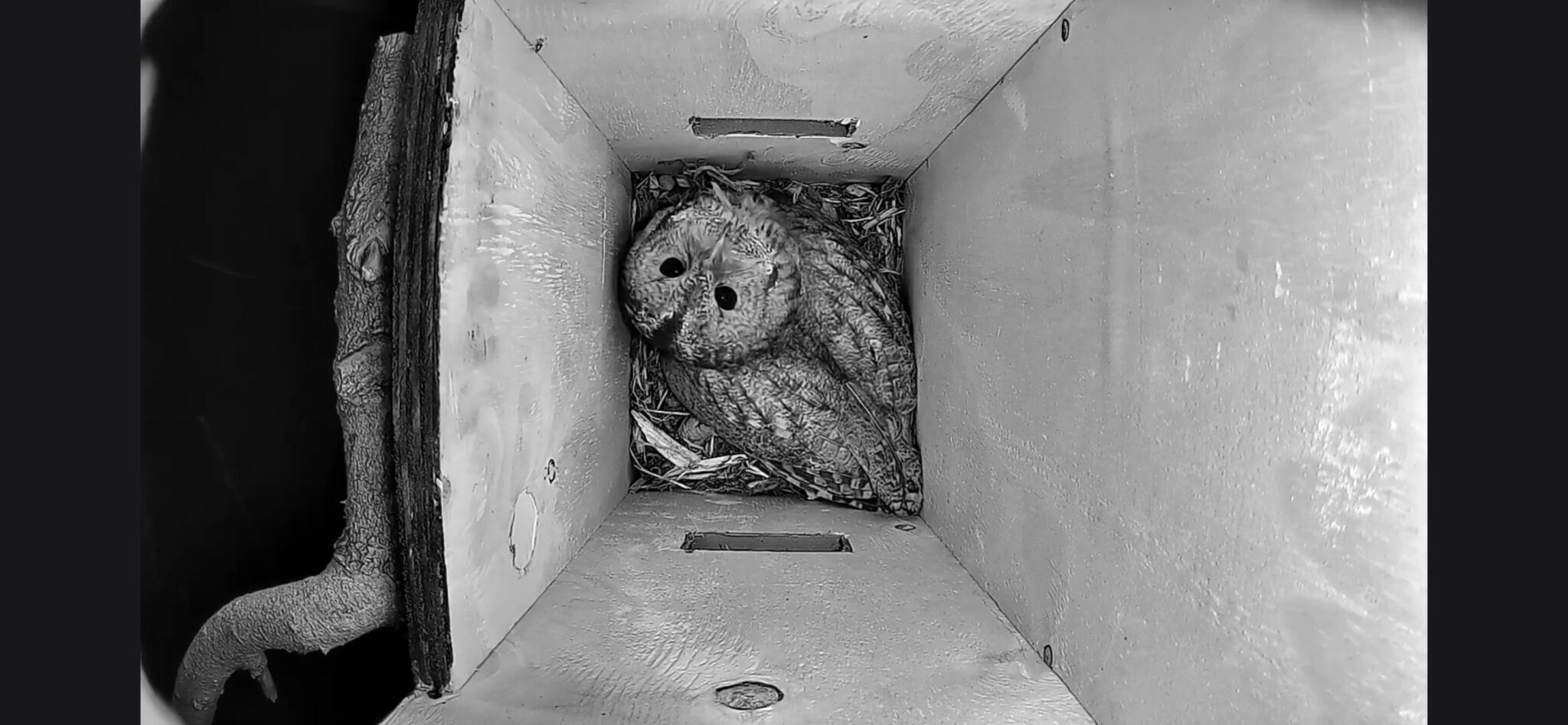
The Tawny Owl, Strix aluco, is a creature of twilight whispers and shadowed woodlands, a silent sentinel whose presence is often felt more than seen. In France, where ancient forests still cradle the secrets of centuries, nest box programs have emerged as a lifeline for this enigmatic raptor. These unassuming wooden sanctuaries, perched like sentinel sentinels among the gnarled branches, have not only bolstered owl populations but have also woven themselves into the very fabric of France’s conservation tapestry. Their success is a testament to human ingenuity meeting ecological necessity—a symphony of nature and nurture.
Snowy Owls and the Decline of Arctic Biodiversity
Fascination with the snowy owl often begins with a glance—a stark, majestic silhouette against the vast, white expanse of the Arctic tundra. Their ghostly pure feathers, piercing amber eyes, and silent flight captivate countless admirers, evoking wonder and a hint of mystery. Yet, behind this mesmerizing image lies a more complex narrative. The snowy owl does not merely symbolize the pristine wilderness of the far North; it embodies a delicate ecological equilibrium now under siege. The alarming decline in Arctic biodiversity threatens not just this iconic raptor but the intricate web of life it represents.
The Role of Drones in Studying Snowy Owl Behavior
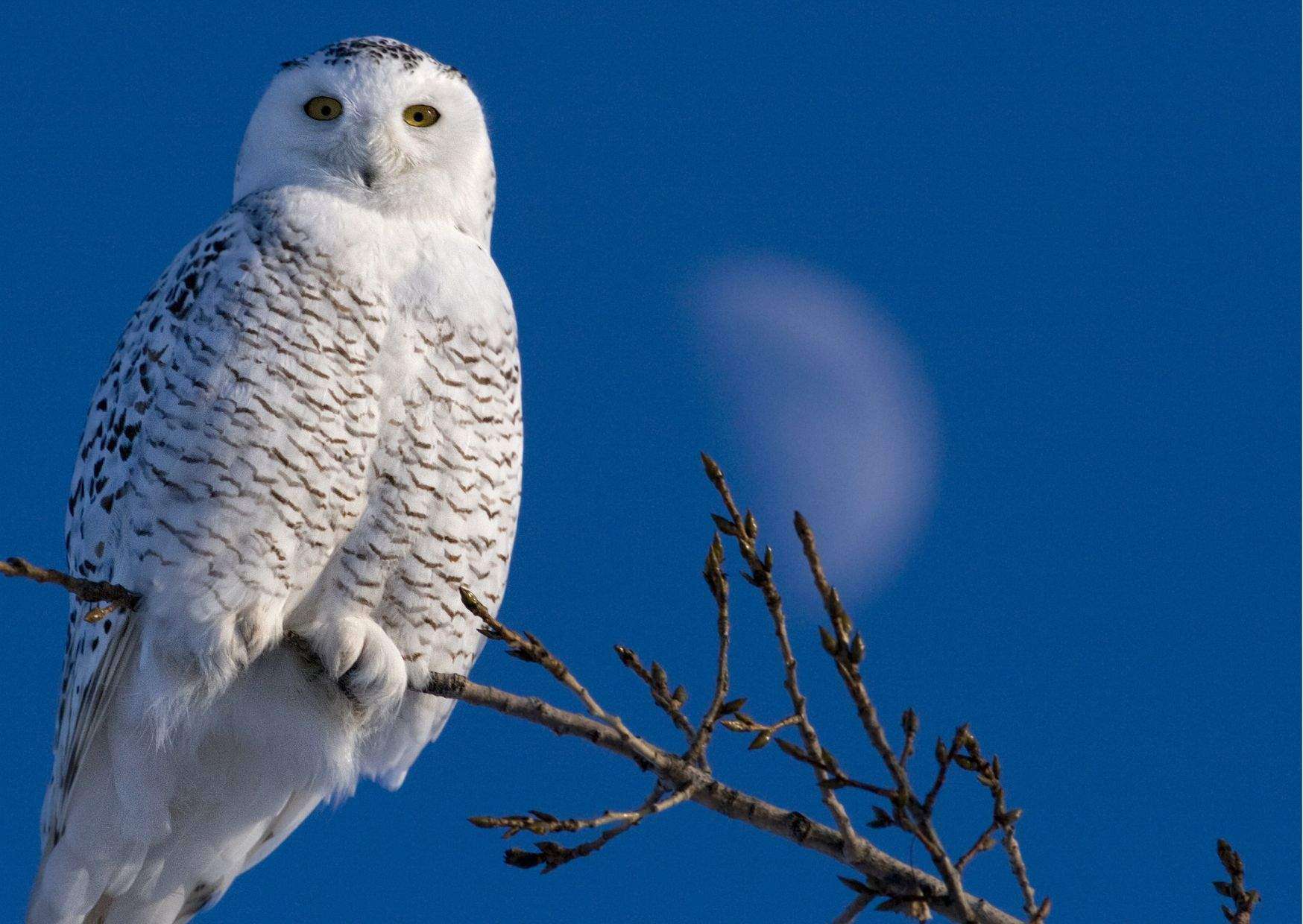
Have you ever wondered if technology could feel the chill of the Arctic wind or see the world through the ghostly eyes of a snowy owl? Imagine a modern-day explorer, not on foot but soaring silently high above the tundra — could this be a boon or a burden for the elusive avian hunters of the North? The introduction of drones into wildlife research has sparked both excitement and unease in the study of snowy owl behavior, posing a fascinating tension between deeper understanding and the risk of disturbance.
Snowy Owl Rehabilitation: Rescuing Injured Birds in the Arctic
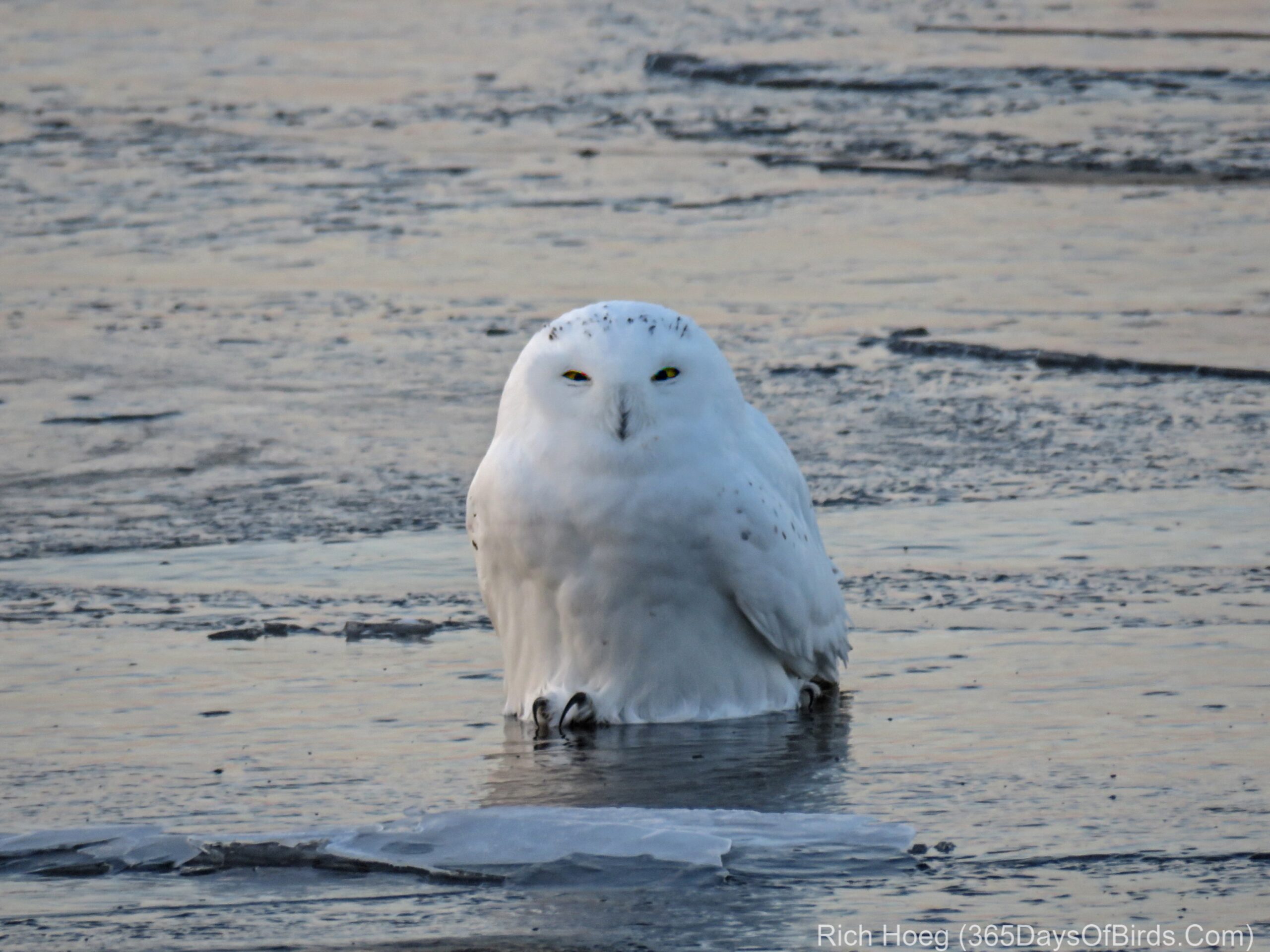
In the vast, frostbitten cathedrals of the Arctic tundra, where the horizon dances with endless white and the silence is broken only by the whisper of the wind, the Snowy Owl reigns as a spectral sovereign. These creatures, with their ghostly plumage and piercing eyes, embody the harsh beauty and fragility of the polar wilderness. Yet, beneath their ethereal veneer lies a vulnerability that calls for vigilant guardianship. Snowy owl rehabilitation is a beacon of hope, a delicate weaving of science, compassion, and tenacity aimed at restoring these majestic birds to their rightful throne in the icy wilds.
Owls and Biodiversity: How Their Presence Indicates a Healthy Ecosystem
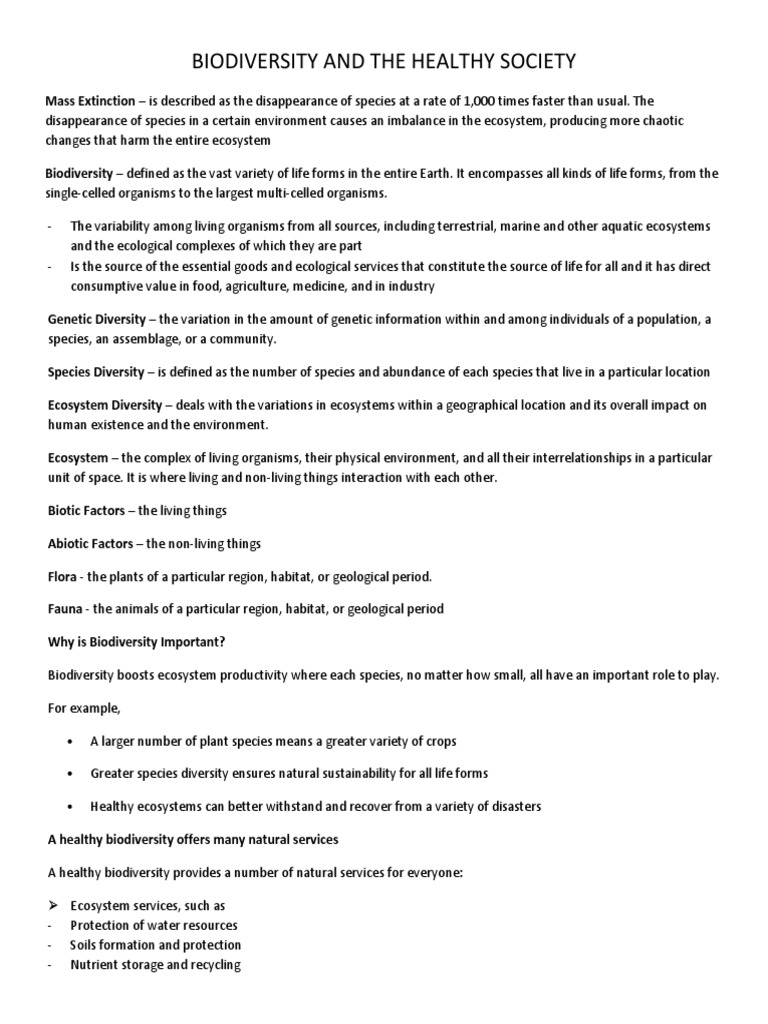
There is a quiet magic in the night, a hush so profound it feels like the world has paused to listen. Among the shadows, a pair of luminous eyes gleams—unblinking, ancient, and wise. The owl, that enigmatic sentinel of the dark, glides silently through the air, its presence both eerie and exhilarating. To witness an owl is to glimpse a living paradox: a creature of the night that sees what others cannot, a hunter whose very existence whispers of balance in the natural world. But beyond their mystique lies a deeper truth: owls are not merely symbols of wisdom or omens of mystery. They are, in fact, barometers of biodiversity, their presence a silent testament to the health of the ecosystems they inhabit. To understand owls is to understand the intricate web of life that sustains us all.
The Science of Owl Flight: The Mechanics of Silent Hunting
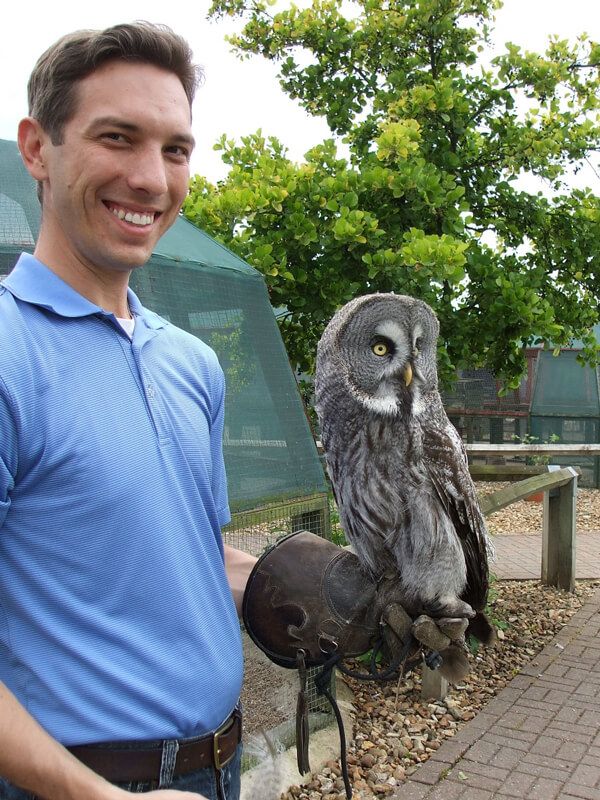
The mysterious and almost supernatural ability of owls to fly silently as they hunt has captivated human imagination for centuries. Their enigmatic silence is not merely a quirk of nature but a marvel of evolutionary engineering—a confluence of anatomical ingenuity, aerodynamic subtleties, and behavioral precision. The symphony of soundless flight allows owls to dominate nocturnal skies, securing prey with a stealth that leaves the forest floor unsuspecting. Understanding the science behind this silent hunting reveals an intricate tapestry woven from feather morphology, wing mechanics, and sensory adaptations that coalesce into one of nature’s most effective aerial predators.