
The silent wings of an owl slicing through the twilight are not merely a spectacle—they are a whisper of ancient wisdom, a fleeting glimpse into the unseen world of nocturnal guardians. Owl-watching, once a niche fascination, has burgeoned into a cornerstone of eco-tourism, offering travelers not just a chance to witness these enigmatic birds but to become stewards of their survival. Conservationists have long observed that where human curiosity converges with ecological responsibility, protection efforts flourish. Yet beneath the surface of this growing trend lies a deeper truth: our fascination with owls is not merely aesthetic—it is primal, rooted in a subconscious reverence for creatures that embody mystery, resilience, and the untamed pulse of nature. As tourism increasingly pivots toward conservation, owl-watching emerges as a powerful conduit, transforming passive observation into active guardianship.
Owls in Art: A Visual Journey Through History
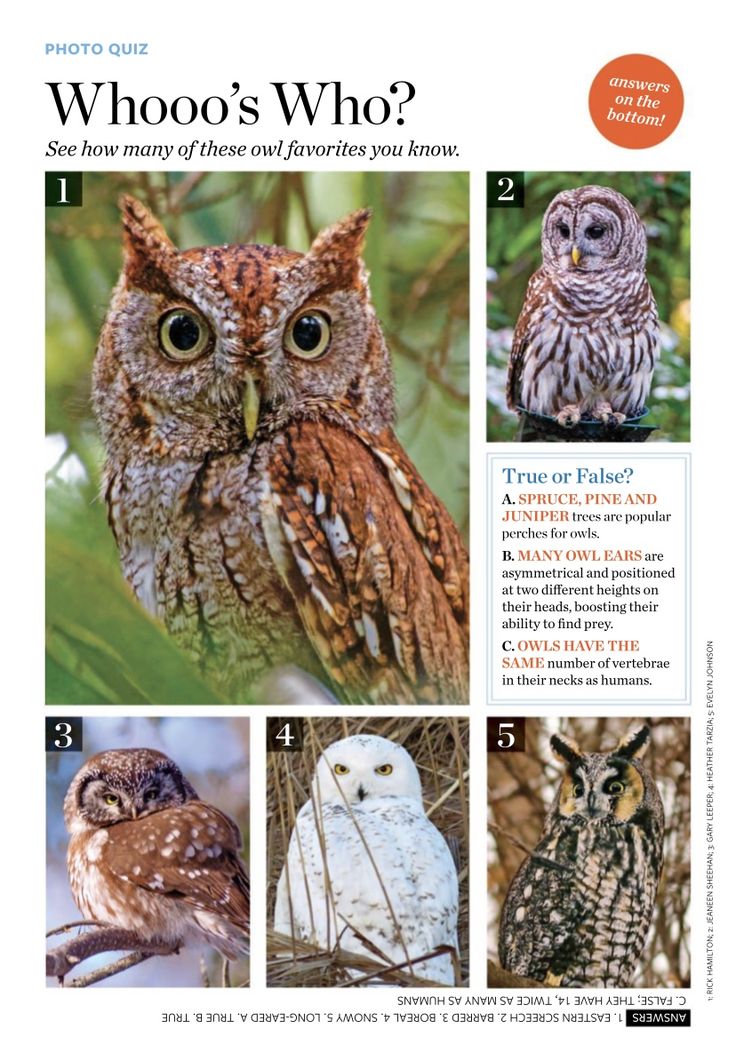
Have you ever paused to wonder why owls, those enigmatic nocturnal sentinels, have captivated the human imagination for millennia? Their silent flight, piercing gaze, and mystical aura have woven themselves into the fabric of art across cultures and epochs. From ancient cave etchings to modern digital masterpieces, owls have perched on the shoulders of artists as symbols of wisdom, mystery, and even foreboding. But what is it about these feathered philosophers that makes them so irresistibly compelling? Let’s embark on a visual odyssey through time, exploring how owls have been immortalized in art—and why their presence in our creative consciousness feels as timeless as the night itself.
The Dos and Don’ts of Snowy Owl Photography: Respecting Wildlife
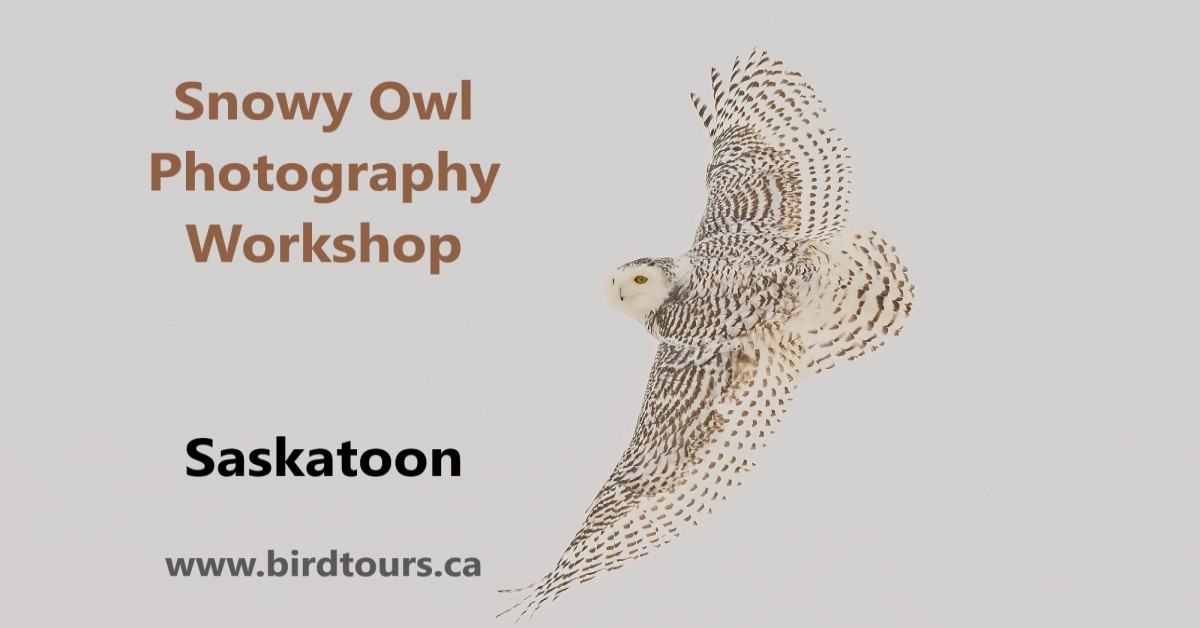
Snowy owls, with their ghostly white plumage and hypnotic yellow eyes, captivate photographers and nature enthusiasts alike. These majestic creatures, often seen as harbingers of winter’s mystical beauty, present a unique challenge to those who wish to capture their essence on camera. However, photographing snowy owls goes beyond technical mastery and artistic vision—it demands a profound respect for the wildlife and a conscientious approach to ensure their well-being remains paramount. Delving into the dos and don’ts of snowy owl photography not only sharpens your skills but also nurtures a harmonious relationship between humans and these enigmatic birds.
The Impact of Air Pollution on Spotted Owl Respiratory Health
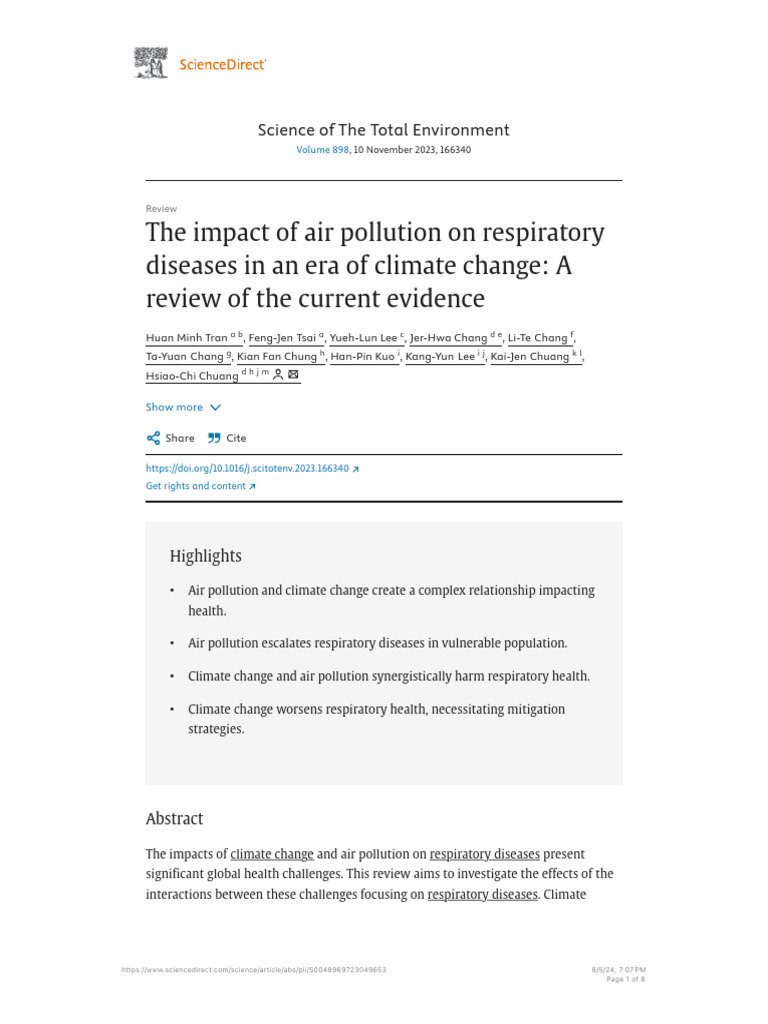
The spotted owl, a nocturnal sentinel of old-growth forests, faces an insidious threat far removed from the reach of its talons. While conservationists rally against deforestation and habitat fragmentation, a silent predator—air pollution—erodes the respiratory vitality of these elusive raptors. The invisible tendrils of industrial emissions, vehicular exhaust, and agricultural runoff infiltrate the pristine air of their habitats, leaving behind a legacy of compromised lung function and systemic inflammation. This article delves into the multifaceted repercussions of air pollution on the respiratory health of spotted owls, exploring the physiological, ecological, and conservation implications of this crisis.
How to Organize an Owl Awareness Event in Your Community
There’s a hush that falls over a crowd when the first owl’s silhouette glides across the night sky—a silent testament to nature’s most enigmatic guardians. Owls, those feathered philosophers of the dark, have long captivated human imagination, weaving themselves into myths, folklore, and the quiet corners of our collective consciousness. Yet, beyond their mystical allure, these birds of prey play a vital role in maintaining ecological balance, their presence a barometer of environmental health. What if your community could not just admire these creatures from afar but actively champion their cause? Organizing an owl awareness event might just be the catalyst your neighborhood needs to shift perspectives, foster connection, and ignite a shared passion for conservation. Here’s how to transform curiosity into action, and passive observers into passionate protectors of the night.
Owl Conservation and the Precautionary Principle: Erring on the Side of Caution
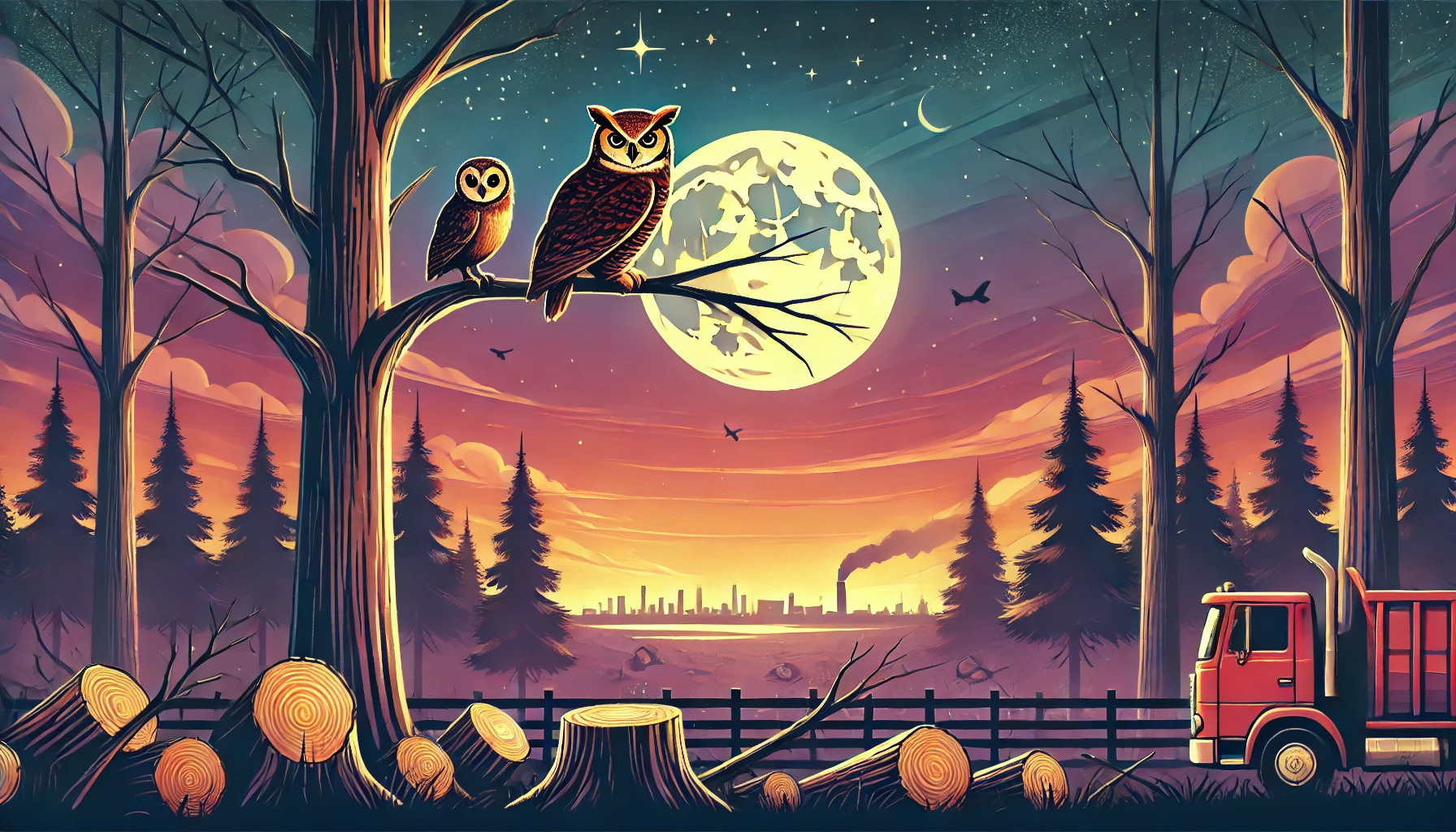
The night belongs to the owls—a realm of silent wings, golden eyes, and ancient wisdom etched into the dark. Yet, as human shadows stretch across forests and cities alike, these enigmatic guardians of the twilight face an uncertain future. Conservation isn’t just about saving species; it’s about preserving the delicate balance of ecosystems, where every creature, no matter how small or elusive, plays a role in the grand tapestry of life. Enter the precautionary principle, a philosophical cornerstone that urges us to act before the damage is irreversible. When applied to owl conservation, this principle isn’t just a strategy—it’s a moral compass guiding us toward a future where these nocturnal sentinels continue to thrive. This article explores the multifaceted world of owl conservation through the lens of caution, delving into the science, the stories, and the surprising connections that bind us to these feathered enigmas.
How Public Awareness Campaigns Helped the Eagle Owl in Germany
What if a single, well-crafted whisper could echo through the forests of Germany and summon the resurgence of a majestic predator? The eagle owl, with its piercing amber eyes and silent wings, once teetered on the brink of local extinction in parts of Europe. Yet today, thanks to a symphony of public awareness campaigns, this nocturnal titan is reclaiming its domain. How did grassroots movements, educational initiatives, and media storytelling transform the fate of Bubo bubo in Germany? Let’s embark on a journey through the corridors of conservation, where awareness became the catalyst for change.
The Impact of Agriculture on Owl Populations in Rural Areas
There is something undeniably enthralling, even mystical, about encountering an owl in the quiet embrace of rural nightfall. Perhaps it is their ghostly silhouettes against a star-studded sky or the haunting resonance of their calls permeating the stillness. Across rural landscapes, these enigmatic birds evoke a common fascination—part wonder, part curiosity—that has captivated human imagination for centuries. Yet, beneath this surface admiration lies a complex dynamic influenced heavily by the pulse of agricultural activity. The transformation of vast tracts of farmland impacts owl populations in myriad ways, weaving a narrative rich with challenges, adaptations, and unexpected resilience.
Snowy Owls in Advertising: How Brands Use Their Image

In the vast wilderness of branding, the snowy owl soars as an emblem of mystique, wisdom, and ethereal beauty. Much like an enigmatic beacon piercing the darkened forest of conventional advertising, this majestic bird captivates audiences with its stark white plumage and penetrating gaze. Snowy owls do not merely appear in commercials or logos; they manifest as intricate metaphors, weaving stories that transcend simple marketing and echo deeply within the viewer’s subconscious. Understanding how brands harness the unique allure of snowy owls unveils an extraordinary landscape where nature’s elegance meets the art of persuasion.
The Impact of Noise and Light Pollution on Owl Behavior and Survival
What if the silent wings of the night could no longer whisper through the dark? What if the once-hushed symphony of the wild was drowned out by the relentless hum of human progress? For the owls, those enigmatic guardians of the twilight, the encroachment of noise and light pollution isn’t just an inconvenience—it’s a silent crisis, one that threatens to unravel the delicate threads of their existence. These nocturnal sentinels, whose very survival hinges on the whispers of the night, now find themselves ensnared in a world that refuses to be quiet, refuses to be dark. The consequences are profound, and the stakes could not be higher.