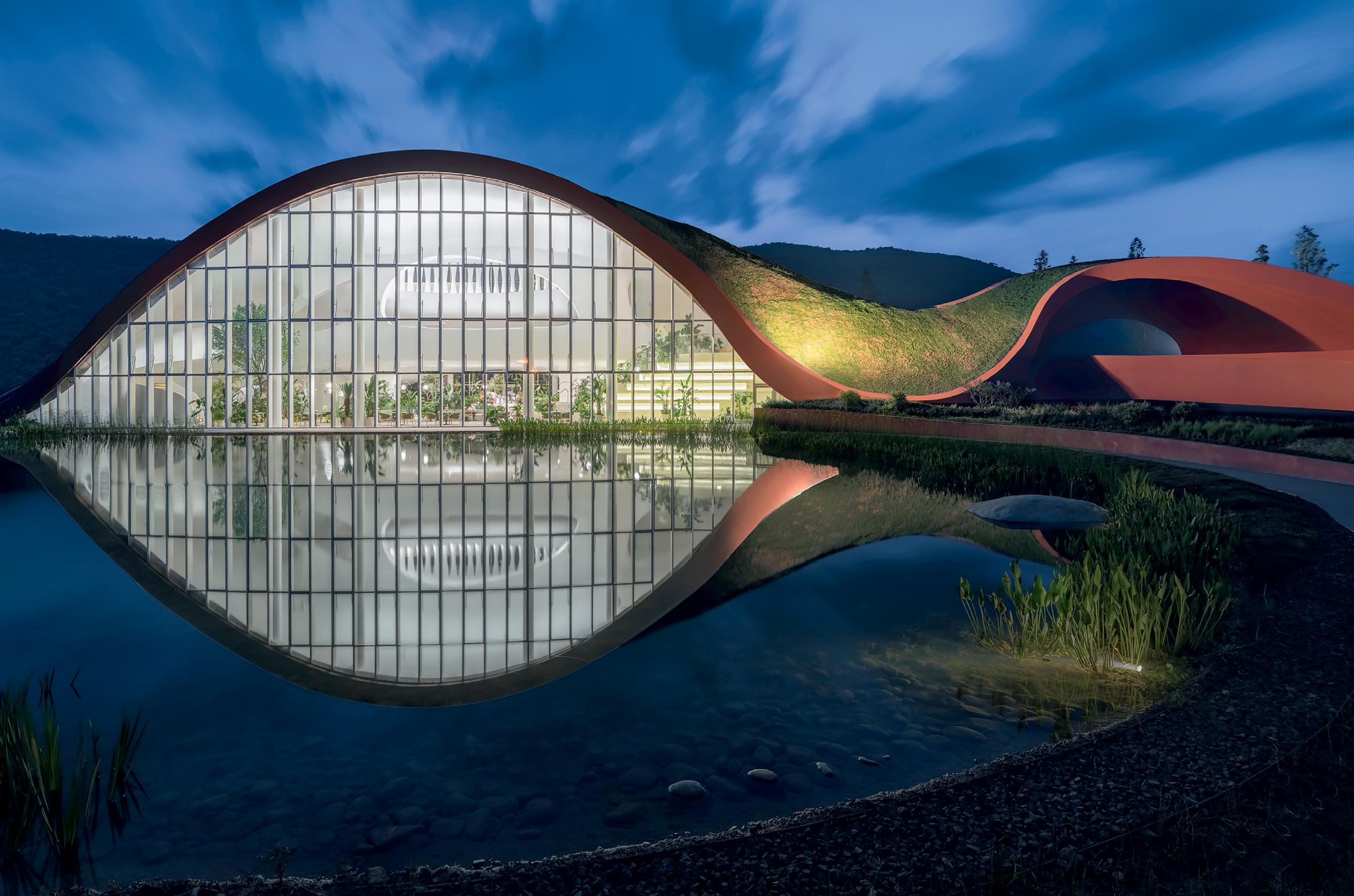
Across cultures and epochs, owls have held an enigmatic allure—symbols of wisdom, mystery, and nocturnal grace. Their distinctive silhouettes and silent flight have captivated not only the imagination but also the world of architecture, inspiring buildings that echo their form and essence. When architecture borrows from the owl, it promises a profound shift in perspective, inviting us to rethink the interplay between function, symbolism, and nature’s artistry. Exploring the symbiosis between owl morphology and architectural innovation unlocks a fascinating narrative—a tale etched in stone, metal, and glass, reverberating with curiosity and ingenuity.
Embodying Nocturnal Elegance: The Aesthetic Fascination with Owls
Owls, with their rounded heads, forward-facing eyes, and feathered tufts, possess an aesthetic that is at once austere and sublime. This unique morphology has provided architects a compelling template. Their facade designs often emulate the taut contours and symmetrical features found in owl faces. The strategic use of large circular windows, reminiscent of the owl’s mesmerizing eyes, introduces a haunting visual motif that simultaneously invites and intimidates. The austere yet alluring form catalyzes a dialogue between building and observer, invoking an aura of mystery.
Moreover, the owl’s plumage—both textured and patterned—has inspired intricate surface treatments on walls and roofs. Architects have experimented with layered materials and tessellated facades that mimic the interlocking feathers, creating depth and silent complexity on otherwise static surfaces. This interplay of light and shadow invites occupants and passersby alike to pause and examine the subtle nuances, ultimately shifting their conventional perception of architectural surfaces into something more enigmatic and dynamic.

Structural Ingenuity Rooted in Avian Adaptation
Beyond aesthetics, the anatomical features of owls translate seamlessly into innovative structural solutions. Owls are heralded for their silent flight, an evolutionary marvel achieved through unique wing structures that minimize noise and maximize efficiency. Architects inspired by these principles have engineered buildings utilizing advanced cantilevering techniques and aerodynamic forms, enabling constructions that seem to hover or glide rather than stand rigidly grounded.
Take, for instance, roof designs that emulate the owl’s wings—extended planes engineered to reduce wind resistance, optimize natural ventilation, and enhance environmental sustainability. These biomimetic approaches are not mere stylistic choices; they serve pragmatic functions, improving building performance while reducing environmental footprints. The resonance between owl-inspired wings and architectural cantilevers offers spectacular cantilevered terraces and overhangs that seem to defy gravity, a literal embodiment of avian grace in human constructs.
Symbolism and Cultural Resonance in Architectural Contexts
The owl’s symbolic import amplifies its architectural inspiration. Universally, owls symbolize knowledge, vigilance, and the transcendence of darkness. Buildings designed with this symbolism in mind consciously embed narrative depth within their walls. Educational institutions, libraries, and research centers often incorporate owl motifs, either subtly through form or overtly through sculptural elements. This instills a psychological atmosphere conducive to learning and introspection, lending the spaces an almost talismanic energy.
In certain cultures, owls also straddle the realms of the sacred and the mystical. Buildings shaped with owl-like qualities communicate an elevated spiritual or philosophical narrative, inviting contemplation beyond the material. These structures aspire to connect individuals with intangible concepts such as wisdom and insight, transforming architecture into a vessel of cultural memory and aspiration. The owl thus becomes a bridge between the earthly and the ethereal, mediating experience through built form.
Technological Innovation: Owl Vision Translated Through Light and Space
Owls possess extraordinary visual faculties optimized for nocturnal navigation. They epitomize clarity amidst obscurity. Translating these capabilities into architecture, designers have harnessed light as a primary medium of expression and function. Owl-inspired structures often showcase extensive glazing coupled with innovative shading techniques, replicating the owl’s ability to regulate visual input with finesse.
The strategic placement of circular or elliptical windows, evocative of owl eyes, enhances natural light infiltration while controlling glare. These apertures are frequently paired with adaptive technology—louvers, electrochromic glass, and kinetic shading devices—that fine-tune illumination much like the owl’s iris modulates to varying light intensities. Consequently, interior spaces gain an ethereal quality, bathed in a nuanced light that shifts through the day, engaging occupants in a sensory dialogue reminiscent of the owl’s nocturnal milieu.
Ecological Synergy: Owl-Inspired Designs as Harbingers of Sustainable Architecture
Owls thrive symbiotically within their ecosystems—a trait that sustainable architecture aims to emulate. Buildings inspired by owls often emphasize ecological embedding, striving not to subjugate but to harmonize with their surroundings. These designs incorporate green roofs textured like plumage, vertical gardens, and natural ventilation systems mirroring the airflow dynamics around owl feathers.
Materials with low environmental impact, coupled with passive energy systems, are harnessed to realize architectural forms that respect natural rhythms. The owl’s inherent wisdom—surviving and thriving through adaptation—becomes a metaphor for resilient, place-conscious architecture. These projects challenge traditional human dominion over nature, advocating instead for coexistence, stewardship, and experiential intimacy with the environment.
From Inspiration to Manifestation: Case Studies of Owl-Influenced Architecture
Several iconic architectural projects exemplify the owl’s influence, each distinct yet connected by a shared ethos. Buildings boasting eye-like fenestrations, feather-inspired cladding, or wing-shaped cantilevers manifest this theme with remarkable ingenuity. Some structures create striking nocturnal identities through illuminated “eyes” that activate darkness, transforming from monolithic masses by day into glowing beacons by night.
These designs also reveal a deeper narrative—an invitation to occupants and observers to reconsider the boundaries between nature and built environments. By animating structures with echoes of the owl’s grace, architects open portals to new experiential realms, fostering curiosity and reflection. The form no longer merely houses human activity; it inspires it.
Conclusion: Rethinking Architecture Through the Owl’s Lens
Owls, these majestic nocturnal sentinels, offer architects a rich lexicon of form, function, and symbolism. Buildings inspired by their form promise more than aesthetic novelty—they provoke a paradigm shift, challenging designers and inhabitants alike to perceive architecture as a living, breathing organism entwined with nature’s mysteries. Through the owl’s silhouette and spirit, architecture transcends mere construction, becoming a narrative vessel that piques curiosity, invites reverence, and ultimately, transforms perception.