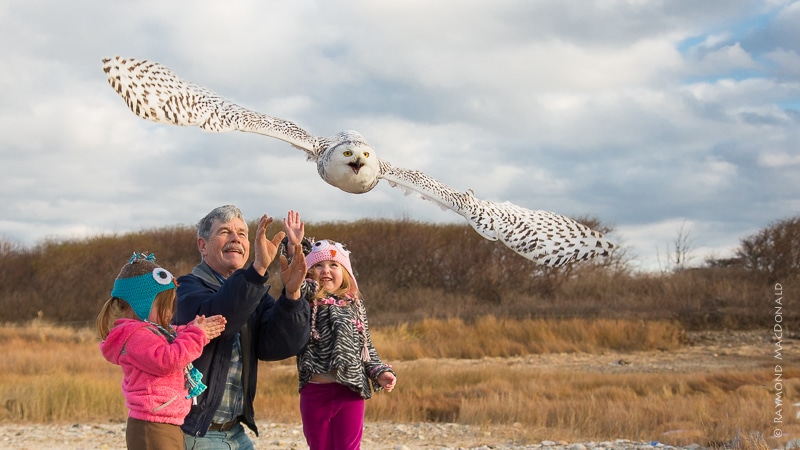
In the stark, oft-forgotten reaches where the Snowy Owl silently prowls, a quiet revolution is underway. This revolution does not come from government decrees or the work of large, faceless organizations alone. Instead, it emerges from something far more democratic and impassioned — crowdfunding. This novel approach is transforming the conservation landscape, promising a profound shift in how we support and sustain the enigmatic Snowy Owl. Crowdfunding beckons us to reconsider not just the act of conservation but the very relationship we share with the wild, fragile world teetering on the brink of change.
The Emerging Necessity of Innovative Funding in Snowy Owl Conservation
Traditional conservation efforts often rely on grants, government funding, and large institutional donations. While these sources are indispensable, they are frequently insufficient or inconsistent in scope and timing. Snowy Owls, with their elusive nature and dependence on specialized Arctic habitats, present conservationists with an especially taxing challenge. Their habitats are rapidly degrading due to climate change, a factor that demands swift, flexible, and substantial conservation interventions. Here, crowdfunding emerges not merely as a supplementary funding stream but as a pivotal mechanism capable of supplying the agility and immediacy that modern conservation projects desperately require.
This shift from conventional funding paradigms to grassroots, crowd-driven support embodies more than monetary assistance; it nurtures an ecosystem of engaged citizens who feel profoundly connected to the fate of the Snowy Owl. This burgeoning collective is fostering a new era in conservation, marked by inclusivity and an emotional investment that transcends geographic boundaries.

Crowdfunding as a Catalyst for Community Engagement and Education
At the heart of crowdfunding lies a potent blend of storytelling and collective action. Conservation campaigns for the Snowy Owl often weave narratives rich with ecological insights and evocative imagery, fostering a sense of wonder and urgency among contributors. This narrative alchemy not only galvanizes donations but also cultivates an educative experience, enlightening backers on the intricate balance ecosystems maintain and the particularly precarious position the Snowy Owl occupies.
The digital platforms powering these campaigns become arenas not merely for financial exchange but for shared knowledge, dialogue, and advocacy. Communities form around these projects, turning simple transactions into a vibrant exchange of ideas and commitments. This democratization of conservation funding thus transforms passive donors into active stakeholders, eager to advocate for policy changes, habitat protection, and scientific research tailored to the Owl’s survival.
The Amplification of Research and Field Efforts through Micro-Donations
Snowy Owl conservation requires extensive scientific research — tracking migratory patterns, monitoring population health, and restoring habitats. Crowdfunding facilitates these intricate endeavors by aggregating small donations into substantial resources. The collective power of micro-donations fuels projects that might otherwise languish in uncertainty due to lack of funds.
This influx of capital also enables rapid response to emerging threats, such as habitat encroachment or food scarcity resulting from fluctuating lemming populations, the Owl’s primary prey. Crowdfunded projects can swiftly initiate field expeditions, satellite tracking, and community surveys. This nimbleness enriches the scientific data pool, making conservation strategies more precise and adaptive.
Fostering Global Awareness and Cross-Border Collaborations
The Snowy Owl’s Arctic breeding grounds straddle international borders, making its conservation a transnational concern. Crowdfunding naturally transcends geographic confines, connecting diverse populations globally. This connectivity fosters unprecedented levels of collaboration between conservationists, researchers, Indigenous communities, and global citizens united by shared concern.
Such international coalitions amplify impact by aligning conservation goals, sharing best practices, and leveraging collective expertise. They also bring to the fore indigenous knowledge and stewardship practices, often overlooked but immensely valuable in managing Arctic ecosystems. Crowdfunding acts as the digital bridge facilitating these dialogues and alliances, turning isolated efforts into cohesive, transboundary campaigns with heightened efficacy.
Challenging the Paradigm: Crowdfunding as a New Conservation Ethos
Beyond financing, crowdfunding embodies a paradigm shift in conservation philosophy. It subverts traditional hierarchies where conservation is a specialist domain controlled by experts and institutions. Instead, it places agency in the hands of everyday people, democratizing the very process of environmental stewardship.
This empowerment nurtures a deeper, more personal commitment to conservation success. Contributors become story bearers, advocates, and watchdogs, their voices amplified through social media and community forums. This collaborative ethos fosters resilience and accountability in conservation projects, ensuring they remain responsive to both ecological realities and community values.
Moreover, this participatory model combats apathy and disengagement caused by the perceived distance and complexity of conservation work. By inviting public investment — emotional, intellectual, and financial — crowdfunding reanimates the conservation narrative with urgency and hope.
Challenges and Future Potential of Crowdfunding in Snowy Owl Conservation
Despite its transformative potential, crowdfunding is not without limitations. Reliance on episodic campaigns may risk funding gaps, and the competitive nature of platforms means that projects must continuously innovate to capture public attention. Additionally, large-scale infrastructural needs or long-term habitat protection initiatives may require blending crowdfunding with traditional funding models.
Yet, these challenges are surmountable. As technology evolves, integrating crowdfunding with data transparency tools, augmented reality storytelling, and community-driven conservation metrics promises to elevate the impact of each campaign. Emerging platforms tailored specifically to wildlife conservation could further consolidate resources and expertise, streamlining support for Snowy Owl projects globally.
The future invites an ecosystem where crowdfunding unites with scientific rigor, indigenous wisdom, and policy advocacy — ensuring that the Snowy Owl not only survives but thrives in the wild expanses it majestically inhabits.
Conclusion: A Compelling Call to Action
The journey of the Snowy Owl through the 21st century is emblematic of the broader struggle to balance human progress with ecological integrity. Crowdfunding emerges as a beacon of possibility, a quiet yet potent force capable of reshaping conservation into a collective mission fueled by passion and shared responsibility. It challenges us to see conservation beyond institutional confines and to embrace our role as custodians of a delicate natural heritage.
In supporting Snowy Owl crowdfunding campaigns, we participate in more than mere financial transactions; we engage in a narrative of hope, resilience, and empowerment. Every pledge ripples through the fabric of conservation, weaving together disparate voices into a unified chorus advocating for a world where the Snowy Owl’s ghostly silhouette remains a vivid testament to our commitment and care.