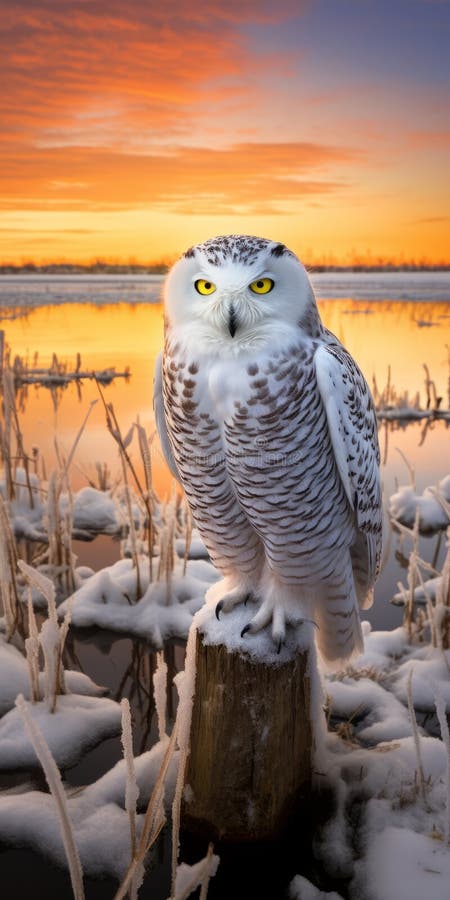
In the ethereal expanses of the Arctic tundra, where snow blankets the earth in an unyielding embrace, the snowy owl reigns supreme as a symbol of both mystery and majesty. These enigmatic birds, cloaked in pristine white plumage interspersed with inky flecks, captivate not only naturalists but also the passionate lens of photographers who seek to immortalize their spellbinding presence. Snowy owl photography transcends mere image capture; it is an evocative journey into an almost otherworldly realm, where light, landscape, and the haunting gaze of these avian sentinels converge to narrate tales of survival, beauty, and the stark poetry of the frozen north.
The Allure of Arctic Landscapes as a Photographic Backdrop
The Arctic environment offers a sublime canvas for photographers eager to contextualize the snowy owl within its native habitat. Capturing these birds amidst an austere backdrop of endless white snowfields, crystalline ice formations, and subdued winter light provides a visual narrative imbued with serenity and solitude. The interplay between the owl’s snowy feathers and the glistening tundra underscores a camouflage perfected by evolution, a detail that photographers cherish. Such settings challenge creatives to harness natural elements creatively—whether through the soft glow of a polar sunrise or the blue-hued shadows cast by towering ice. These landscapes are not merely static backgrounds; they are dynamic characters that heighten the storytelling dimension of snowy owl portraits.
Technical Mastery: Navigating the Challenges of Snowy Owl Photography
Immortalizing snowy owls on camera is a formidable endeavor, demanding both technical acumen and patience. The brilliance of the snow poses exposure challenges that require meticulous calibration to avoid overexposing details or losing the bird’s distinctive markings. Photographers often employ techniques such as spot metering and manual exposure adjustments to balance the luminance of snow with the subtleties of plumage texture. Additionally, capturing the owl’s rapid and often unpredictable movements requires swift autofocus systems and high shutter speeds. The ephemeral quality of Arctic light—a fleeting dance of twilight and shadow—further complicates composition, urging photographers to anticipate and adapt. Mastery over these nuances transforms mere snapshots into compelling visual poetry.

Capturing Behavior: The Narrative of the Snowy Owl’s Life
Beyond static images, the heart of snowy owl photography lies in documenting their behavior—unveiling intimate glimpses of their existence in a harsh environment. Photographs of snowy owls in flight, wings stretched wide against the vast sky, embody freedom and grace. Others show moments of predation, with owls stooping down on prey, revealing their prowess and essential role in the ecosystem. Still images of nesting pairs or juveniles provide insight into familial bonds and breeding rituals, a facet rarely witnessed by casual observers. These behavioral portrayals enrich the visual narrative, transforming photographs into windows revealing the rhythms and resilience of Arctic life.
Emotive Portraiture: The Intensity of the Snowy Owl’s Gaze
Perhaps the most compelling aspect of snowy owl photography is the intimate portrait—a close-up that freezes the penetrating stare of these vigilant birds. Their large, golden-yellow eyes, rimmed with velvety black, convey an intensity both haunting and mesmerizing. Capturing this gaze demands patient proximity and considerate approach, as snowy owls can be wary yet sometimes curiously tolerant of observers. These portraits evoke a profound emotional response, inviting viewers to ponder the owl’s ancient wisdom and the silent stories hidden behind their stoic expressions. They serve as poignant reminders of the interconnectedness between humans and the wild realm.
Seasonal Variations: Shifting Aesthetics Through the Year
The visual narrative of snowy owls is intriguingly mutable, colored by the changing seasons of the Arctic. Winter imagery resonates with stark contrasts—white feathers melding into snow, punctuated by the occasional dark markings that vary among individuals. Spring and summer photographs introduce new tonalities, as the melting ice reveals subtle textures of tundra vegetation and the owls showcase their nesting behaviors. The ethereal midnight sun or perpetual twilight of polar seasons influences the mood and quality of light, bestowing an almost surreal ambiance upon images. By exploring these seasonal shifts, photographers chart a more comprehensive chronicle of the snowy owl’s life cycle and environmental interplay.
The Ethical Dimension: Respecting Wildlife and Environment
Embedded in snowy owl photography is an imperative ethical responsibility. The fragile Arctic ecosystem demands respect and minimal disturbance, especially during breeding seasons when owls exhibit heightened sensitivity. Ethical photographers prioritize maintaining a safe distance, employing telephoto lenses to capture candid moments without intrusion. Additionally, understanding owl behavior minimizes stress on the animals and preserves natural activity patterns. This conscientious approach ensures that the pursuit of captivating images does not come at the cost of the owl’s wellbeing or habitat integrity. It elevates snowy owl photography from a mere visual exercise to a practice harmonized with conservation values.
The Role of Snowy Owl Photography in Conservation and Awareness
Beyond artistry, snowy owl photography serves as a potent instrument for conservation advocacy. Striking images broadcast beyond scientific circles to captivate global audiences, heightening awareness of the species’ ecological significance and the threats posed by climate change and habitat disruption. Through evocative visuals, photographers communicate urgency and inspire stewardship, spurring support for Arctic preservation efforts. Educational campaigns, publications, and exhibitions utilize snowy owl imagery to foster deeper understanding and empathy—transforming passive spectators into active participants in conservation dialogues. Thus, the camera becomes both a witness and a catalyst for environmental guardianship.
Innovations and Trends in Snowy Owl Photography
Advances in photographic technology continue to expand creative possibilities in capturing snowy owls. High-resolution digital sensors enable astonishing detail, from the delicate texture of feathers to subtle color gradations. Drones introduce aerial perspectives that reveal owls in their sprawling habitats with previously unattainable vantage points. Time-lapse and motion-triggered cameras provide new avenues to document elusive behaviors over extended periods without human presence. Moreover, the growing accessibility of post-processing tools allows photographers to refine and artistically interpret their imagery while maintaining authenticity. These innovations invigorate this niche of wildlife photography, fostering new ways to celebrate and understand snowy owls.
Community and Sharing: The Collective Passion Behind the Lens
Snowy owl photography embodies a vibrant community of enthusiasts united by a shared passion for these magnificent creatures. Online forums, social media groups, and photography workshops provide platforms for exchanging insights, tips, and awe-inspiring images. This communal spirit cultivates a mutual respect for the natural world and encourages emerging photographers to embark on their own ventures into Arctic realms. Through collective storytelling and shared visual experiences, the snowy owl emerges as an emblem not only of the Arctic wilderness but of humanity’s enduring fascination with the wild and the sublime.