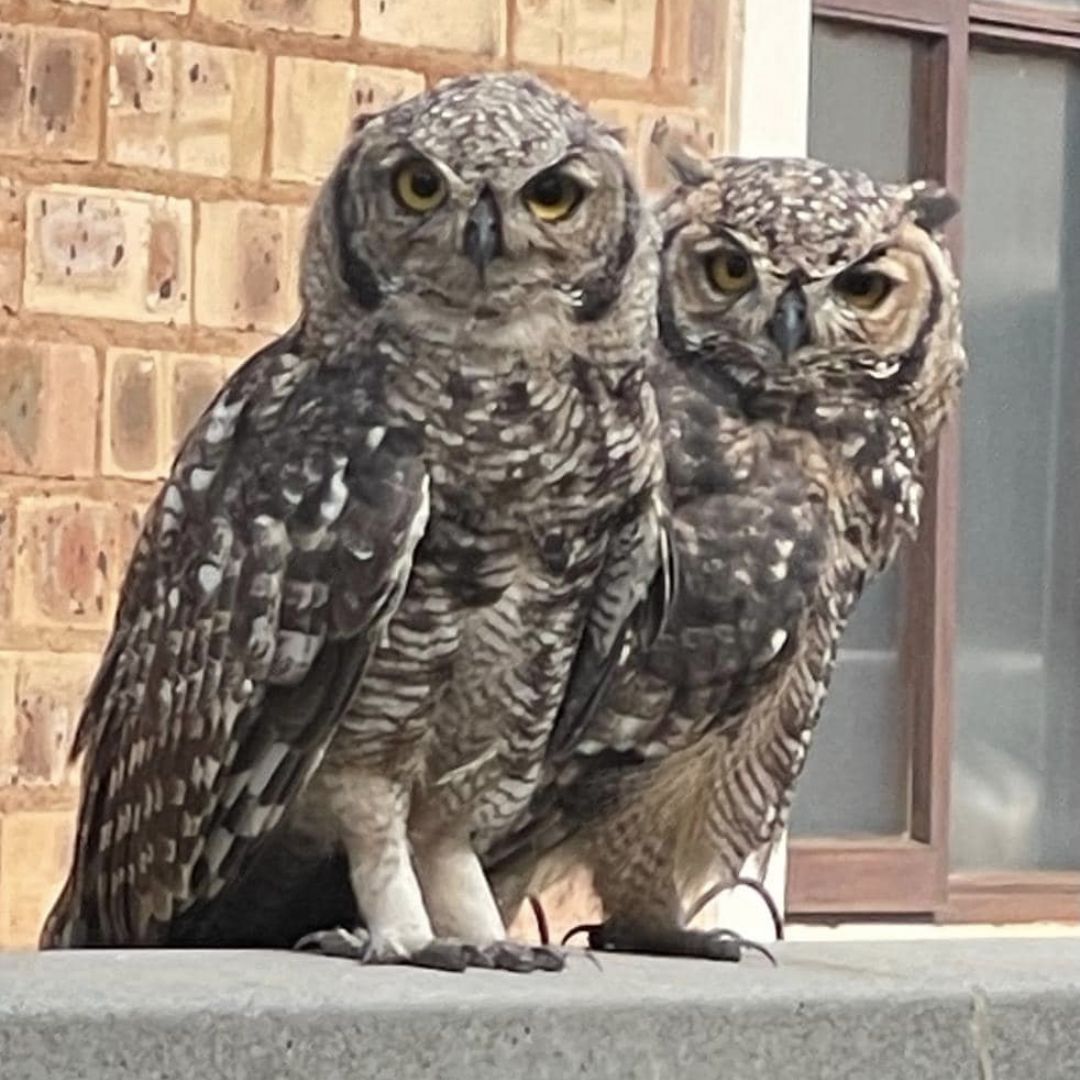
What if a creature of the night, cloaked in silent wisdom and razor-sharp talons, could teach us not just about survival—but about resilience in the face of the impossible? Owls, those enigmatic guardians of the twilight realm, often find themselves in peril, their lives hanging by a thread of circumstance. Yet, against all odds, some rise from the brink, their wings mending, their spirits unbroken, before soaring back into the wild where they belong. These are the success stories that stir the soul and redefine what it means to triumph over adversity.
The Fragile Beginnings: When Nature’s Most Mysterious Hunters Need Help
Every fledgling’s journey begins with a stumble. For owls, those first wobbly flights are fraught with danger—collisions with windows, entanglement in fences, or the cruel grip of starvation when parents fail to return. The Spotted Eagle Owl, with its piercing amber eyes and mottled plumage, is no exception. These fledglings, still clad in downy fluff, face a world that is both vast and unforgiving. Yet, when human intervention arrives, it’s not just a rescue—it’s a second chance at life. The moment a tiny talon is gently wrapped in a towel, the first step toward redemption begins. But what happens when the odds are stacked not just against the owls, but against the very people trying to save them?
The Healing Sanctuary: Where Broken Wings Mend and Broken Spirits Rebuild
Behind the scenes of every triumphant return lies a sanctuary—a place where broken bones knit, malnourished bodies regain strength, and terrified eyes learn to trust again. Here, veterinarians work like alchemists, transforming despair into hope. A fractured wing, once a death sentence, becomes a canvas for regeneration under expert care. But healing isn’t just physical. Owls, creatures of instinct and precision, must relearn the art of flight, the hunt, and the wild’s harsh rhythms. It’s a slow, meticulous process, where every meal is a victory and every flutter of wings a promise. What if the sanctuary itself becomes a battleground—not against injury, but against the creeping doubt that the owl will ever fly free again?
The Relentless Training: From Cage to Canopy
Rehabilitation isn’t passive. It’s a grueling, almost military-style regimen where owls must prove their worth. Flight tunnels become training grounds, where they relearn aerodynamics with each powerful beat of their wings. Hunting simulations test their reflexes, ensuring they won’t starve when released. But here’s the catch: owls are not dogs. They don’t perform on command. Their training must be a dance of patience and intuition, where the trainer becomes a shadow, guiding without forcing. What if, after all this effort, the owl hesitates at the edge of the release aviary, its instincts screaming caution while the world beckons?
The Moment of Truth: The First Flight Back to Freedom
The release day arrives like a silent storm. The owl, now strong and alert, perches on a gloved hand, its gaze fixed on the horizon. The moment the handler steps back, the bird’s wings unfurl—a breathtaking display of power and purpose. For a heart-stopping second, it hovers, testing the air. Then, with a single, decisive stroke, it surges upward, vanishing into the dusk. The crowd below holds its breath. Will it remember how to hunt? Will it recognize its territory? The first night is the most dangerous. Predators lurk. Hunger gnaws. But if the owl survives, it doesn’t just return to the wild—it reclaims it. What if the owl’s return isn’t just a personal victory, but a beacon for others in need?
The Ripple Effect: How One Owl’s Triumph Inspires a Movement
Every owl that soars free after rehabilitation writes a new chapter in conservation. Their stories ripple outward, inspiring communities to protect habitats, install nest boxes, and advocate for wildlife corridors. The Spotted Eagle Owl, once a symbol of fragility, becomes a mascot for resilience. Schools adopt rehabilitation centers. Volunteers train as wildlife carers. The cycle of rescue and release becomes a legacy. But what if the next generation of owls faces even greater threats—urban sprawl, climate shifts, or a silent, creeping extinction? Can humanity rise to the challenge before it’s too late?
The Unseen Heroes: The People Behind the Wings
No success story is written alone. Behind every rehabilitated owl stands a team of unsung heroes—wildlife rehabilitators who work through holidays, veterinarians who perform miracles with limited resources, and donors who believe in second chances. These are the quiet guardians of the night, their hands scarred by talons, their hearts heavy with loss but light with hope. They don’t seek fame. They seek results. And when an owl takes flight, it’s their triumph too. What if the greatest lesson owls teach us isn’t about survival, but about the power of collective effort?
Conclusion: The Night Sky’s Unyielding Promise
The wild is not a place of mercy. It is a realm of relentless competition, where only the strong endure. Yet, against these odds, owls—and the humans who fight for them—defy the narrative of despair. They rewrite it. Every fledgling that heals, every wing that mends, every owl that returns to the canopy is a testament to nature’s stubborn will to thrive. So the next time you hear the cry of an owl in the distance, listen closely. It might just be a whisper of triumph—proof that even in the darkest hours, the light of resilience always finds a way.