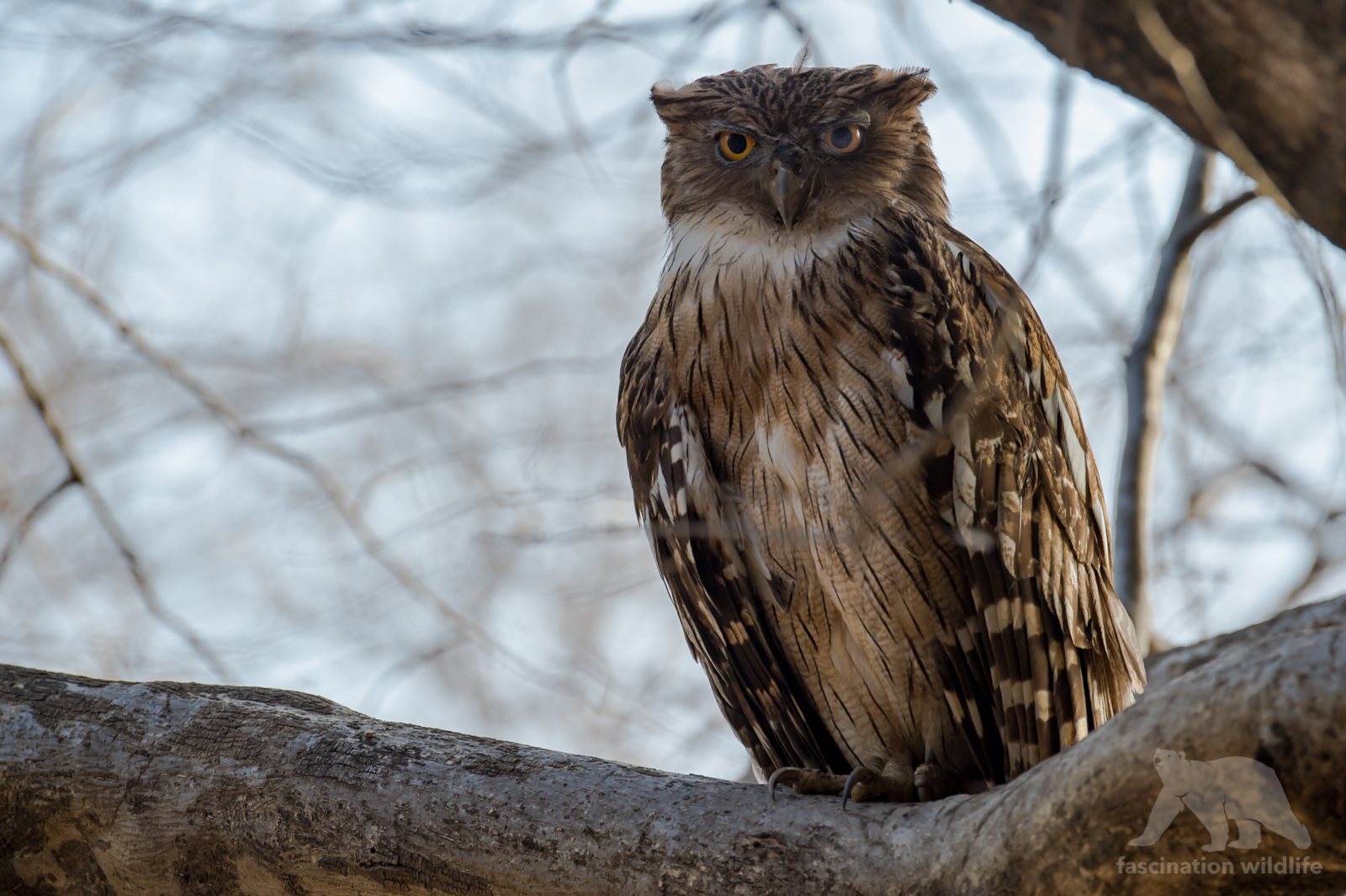
There is something undeniably magnetic about owls — those enigmatic, wide-eyed sentinels of the night. Across cultures and centuries, these birds have evoked a mystique that transcends mere admiration. They stir our collective imagination, casting a spell that intertwines the natural world with the labyrinthine corridors of human psychology. What is it about owls that seizes our fascination so profoundly? How do these nocturnal creatures, cloaked in feathered silence, hold a mirror to our deepest curiosities and fears? This exploration seeks to unravel the psychological tapestry woven by the presence of owls, promising a renewed perspective on our enigmatic bond with these creatures of the dusk.
The Role of Owls in Island Ecosystems: Unique Challenges and Solutions
Islands are natural laboratories of evolution, isolated realms where ecological interactions unfold in singular ways. Among the myriad creatures inhabiting these landmasses, owls hold a particularly vital niche. They are enigmatic sentinels of the night, weaving a tapestry of balance and survival in island ecosystems. Yet, the roles they play are often complicated by the distinct challenges intrinsic to island environments—fragile biodiversity, limited resources, and human encroachment. Exploring the multifaceted functions of owls within these unique ecosystems reveals not only their ecological importance but also the innovative solutions needed to preserve their existence and the health of island habitats.
Camera Traps and Owls: Capturing Rare Behavior on Film
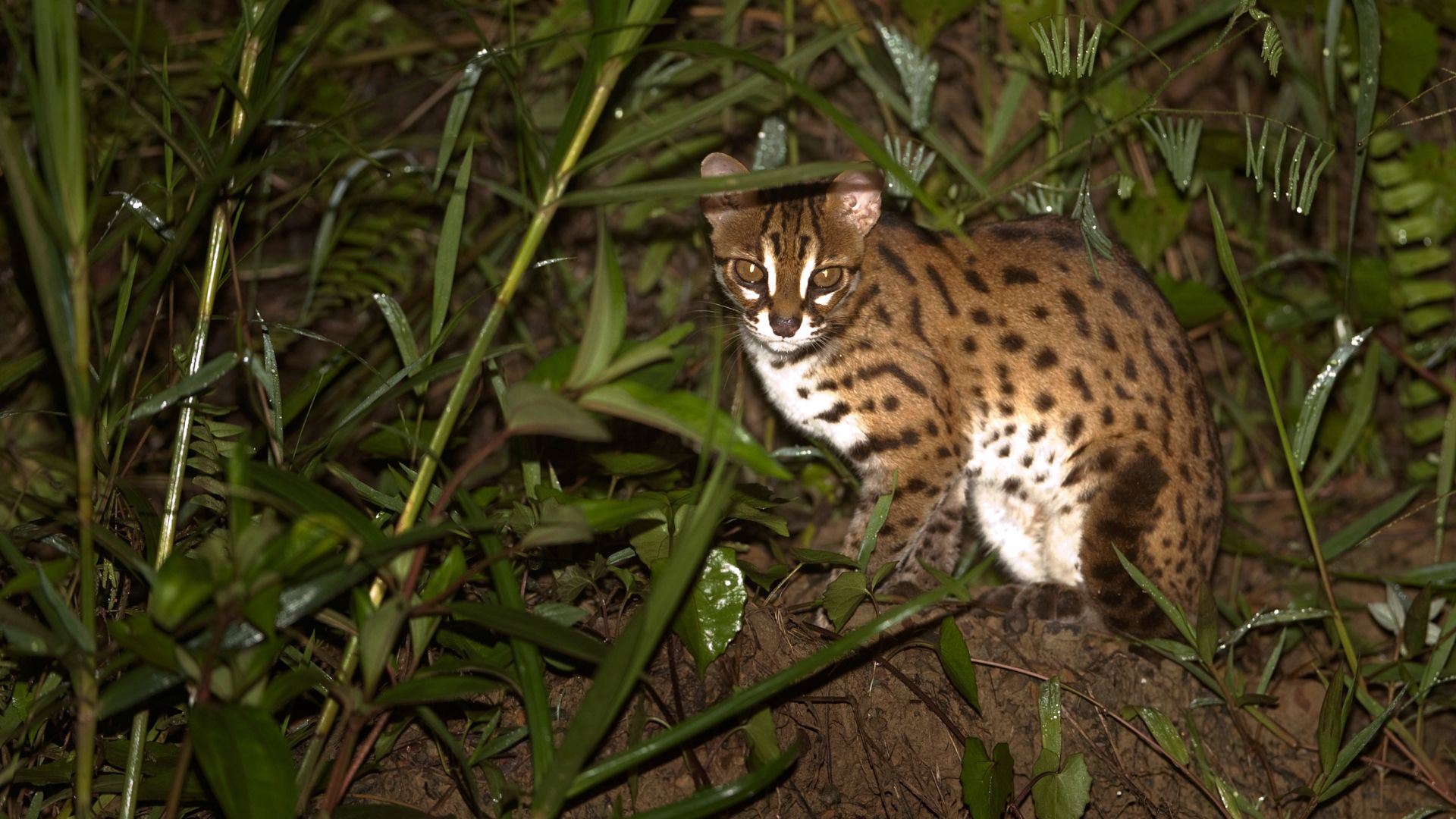
What if the night held secrets not just in shadows, but in the flicker of a passing glance, the tilt of a head, or the silent flap of wings? The world of owls—those enigmatic, feathered sentinels of the dark—has long fascinated humanity with its mystery. But what if we could peer into their nocturnal lives not just with our imagination, but through the unblinking lens of a camera trap? This technology, often associated with big cats and elusive mammals, has quietly revolutionized our understanding of owl behavior, revealing moments so rare they feel plucked from a dream. Yet, capturing these feathered phantoms on film is no simple feat. It demands patience, ingenuity, and a dash of luck. So, let’s embark on a journey into the hidden world of owls and the art of filming their most intimate moments.
Spotted Owl Research: The Latest Breakthroughs and Challenges

In the shadow-dappled realms of ancient forests, the spotted owl emerges not merely as a creature of the night, but as a living emblem of ecological mystery and preservation. This elusive guardian of old-growth canopies has captivated scientists and conservationists alike with its ghostly calls and deft navigation through twilight woods. Yet, beyond the veneer of its enigmatic beauty lies a labyrinth of challenges and breakthroughs that redefine our understanding of this sentinel of biodiversity. The latest research unfurls a tapestry woven with innovation, urgency, and reverence—inviting us to peer deeper into the symphony of survival that the spotted owl orchestrates.
How Droughts and Wildfires Are Reshaping Owl Habitats in the West
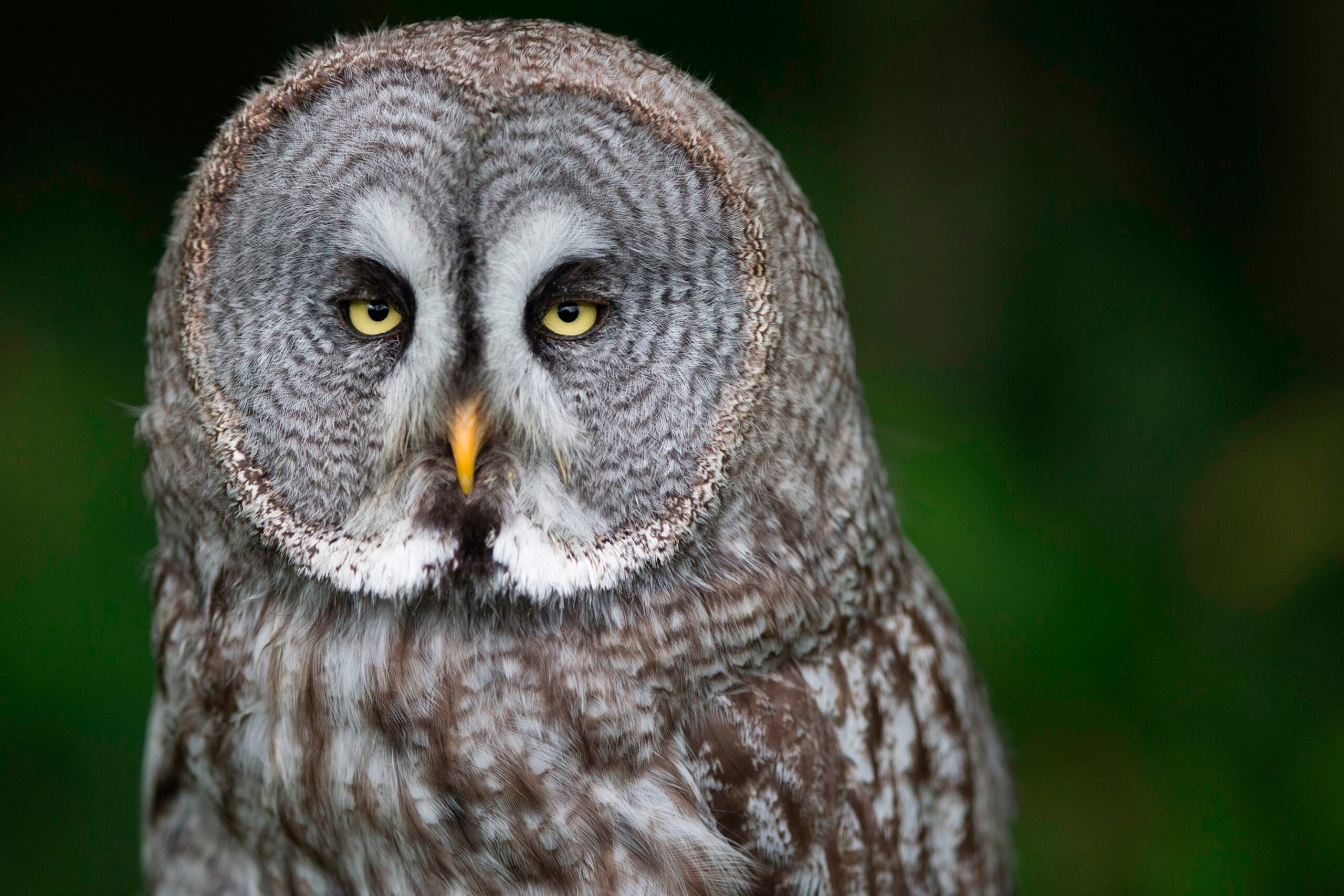
The West’s ancient forests, once teeming with life, now whisper a haunting question: What happens when the sky turns orange and the earth cracks open? For the great gray owl, a silent sentinel of the wilderness, the answer is as stark as the charred trunks that now dot its domain. Droughts and wildfires—once natural rhythms of the land—have become relentless sculptors, reshaping habitats with a ferocity that leaves even the most adaptable creatures scrambling. These aren’t mere disturbances; they’re ecological upheavals, rewriting the rules of survival for species that have thrived here for millennia. And for the owl, the stakes couldn’t be higher.
Snowy Owl Sightings: A Map of the 2026 Irruption Hotspots
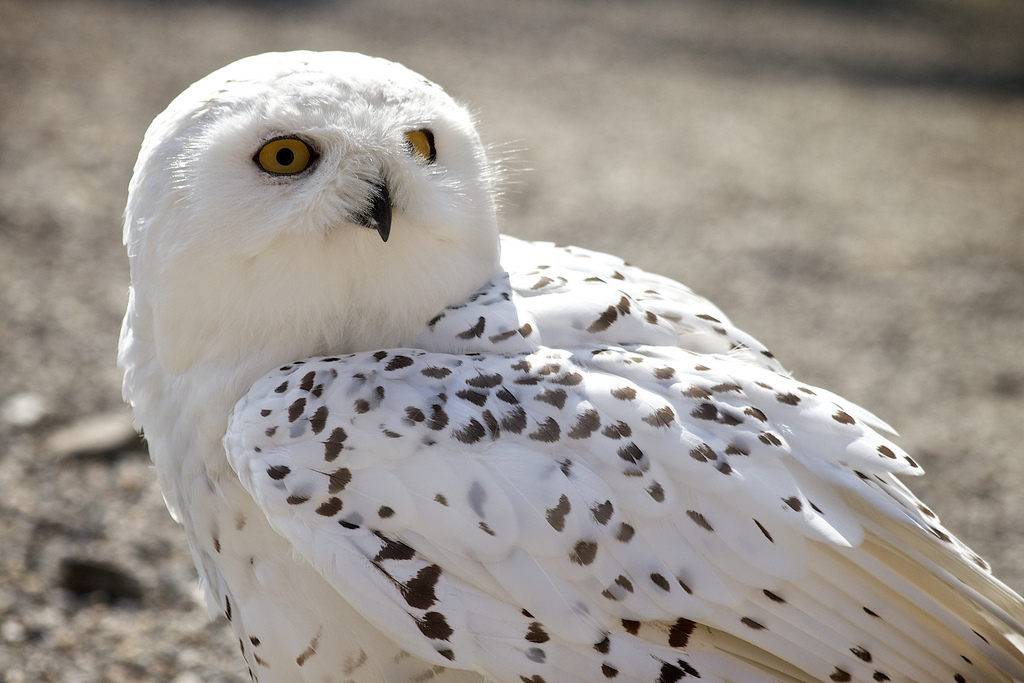
The winter of 2026 promises to be one unlike any other—for those who know where to look. As the Arctic winds howl across the tundra, a silent, feathered armada takes flight, descending upon the lower latitudes in a spectacle that has left ornithologists and casual observers alike in awe. But where exactly will these snowy sentinels alight? And what challenges might they—and their admirers—face along the way? The answers lie not in crystal balls, but in the careful study of migration patterns, environmental shifts, and the whims of nature itself.
How Arctic Pollution Is Compounding Climate Stress for Snowy Owls
Beneath the aurora’s shimmering veil, where the Arctic’s breath still carries the weight of ancient ice, a silent crisis unfolds. The snowy owl, that ghostly sentinel of the tundra, is not merely a victim of a warming world—it is a living barometer of a far more insidious convergence. Arctic pollution, a specter of human industry and negligence, is not just lingering in the snow; it is rewriting the rules of survival for these majestic birds. As the mercury climbs and the permafrost thaws, a cocktail of toxins seeps into the very fabric of their existence, turning climate stress into a multi-headed hydra. This is not a tale of one crisis layered atop another—it is a story of how pollution and climate change dance in a deadly waltz, each step eroding the resilience of a species already teetering on the edge.
The Barred Owl’s Role in Seed Dispersal: An Overlooked Function
Have you ever stopped to ponder the secret life of the barred owl beyond its haunting hoots echoing through dense forests? What if this enigmatic bird, often celebrated for its hunting prowess, holds an ecological ace up its sleeve—one that challenges our traditional views of seed dispersal? This playful inquiry beckons us to delve into a lesser-known facet of the barred owl’s existence, exploring the intriguing possibility that it plays a subtle but vital role in the perpetuation of forest flora. Could it be that this nocturnal sentinel is also a stealthy gardener of the woods?
How Virtual Reality Is Being Used to Study Owl Behavior
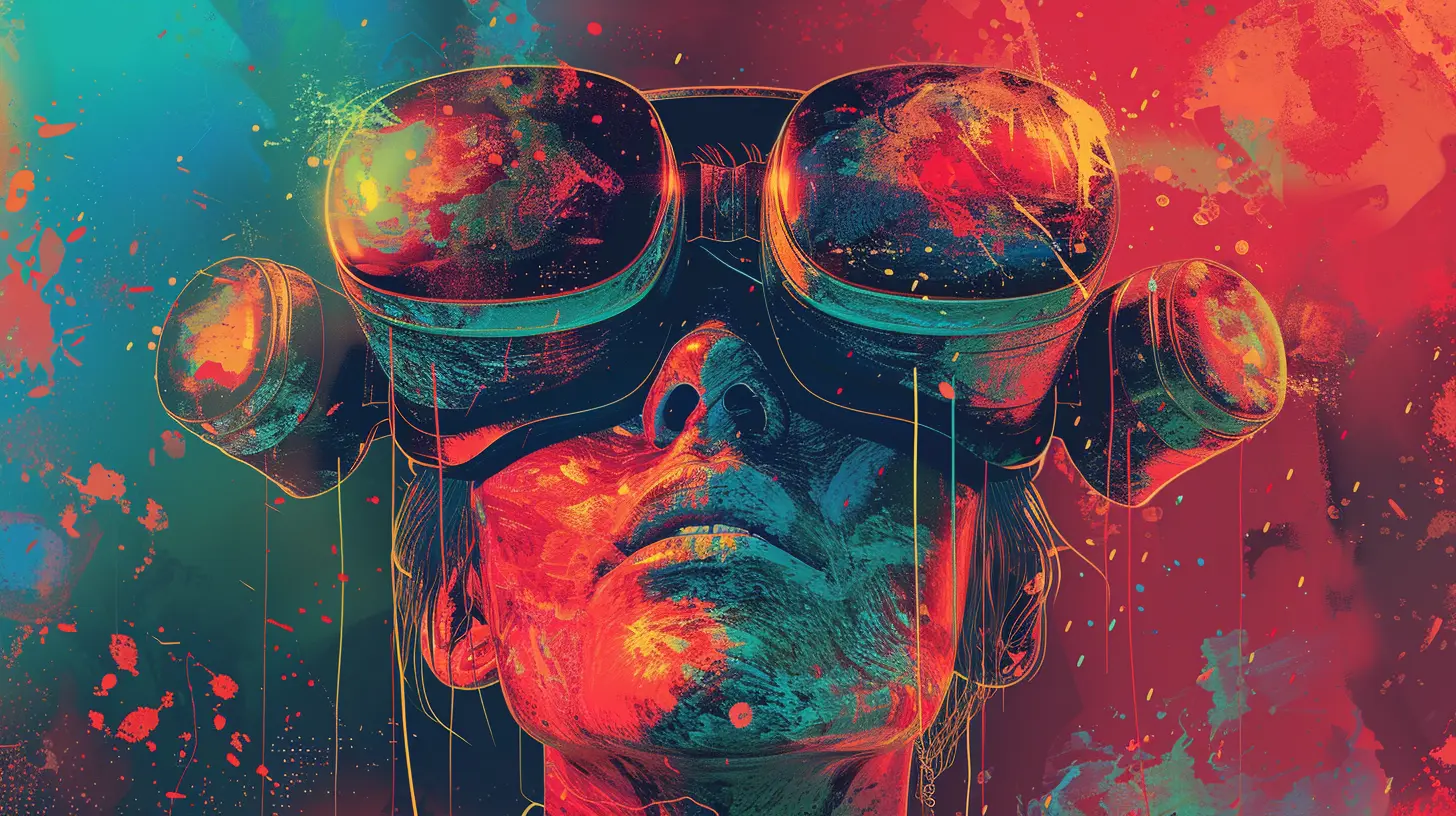
In the quiet, moonlit expanse of an old-growth forest, an owl perches motionless on a gnarled branch, its golden eyes scanning the darkness with eerie precision. For centuries, these enigmatic creatures have captivated human imagination, their nocturnal habits shrouded in mystery. But what if we could step into their world—not as distant observers, but as silent participants in their silent realm? Virtual reality (VR) is rewriting the rules of behavioral science, offering researchers an unprecedented portal into the minds of animals. No longer confined to the limitations of human perception, scientists are now slipping into the feathers of owls, not physically, but psychologically, through immersive digital landscapes that mimic the owls’ natural habitats. This technological leap doesn’t just promise to reveal secrets of owl cognition—it heralds a paradigm shift in how we understand all animal behavior, one that could redefine our relationship with the natural world.
The Role of Owls in Disease Regulation: How They Help Control Pathogens

Have you ever wondered if there’s a hidden army in the night that not only keeps the skies mysteriously silent but also acts as a frontline defender against a barrage of microscopic foes? What if the silent swoop of an owl isn’t just a symbol of wisdom but a crucial piece in the intricate puzzle of disease regulation on our planet? The question beckons: can these nocturnal predators truly hold the key to controlling pathogens, thereby safeguarding ecosystems and even human health? Unraveling this mystery leads us into a fascinating exploration of the ecological and epidemiological significance of owls—a story interwoven with nature’s delicate balance and unseen battles against disease.