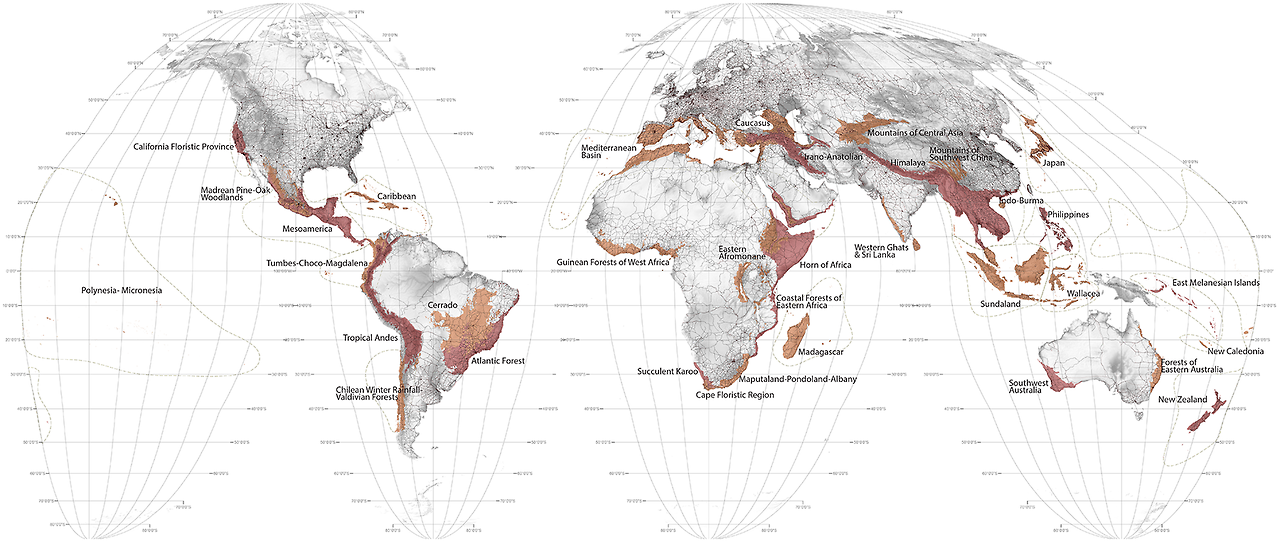
The silent sentinels of the night, owls, are far more than mere harbingers of folklore or symbols of wisdom. These enigmatic raptors, with their piercing gaze and feathered stealth, play a pivotal role in the preservation of biodiversity hotspots—those irreplaceable ecosystems teeming with life found nowhere else on Earth. As apex predators, owls exert a cascading influence on their habitats, shaping the very fabric of ecological balance. Their presence, or absence, can mean the difference between a thriving, endemic-rich landscape and one on the brink of collapse. This article delves into the multifaceted impact of owls on biodiversity hotspots, exploring their ecological functions, the threats they face, and the urgent need to safeguard these guardians of biodiversity.
Owl Banding: Tracking Individuals to Understand Populations
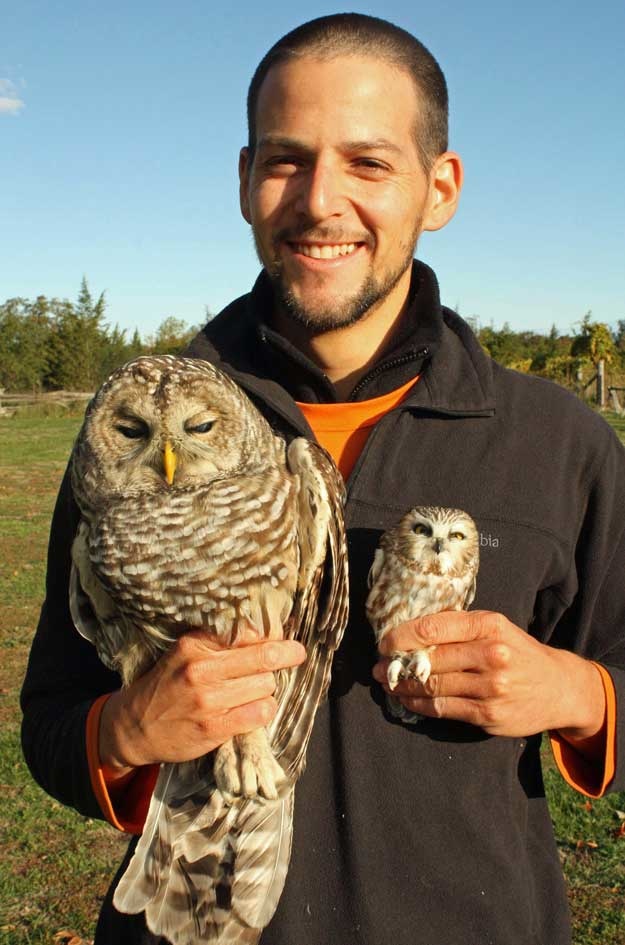
What if you could step into the silent, feathered world of owls—where every hoot carries a secret, and every wingbeat tells a story? Owl banding offers a rare glimpse into this nocturnal realm, transforming fleeting encounters into lifelong data. By carefully tracking individual owls, researchers unravel the mysteries of migration, survival, and population dynamics. But this delicate dance between science and nature is not without its challenges. How do we balance curiosity with care, and what happens when the tools we use to study these birds become part of their story?
The Snowy Owl: Arctic Survivor and Climate Change Indicator
The Arctic is a realm of stark contrasts—a frozen expanse where silence is broken only by the whisper of wind across ice and the sudden, haunting cry of a predator. Among its most enigmatic inhabitants is the snowy owl, a creature of paradox: a ghostly wanderer that thrives where few dare to tread, yet one whose very existence now hangs in the balance. This is not merely the story of a bird. It is a chronicle of resilience, a barometer of ecological upheaval, and a silent oracle whispering warnings about the future of our planet. To understand the snowy owl is to peer into the heart of the Arctic itself—and to confront the unsettling truth that what happens in the far north does not stay there.
The Top 10 Threats to Snowy Owl Survival
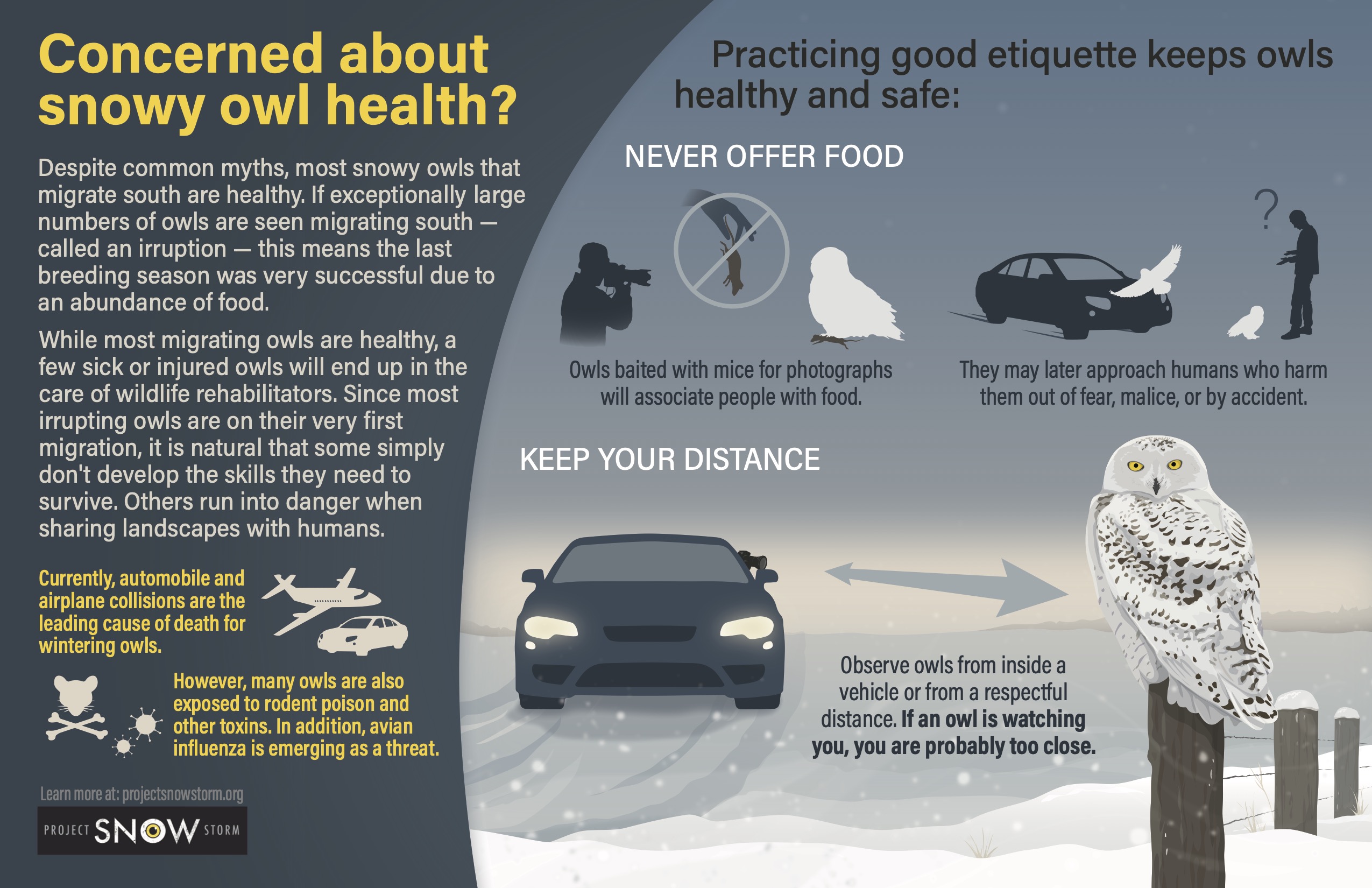
The ethereal presence of the snowy owl, with its ghostly white plumage and piercing yellow eyes, evokes a sense of wonder and reverence. Yet, beneath this majestic exterior lies a fragile existence, constantly imperiled by a myriad of threats. The snowy owl’s survival teeters on the edge, challenged by environmental changes, human interference, and ecological pressures. Understanding these threats is paramount to fostering effective conservation efforts, ensuring that this emblematic sentinel of the Arctic skies endures for generations. Here, we delve into the top ten threats confronting the snowy owl, exploring the multifaceted challenges that entangle its future.
How Education Is Raising Awareness About Spotted Owls in the Pacific Northwest
What if the key to saving one of the Pacific Northwest’s most enigmatic creatures lay not in the shadows of ancient forests, but in the bright, curious minds of schoolchildren scribbling notes in notebooks? The Northern Spotted Owl, a bird draped in mystery and clad in speckled brown feathers, has long been a symbol of the region’s ecological struggles. Yet, as conservationists and educators weave their efforts together, education emerges as the unlikely hero in this tale—arming the next generation with the knowledge to protect, defend, and advocate for this threatened species. How, then, is education raising awareness about Spotted Owls in the Pacific Northwest? The answer lies in a tapestry of storytelling, hands-on learning, and community-driven action that is rewriting the narrative of conservation.
How to Use Storytelling to Inspire Owl Conservation Action
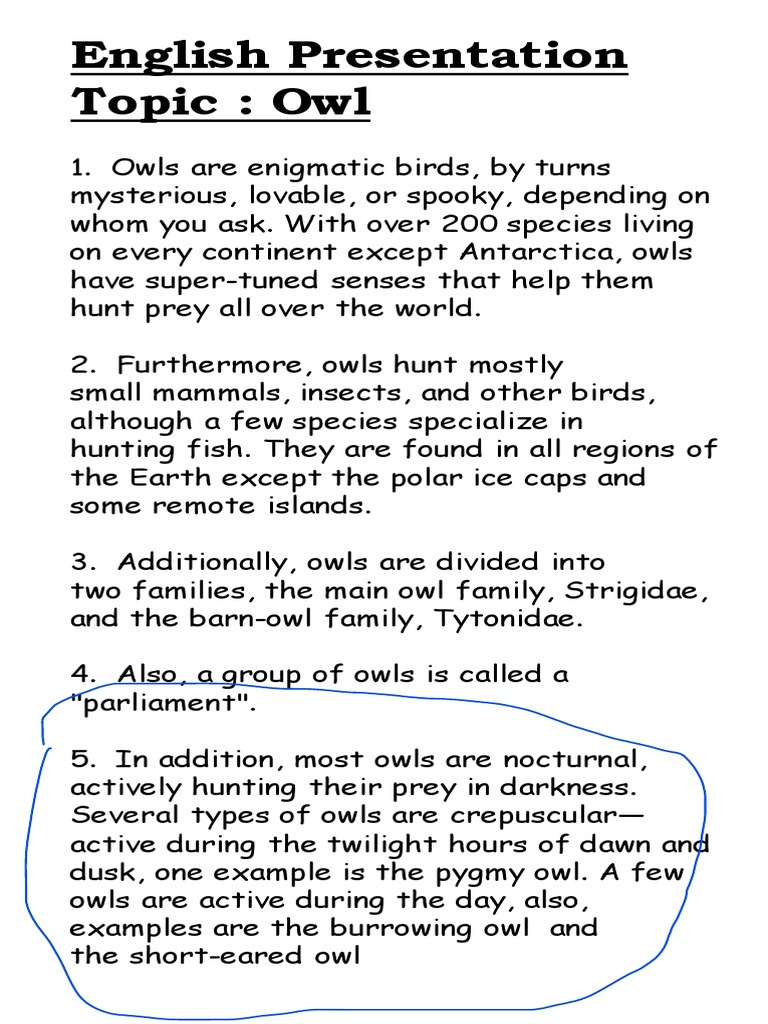
The silent sentinels of the night, owls have long captivated the human imagination with their enigmatic gaze and nocturnal prowess. Their presence in folklore, literature, and art spans millennia, yet their true ecological significance often remains obscured by the shroud of myth. What if we could harness the power of storytelling not just to celebrate these feathered marvels, but to ignite a global movement for their conservation? The art of narrative offers a potent tool—one that can transform passive admiration into active stewardship. By weaving together science, emotion, and cultural resonance, we can inspire collective action to protect these vital predators before their habitats vanish into the twilight of extinction.
The Impact of Climate Change on Snowy Owl Genetics: Are They Evolving?
The Arctic tundra, a vast and unforgiving expanse of ice and wind, has long been the domain of the snowy owl—a creature of mythic resilience and silent majesty. But as the planet warms, this frozen kingdom is unraveling. The snowy owl, once a symbol of unyielding adaptation, now faces a crisis not of its own making. Climate change is not merely altering the owl’s habitat; it is reshaping the very fabric of its genetics. Are these birds evolving in response, or are we witnessing the slow unraveling of a species? The answers lie in the delicate interplay between environmental pressure and genetic mutation, where survival is no longer a given but a desperate gamble against time.
The Role of Museums in Owl Research: Preserving Specimens for Science
In the grand cathedral of nature’s mysteries, where the veil between the seen and unseen is thin, owls reign as silent sentinels of the night. These enigmatic birds, with their piercing gaze and feathered whispers, have long captivated human imagination—yet their true significance extends far beyond folklore. Museums, those hallowed repositories of curiosity, stand as guardians of owl specimens, preserving not just feathers and bones, but the very essence of scientific discovery. They are the unsung architects of knowledge, where each specimen becomes a key unlocking secrets of evolution, ecology, and the delicate threads of biodiversity. To understand the role of museums in owl research is to peer into a world where the past breathes through the present, and where every artifact tells a story older than time itself.
The Link Between Snowy Owl Irruptions and Arctic Warming
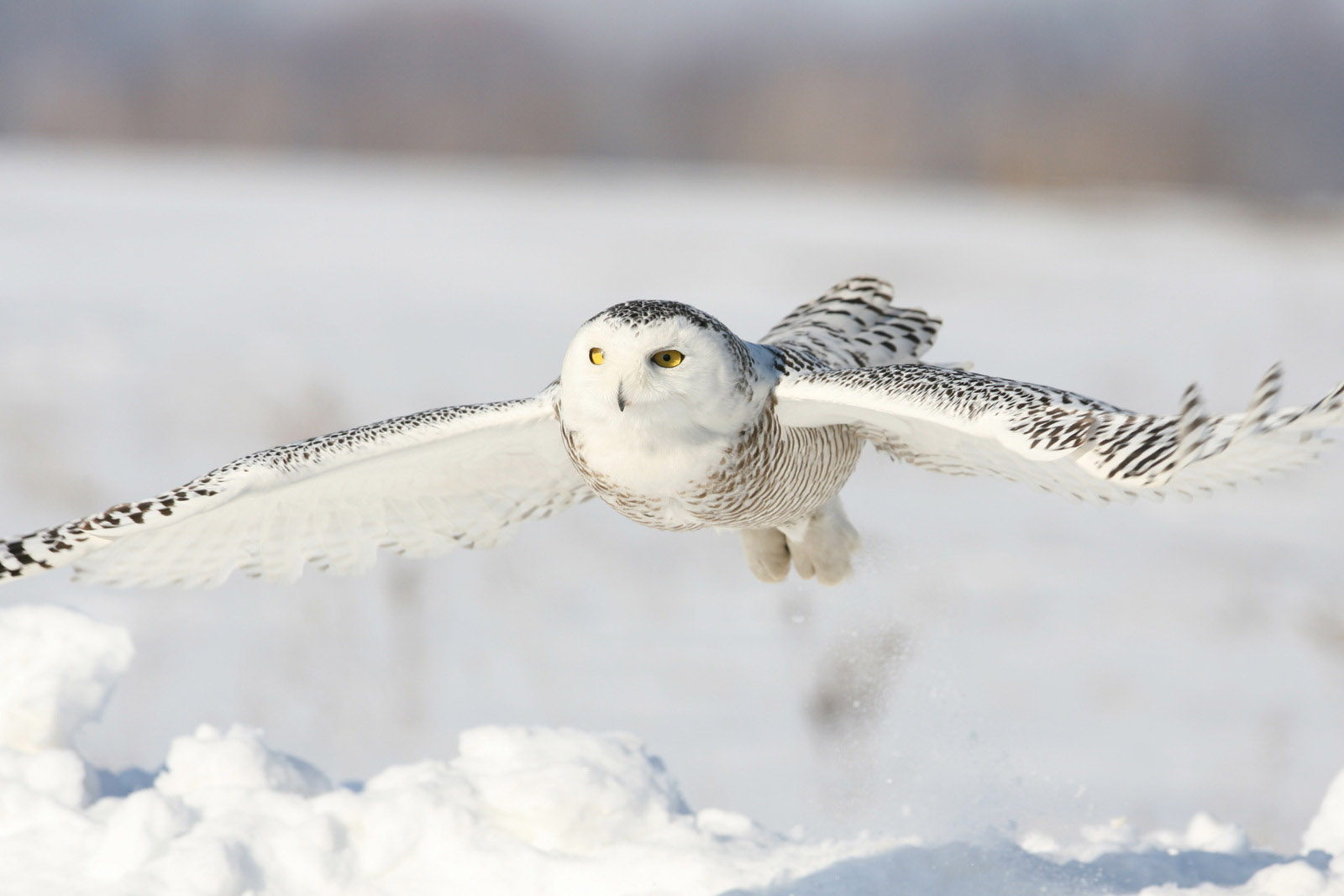
The haunting spectacle of a snowy owl suddenly appearing far south of its usual Arctic haunts has captivated birdwatchers and naturalists for centuries. These enigmatic irruptions—mass movements of snowy owls into regions where they are rarely seen—spark wonder and curiosity in equal measure. Yet, beneath the allure of their ghostly white feathers and piercing yellow eyes lies an intricate web of ecological dynamics, increasingly interwoven with the accelerating pulse of Arctic warming. The phenomenon is more than just a random migration anomaly; it is a profound indicator of shifting balances in Arctic ecosystems and the ripple effects spilling over into the wider world.
The Economic Impact of Owl Tourism: How Birdwatching Boosts Local Economies

What if I told you that a creature of the night, with eyes like twin moons and a gaze that seems to hold the secrets of the forest, could be the unsung hero of your local economy? No, we’re not talking about a cryptid or a mythical owl king—we’re talking about the humble, hooting, feathered sentinels that have quietly been turning birdwatchers into economic powerhouses. Owl tourism, a niche yet rapidly growing segment of eco-tourism, is not just a quirky pastime for nocturnal enthusiasts. It’s a burgeoning industry that injects vitality into rural economies, preserves biodiversity, and challenges the very notion of what constitutes a “valuable” tourist attraction. But as with any fledgling movement, it faces its own set of challenges—some as elusive as the owls themselves.