In the vast, windswept tundras where the Arctic air bites with the ferocity of a forgotten winter, a silent sentinel glides—its snowy plumage a ghostly shimmer against the monochrome landscape. The Bubo scandiacus, or snowy owl, has long captivated the human imagination, its presence a paradox of endurance in a world of relentless change. Yet, beyond the poetic allure of its existence lies a story of resilience, adaptation, and the unyielding pursuit of knowledge through long-term banding programs. These initiatives are not merely scientific endeavors; they are a testament to humanity’s quest to understand the intricate dance between species and their shifting habitats. For those who seek to unravel the threads of climate adaptation, snowy owl banding offers a window into a world where survival is a daily negotiation with an unpredictable planet.
Scientific Research & Tracking
Climate Data and Snowy Owls: Correlating Temperature Rises with Population Shifts
The Arctic’s sentinels, the snowy owls, are not merely creatures of the frozen tundra—they are living barometers of a planet in flux. Their stark white plumage against the endless snow has long captivated poets and scientists alike, but beneath that hypnotic beauty lies a story of survival, adaptation, and the unrelenting march of climate change. As temperatures rise and ecosystems tremble, these owls are being forced to rewrite the rules of their existence. The correlation between shifting climates and the dwindling or migrating populations of snowy owls is not just a footnote in ecological research—it is a clarion call, a warning etched into the very fabric of the natural world. To understand their plight is to peer into the future of biodiversity itself.
The Role of Weather Stations in Tracking Snowy Owl Migration Triggers
Beneath the vast, undulating canvas of the Arctic sky, where the wind carves its name into the ice and the sun performs its annual vanishing act, a silent drama unfolds. The snowy owl, that ghostly sentinel of the tundra, embarks on one of nature’s most enigmatic odysseys: migration. But what whispers in the wind guides these feathered voyagers across continents? The answer lies not in the stars, nor in ancient instinct alone, but in the unassuming yet profoundly powerful network of weather stations dotting the Arctic and subarctic landscapes. These sentinels of data do more than predict storms—they decode the very language of migration, revealing a hidden choreography between climate and creature that challenges our understanding of survival.
The Use of eDNA to Monitor Snowy Owl Populations in a Warming Arctic
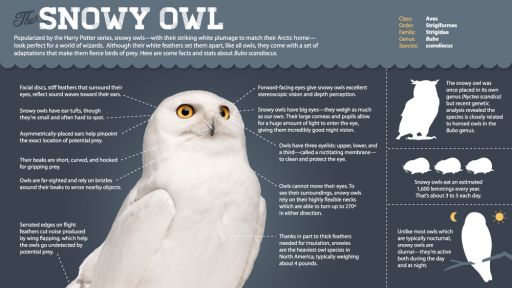
The Arctic is a realm of stark contrasts—a frozen symphony where silence hums louder than thunder, and the wind carves stories into the ice that no human tongue could ever voice. Yet, beneath this austere beauty, a crisis unfolds. The snowy owl, that ghostly sentinel of the tundra, faces an existential reckoning as the Arctic warms at an unprecedented pace. Traditional methods of tracking its populations—laborious field surveys, aerial counts—are becoming as unreliable as a compass in a magnetic storm. Enter environmental DNA, or eDNA, a revolutionary tool that reads the whispers of life hidden in the very fabric of the Arctic’s waters and soils. Like a detective unraveling a cold case, eDNA sifts through the molecular echoes of the snowy owl’s presence, offering a glimpse into a world where science and mystery entwine.
Bioacoustics and Snowy Owls: How Sound Data Reveals Climate Stress
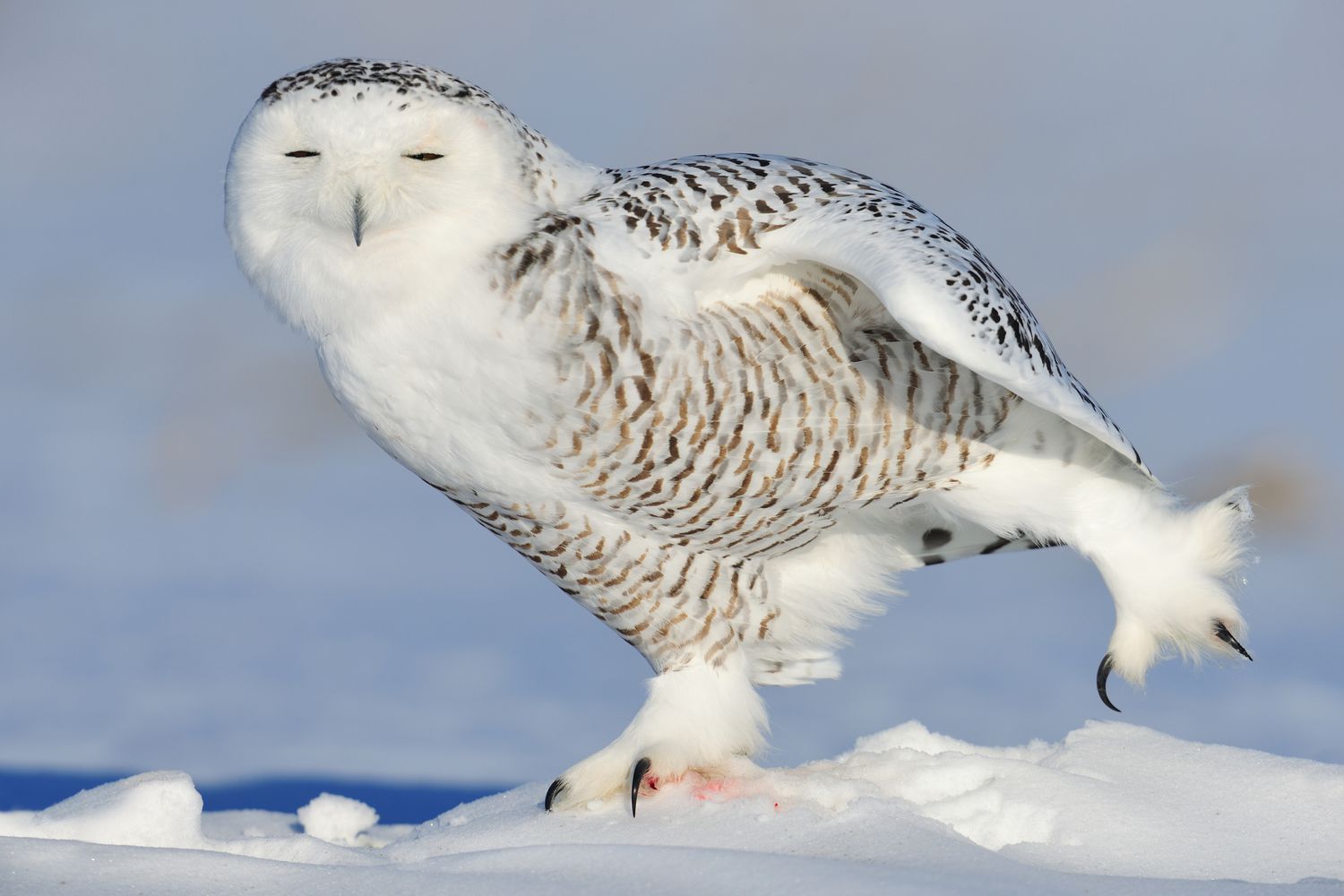
The Arctic tundra hums with a language older than human memory. Beneath the endless silver expanse of wind-carved snow, beneath the aurora’s electric shimmer, the snowy owl does not merely survive—it communicates, navigates, and negotiates a world in flux. For centuries, we have watched these silent sentinels of the north, mistaking their stillness for absence. But what if the owl’s true voice has been whispering all along, encoded not in feathers or flight, but in the very air it breathes? Bioacoustics—the science of sound in nature—is beginning to decode this language, revealing a story of climate stress that pulses through every call, every cry, every silence. This is not just a tale of birds and melting ice. It is a revelation of how sound, the most ephemeral of phenomena, can become a compass pointing toward ecological collapse—and, perhaps, toward resilience.
Snowy Owl Research in the Age of Climate Change: New Methods and Technologies
In the vast, windswept tundra where the Arctic whispers its secrets to those who dare listen, a silent predator glides with ethereal grace—the snowy owl. But as the planet’s thermostat climbs, these majestic birds face an existential reckoning. Climate change isn’t just altering their icy domain; it’s rewriting the rules of survival. Yet, where there’s peril, there’s also innovation. Researchers are deploying cutting-edge methods and technologies to unravel the snowy owl’s enigmatic life, offering a lifeline in an era of upheaval. From satellite-tracked feathery sentinels to AI-driven acoustic surveillance, the tools of the trade are evolving as rapidly as the climate itself. This is the story of how science is racing to keep pace with a warming world, one snowy owl at a time.
How Climate Models Are Informing Snowy Owl Conservation Strategies
The Arctic tundra, that vast and mercurial canvas of ice and wind, is no longer the silent witness it once was. Beneath its frozen veneer, a symphony of ecological shifts hums—a crescendo of melting permafrost, retreating sea ice, and disrupted migration patterns. At the heart of this transformation lies the snowy owl, a regal predator whose fate is inextricably woven into the threads of climate change. But how do we decipher the whispers of this unfolding drama? The answer lies in the alchemy of climate models, those intricate crystal balls that translate raw data into actionable insight. These models are not mere abstractions; they are the lifelines of conservation, the compass guiding us through the labyrinth of ecological uncertainty.
Snowy Owl Pellet Analysis: What Their Diet Reveals About Arctic Ecosystem Shifts
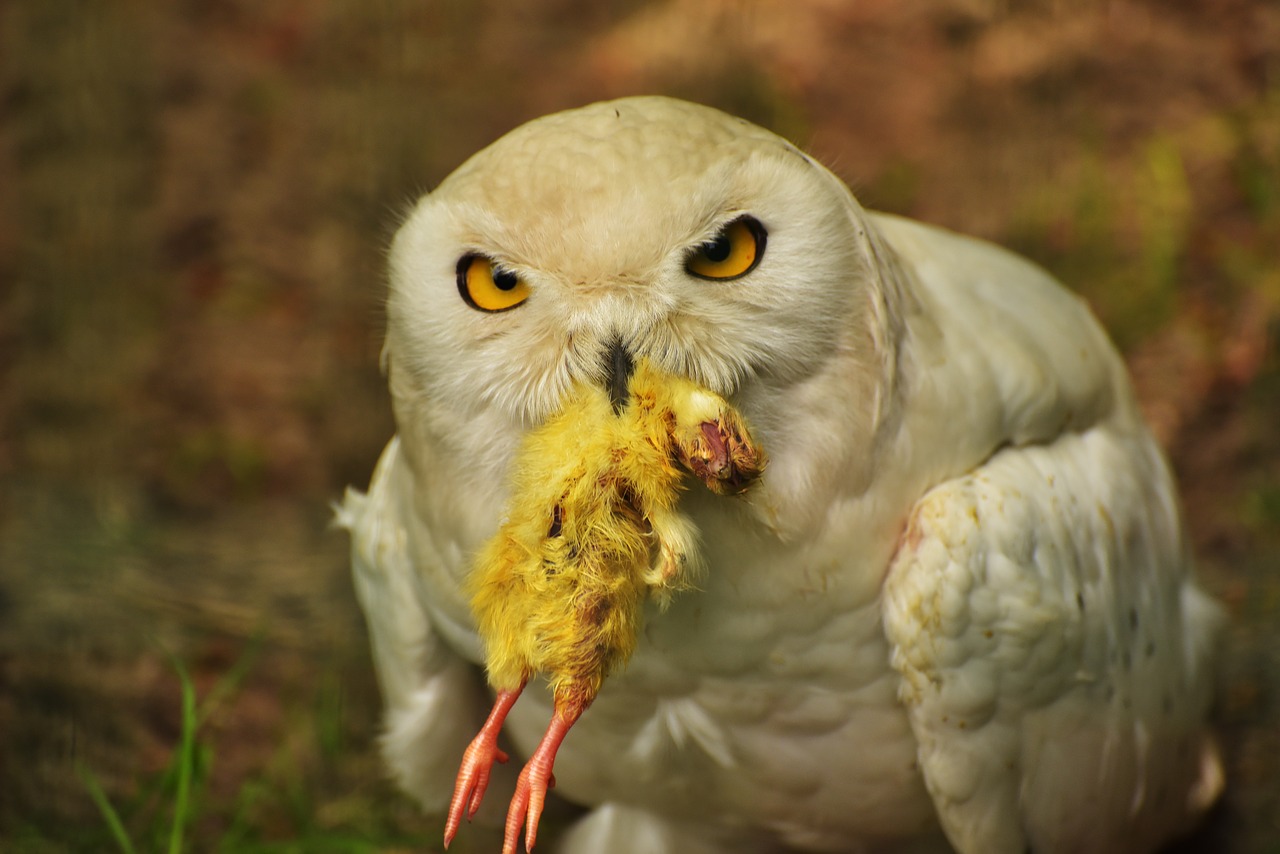
The Arctic tundra is a realm of stark beauty and relentless survival, where apex predators like the snowy owl (Bubo scandiacus) reign as silent sentinels of ecological balance. Beneath their piercing yellow eyes and feathery camouflage lies a hidden archive of the Arctic’s shifting food webs—one that can only be deciphered through the meticulous analysis of their regurgitated pellets. These undervalued biological artifacts, often dismissed as mere remnants of digestion, are in fact treasure troves of data, revealing not just the dietary habits of these magnificent birds but also the cascading impacts of climate change on an ecosystem teetering on the edge of transformation. By dissecting snowy owl pellets, scientists unlock narratives of prey abundance, habitat degradation, and the delicate interplay between predator and prey in one of Earth’s most fragile biomes. This exploration transcends ornithology; it is a feminist critique of human intervention in natural systems, exposing how our actions—from industrial emissions to land-use policies—reshape the lives of creatures that have evolved over millennia to thrive in ice and solitude.
How Climate Change Is Affecting Snowy Owl Vocalizations and Communication
The Arctic wind howls through the tundra, a symphony of ice and silence—until the sudden, piercing trill of a snowy owl cuts through the frozen air. These birds, clad in moonlit feathers, are not merely survivors of the harshest climates; they are the Arctic’s poets, their voices weaving stories of survival, adaptation, and the unraveling threads of a changing world. But as the planet warms, their once-familiar melodies are shifting, their calls growing fainter, their dialects dissolving into the cacophony of a disrupted ecosystem. Climate change is not just melting ice; it’s rewriting the language of the wild, and the snowy owl’s vocalizations are the most haunting testament to this silent revolution.
The Impact of Arctic Research Stations on Snowy Owl Studies
The Arctic, a realm of stark beauty and relentless extremes, has long captivated the human imagination. Yet beyond its icy veneer lies a crucible of scientific discovery, where researchers brave the elements to unravel the secrets of its most enigmatic inhabitants. Among these, the snowy owl stands as a symbol of resilience, a creature whose very existence seems to defy the harshness of its environment. The proliferation of Arctic research stations has not only expanded our understanding of this majestic bird but has also illuminated the intricate web of ecological relationships that sustain life in one of Earth’s most unforgiving landscapes.