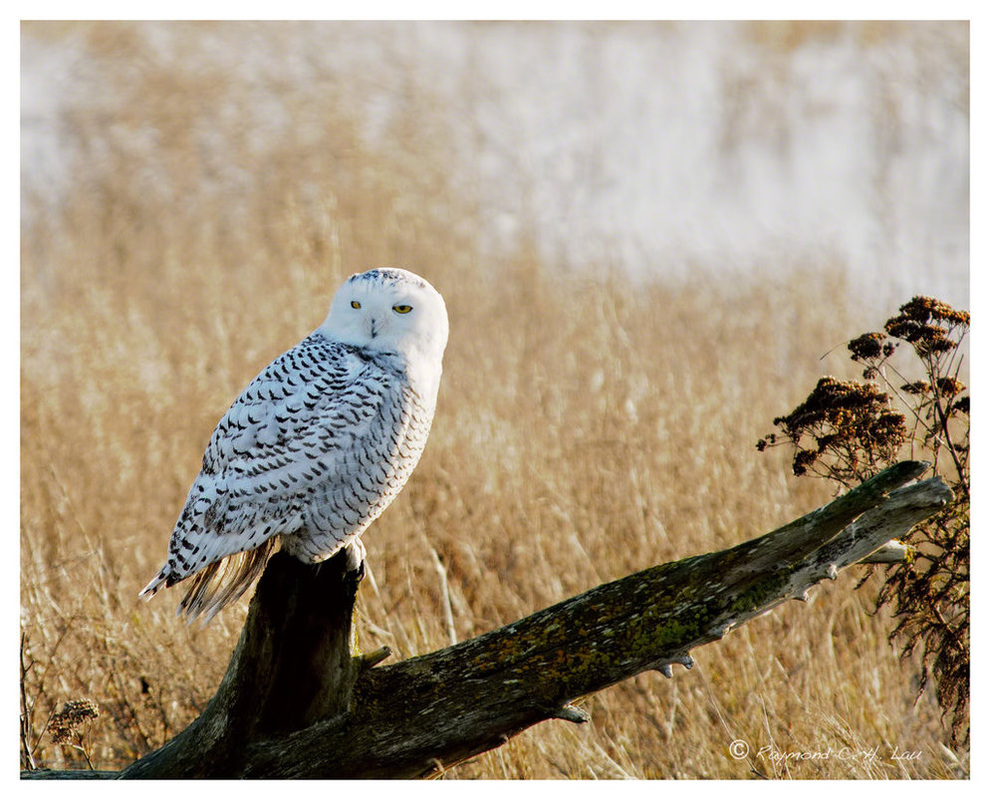
The Arctic tundra, a vast and windswept expanse, is home to one of nature’s most enigmatic creatures: the snowy owl. With its piercing golden eyes and snowy plumage, this apex predator embodies the wild, untamed spirit of the far north. Yet, as carbon offset programs proliferate across the globe, their impact on the fragile habitats of these magnificent birds remains a subject of both hope and scrutiny. Are these initiatives truly preserving the Arctic wilderness, or do they mask deeper ecological fissures? The answer lies not just in the numbers, but in the silent stories whispered by the tundra winds.
The Allure of Carbon Offsets: A Double-Edged Sword for the Arctic
Carbon offset programs have emerged as a modern-day alchemy—transforming corporate guilt into environmental salvation. For the snowy owl, whose habitat is increasingly besieged by climate change, these programs offer a lifeline. Yet, their efficacy is as slippery as Arctic ice in spring. Offsets often rely on reforestation or renewable energy projects, which, while beneficial, rarely address the immediate threats to the tundra ecosystem. The owl does not care if a distant forest is planted; it needs the undisturbed, open landscapes of its ancestral home. The disconnect between global carbon mitigation and local habitat preservation reveals a fundamental flaw: offsets are a palliative, not a cure.
Consider the irony. A company in a bustling metropolis funds a tree-planting initiative in the tropics while its own industrial activities erode the Arctic permafrost. The snowy owl, a creature of the high north, bears the brunt of these distant decisions. Its habitat is not just a carbon sink—it is a living, breathing entity, intricately woven with the rhythms of migration, predation, and survival. When offsets fail to prioritize the preservation of such ecosystems, they become little more than a transactional sleight of hand, trading long-term ecological integrity for short-term corporate appeasement.
The Tundra’s Fragile Equilibrium: How Offsets Disrupt the Balance
The Arctic tundra is a masterclass in resilience, yet its equilibrium is as delicate as a spider’s web. Snowy owls, apex predators in this frozen realm, rely on a delicate balance of lemmings, vegetation, and seasonal cycles. Carbon offset programs, however, often introduce external variables that can destabilize this equilibrium. For instance, large-scale renewable energy projects—while reducing carbon emissions—may fragment habitats or alter local microclimates. A wind farm in the Arctic, though seemingly benign, could disrupt the owl’s hunting grounds, forcing it to expend vital energy navigating obstacles rather than securing prey.
Moreover, the financial incentives driving offset programs can lead to a phenomenon known as “greenwashing,” where corporations prioritize cost-effective offsets over meaningful conservation. The result? A patchwork of protected areas that, while technically compliant with offset requirements, fail to safeguard the ecological connectivity essential for species like the snowy owl. These birds do not recognize human-drawn boundaries; they follow the ancient paths of migration, seeking out the same nesting grounds year after year. When offsets fragment these paths, the consequences are not merely ecological—they are existential.
The Human Footprint: Offsets and the Unseen Costs of Progress
Behind every carbon offset lies a human footprint—one that stretches far beyond the Arctic’s horizon. The snowy owl, a creature of myth and legend, has long captivated the human imagination. Yet, our fascination with this bird often blinds us to the broader implications of our actions. Carbon offset programs, while well-intentioned, can perpetuate a cycle of exploitation. Indigenous communities, whose traditional lands overlap with critical owl habitats, are frequently sidelined in offset planning. Their knowledge of the land, honed over generations, is dismissed in favor of top-down conservation strategies that prioritize carbon accounting over cultural and ecological integrity.
Consider the irony: a program designed to mitigate climate change may inadvertently disenfranchise the very people who have safeguarded the Arctic for millennia. The snowy owl, a symbol of wildness and freedom, becomes a pawn in a global game of carbon credits. Its survival is no longer about preserving a natural wonder—it is about meeting corporate targets. The deeper tragedy is that these programs often fail to address the root causes of habitat loss: unchecked industrialization, fossil fuel dependence, and a global economy that treats nature as a commodity.
Beyond Offsets: A Call for Holistic Conservation
If carbon offsets are a bandage, then true habitat preservation demands surgery. The snowy owl’s future hinges on a shift from transactional conservation to transformative action. This means prioritizing the protection of intact ecosystems, not just carbon-storing landscapes. It means centering Indigenous leadership in conservation efforts, ensuring that the voices of those who have lived in harmony with the Arctic for generations are heard. It means reimagining our relationship with the natural world—not as conquerors, but as stewards.
There is a poetic justice in this. The snowy owl, a creature of the wild, has much to teach us about resilience and adaptability. Its survival depends not on our ability to offset our sins, but on our willingness to confront them. The Arctic is not a resource to be managed; it is a sanctuary to be revered. And if we are to ensure that the golden eyes of the snowy owl continue to gleam in the polar twilight, we must do more than plant trees—we must nurture the land itself.
The Future of the Snowy Owl: A Litmus Test for Our Values
The plight of the snowy owl is a litmus test for our collective values. Will we continue to chase the illusion of progress through carbon offsets, or will we embrace a future where conservation is not a transaction, but a sacred duty? The Arctic does not need our pity—it needs our respect. The snowy owl does not need our charity—it needs our humility. As the tundra thaws and the ice recedes, the fate of this magnificent bird will reflect our own. Will we be remembered as the generation that turned away, or the one that finally listened to the whispers of the wind?