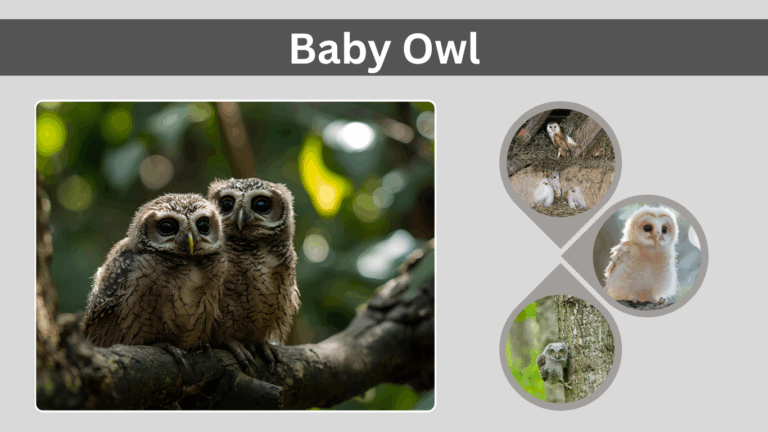
In the frozen expanse where the Arctic tundra meets the encroaching whispers of a warming world, the snowy owl stands as both sentinel and survivor. Once a silent observer of an unchanging landscape, this majestic predator now faces a diet in flux—a shifting buffet dictated not by the ancient rhythms of nature, but by the relentless march of climate change. To unravel this dietary enigma, scientists turn to a powerful tool: isotope analysis. This method, a blend of chemistry and ecology, offers a window into the owl’s meals, revealing not just what it eats, but how its sustenance is being rewritten by a planet in turmoil.
The Alchemy of Isotopes: Decoding the Owl’s Menu Through Time
Isotope analysis operates on a principle as elegant as it is precise: the chemical signatures of an animal’s diet are imprinted within its tissues. Stable isotopes—non-radioactive variants of elements like carbon (¹³C) and nitrogen (¹⁵N)—serve as silent messengers, carrying clues about the owl’s prey. Carbon isotopes, for instance, betray the origin of an animal’s sustenance—whether it feasted on terrestrial rodents or marine-adapted lemmings. Nitrogen isotopes, meanwhile, act as a trophic ladder, marking the owl’s position in the food web. By examining feathers, bones, or even eggshells, researchers can reconstruct a dietary timeline, stretching back decades or even centuries. This alchemy of isotopes transforms the owl’s diet from a mystery into a measurable narrative, one where every meal leaves a trace.
From Lemmings to Lichen: The Arctic Food Web in Flux
The snowy owl’s traditional banquet is a study in Arctic efficiency: lemmings, voles, and other small mammals form the backbone of its diet, their populations oscillating in a predator-prey dance as old as the tundra itself. But as temperatures rise and snow patterns warp, this dance falters. Warmer winters bring rain instead of snow, encasing the ground in a treacherous crust that burrowing rodents cannot penetrate. The lemmings vanish. In their place, the owl’s menu diversifies—waterfowl, fish, and even carrion become necessary supplements. Isotope analysis captures this shift with striking clarity. A sudden spike in δ¹⁵N values in an owl’s feathers may signal a diet richer in higher-trophic-level prey, while changes in δ¹³C can indicate a move toward marine or aquatic resources. The Arctic food web, once a closed loop, is now a tangled skein of adaptations and desperations.
The Silent Witness: How Feathers and Bones Tell a Story
Feathers are more than mere adornments; they are archives of an owl’s life. As they grow, feathers incorporate the isotopic signatures of the owl’s diet, creating a chronological record of its meals. Scientists pluck a single feather and, with the precision of a historian, read its chemical hieroglyphs. A feather grown in winter might reveal a diet dominated by lemmings, while one molted in summer could tell a tale of seabirds and fish. Bones, too, hold secrets. The collagen within them preserves isotopic ratios for years, offering a longitudinal study of dietary habits. Even eggshells, often overlooked, can provide insights—each shell a snapshot of the mother’s nutritional intake during the critical period of egg formation. Together, these biological artifacts paint a portrait of an owl adapting, or failing to adapt, to a world that no longer behaves as it once did.
Climate as the Invisible Puppeteer: Shifting Seasons and Dietary Shifts
The Arctic’s seasons are no longer the predictable cadence they once were. Earlier thaws, delayed freezes, and erratic precipitation patterns disrupt the delicate balance of the food web. For the snowy owl, this means a diet that must constantly recalibrate. Isotope analysis reveals these recalibrations in stark detail. In years of abundant lemmings, δ¹⁵N values remain low, reflecting a diet rich in primary consumers. But in lean years, when lemmings are scarce, the owl’s nitrogen isotope ratios climb, betraying a shift toward secondary or tertiary prey. The owl’s ability—or inability—to pivot its diet becomes a litmus test for the resilience of Arctic ecosystems. Some individuals thrive, their isotopic signatures fluctuating with the seasons. Others falter, their chemical records a grim testament to starvation or forced migration.
The Human Hand in the Owl’s Diet: Pollution, Overfishing, and Indirect Impacts
Climate change is not the only disruptor of the snowy owl’s diet. Human activities cast long shadows across the Arctic, altering the very fabric of the food web. Overfishing depletes fish stocks, forcing owls to scavenge or starve. Industrial pollution introduces heavy metals and toxins that accumulate in prey, subtly poisoning the owl’s meals. Agricultural runoff, even from distant latitudes, can fertilize Arctic waters, leading to algal blooms that disrupt the base of the food chain. Isotope analysis can trace these human fingerprints. Elevated δ¹⁵N values might indicate a diet contaminated by agricultural fertilizers, while unusual carbon signatures could point to prey affected by oil spills or other industrial pollutants. The owl, once a symbol of wild purity, becomes an unwitting barometer of humanity’s impact on the planet.
Conservation in the Age of Isotopes: From Data to Action
The insights gleaned from isotope analysis are not merely academic—they are a call to action. By understanding how climate shifts reshape the snowy owl’s diet, conservationists can identify critical habitats, advocate for protected areas, and mitigate human impacts. Isotope data can guide the creation of supplemental feeding programs in lean years or highlight the need for stricter regulations on Arctic fishing. It can also inform broader climate policies, underscoring the interconnectedness of ecosystems and the urgent need for global cooperation. The snowy owl, with its silent, watchful gaze, becomes a messenger—a living testament to the fragility of life in a changing world. Its diet, once a matter of ecological curiosity, is now a clarion call for conservation in the Anthropocene.
The Future of the Snowy Owl: A Dietary Odyssey in a Warming World
The snowy owl’s story is far from over. As the Arctic continues to warm, its diet will remain a dynamic, ever-shifting narrative. Some populations may adapt, their isotopic signatures reflecting a newfound flexibility. Others may face extinction, their chemical records fading into the annals of history. Isotope analysis offers a glimpse into this uncertain future, allowing scientists to model potential outcomes and prepare accordingly. Yet, the ultimate fate of the snowy owl hinges on more than data—it depends on the choices we make today. Will we act to slow the march of climate change? Will we protect the habitats that sustain the Arctic’s web of life? The answers lie not just in the isotopes of feathers and bones, but in the actions of humanity itself. The owl’s diet is a story of survival, but it is also a story of our collective responsibility to the planet we share.