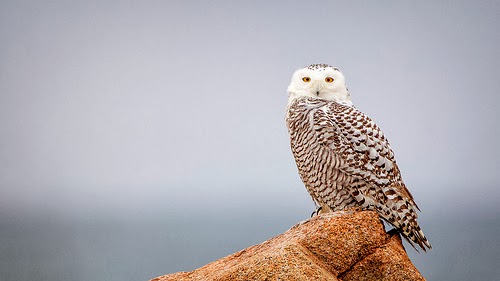
There is a certain magnetism to the snowy owl’s presence on the frigid arctic landscapes—a majestic silhouette against endless expanses of ice and tundra. Observers are often captivated not only by their striking white plumage and piercing gaze but by the intricate dance that unfolds between predator and prey. At the heart of this relationship lies a small yet profoundly significant animal: the lemming. These tiny rodents are far more than mere components of the polar ecosystem; they are integral to the snowy owl’s very existence. Exploring the role of lemmings in the snowy owl’s survival unveils a fascinating narrative of ecological interdependence, adaptation, and the raw rhythms of survival in one of Earth’s harshest environments.
Lemmings: The Keystone Prey of the Arctic Tundra
Often overlooked due to their diminutive size, lemmings are in truth keystone species within the arctic ecosystem. Their populations experience dramatic fluctuations, sometimes erupting in explosive booms followed by precipitous declines. This cyclical dynamic is more than ecological trivia—it shapes the fortunes of numerous predators, perhaps none more intimately than the snowy owl. The lemming’s prolific breeding and availability during peak seasons make it an indispensable trophic resource. Their abundance determines feeding success and, consequently, reproductive outcomes for the snowy owls. Without lemmings, these great white raptors would struggle to find sustenance sufficient to fuel their intense breeding efforts amidst the relentless cold.
The Snowy Owl’s Dependence on Lemming Populations
Snowy owls are extraordinary hunters, perfectly attuned to seize the opportunity when prey becomes plentiful. Their foraging behavior is finely tuned to the ebb and flow of lemming abundance. In years of lemming proliferation, snowy owls nest in greater numbers, exhibit higher breeding success, and engage in more vigorous parental care. The lemming surge is essentially the biological green light that ignites the snowy owl’s reproductive cycle. Conversely, in lean times marked by lemming scarcity, these owls may abandon breeding endeavors altogether or disperse over wider territories in search of food, exhibiting an adaptability born of necessity.
Predatory Strategies: A Symphony of Patience and Precision
The snowy owl’s hunting techniques embody a remarkable blend of patience, stealth, and acute sensory perception. With eyes sharp enough to discern subtle movements beneath the snow’s veil, they lie in wait for the perfect moment to strike. The lemming’s own behaviors—burrowing under snow and darting across the tundra—demand that the owl adapt its tactics. Seasonal changes in snow cover and lemming activity influence hunting methods, with owls sometimes resorting to rapid dives and precise strikes that seem almost choreographed. This predator-prey interplay is not random but a finely tuned coevolutionary ballet that underscores the intricate dependence between species.
Influence of Lemming Cycles on Snowy Owl Migration and Distribution
The cyclical abundance of lemmings reverberates beyond mere feeding patterns; it also dictates snowy owl dispersal and migratory behavior. In years of lemming scarcity, snowy owls often embark on irruptive migrations to southern latitudes, surprising bird watchers and ecologists. These movements reflect both desperation and opportunism—searching for alternative food sources and viable habitats. Conversely, when lemmings abound, snowy owls remain loyal to their arctic breeding grounds. Thus, the fluctuation of lemming populations serves as a barometer for the movements of these enigmatic birds, weaving lemming ecology intimately into the fabric of snowy owl biogeography.
Impacts on Reproductive Success and Population Dynamics
Reproductive viability in snowy owls hinges on more than just physical endurance; it is profoundly influenced by the availability of energy-rich prey like lemmings. When food is plentiful, females can produce larger clutches of eggs, and chicks grow robustly, increasing survival rates. This fecundity, fueled by the influx of lemmings, can lead to population booms in snowy owls. The influence of these prey surges cascades through generations, imprinting cyclic patterns on owl population dynamics. Understanding this relationship is critical for conservation, as disruptions to lemming cycles—whether from climate change or human activity—may ripple devastatingly through predator populations.
Ecological Implications of the Lemming-Snowy Owl Relationship
The interdependence between snowy owls and lemmings extends beyond predator and prey, creating a broader ecological narrative. Lemming population fluctuations influence the tundra vegetation, as their foraging shapes plant communities, which in turn affect habitat quality for many species. The snowy owl, as a top predator, helps regulate lemming numbers, maintaining ecosystem balance. This dynamic interplay exemplifies the fragile equilibrium within arctic ecosystems, where changes to one species reverberate unpredictably across trophic levels. It invites reflection on the delicate harmony of these northern landscapes—balance constantly negotiated through the cycles of survival.
Why the Fascination? A Reflection on Human Connection to Wild Rhythms
Observers are drawn to snowy owls not only because of their haunting beauty but due to the story their existence tells—a story pulsing with survival, adaptation, and the invisible threads connecting life in extreme environments. The seemingly small lemming, often dismissed as insignificant, emerges as a linchpin in this narrative. This dynamic creates a poignant reminder of nature’s interconnectedness—a reminder that fascination with the snowy owl is also fascination with the intricate dependencies underpinning life. Witnessing this predator-prey relationship is an invitation to contemplate resilience, interdependence, and the subtle complexities that define wild existence.