What if a single tweet could save a species from the brink of extinction? Social media, that double-edged sword of modern communication, has become an unlikely ally in the fight to protect some of nature’s most enigmatic creatures—owls. These silent sentinels of the night, with their piercing gaze and feathered mystique, have long captivated human imagination. Yet, their survival is increasingly threatened by habitat loss, climate change, and human encroachment. Enter the digital age, where platforms like Instagram, Twitter, and TikTok are transforming owl conservation from a niche endeavor into a global movement. But can a viral post truly make a difference, or does the ephemeral nature of online engagement risk trivializing the very causes it seeks to champion?
The Viral Wingbeat: How Social Media Amplifies Owl Conservation
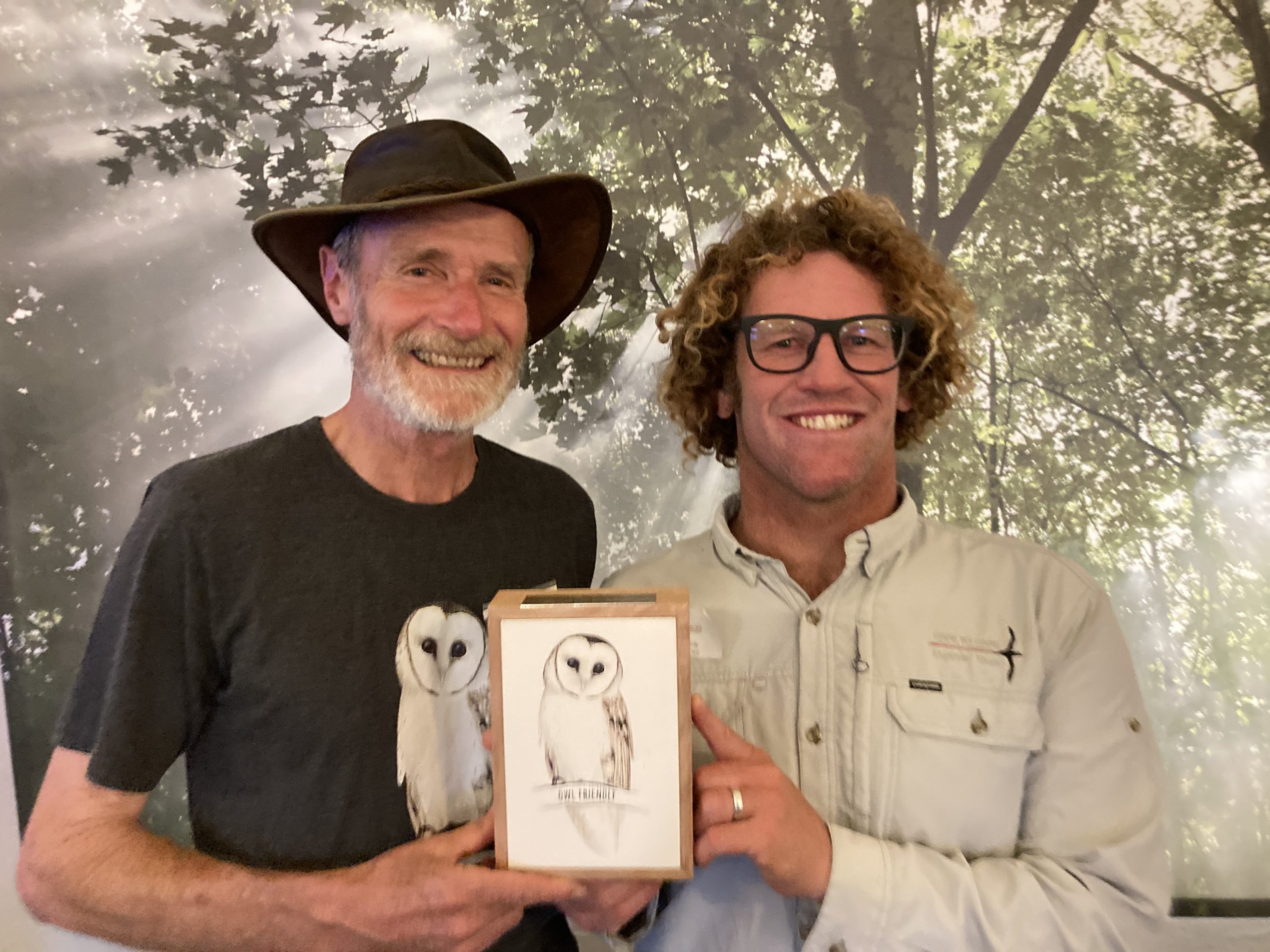
Social media has democratized conservation, turning every smartphone into a potential tool for change. A striking image of an owl, like the one shared by Cape to Cape Explorer Tours, can travel across continents in seconds, evoking awe and empathy in viewers who might never encounter the bird in the wild. Platforms like Instagram thrive on visual storytelling, and owls—with their photogenic plumage and nocturnal allure—are tailor-made for the medium. Conservationists leverage this by sharing educational content, behind-the-scenes footage of rehabilitation efforts, and even live streams of nesting sites, creating a digital habitat where owls are not just symbols but subjects of active protection.
The ripple effect is undeniable. A single post can spark a chain reaction: a viral hashtag (#SaveTheOwls) might trend globally, drawing attention from policymakers, donors, and fellow conservationists. Nonprofits like the World Owl Trust and the Barn Owl Trust have seen their follower counts swell, translating into increased funding and volunteer sign-ups. Even memes and viral challenges, like the “Owl vs. [Insert Threat]” trend, have subtly educated millions about the challenges these birds face. The key lies in turning passive scrolling into active participation—a challenge that demands both creativity and strategy.
The Double-Edged Talon: Challenges of Digital Conservation
Yet, for all its potential, social media is a fickle ally. The same platforms that amplify conservation messages can also distort them. A viral post might raise awareness, but it risks reducing complex ecological issues to bite-sized, shareable content. The plight of an owl losing its habitat to deforestation can’t be captured in a 15-second clip, no matter how poignant the imagery. This oversimplification can lead to “slacktivism”—a phenomenon where users feel they’ve done their part by liking or sharing a post, without taking meaningful action.
Worse still, misinformation can spread like wildfire. A well-intentioned but inaccurate post about owl diets or migration patterns can mislead the public, undermining genuine conservation efforts. The challenge for conservationists is to strike a balance: harnessing the power of social media while ensuring that the message remains accurate, nuanced, and actionable. It’s a tightrope walk between engagement and education, where every character counts and every image must tell a story worth remembering.
From Pixels to Policy: The Tangible Impact of Online Activism
The proof of social media’s impact lies in the tangible outcomes it has driven. In 2020, a campaign led by the #OwlWatch initiative on Twitter resulted in the protection of a critical nesting site in the UK, after thousands of users tagged their local representatives in posts highlighting the threat of urban development. Similarly, crowdfunding campaigns for owl sanctuaries have flourished on platforms like GoFundMe, fueled by the emotional connection fostered through social media. Even corporate partnerships have emerged, with brands like Patagonia and National Geographic collaborating with influencers to promote owl conservation as part of broader biodiversity initiatives.
But the most compelling examples come from grassroots movements. In India, where the Indian Eagle Owl faces persecution due to superstitions, local conservationists have used WhatsApp groups and Facebook pages to debunk myths and organize community patrols. The result? A measurable decline in owl-related incidents in regions where these digital networks are most active. These stories prove that social media isn’t just a megaphone—it’s a catalyst for real-world change, provided it’s wielded with intention and integrity.
The Human-Owl Connection: Why We Care (And How to Keep Caring)
At its core, the relationship between humans and owls is one of mutual fascination. Owls embody mystery, wisdom, and a connection to the wild that modern life often erases. Social media taps into this emotional well, but it also risks commodifying that connection. When an owl’s image is repurposed for likes without context, the bird becomes a prop rather than a living creature deserving of protection. The challenge for conservationists is to foster a deeper, more enduring bond between people and owls—one that transcends the fleeting thrill of a viral post.
This means creating content that doesn’t just stop at beauty or cuteness but delves into the science of owl ecology, the threats they face, and the small actions individuals can take to help. It means encouraging users to follow through with donations, volunteering, or even adopting owl-friendly practices in their own backyards. The goal isn’t just to make owls famous; it’s to make them matter. And that requires a shift from passive consumption to active stewardship—a journey that begins with a single click but doesn’t end there.
The Future of Feathered Fame: Where Do We Go From Here?
The next frontier in owl conservation lies in the integration of technology and storytelling. Augmented reality (AR) could allow users to “meet” owls in their natural habitats via their phones, while blockchain-based platforms might track conservation donations in real time, ensuring transparency. Meanwhile, the rise of short-form video content presents both an opportunity and a threat: will owls become the next “panda of the internet,” or will their conservation be reduced to a fleeting trend?
The answer lies in our hands—or rather, in our feeds. Social media has given owls a voice, but it’s up to us to ensure that voice isn’t drowned out by the noise of the digital age. The challenge is clear: to use these platforms not just to admire owls, but to advocate for them. To turn every like into a lifeline, every share into a shield, and every viral moment into a movement. Because in the end, the fate of these nocturnal guardians shouldn’t depend on algorithms or trends. It should depend on us.