Few creatures evoke the quiet awe and enigmatic allure quite like owls. Their ghostly silhouettes against moonlit skies and silent, deliberate flight have captivated human imagination for centuries. Yet, beyond their nocturnal mystique lies an intricate tapestry of ecological adaptation and geographical distribution that is as profound as it is fascinating. Understanding where owls dwell and why they traverse the landscapes they do unravels a deeper narrative—one that binds biology, geography, and the rhythms of the natural world in an exquisite dance of survival and mystery.
How Climate Models Are Predicting the Future of Spotted Owls in the Pacific Northwest
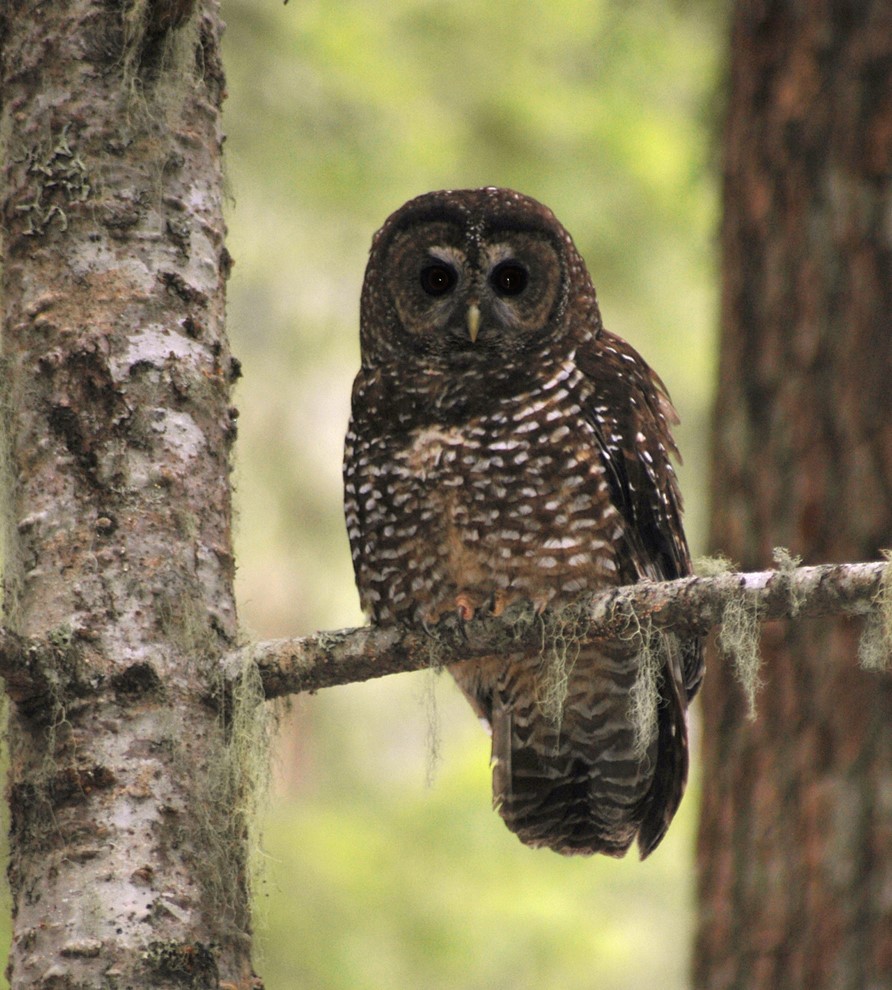
The Pacific Northwest’s emerald forests, where mist clings to ancient conifers like a lover’s embrace, are home to one of the most enigmatic creatures of the wild: the Northern Spotted Owl. This raptor, with its dark eyes that seem to hold the secrets of the old-growth canopy, has become an unlikely symbol of the climate crisis. As the world’s thermostat climbs, these birds face a future as uncertain as the shifting seasons. But what if the models predicting their fate could also illuminate a path forward—not just for them, but for the ecosystems they anchor? Climate models, those intricate digital orreries of wind, temperature, and precipitation, are now mapping the Spotted Owl’s potential trajectory with a precision that borders on prophecy. Yet, these predictions are more than cold calculations; they are a clarion call to rethink our relationship with the land, the sky, and the creatures that call it home.
How Owls Are Influencing Ecosystem Stability: Their Role in Maintaining Balance
The night whispers secrets to those who dare to listen. Among the most enigmatic of these nocturnal messengers are the owls—winged sentinels whose presence weaves an invisible tapestry across the fabric of ecosystems. These silent hunters, cloaked in feathers of dusk and dawn, are not mere predators; they are architects of equilibrium, sculptors of stability, and unsung guardians of biodiversity. Their influence stretches far beyond the branches they perch upon, cascading through food webs like ripples in a moonlit pond. To understand the depth of their impact is to peer into the delicate machinery of nature, where every creature, no matter how small, plays a role in the grand symphony of survival.
The Owl in Egyptian Mythology: Associated with the Afterlife and Protection

The owl, a creature of nocturnal wisdom and silent vigilance, has long been a symbol of profound duality in human imagination. In the cradle of civilization—Egypt—this enigmatic bird transcended mere ornithological fascination to become a celestial envoy, a guardian of thresholds, and a whisperer of eternal truths. Far from the clichéd portrayal of owls as mere harbingers of doom, Egyptian mythology cast them as luminous intermediaries between the living and the dead, between chaos and order, between the seen and the unseen. To explore the owl’s role in this ancient pantheon is to step into a world where every hoot echoes with cosmic significance and every feathered silhouette on a temple wall pulses with divine intent.
Illegal Wildlife Trade: The Black Market for Owls and Other Raptors
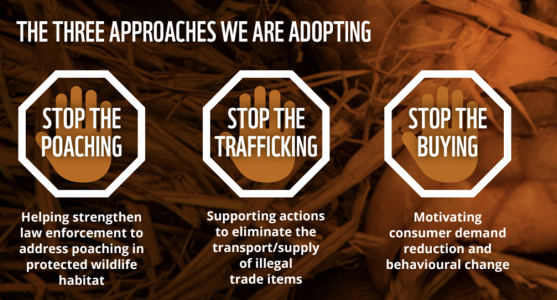
The shadowy underbelly of global commerce thrives not only in the trade of drugs, arms, or counterfeit goods—but in the clandestine exchange of living creatures. Among the most haunting of these black markets is the illegal wildlife trade, a multi-billion-dollar industry that preys on the vulnerability of nature’s most majestic predators: raptors. Owls, eagles, hawks, and falcons are not merely birds; they are apex hunters, sentinels of the sky, and guardians of ecological balance. Yet, they are being plucked from their habitats, smuggled across borders, and sold to collectors, private menageries, or even as exotic pets in a trade that thrives on cruelty and greed. This is the hidden world of raptor trafficking—a world where silence is bought with blood, and freedom is traded for profit.
The Role of Dams in Owl Habitat Fragmentation
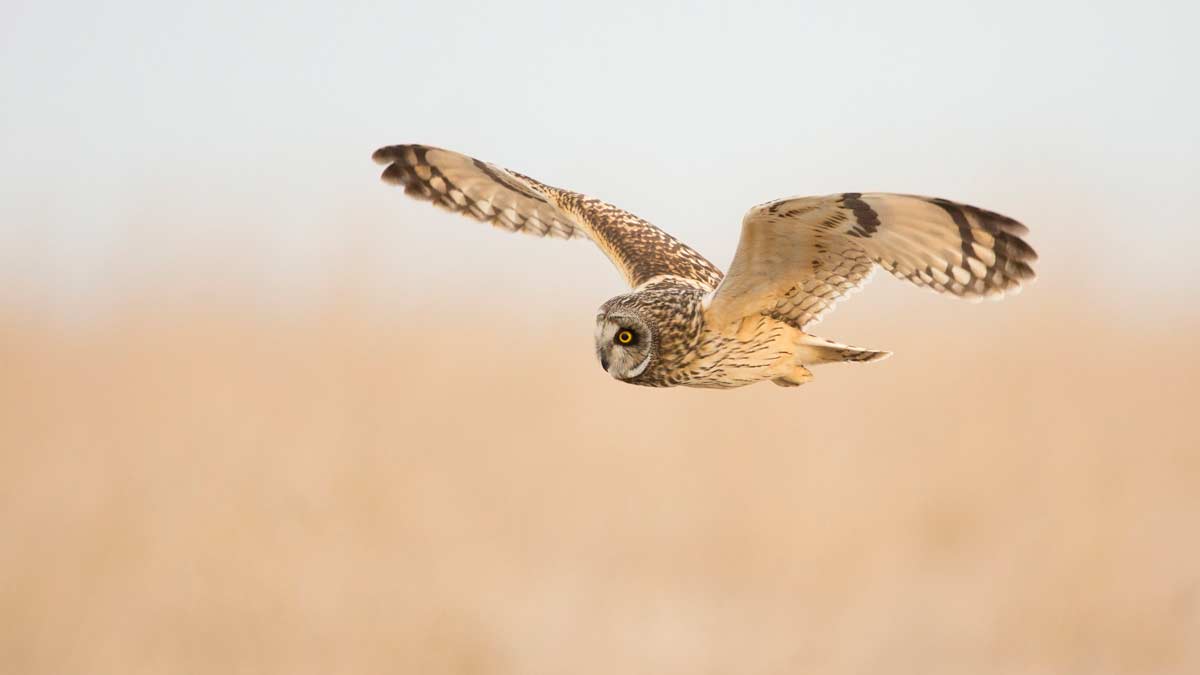
The sight of a short-eared owl gliding low over a marshy expanse at dusk is a spectacle that stirs the soul. Its silent wings carve arcs through the twilight, a fleeting silhouette against the fading light. Yet, this image—once common across vast wetland networks—has grown increasingly rare. The culprit? Habitat fragmentation, a silent architect of ecological upheaval, and at its heart, the unassuming yet transformative dam.
Owls and Disease Regulation: How They Help Control Pathogens in Wildlife
The night whispers secrets through rustling leaves and the occasional hoot of a distant owl. These birds, often shrouded in myth and folklore, are far more than mere harbingers of wisdom or omens of doom. They are silent sentinels of the ecosystem, their presence a delicate balance between predator and pathogen regulator. In the intricate dance of wildlife, owls play a pivotal role—one that extends beyond their predatory prowess. They are unsung heroes in the fight against disease, their ecological contributions a testament to nature’s ingenuity. To dismiss them as mere nighttime hunters is to overlook their profound impact on the health of ecosystems worldwide.
How Camera Traps Are Capturing Snowy Owl Behavior
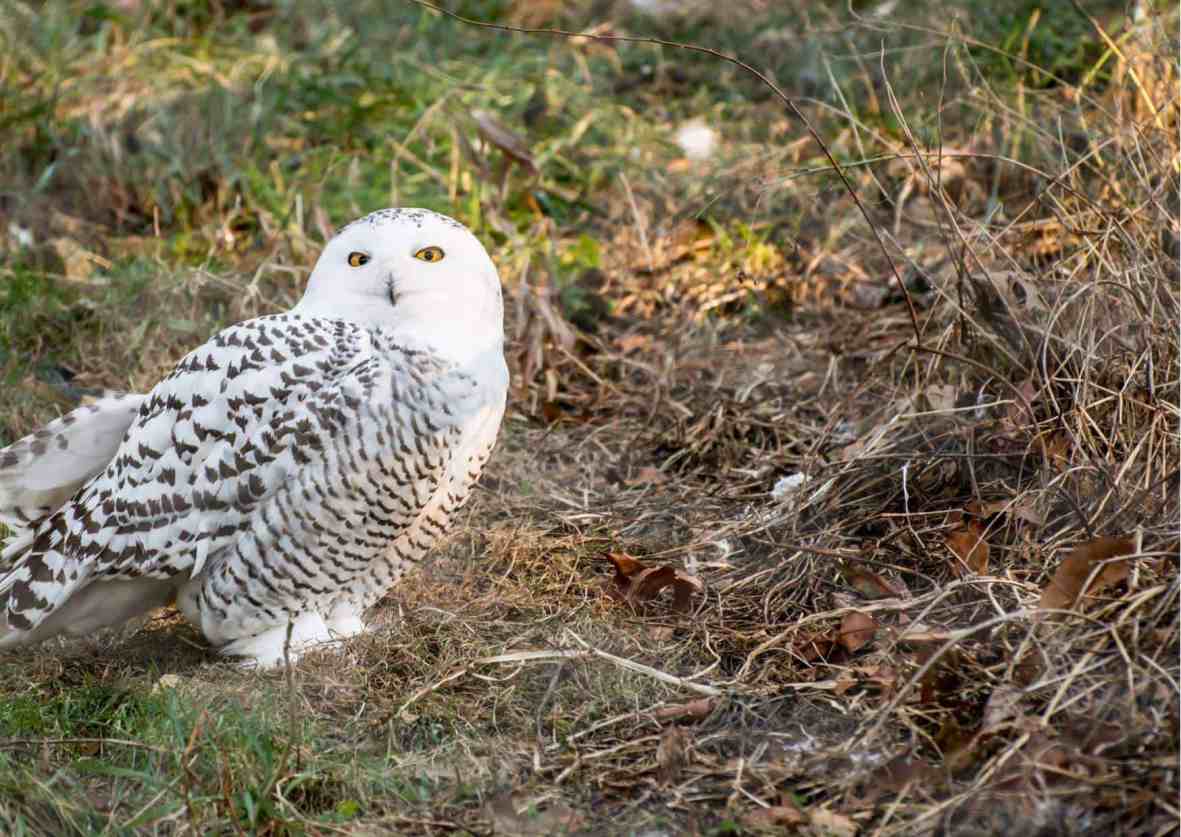
The elusive snowy owl, with its ghostly white plumage and piercing yellow eyes, has captivated human imagination for generations. These majestic birds, often associated with the frosty expanses of the Arctic tundra, harbor secrets of behavior and survival that remain largely veiled due to their remote habitats and crepuscular activity. However, in the intersection of wildlife biology and technological advancement, camera traps have emerged as silent sentinels, promising a transformative shift in how we perceive and understand these enigmatic creatures. Through unobtrusive and persistent observation, camera traps unveil intimate glimpses into the snowy owl’s life—moments previously lost to time and distance, now immortalized in vivid, candid frames.
The Role of Snowy Owls as Climate Change Indicators
The sight of a Snowy Owl perched silently against a stark white tundra or soaring with ghostly grace across a fading winter sky fascinates many. These creatures evoke a sense of mystique, as if they embody the spirit of the Arctic itself. Yet beyond their ethereal beauty lies a profound ecological narrative. Snowy Owls have quietly become emblematic indicators of the rapidly shifting climate—a living testament to transformations within some of the planet’s most vulnerable regions. What is it about these magnificent birds that draws our gaze, and how do they help unveil the subtle, and sometimes stark, realities of climate change?
The Impact of Owls on Fungal Communities: Their Role in Nutrient Cycling
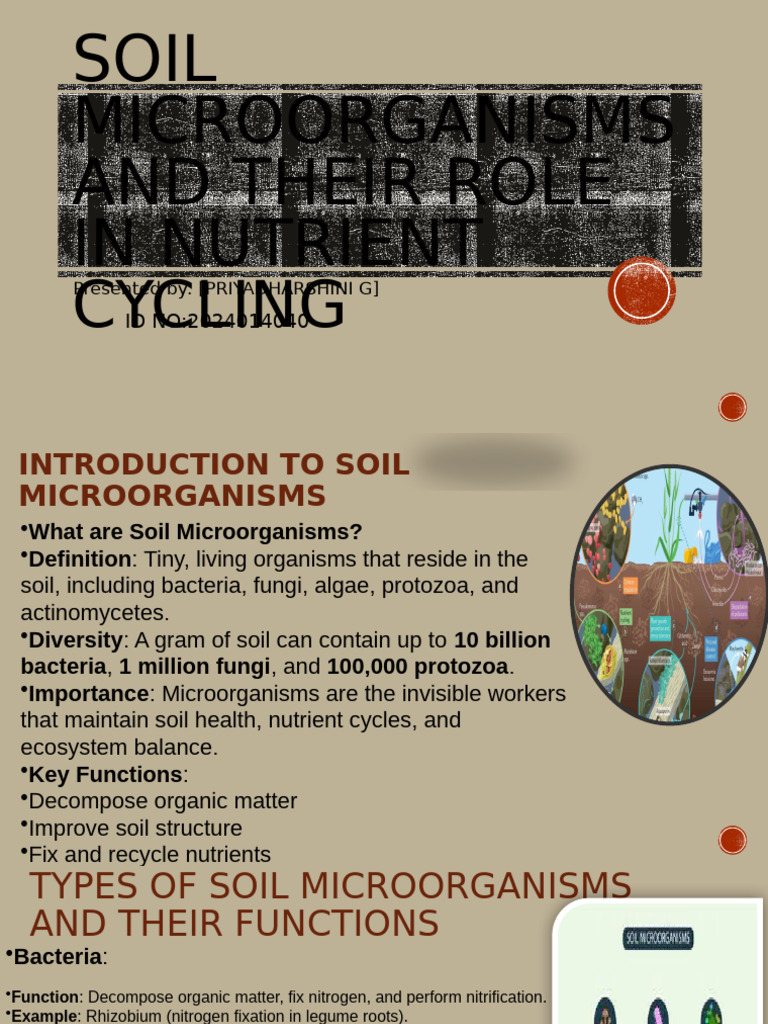
The forest hums with a quiet, ancient rhythm—one where the silent flight of an owl cuts through the night like a blade through silk. These nocturnal sentinels are not merely hunters of mice and voles; they are unsung architects of the soil’s hidden world, where fungi weave their mycelial tapestries and nutrients pirouette through the darkness. The relationship between owls and fungal communities is a dance of predation and symbiosis, a biological waltz where each step reshapes the earth beneath our feet. To understand this interplay is to peer into the mycorrhizal underworld, where the owl’s role is as vital as it is overlooked.