The shadowy underbelly of global commerce thrives not only in the trade of drugs, arms, or counterfeit goods—but in the clandestine exchange of living creatures. Among the most haunting of these black markets is the illegal wildlife trade, a multi-billion-dollar industry that preys on the vulnerability of nature’s most majestic predators: raptors. Owls, eagles, hawks, and falcons are not merely birds; they are apex hunters, sentinels of the sky, and guardians of ecological balance. Yet, they are being plucked from their habitats, smuggled across borders, and sold to collectors, private menageries, or even as exotic pets in a trade that thrives on cruelty and greed. This is the hidden world of raptor trafficking—a world where silence is bought with blood, and freedom is traded for profit.
The Raptor Trade: A Spectrum of Exploitation
The illegal wildlife trade in raptors is not a monolith; it is a fragmented, opportunistic network that exploits every possible loophole. At its core, the trade operates through three primary channels: the pet trade, the falconry industry, and the black-market demand for rare specimens. Owls, with their enigmatic gaze and nocturnal mystique, are particularly coveted. Species like the Eurasian Eagle-Owl or the Spectacled Owl are prized for their striking appearance, often fetching exorbitant prices in underground auctions or private sales. But the trade extends far beyond owls. Eagles, with their regal bearing, are trapped and sold to wealthy collectors in the Middle East, where falconry is a cultural status symbol. Meanwhile, hawks and falcons are smuggled into Europe and North America, where they are either kept as exotic pets or used in illegal racing circuits.
The methods of capture are as brutal as they are ingenious. Trappers use everything from mist nets and limesticks to decoy calls that lure birds into traps. Some raptors are drugged, their talons bound with wire, and stuffed into cramped crates for transit. Others are plucked from nests as chicks, their wings clipped before they can ever take flight. The cruelty doesn’t end with capture—many birds die en route from stress, starvation, or suffocation. Those that survive often endure a lifetime of confinement, their spirits broken in cages far from the skies they were born to rule.
The Economics of Extinction: Who Profits?
To understand the scale of this trade, one must follow the money—and the money flows in only one direction: upward. The illegal wildlife trade is the fourth most lucrative black market in the world, surpassed only by drugs, human trafficking, and counterfeit goods. Raptors, though not as high-profile as elephants or rhinos, are no exception. A single adult Philippine Eagle, one of the rarest raptors on Earth, can fetch up to $50,000 on the black market. A hybrid gyrfalcon, coveted by Middle Eastern falconers, can sell for $200,000. Even common species like the Barn Owl are not immune; their feathers are sold as talismans, their bodies stuffed as trophies, or their eggs trafficked to unscrupulous breeders.
The buyers are as varied as the sellers. Wealthy individuals in Gulf states purchase falcons for prestige, while European collectors pay top dollar for rare owls to adorn their estates. In Southeast Asia, raptors are sometimes used in traditional medicine, their bones ground into powders believed to cure ailments. The demand is insatiable, and the supply is dwindling. Many raptor populations are now critically endangered, their numbers decimated by poaching. Yet, the trade persists because the profits are too high, and the risks—when caught—are often minimal. Penalties for wildlife trafficking are laughably lenient compared to those for drug offenses, and corruption ensures that many traffickers operate with impunity.
The Ecological Ripple Effect: Beyond the Individual Bird
The loss of a single raptor is not just a tragedy for that bird—it is a catastrophe for the entire ecosystem. Raptors are keystone species, their presence or absence shaping the balance of their habitats. Eagles, for instance, control rodent populations, preventing agricultural pests from decimating crops. Owls, as nocturnal hunters, regulate insect and small mammal numbers, keeping ecosystems in check. When these birds are removed, the consequences are dire. Rodent infestations surge. Insect populations explode. The delicate web of life unravels, and the effects cascade through the food chain.
Consider the case of the Madagascar Fish Eagle, a critically endangered raptor whose decline has led to an explosion of invasive species like the black rat. These rats devour native bird eggs, further destabilizing the island’s already fragile ecosystems. Or take the Philippine Eagle, a bird so revered it is the national symbol of the Philippines—yet so persecuted that fewer than 400 remain in the wild. Its disappearance would not only erase a cultural icon but also disrupt the forests it inhabits, allowing invasive plants to overrun native species. The illegal trade doesn’t just steal individual birds; it steals the future of entire landscapes.
The Human Cost: Communities Caught in the Crossfire
While the focus is often on the birds, the human cost of the illegal raptor trade is profound. In rural communities near raptor habitats, poverty drives many to poach. Trappers, often desperate for income, risk their lives to capture birds for traffickers who pay a pittance compared to the final sale price. These communities bear the brunt of enforcement crackdowns, facing fines, imprisonment, or violent retribution from criminal syndicates. Meanwhile, the real profiteers—middlemen, corrupt officials, and international buyers—remain untouched.
Even those who try to fight back face immense challenges. Wildlife rangers in Indonesia, the Philippines, and Africa risk their lives daily to protect raptors, only to be outgunned by poachers armed with automatic weapons. Conservationists who speak out are threatened, harassed, or even killed. The human cost is not just economic—it is existential. Entire cultures that revere raptors, such as the indigenous communities of the Amazon or the Bedouin tribes of the Arabian Peninsula, see their traditions eroded as these birds are stolen from the wild.
Technology and Tactics: The Battle Against the Black Market
Combating the illegal raptor trade requires more than just enforcement—it demands innovation. Conservationists are turning to cutting-edge technology to outsmart traffickers. GPS trackers, once reserved for large mammals, are now being fitted to raptors to monitor their movements and detect poaching hotspots. Drones patrol critical habitats, scanning for traps and illegal activity. DNA barcoding helps authorities trace smuggled birds back to their origins, making it harder for traffickers to launder their goods. Social media monitoring has also become a crucial tool, with algorithms scanning platforms for illegal sales of raptors or their parts.
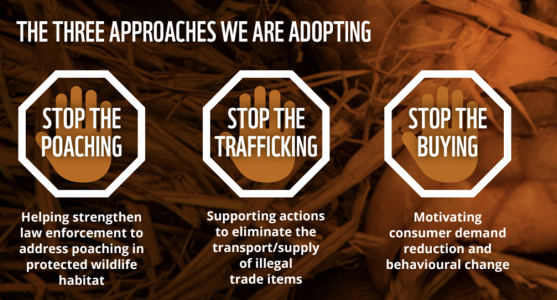
Yet, technology alone is not enough. The fight against wildlife trafficking requires international cooperation. Agencies like INTERPOL and the World Customs Organization are stepping up, sharing intelligence and coordinating raids across borders. Countries are strengthening laws, imposing harsher penalties, and cracking down on corruption. But the battle is uphill. Traffickers adapt quickly, using encrypted messaging apps to coordinate smuggling routes or bribing officials to look the other way. The war on the illegal raptor trade is not just a battle of laws and technology—it is a battle of wills.
Hope on the Horizon: Conservation Success Stories
Despite the grim reality, there are glimmers of hope. Conservation programs around the world are proving that recovery is possible. In the Philippines, the Philippine Eagle Foundation has successfully bred and released captive-bred eagles back into the wild, boosting their dwindling populations. In Europe, the return of the White-tailed Eagle to parts of the UK and Ireland is a testament to what dedicated conservation efforts can achieve. Even owls, once persecuted as omens of bad luck, are finding new protectors. In India, the Indian Owl Conservation Network works with local communities to dispel myths and promote owl conservation, reducing poaching pressures.
Public awareness is also shifting. Social media campaigns, documentaries, and celebrity endorsements have brought the plight of raptors into the spotlight. People are beginning to see these birds not as trophies or curiosities, but as vital components of a healthy planet. Eco-tourism initiatives, where travelers pay to see raptors in the wild, provide alternative livelihoods for communities that once relied on poaching. The tide is turning—but it is turning slowly, and the stakes could not be higher.
The Call to Action: What You Can Do
The illegal raptor trade will not end overnight, but each of us has the power to make a difference. The first step is awareness. Share information about the trade, support organizations fighting to protect raptors, and refuse to engage with businesses that profit from wildlife exploitation. If you encounter a raptor for sale online, report it to the appropriate authorities. Advocate for stronger laws and harsher penalties for traffickers. Support sustainable eco-tourism that benefits local communities and protects habitats.
But perhaps the most powerful action is to change the way we see these birds. Raptors are not commodities. They are not decorations. They are wild, free, and irreplaceable. Their survival is not a luxury—it is a necessity. The skies they once ruled are growing quieter, their shadows fading from the forests. The question is not whether we can afford to save them. The question is whether we can afford not to.