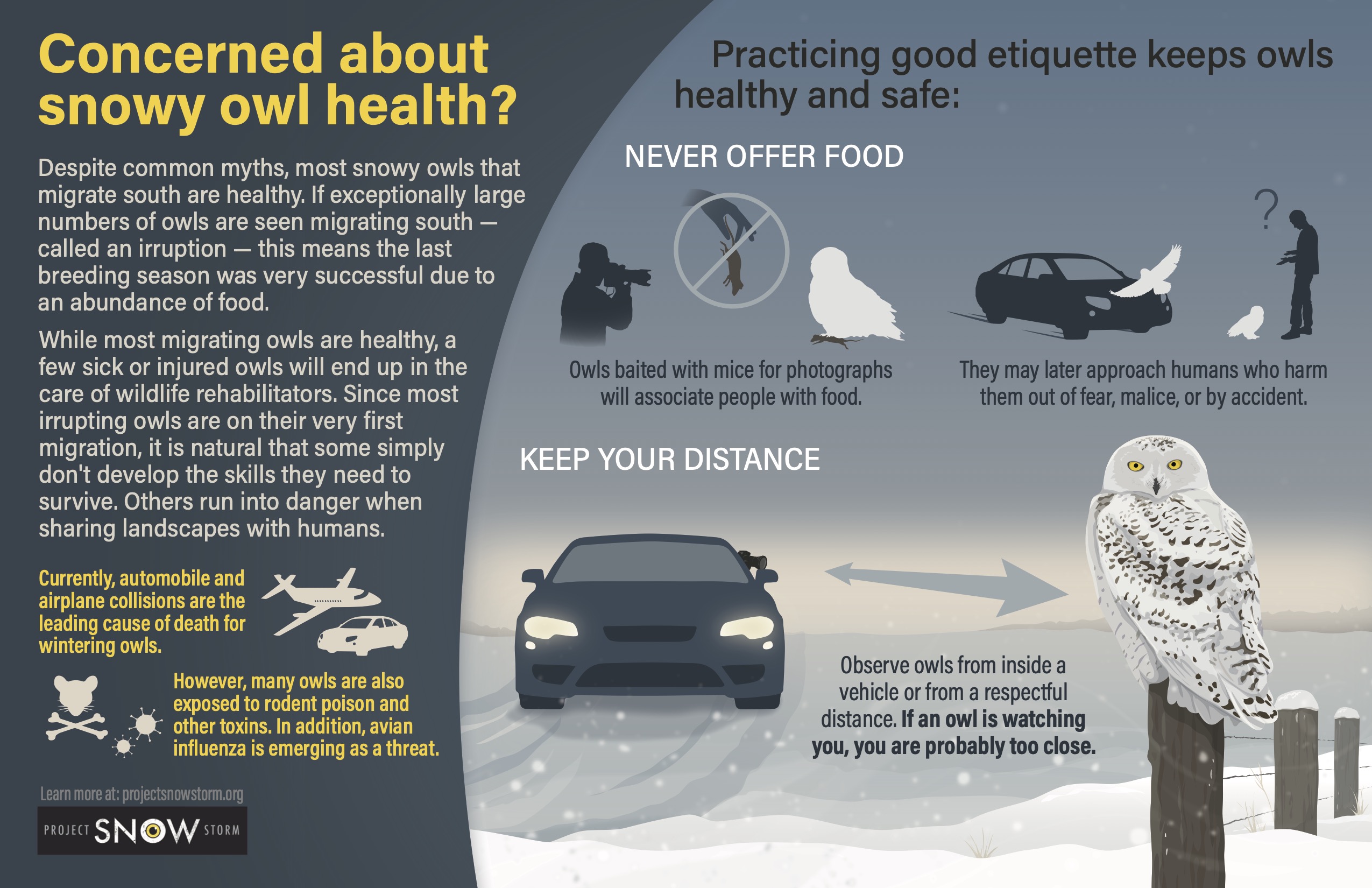
The ethereal presence of the snowy owl, with its ghostly white plumage and piercing yellow eyes, evokes a sense of wonder and reverence. Yet, beneath this majestic exterior lies a fragile existence, constantly imperiled by a myriad of threats. The snowy owl’s survival teeters on the edge, challenged by environmental changes, human interference, and ecological pressures. Understanding these threats is paramount to fostering effective conservation efforts, ensuring that this emblematic sentinel of the Arctic skies endures for generations. Here, we delve into the top ten threats confronting the snowy owl, exploring the multifaceted challenges that entangle its future.
1. Habitat Loss and Degradation
Snowy owls are intimately tied to the Arctic tundra—a landscape uniquely suited to their hunting and breeding habits. However, climate change and expanding human activities are rapidly transforming this fragile habitat. Warming temperatures accelerate permafrost thaw and alter vegetation patterns, reducing the availability of open hunting grounds. Infrastructure developments such as roads, pipelines, and mining operations further fragment what little pristine habitat remains. This degradation constricts their breeding territories and disrupts the delicate ecological balance necessary for snowy owl survival.
2. Climate Change and Its Cascading Effects
The relentless march of climate change imposes far-reaching consequences on snowy owls. Warmer temperatures shift the distribution of prey species, particularly lemmings, which constitute the core of the owl’s diet. Fluctuations in prey availability create cascading effects—periods of scarcity lead to reduced breeding success and lowered chick survival rates. Moreover, erratic weather patterns, including extreme storms and unseasonable warmth, can imperil eggs and fledglings. Snowy owls depend on predictable seasons, and climate-induced unpredictability jeopardizes their very reproductive cycles.
3. Declining Prey Populations
Snowy owls are specialized predators, largely relying on voles, lemmings, and other small mammals. These prey populations are highly sensitive to environmental shifts. Factors such as predation, disease, habitat changes, and climate impacts contribute to oscillating and sometimes dwindling prey numbers. When prey populations crash, snowy owls face starvation or are forced to abandon breeding attempts. The precarious dependency on this narrow prey base underscores the vulnerability of snowy owls in an increasingly unstable ecosystem.
4. Collisions with Vehicles and Man-Made Structures
As snowy owls migrate and disperse southward during winter, they encounter myriad hazards in human-dominated landscapes. Roads pose a significant threat, as snowy owls may hunt or rest near highways and are at risk of vehicular collisions. Additionally, collisions with windows, communication towers, wind turbines, and power lines result in injury or death. These anthropogenic obstacles are often invisible threats, silently decimating populations far from the remote tundra they call home.
5. Pollution and Contaminants
Persistent organic pollutants such as heavy metals, pesticides, and industrial chemicals bioaccumulate in Arctic food webs, infiltrating snowy owl tissues. These toxins can degrade immune function, impair reproductive health, and cause neurological disorders. Furthermore, oil spills and chemical discharges in their habitats introduce lethal threats and long-term contamination. By compromising health and reproductive viability, pollution stealthily undermines the sustainability of snowy owl populations.
6. Human Disturbance and Recreational Activities
The allure of snowy owls attracts wildlife enthusiasts, photographers, and tourists, especially during their winter irruptions in inhabited regions. While such interest can spur conservation awareness, unregulated human presence can provoke stress, disrupt hunting and nesting behaviors, and cause nest abandonment. Intrusive activities near breeding sites or resting areas may inadvertently exacerbate mortality risks. Managing human-o-wildlife interactions is critical to minimizing disturbance-induced impacts.
7. Illegal Hunting and Trapping
Although regulations exist, snowy owls still fall victim to illegal hunting and trapping in some areas. These acts reflect broader issues of wildlife exploitation and insufficient enforcement. Even isolated incidences are detrimental given the owl’s relatively low reproductive rates and slow population growth. Combatting poaching requires vigilance, education, and robust legal frameworks to safeguard these enigmatic birds from unnecessary harm.
8. Predation and Competition
While snowy owls are apex predators in their environment, they are not immune to predation and competitive pressures. Larger raptors such as gyrfalcons and great horned owls may prey upon snowy owl chicks or vie for similar prey resources. On breeding grounds, foxes and ravens sometimes raid nests, feeding on eggs and hatchlings. This interspecies antagonism compounds the natural difficulties of survival, especially in times of resource scarcity.
9. Disease and Parasites
Emerging diseases and parasite infestations present insidious threats often overlooked in conservation discourse. Snowy owls can be vulnerable to avian influenza, trichomoniasis, and various parasitic worms and mites. These health challenges weaken individuals, reducing stamina, reproductive success, and lifespan. The spread of disease is further exacerbated by environmental stressors and dense aggregations during irruptive years, making disease monitoring an essential component of conservation efforts.
10. Genetic Bottlenecks and Reduced Diversity
Population declines and isolated subpopulations risk diminished genetic diversity, leading to inbreeding and reduced adaptability. A restricted gene pool impairs the species’ ability to respond to environmental changes, diseases, and new threats. Genetic bottlenecks can result in higher mortality rates and lower reproductive output. Ensuring gene flow across populations through habitat connectivity and protection is thus vital for the long-term resilience of snowy owls.
In the grand tapestry of the Arctic ecosystem, snowy owls are both iconic and fragile. Their survival hinges on intricate relationships with their environment, prey, and a host of ecological factors. Each threat, while distinct, intertwines with others in a complex web of challenges. Only through comprehensive understanding, vigilant conservation, and global commitment can the snowy owl’s haunting silhouette continue to grace the northern skies, a timeless testament to nature’s resilient beauty.