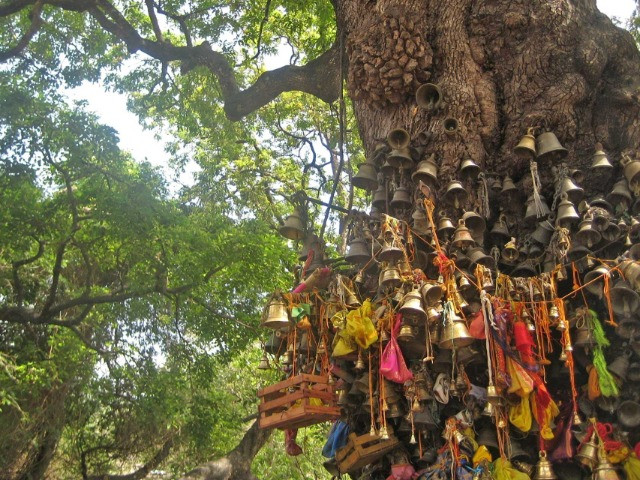
In the dimly lit corridors of ancient temples, where incense curls like spectral fingers, an unlikely alliance is taking root—one that could redefine the fate of some of nature’s most misunderstood creatures. Owls, those nocturnal sentinels of folklore and superstition, are finding an unexpected champion in the very traditions that once cast them as omens of doom. Across cultures, religious beliefs are quietly reshaping conservation policies, proving that faith and ecology can intertwine in ways that defy centuries of entrenched fear. This is the story of how sacred texts, temple rituals, and communal reverence are forging a new path for owl protection, one that challenges our deepest prejudices and offers a glimmer of hope for these enigmatic birds.
Conservation Efforts & Policies
The Impact of Globalization on Owl Conservation
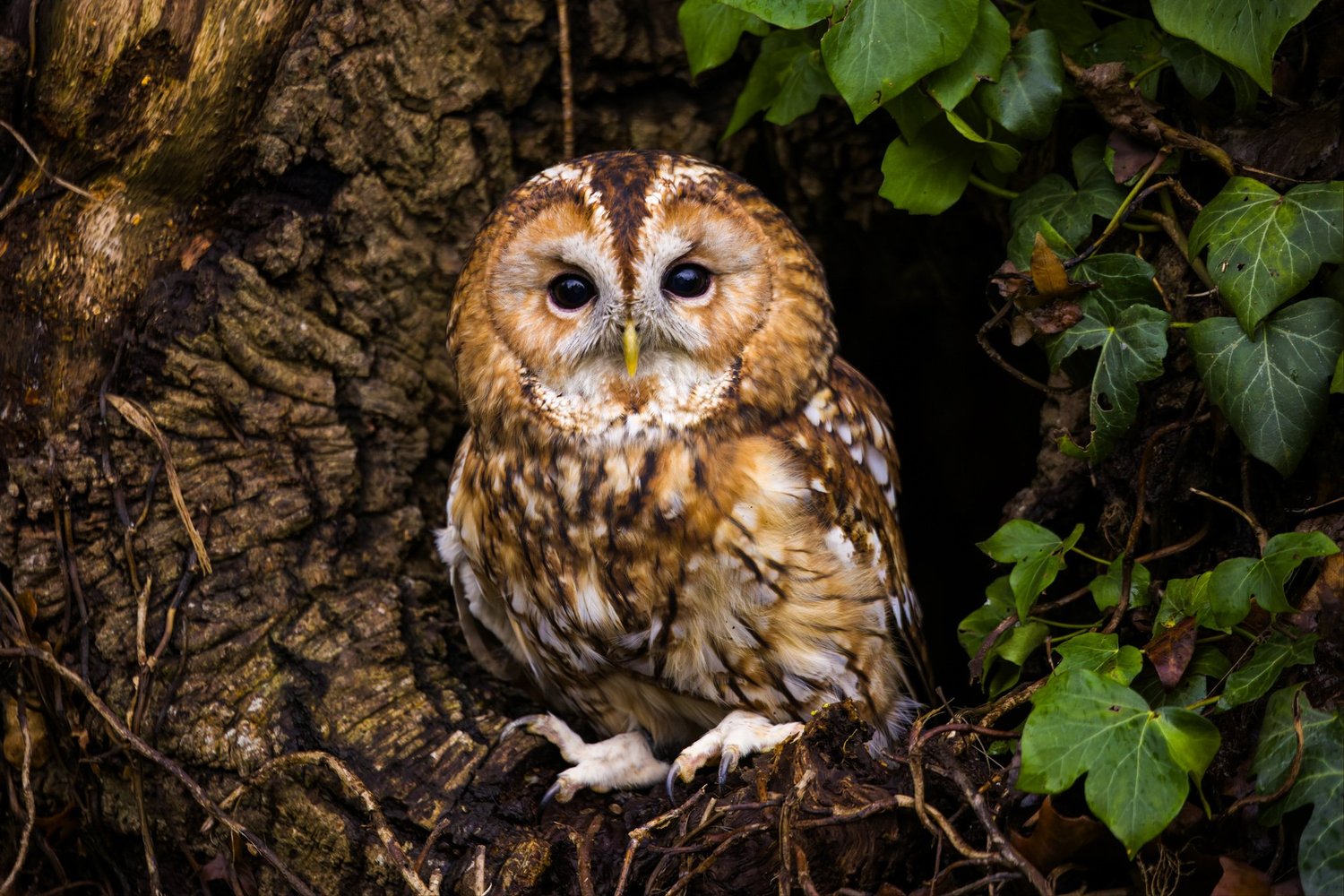
The silent wings of an owl cutting through the night evoke a primal sense of wonder—yet these enigmatic birds now navigate a world reshaped by globalization. From the sprawling metropolises that encroach upon ancient forests to the global trade in exotic pets, the forces of economic integration and cultural exchange are rewriting the rules of survival for owls across continents. This transformation is not merely ecological; it is a profound reweaving of the natural world’s tapestry, where human ambition and avian resilience collide in unexpected ways. To understand the true impact of globalization on owl conservation, we must peer beyond the surface of urban expansion and market dynamics, into the hidden currents of policy, perception, and ecological interdependence that shape their fate.
The Owl in Video Games: Characters and Inspirations
What is it about owls that captivates game designers and players alike? These enigmatic creatures, cloaked in silent wings and ancient wisdom, have flitted through the pixelated realms of video games for decades. Yet, one might wonder: can the quiet majesty of an owl truly translate into the vibrant, action-packed worlds of gaming? Or does it pose a unique creative challenge that pushes developers to weave deeper layers of symbolism and character into their designs?
The Impact of Sustainable Living on Owl Habitats
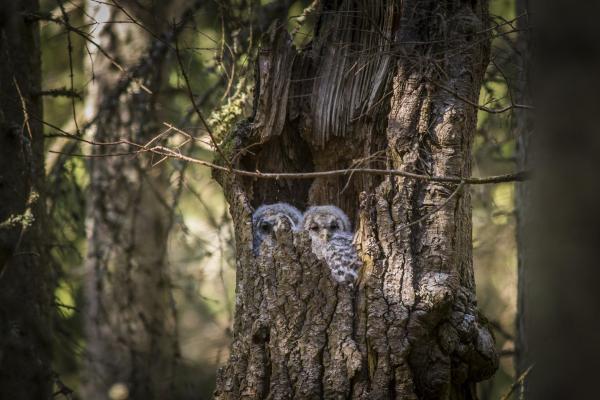
In the quiet hush of twilight, when the world slows its frenetic pace, owls take flight—silent sentinels of the night, gliding through ecosystems that have sustained them for millennia. Yet, these enigmatic creatures face an unprecedented threat: the erosion of their habitats by human hands. Sustainable living isn’t just a buzzword; it’s a lifeline for species like owls, whose survival hinges on the delicate balance of their environments. From the dense canopies of old-growth forests to the whispering grasslands of the prairie, every habitat owls call home is under siege by deforestation, urban sprawl, and industrial agriculture. But here’s the promise: by embracing sustainable practices, we don’t just protect owls—we safeguard the intricate web of life they represent. This is the story of how our choices ripple through ecosystems, and why sustainable living is the most profound act of conservation we can undertake.
How Would Owl Habitats Change If All Forests Were Protected?
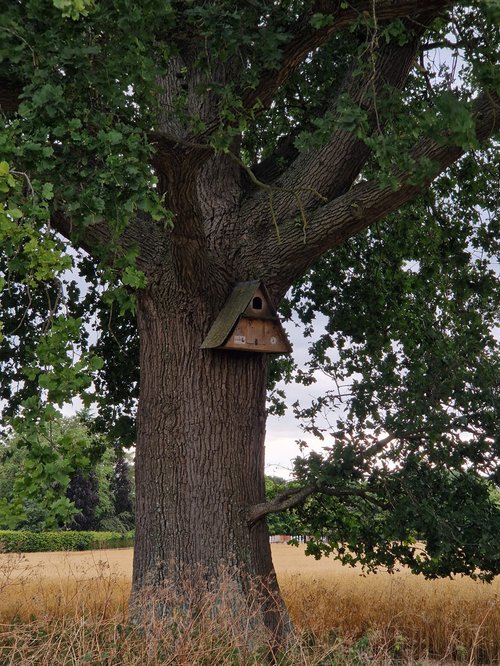
Imagine a world where every forest, from the dense canopies of the Pacific Northwest to the ancient woodlands of Europe, stands inviolate—untouched by saw, blade, or fire. In this untarnished sanctuary, the delicate ballet of ecosystems unfolds unperturbed, echoing the primordial harmony of nature. Central to this natural symphony are the owls: silent sentinels of the night, whose survival and thriving intricately intertwine with the fate of these forests. But what transformations would these enigmatic avians witness in their habitats if all forests were safeguarded with unwavering commitment? This exploration promises not only a reimagining of landscapes but a profound shift in our perception of coexistence and ecological stewardship.
Owls and Technology: How Innovations Are Aiding Conservation

Owls, enigmatic creatures of the night, have captivated human imagination for centuries. Their silent flight, piercing eyes, and haunting calls make them icons of mystery and wisdom. Yet, as natural habitats dwindle and environmental pressures escalate, these nocturnal predators face unprecedented challenges. In this era marked by rapid technological advancements, innovative tools and methods have emerged as beacons of hope for owl conservation. The synergy of biology and technology is reshaping how researchers and conservationists protect these elusive birds, unveiling secrets previously locked within the shadows. This article delves into the multifaceted role of technology in owl conservation, illuminating the diverse ways innovation is pioneering a brighter future for these majestic raptors.
How International Cooperation Helped the Eagle Owl in Scandinavia

The Eurasian Eagle Owl, a majestic nocturnal predator with piercing orange eyes and a wingspan that commands the twilight sky, has long been a symbol of untamed wilderness across Scandinavia. Yet, this apex avian sentinel faced a silent crisis—one that stretched beyond the borders of any single nation. It was not the scarcity of prey or the encroachment of urban sprawl alone that threatened its existence, but a complex web of ecological fragmentation, legal loopholes, and cultural misconceptions that transcended geopolitical lines. The turning point came not from isolation, but from an unexpected alliance: international cooperation. This is the story of how nations once divided by policy and geography came together to rewrite the fate of a species—and what it means for the future of Europe’s wild heart.
Owl Crafts for Kids: DIY Projects to Teach Conservation
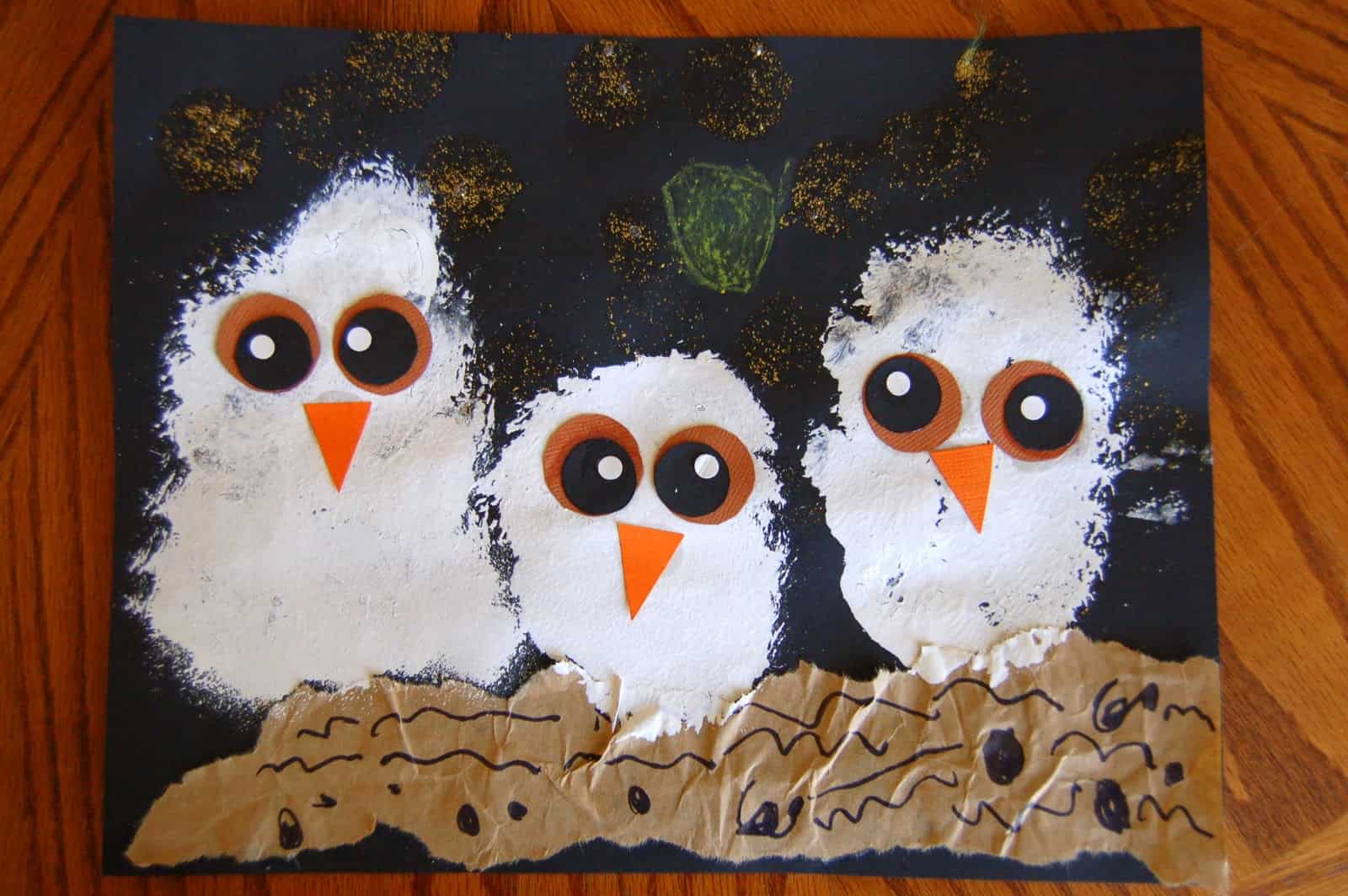
The wise old owl, with its luminous eyes and silent wings, has long captivated the human imagination. Children, in particular, are drawn to these enigmatic creatures, their fascination often rooted in the owl’s nocturnal mystique and the gentle wisdom it seems to embody. Yet beyond the allure of fairy tales and storybooks lies a deeper connection—one that can be nurtured through creativity. Owl crafts for kids are more than just playful activities; they are gateways to understanding the natural world, fostering conservation awareness, and instilling a lifelong reverence for wildlife. These projects blend artistry with education, turning craft time into a lesson on ecology, habitat preservation, and the delicate balance of ecosystems. Whether through upcycled materials or nature-inspired designs, each creation becomes a tangible reminder of our role in protecting the creatures that share our planet.
Owls and Economics: The Value of Ecosystem Services
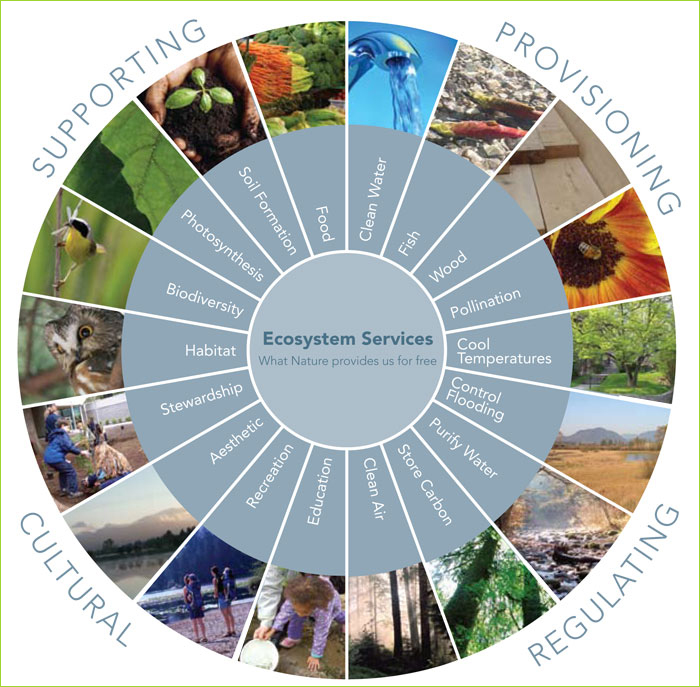
In the intricate tapestry of nature, owls occupy a unique and enigmatic position—silent sentinels of the night, guardians of balance within their ecosystems. Their significance transcends mere biological curiosity; they are vital players in the complex web of ecosystem services that sustain human economies and well-being. This article delves into the captivating interplay between owls and economics, illuminating the multifaceted value they impart through the essential ecosystem services they provide.
The Status of Owls in Australia: Unique Species and Threats
In the shadowed theaters of the Australian night, owls emerge as silent sentinels—enigmatic phantoms cloaked in feathers, guardians of the nocturnal realm. Their haunting calls echo through eucalyptus groves and moonlit marshes, weaving an ancient narrative of survival and mystique. Yet beneath their ethereal presence lies a fragile existence, challenged by a world in flux. The status of owls in Australia encompasses a tapestry of uniqueness woven with threads of peril and resilience, demanding both reverence and urgent attention.