The silent wings of an owl cutting through the night evoke a primal sense of wonder—yet these enigmatic birds now navigate a world reshaped by globalization. From the sprawling metropolises that encroach upon ancient forests to the global trade in exotic pets, the forces of economic integration and cultural exchange are rewriting the rules of survival for owls across continents. This transformation is not merely ecological; it is a profound reweaving of the natural world’s tapestry, where human ambition and avian resilience collide in unexpected ways. To understand the true impact of globalization on owl conservation, we must peer beyond the surface of urban expansion and market dynamics, into the hidden currents of policy, perception, and ecological interdependence that shape their fate.
The Urban Sprawl: A Silent Erasure of Habitat Corridors
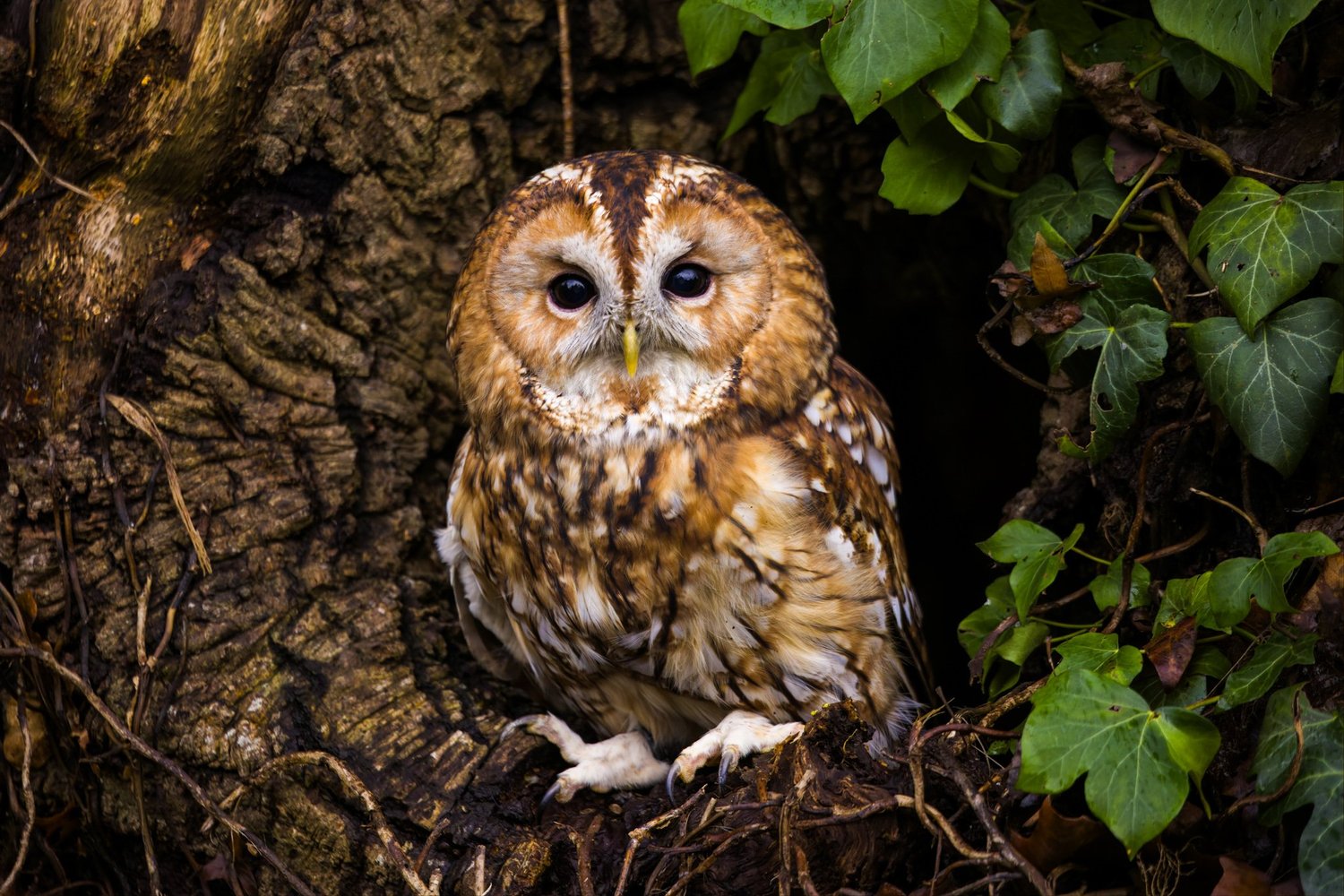
Cities do not grow—they metastasize. As asphalt replaces old-growth woodlands and neon-lit skylines blot out the stars, the once-invisible threads of owl territories fray and snap. The tawny owl, a sentinel of European woodlands, now finds its hunting grounds fragmented by highways and industrial parks. Studies reveal that urban-adapted owls exhibit altered vocalizations, their hoots muffled by the cacophony of traffic, a phenomenon known as “soundscape pollution.” This acoustic erosion is not merely an inconvenience; it disrupts the delicate symphony of courtship and territorial defense, leading to declining reproductive success. Yet, paradoxically, some species—like the barn owl—have shown remarkable adaptability, nesting in abandoned barns and church steeples. Their survival hinges on a precarious balance: can these opportunistic generalists outpace the relentless tide of concrete, or will they become the canaries in the coal mine of urban biodiversity collapse?
The Dark Trade: Exotic Pets and the Illicit Owl Economy
Beneath the glossy veneer of global e-commerce lies a shadow market where owls are commodified as living decorations. The demand for rare species, fueled by social media trends and the exotic pet trade, has turned these nocturnal hunters into status symbols. In Southeast Asia, the endangered Philippine eagle-owl is smuggled across borders in cramped crates, its striking plumage destined for private collections. The consequences are dire: for every owl that survives the journey, countless others perish from stress, malnutrition, or improper handling. Conservationists warn that the illegal trade is not just a local issue but a transnational crisis, with routes snaking through porous borders and unregulated online platforms. The irony is stark—while globalized connectivity enables conservation campaigns, it also empowers those who exploit wildlife for profit. The question lingers: can the same digital networks that facilitate trafficking also be weaponized to dismantle it?
The Paradox of Global Awareness: When Conservation Goes Viral
Social media has democratized awareness, turning obscure species into overnight sensations. The viral spread of owl videos—from barn owls performing aerial acrobatics to snowy owls gliding over Arctic tundras—has sparked a surge in public fascination. Yet this newfound visibility is a double-edged talon. On one hand, it has galvanized grassroots conservation efforts, with crowdfunding campaigns rescuing injured owls and citizen scientists tracking migration patterns. On the other, it has commodified owl imagery, reducing these creatures to mere aesthetic objects. The “owl aesthetic” phenomenon, where their likeness adorns everything from phone cases to home decor, risks trivializing their ecological roles. How do we reconcile the genuine concern of a generation raised on viral wildlife content with the danger of turning conservation into a trend? The answer may lie in education—transforming passive admiration into active stewardship.
The Climate Conundrum: Global Warming and Shifting Ecological Niches
Globalization’s most insidious impact is not visible in the neon glow of cities or the flicker of a smartphone screen, but in the silent creep of climate change. Rising temperatures are redrawing the maps of owl habitats, forcing species like the boreal owl to retreat northward or face extinction. In North America, the northern spotted owl, already threatened by deforestation, now contends with increasingly severe wildfires exacerbated by global warming. The irony is cruel: the same industrial processes driving globalization—fossil fuel consumption, industrial agriculture—are dismantling the ecosystems owls depend on. Yet, some species are proving unexpectedly resilient. The little owl of Europe, for instance, has expanded its range into warmer regions, hinting at an evolutionary dance between loss and adaptation. The question is no longer whether owls can survive, but whether their survival will come at the cost of entire ecosystems unraveling around them.
The Policy Labyrinth: International Conservation in a Fragmented World
Owls do not recognize borders, but conservation policies often do. The globalized nature of environmental threats demands equally globalized solutions, yet international agreements like CITES (Convention on International Trade in Endangered Species) are hamstrung by bureaucratic inertia and conflicting national interests. While some countries impose strict protections, others exploit loopholes in the name of economic development. The European Union’s Birds Directive, for example, has been credited with stabilizing owl populations in some regions, yet enforcement remains inconsistent. Meanwhile, in Africa, where owl species are often overlooked in favor of charismatic megafauna like elephants and lions, conservation efforts are fragmented and underfunded. The challenge is not just scientific but diplomatic: how can nations with divergent priorities unite to protect species that transcend geopolitical boundaries?
The Cultural Divide: Indigenous Wisdom vs. Globalized Exploitation
For millennia, indigenous cultures have revered owls as omens, protectors, and messengers between worlds. In Native American traditions, the great horned owl is a symbol of wisdom, while in Hindu mythology, the barn owl is associated with Lakshmi, goddess of prosperity. Yet globalization has eroded these deep-rooted connections, replacing sacred knowledge with commercial exploitation. In parts of Africa and Latin America, owls are hunted for their supposed medicinal properties, despite no scientific basis for their efficacy. The clash between indigenous beliefs and globalized superstitions highlights a broader tension: can traditional ecological knowledge be harnessed to inform modern conservation, or will it be lost in the tide of homogenizing cultural forces?
The Future of the Night: Can Owls Survive the Globalized Century?
The fate of owls in a globalized world is a microcosm of humanity’s relationship with nature—a story of unintended consequences, unexpected resilience, and the urgent need for systemic change. While some species may adapt, others will vanish into the annals of extinction, their silent wings stilled by forces beyond their control. The path forward requires more than isolated conservation projects; it demands a reimagining of how we integrate economic growth with ecological integrity. From rewilding urban landscapes to dismantling illegal wildlife trade networks, the solutions are as complex as the challenges. Yet, in the hushed wings of an owl gliding over a moonlit field, there remains a flicker of hope—a reminder that even in a globalized world, the wild can still find a way.