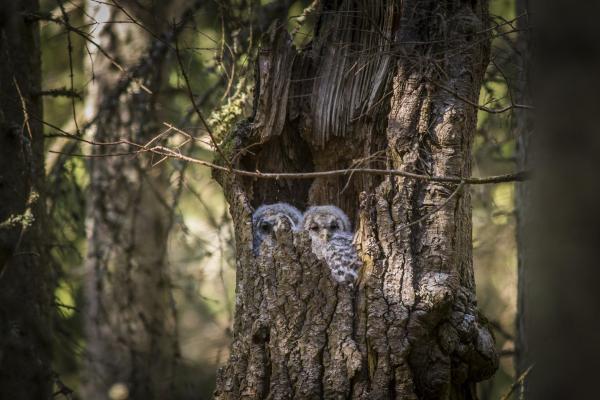
In the quiet hush of twilight, when the world slows its frenetic pace, owls take flight—silent sentinels of the night, gliding through ecosystems that have sustained them for millennia. Yet, these enigmatic creatures face an unprecedented threat: the erosion of their habitats by human hands. Sustainable living isn’t just a buzzword; it’s a lifeline for species like owls, whose survival hinges on the delicate balance of their environments. From the dense canopies of old-growth forests to the whispering grasslands of the prairie, every habitat owls call home is under siege by deforestation, urban sprawl, and industrial agriculture. But here’s the promise: by embracing sustainable practices, we don’t just protect owls—we safeguard the intricate web of life they represent. This is the story of how our choices ripple through ecosystems, and why sustainable living is the most profound act of conservation we can undertake.
The Vanishing Canopy: How Deforestation Disrupts Owl Sanctuaries
Forests are the cathedrals of the natural world, and owls are their most reverent worshippers. Species like the barred owl and the great horned owl thrive in the labyrinthine depths of ancient woodlands, where towering trees provide nesting cavities and a bounty of prey. Yet, deforestation doesn’t just remove trees—it dismantles entire lifeways. Clear-cutting doesn’t merely reduce foliage; it fragments territories, isolates populations, and exposes owls to predators and human encroachment. The loss of old-growth forests, in particular, is catastrophic, as these ecosystems take centuries to mature and offer irreplaceable nesting sites.
Sustainable forestry practices, however, offer a glimmer of hope. Selective logging, where only mature trees are harvested, preserves the structural integrity of the forest. Reforestation initiatives, especially those that prioritize native species, can restore habitats over time. Even urban green spaces, when designed with biodiversity in mind, can become unexpected refuges for adaptable owl species. The key lies in viewing forests not as resources to exploit, but as living entities that demand stewardship. When we choose sustainably sourced wood, support conservation programs, or plant native trees, we become allies in the silent, nocturnal ballet of the forest.
Urban Sprawl and the Illusion of Progress
Cities are the antithesis of wilderness—yet owls, in a testament to their resilience, have been spotted nesting in the heart of urban jungles. The barn owl, for instance, has adapted to hunt in agricultural fields and even industrial zones, where rodents thrive in the shadows of human activity. But this adaptation comes at a cost. Light pollution disorients nocturnal hunters, while traffic noise masks the subtle rustle of prey. Pesticides, though intended to protect crops, poison the very food chain owls depend on. The result? A paradox: cities expand, and owls persist, but their lives grow increasingly precarious.
Sustainable urban planning can rewrite this narrative. Green roofs, which mimic natural habitats, provide hunting grounds for owls in densely populated areas. Wildlife corridors—strips of undeveloped land connecting fragmented habitats—allow owls to traverse urban landscapes safely. Even something as simple as reducing nighttime lighting or opting for organic farming in suburban areas can make a difference. The message is clear: sustainable living isn’t about retreating to the countryside; it’s about reimagining our cities as places where nature and humanity coexist. When we design with owls in mind, we design for ourselves—a future where progress doesn’t come at the expense of the wild.
The Silent Threat of Pesticides and Industrial Agriculture
Imagine a world where the air hums with the drone of insects, where the soil teems with life, and where every rustle in the undergrowth signals a meal for a hungry owl. This was once the reality of farmlands across the globe. Today, industrial agriculture has transformed these vibrant ecosystems into monocultures, where chemical fertilizers and pesticides strip the land of its biodiversity. The consequences are dire: prey populations collapse, and owls, the apex predators of their domains, face starvation. Even when owls survive, the toxins accumulate in their bodies, weakening their immune systems and reducing their reproductive success.
Sustainable agriculture offers a lifeline. Organic farming, which eschews synthetic chemicals in favor of natural pest control and crop rotation, restores the balance. Agroforestry, where trees are integrated into farmland, creates habitats for owls while also improving soil health. Even small-scale changes, like planting hedgerows or leaving patches of wild vegetation, can provide refuge for owls and their prey. The shift isn’t just about what we grow—it’s about how we grow it. When we support farmers who prioritize sustainability, we vote with our wallets for a world where owls can hunt without fear of poisoned prey.
Climate Change: The Invisible Hand Reshaping Owl Habitats
Climate change is the great disruptor, a force that doesn’t just alter habitats—it rewrites the rules of survival. For owls, the impacts are as varied as they are profound. Warmer temperatures shift the ranges of prey species, forcing owls to adapt or starve. Melting permafrost in the Arctic threatens snowy owl habitats, while prolonged droughts in grasslands reduce the abundance of small mammals. Even the timing of seasonal events, like migration or breeding, is thrown into disarray. The great gray owl, for instance, relies on deep snowpack to hunt voles beneath the surface. As winters grow milder, these owls face an uncertain future.
Sustainable living is our most potent tool against climate change. Reducing our carbon footprint—through energy-efficient homes, renewable energy, and mindful consumption—slows the pace of global warming. Protecting and restoring peatlands, mangroves, and other carbon-rich ecosystems sequesters CO2 while also preserving habitats. Even individual actions, like composting or reducing meat consumption, contribute to a larger collective effort. The fight for owl habitats is, at its core, a fight for a stable climate. When we act sustainably, we don’t just protect owls—we protect the planet’s ability to sustain all life.
Community Conservation: How Local Efforts Make Global Waves
Sustainable living isn’t a solitary endeavor; it’s a chorus of voices, each singing a different note but harmonizing toward a common goal. Community-led conservation projects have proven time and again that grassroots efforts can have a global impact. In parts of Europe, for example, owl nest box programs have helped declining species like the little owl reclaim lost territories. These initiatives don’t require vast resources—just a commitment to understanding and supporting local wildlife. Citizen science projects, where volunteers monitor owl populations, provide invaluable data that informs conservation strategies. Even something as simple as educating neighbors about the benefits of native plants can transform a backyard into a haven for owls.
The power of community lies in its ability to scale. When one neighborhood adopts sustainable practices, it inspires another. When one town protects its green spaces, it sets a precedent for others. The ripple effect is undeniable: sustainable living becomes a cultural shift, a shared responsibility. Owls, in their quiet wisdom, remind us that we are not separate from nature—we are part of it. By working together, we ensure that their haunting calls echo through the night for generations to come.
The Ripple Effect: Why Owl Conservation is a Mirror for Humanity
Protecting owl habitats isn’t just about saving a species—it’s about saving ourselves. Owls are indicators of ecosystem health, barometers of environmental well-being. Where owls thrive, biodiversity flourishes. Where they decline, the land is out of balance. Their presence signals clean air, healthy soils, and robust food chains. In this way, owls are our teachers, reminding us that sustainability isn’t a luxury—it’s a necessity. Their survival depends on the choices we make today, from the products we buy to the policies we support.
Sustainable living is the ultimate act of reciprocity. We give back to the earth what we take, ensuring that the night skies remain alive with the wings of owls. It’s a commitment to seeing the world not as a resource to exploit, but as a community to which we belong. When we choose sustainability, we choose a future where owls continue to hunt under the moonlight, where forests stand tall, and where the earth’s rhythms are not dictated by human greed but by the ancient, unyielding pulse of life.