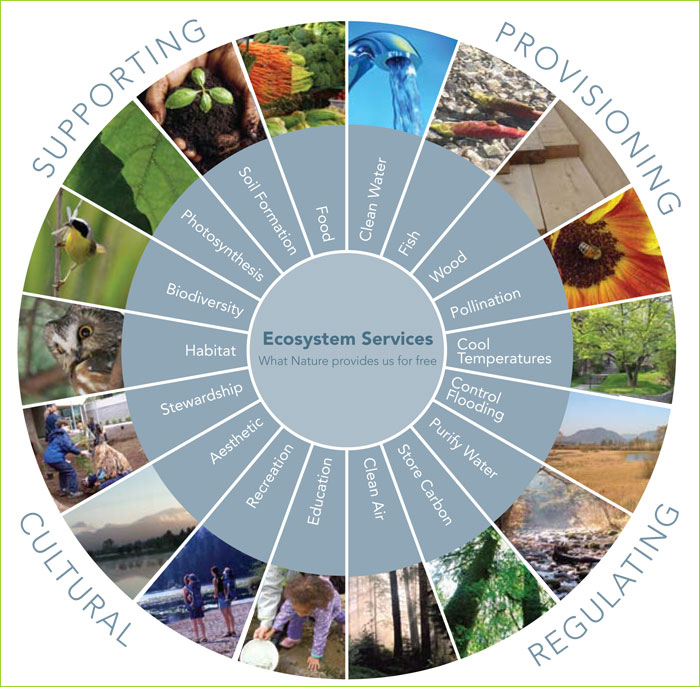
In the intricate tapestry of nature, owls occupy a unique and enigmatic position—silent sentinels of the night, guardians of balance within their ecosystems. Their significance transcends mere biological curiosity; they are vital players in the complex web of ecosystem services that sustain human economies and well-being. This article delves into the captivating interplay between owls and economics, illuminating the multifaceted value they impart through the essential ecosystem services they provide.
The Ecological Role of Owls: Natural Pest Controllers
Owls serve as keystone predators within numerous ecosystems, wielding a profound influence on the regulation of rodent populations. These nocturnal raptors consume vast quantities of small mammals, including agricultural pests such as mice and voles. By maintaining a natural check on these populations, owls facilitate healthier crop yields and reduce the necessity for chemical pesticides.
This dynamic is an exquisite example of biological control—an ecological service highly prized for its cost-effectiveness and sustainability. Unlike synthetic pest control methods, owl predation minimizes environmental contamination, fosters biodiversity, and mitigates the risks associated with pesticide resistance. Thus, the presence of owls embodies an invaluable natural investment in agricultural economy and food security.
Biodiversity and Ecosystem Stability: Owls as Indicators
Beyond their role as pest controllers, owls are invaluable indicators of ecological health. Their dependence on diverse habitats—forests, grasslands, and wetlands—necessitates well-functioning ecosystems. A thriving owl population often signals robust biodiversity and ecosystem integrity, which are prerequisites for the continued delivery of ecosystem services such as pollination, water purification, and soil fertility.
This implicit value underscores the interconnectedness between economic prosperity and biodiversity conservation. Protecting owls and their habitats is not merely an act of stewardship but a strategic economic safeguard, buffering human systems against environmental volatility and resource depletion.
Cultural and Educational Ecosystem Services: The Owls’ Symbolism
Owls transcend ecological boundaries to offer profound cultural and aesthetic values. Revered in folklore and mythologies worldwide, these creatures inspire wonder, curiosity, and reverence. Such intangible benefits manifest as ecosystem services categorized under cultural and educational realms.
Owls catalyze eco-tourism, educational programs, and wildlife conservation initiatives. They foster environmental awareness and engagement, which can translate into economic opportunities in local and global contexts. The allure of these enigmatic birds elevates the value of protected natural areas, creating a virtuous cycle where conservation efforts garner both ecological and economic dividends.
Economic Valuation of Owl-Driven Ecosystem Services
Quantifying the economic contribution of owls requires a multidimensional perspective. Direct and indirect benefits coalesce through tangible savings on pest control, augmented agricultural productivity, ecotourism income, and educational program funding. Furthermore, the existence value—an abstract measure of the willingness to conserve owls irrespective of direct use—adds another layer of economic significance.
Economic valuation methodologies such as contingent valuation, cost-benefit analysis, and ecosystem accounting strive to articulate these benefits in monetary terms. Recognizing these values influences policy decisions, incentivizes habitat preservation, and promotes sustainable land management practices that accommodate both human needs and ecological integrity.
Threats to Owls and Their Economic Implications
The precarious status of many owl species due to habitat destruction, pollution, and climate change presages not only ecological loss but substantial economic repercussions. The decline or extinction of owl populations may cascade through ecosystems, destabilizing pest control services and compromising agricultural economies.
Interruptions to these natural services could necessitate increased reliance on costly chemical interventions, disrupt local livelihoods, and erode cultural heritage connected to these majestic birds. Therefore, safeguarding owls is intrinsically linked to protecting the economic resilience embedded within healthy ecosystems.
Integrating Owls into Sustainable Management Practices
Incorporating owls into sustainable land-use and economic frameworks embodies a forward-thinking approach to ecosystem service management. Strategies include habitat conservation, installing owl nesting boxes in agricultural landscapes, and reducing pesticide use to sustain prey availability.
These practices foster a symbiotic relationship where economic activity enhances biodiversity, and biodiversity, in turn, augments economic productivity and stability. Encouraging community involvement and leveraging scientific research can optimize such strategies, ensuring that owls continue to bestow their invaluable services.
Conclusion: Owls as Ambassadors of Economic and Ecological Harmony
Owls epitomize the delicate balance between nature’s intrinsic value and its profound utility to human society. Their ecosystem services—ranging from pest control and biodiversity maintenance to cultural enrichment—embody an irreplaceable economic asset. Valuing and protecting owls is tantamount to embracing a sustainable future where economic decisions harmonize with ecological imperatives.
In the silent flight of an owl lies a powerful narrative: one of coexistence, stewardship, and the enduring wealth that flows from nature’s seamless symphony. Embracing this wisdom is essential to forging landscapes where both owls and human economies thrive in concert.