In the shadowed tapestry of human civilization, few creatures have been as mythologized—or as maligned—as the owl. These nocturnal sentinels, with their luminous eyes and silent wings, have long been cast as omens, messengers, and even harbingers of doom. Yet, beyond the folklore and superstition lies a stark reality: owls are ecological linchpins, their survival inextricably tied to the health of the ecosystems they inhabit. Cultural beliefs, woven into the fabric of societies across the globe, have shaped our relationship with these birds in profound ways—sometimes fostering reverence, other times fueling persecution. To understand the true impact of these beliefs on owl conservation is to unravel a paradox: how can something so deeply embedded in human imagination both hinder and help the survival of these enigmatic creatures?
Conservation Efforts & Policies
The Barred Owl vs. Spotted Owl Debate: A Full Breakdown
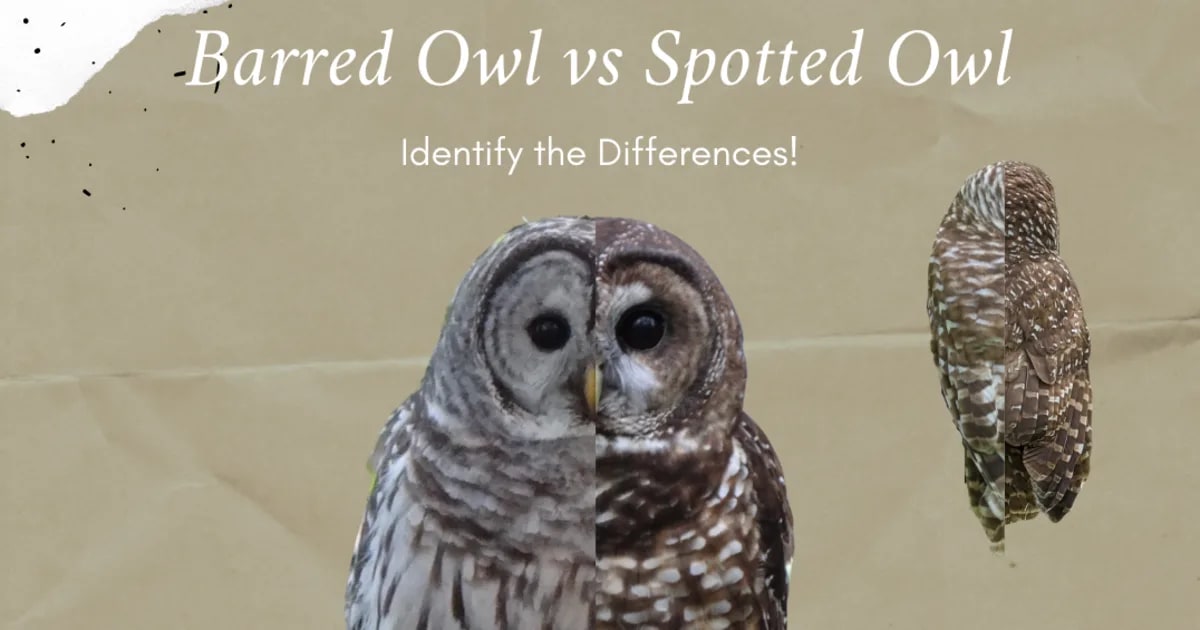
Have you ever found yourself peering into the twilight woods, wondering which mysterious silhouette belongs to the Barred Owl and which to the Spotted Owl? This question, playful on the surface, unfolds into a deeper debate filled with ecological mysteries, astonishing behaviors, and crucial conservation concerns. The Barred Owl vs. Spotted Owl debate is not merely a quest for identification—it is a compelling narrative of nature’s intrigue and balance, packed with surprises and challenges that provoke both curiosity and critical thought.
How Habitat Restoration Helped the Long-Eared Owl in Spain
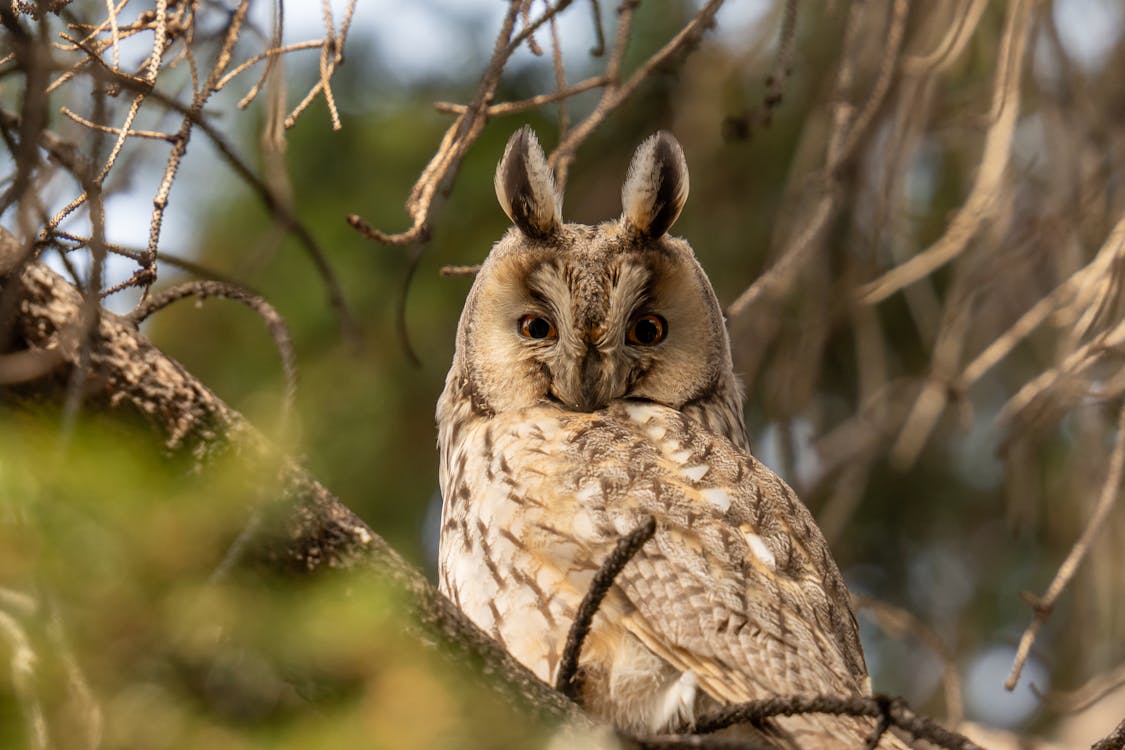
In the emerald embrace of Spain’s woodlands, where the whispers of ancient oaks mingle with the rustle of underbrush, a silent sentinel takes flight—the long-eared owl. Once a ghostly presence, barely glimpsed in the twilight, this enigmatic bird has become a symbol of nature’s resilience, its survival story intricately woven into the tapestry of habitat restoration. Across the Iberian Peninsula, conservationists have waged a quiet revolution, transforming degraded landscapes into thriving ecosystems where the owl’s haunting call now echoes with renewed vigor. This is the tale of how Spain’s long-eared owls, those feathered philosophers of the dusk, have been given a second chance—not through grand gestures, but through the patient, deliberate art of ecological rebirth.
The Role of Indigenous Knowledge in Saving the Powerful Owl in Australia
What if the key to saving one of Australia’s most majestic yet imperiled raptors—the Powerful Owl—lay not in cutting-edge conservation technology, but in the ancient whispers of the land’s first storytellers? The Powerful Owl (*Ninox strenua*), a silent sentinel of the eucalyptus canopy, faces mounting threats: habitat fragmentation, climate-induced prey scarcity, and the relentless march of urban sprawl. Yet, amid this ecological precariousness, Indigenous Australians—custodians of the oldest continuous culture on Earth—hold a trove of knowledge that could rewrite the owl’s survival narrative. This is not just about conservation. It’s about reconciling two worlds, where science meets sacred lore, and where the past becomes the blueprint for the future.
Owl Protection in the Arctic: The Impact of Climate Change
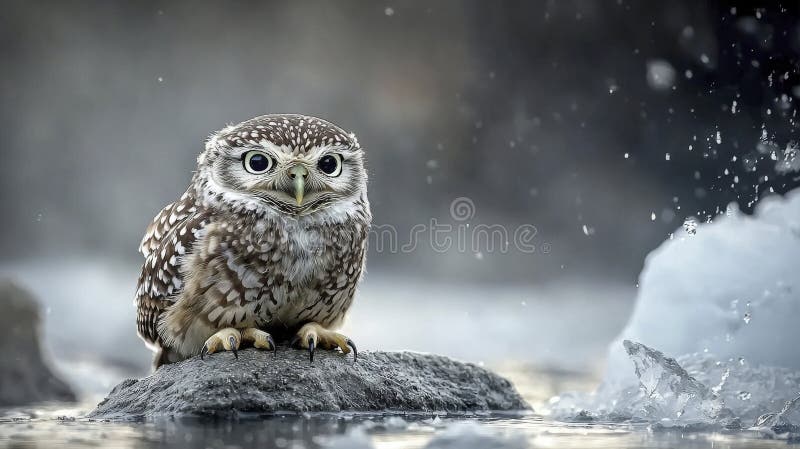
In the vast, unyielding expanse of the Arctic, a silent sentinel of the night, the Arctic owl, navigates a landscape perpetually at the mercy of shifting climates. As the frozen tundra increasingly succumbs to warming temperatures and erratic weather patterns, a profound story unfolds—one of resilience, vulnerability, and urgent call for protection. This narrative challenges us to rethink not only the fate of a singular species but the intricate web of life that hinges upon the fragile Arctic equilibrium. The plight of the Arctic owl, emblematic of this pristine wilderness, promises to reshape our understanding of ecological interconnectedness and compels a vigilant reevaluation of conservation in an era of accelerating change.
The Recovery of the Barn Owl in the UK: A Conservation Triumph
The barn owl, a spectral specter of the twilight, has long been a symbol of both mystery and fragility in the British countryside. Once a common sight gliding silently over moonlit fields, its numbers dwindled to the brink of oblivion by the late 20th century. Yet, against the odds, this ethereal hunter has staged a remarkable resurgence—a testament to the resilience of nature and the power of human intervention. The recovery of the barn owl in the UK is not merely a conservation success story; it is a symphony of science, stewardship, and serendipity, where every fluttering wingbeat echoes the triumph of hope over despair.
The Global Owl Conservation Network: Connecting Researchers Worldwide
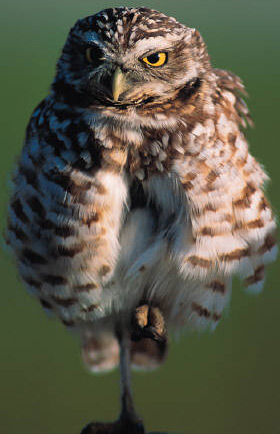
What if the key to saving the world’s most enigmatic birds lay not in solitary research labs or isolated field stations, but in the unspoken bonds between scientists scattered across continents? The Global Owl Conservation Network (GOCN) isn’t just another conservation initiative—it’s a living, breathing web of collaboration, where data flows like whispers through the night and shared insights become the wings that lift endangered species from the brink. In a world where biodiversity is hemorrhaging at an unprecedented rate, these researchers are rewriting the rules of conservation by turning competition into camaraderie. But as they stitch together a tapestry of knowledge, a playful yet pressing question lingers: Can a global network truly outpace the relentless march of habitat destruction?
The Endangered Species Act and Owls: Which Species Are Protected?

The night whispers secrets only the wise can decipher. Among the feathered sentinels of the dark, owls stand as silent guardians of the wild, their piercing gaze cutting through the veil of dusk. But what happens when these enigmatic creatures become the subjects of human law? The Endangered Species Act (ESA) isn’t just a bureaucratic document—it’s a lifeline for species teetering on the brink, and owls, with their silent flight and cryptic lives, are no exception. This act doesn’t just protect; it reshapes our understanding of coexistence, forcing us to confront the fragility of the natural world and our role within it.
The Science of Owl Communication: How They Use Sound to Survive
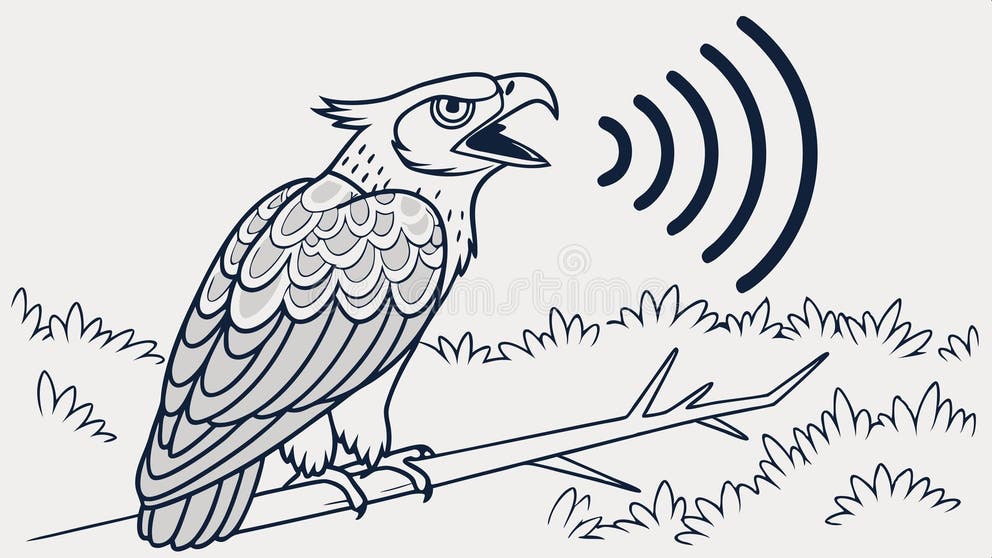
On quiet, moonlit nights, the haunting calls of owls pierce through the stillness, sparking a primal intrigue within us. These enigmatic sounds, both eerie and captivating, have long drawn human fascination, prompting questions about their purpose and complexity. What lies behind these vocalizations that seem to echo wisdom itself? Far beyond mere hoots, owl communication is a sophisticated symphony of auditory signals essential not only for survival but for maintaining intricate social dynamics. Delving into this world reveals the extraordinary science underlying how owls masterfully wield sound to navigate the challenges of their nocturnal lives.
The Impact of Owls on Public Health: Controlling Rodent-Borne Diseases
Have you ever wondered if the haunting hoot of an owl lurking in the night could be more than just a nocturnal serenade? Could these enigmatic hunters be silent guardians, warding off unseen threats that jeopardize our health? Rodents, though small, are notorious carriers of a myriad of diseases that imperil public health globally. But in the shadowy alcoves where owls reign supreme, a primal dance unfolds—one that might just hold the key to mitigating the scourge of rodent-borne illnesses. Yet, can nature’s own predators effectively tackle this challenge, or does the complexity of disease transmission demand a more nuanced approach?