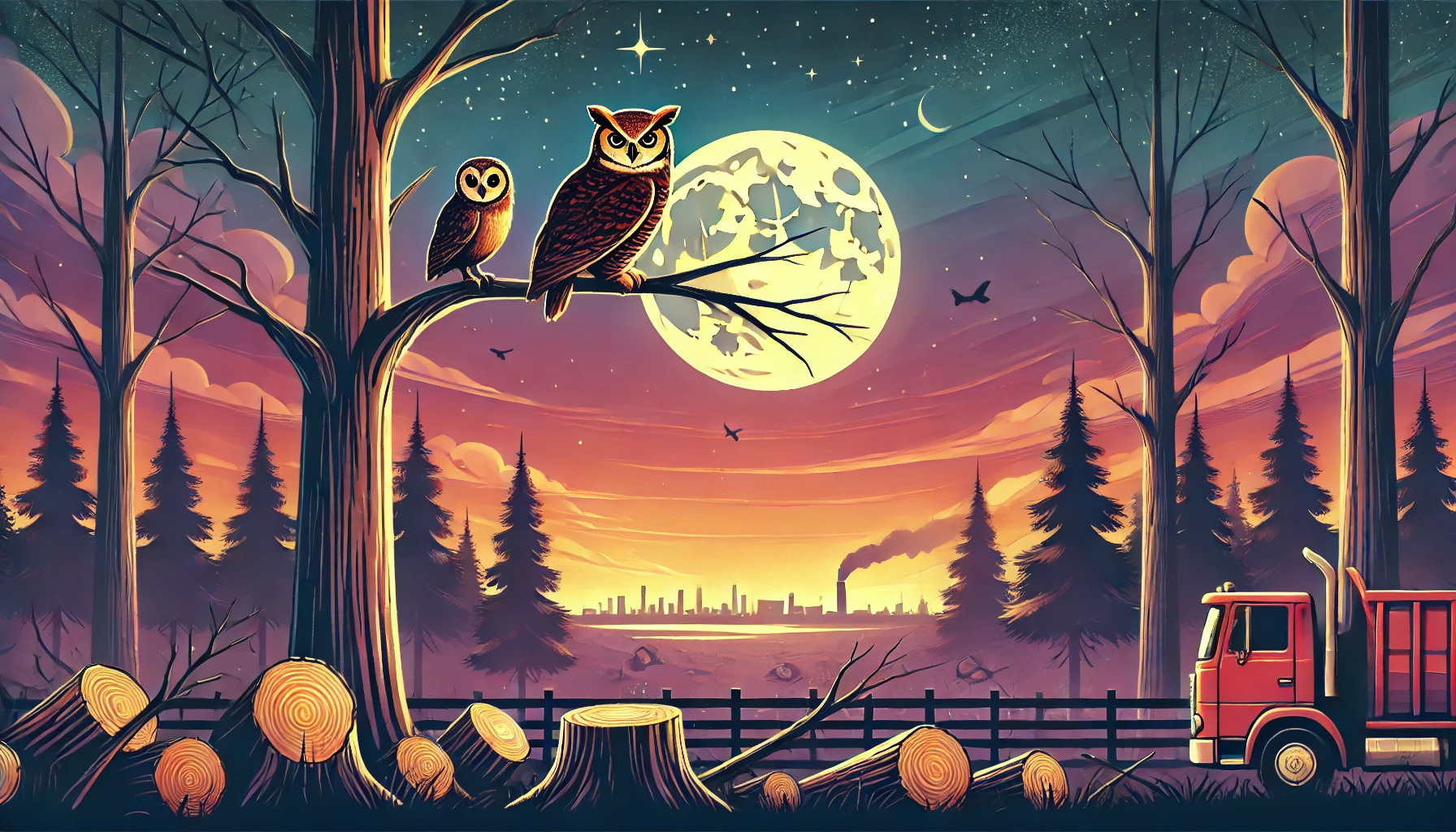
What if a single, well-crafted whisper could echo through the forests of Germany and summon the resurgence of a majestic predator? The eagle owl, with its piercing amber eyes and silent wings, once teetered on the brink of local extinction in parts of Europe. Yet today, thanks to a symphony of public awareness campaigns, this nocturnal titan is reclaiming its domain. How did grassroots movements, educational initiatives, and media storytelling transform the fate of Bubo bubo in Germany? Let’s embark on a journey through the corridors of conservation, where awareness became the catalyst for change.
The Eagle Owl: A Silent Guardian of the Night
Perched atop ancient oaks or surveying rocky crags, the eagle owl is the unrivaled sovereign of Germany’s twilight realm. With a wingspan stretching nearly two meters and a voice that resonates like a deep, resonant horn, it commands both awe and curiosity. Yet beneath its regal facade lies a creature of vulnerability—habitat loss, persecution, and human encroachment once threatened its existence. The eagle owl, Bubo bubo, is not merely a bird; it is a living emblem of wilderness, a sentinel whose presence signals ecological balance. But how does one awaken a nation’s conscience to the plight of a creature so elusive it often escapes notice until dusk?
From Whispers to Roars: The Birth of Awareness Campaigns
The first step in any conservation triumph is breaking the silence. In the early 2000s, German wildlife organizations began crafting campaigns that transcended mere facts and figures. They transformed data into narratives. Posters featuring the eagle owl’s piercing gaze appeared in schools, zoos, and town squares. Brochures told the story of a bird that could live up to 20 years in the wild, yet was vanishing due to human indifference. Social media became a battleground of engagement, where short videos captured the owl’s hunting prowess or the tender moments of fledglings taking their first flights. The message was clear: this bird was not just a species—it was a story worth saving.
The Power of Symbolism: Why the Eagle Owl Captivated Hearts
Every conservation hero needs a face, and the eagle owl wore its crown effortlessly. Unlike smaller birds, its size and mystique made it a natural focal point for campaigns. Artists painted murals of the owl in urban centers. Children’s books featured its adventures. Even local breweries named limited-edition beers after the bird, with proceeds supporting habitat restoration. The owl’s symbolism—wisdom, mystery, and resilience—resonated deeply in a culture that reveres both tradition and nature. But symbolism alone could not sustain change. It needed action, and that action began with education.
Education as the Keystone: Schools, Scientists, and Citizen Science
Classrooms became the front lines of the eagle owl’s redemption. Teachers wove lessons about nocturnal ecosystems into biology curricula, while ornithologists led field trips to observe nesting sites. Citizen science initiatives flourished, inviting birdwatchers of all ages to report sightings via apps. These efforts did more than collect data—they fostered a sense of stewardship. Families began installing nest boxes in their gardens, mimicking the owl’s natural cavities. The once-distant bird became a neighbor, a subject of dinner-table conversations, and a reason to step outside after dark. Yet, as participation grew, so did a new challenge: how to ensure that enthusiasm didn’t outpace expertise?
The Media’s Role: From Documentaries to Viral Moments
Television and digital platforms amplified the owl’s story to unprecedented heights. Documentaries like *The Silent Guardian* showcased the bird’s life cycle in stunning detail, while viral social media clips captured its hunting dives in slow motion. One particularly memorable video—a time-lapse of an eagle owl fledgling leaving the nest—garnered millions of views, sparking donations and volunteer sign-ups overnight. The media didn’t just inform; it created emotional connections. But in an era of fleeting attention spans, how could these campaigns sustain their momentum without becoming repetitive?
Policy and Partnerships: When Awareness Meets Legislation
Public sentiment, once ignited, needed legal reinforcement. Conservation groups partnered with policymakers to draft protective measures, such as bans on disturbing nesting sites and stricter penalties for illegal hunting. The eagle owl’s status shifted from “endangered” to “protected,” a testament to the synergy between grassroots passion and governmental action. Yet, even with these victories, a shadow loomed: climate change. Rising temperatures and shifting habitats posed a silent, creeping threat that no campaign could fully address. How could awareness campaigns adapt to an enemy that moved at the pace of glaciers?
The Unseen Battle: Balancing Tourism and Conservation
As eagle owl sightings became more common, a new dilemma emerged. Eco-tourism boomed, with photographers and birders flocking to known habitats. While this brought economic benefits, it also risked disturbing the very creatures campaigns sought to protect. Organizations responded by creating “owl-friendly” guidelines, designating viewing areas, and training local guides in ethical practices. The challenge was delicate: how to share the owl’s magic without exploiting it. The answer lay in fostering respect—a reminder that the eagle owl was not a spectacle, but a survivor.
A Legacy of Wings: The Eagle Owl’s Comeback
Today, the eagle owl’s resurgence in Germany is more than a conservation success story; it is a blueprint for how awareness can catalyze change. Populations have stabilized in many regions, and reintroduction programs continue to expand. Yet the work is never truly done. New threats—wind turbines, pesticide use, and urban sprawl—demand constant vigilance. The campaigns that saved the eagle owl must now evolve, embracing innovation and global collaboration. Perhaps the greatest lesson is this: awareness is not a one-time shout, but a chorus that must be sung in harmony across generations.
So, the next time you hear a deep, resonant call echoing through the German night, pause and listen. It may well be the eagle owl, its wings beating a rhythm of hope—and a reminder that even the most silent guardians can be heard when the world chooses to pay attention.