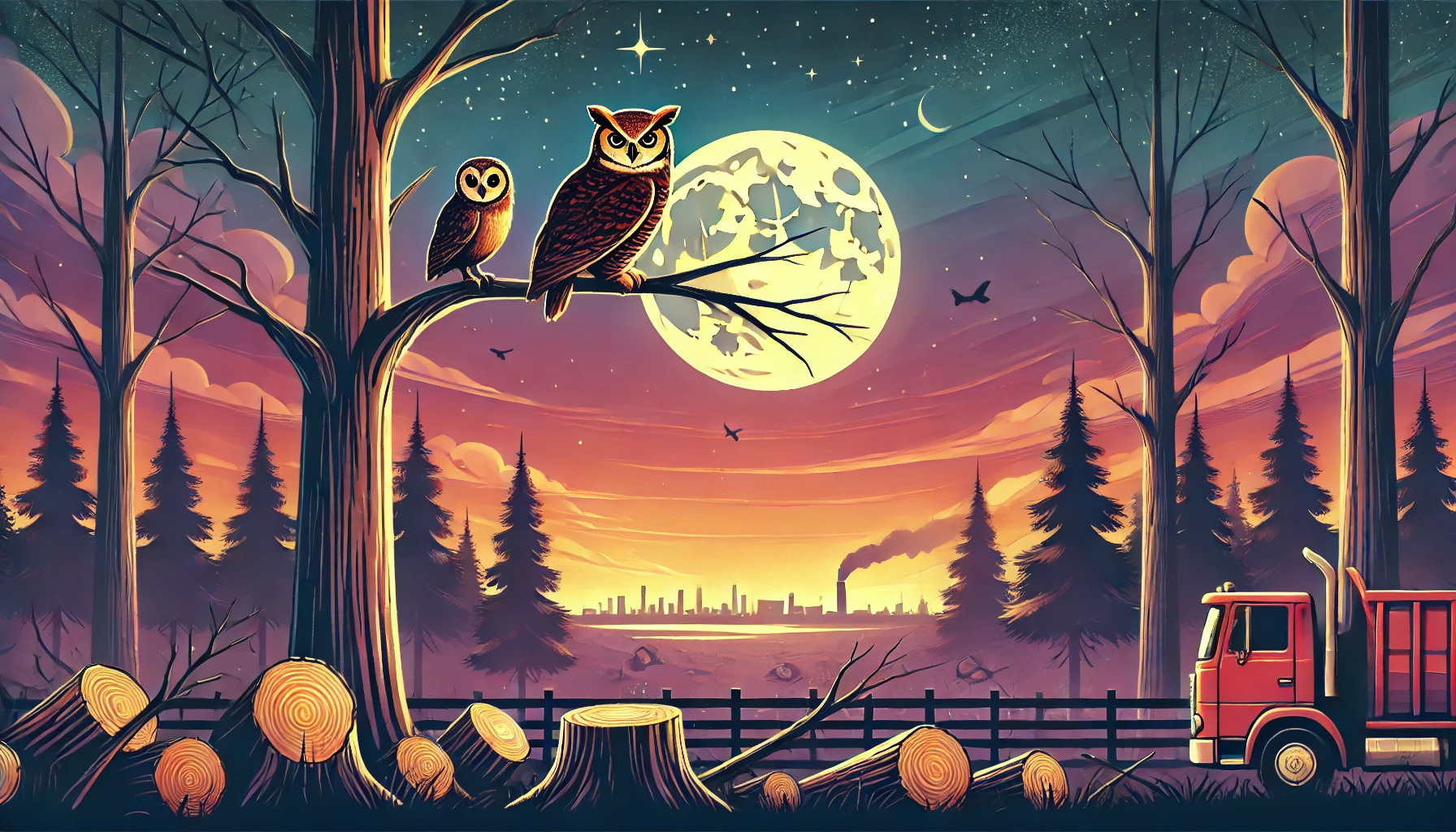
There’s a hush that falls over a crowd when the first owl’s silhouette glides across the night sky—a silent testament to nature’s most enigmatic guardians. Owls, those feathered philosophers of the dark, have long captivated human imagination, weaving themselves into myths, folklore, and the quiet corners of our collective consciousness. Yet, beyond their mystical allure, these birds of prey play a vital role in maintaining ecological balance, their presence a barometer of environmental health. What if your community could not just admire these creatures from afar but actively champion their cause? Organizing an owl awareness event might just be the catalyst your neighborhood needs to shift perspectives, foster connection, and ignite a shared passion for conservation. Here’s how to transform curiosity into action, and passive observers into passionate protectors of the night.
The Alchemy of Awareness: Why Owls Deserve the Spotlight
Owls are more than mere symbols of wisdom—they are ecological linchpins, silent hunters whose existence subtly shapes the world around them. A single barn owl, for instance, can devour thousands of rodents in a year, acting as a natural pest control service that reduces the need for chemical interventions. Yet, their populations are under siege from habitat destruction, rodenticide poisoning, and the creeping shadow of light pollution that disrupts their nocturnal rhythms. An owl awareness event isn’t just an educational endeavor; it’s a clarion call to recognize these birds as sentinels of environmental well-being. By shining a light on their plight, you’re not just celebrating their mystique—you’re advocating for a healthier, more balanced ecosystem. The promise here is profound: a community that understands owls will protect them, and in doing so, safeguard the intricate web of life they support.
Laying the Groundwork: From Concept to Catalyst
The first step in orchestrating an unforgettable owl awareness event is to anchor it in purpose. Start by defining your mission—is it education, conservation advocacy, or simply fostering a deeper appreciation for these birds? Once the vision is clear, assemble a team of like-minded enthusiasts, from local birding groups to environmental educators, who can bring diverse skills to the table. Scout potential venues early, prioritizing locations with existing owl populations or those that can be transformed into temporary havens. A quiet park, a community garden, or even a school courtyard can serve as the stage for your event. Secure permits if necessary, and consider partnering with local businesses or environmental organizations to amplify your reach. The foundation of your event lies in its authenticity—every detail, from the guest list to the venue, should reflect a genuine commitment to owl conservation.
The Power of Partnerships: Building a Coalition of Curiosity
No single voice can carry the weight of change alone, and an owl awareness event thrives on collaboration. Forge alliances with local wildlife rehabilitators, who can share firsthand stories of owl rescues and rehabilitation. Invite ornithologists to deliver talks on owl biology, migration patterns, and the threats they face. Reach out to art collectives to create owl-inspired murals or sculptures that become permanent fixtures in your community. Even local cafes can play a role, offering owl-themed treats or donating proceeds to conservation efforts. The key is to create a tapestry of involvement where every participant feels invested in the event’s success. When diverse voices unite under a common cause, the ripple effects extend far beyond the event itself, embedding owl conservation into the cultural fabric of your community.
Engaging the Senses: Designing an Immersive Experience
An owl awareness event should be a feast for the senses, a multisensory journey that transcends passive observation. Begin with a nocturnal ambiance—string lights in warm hues to mimic the glow of moonlight, and use subtle soundscapes of hoots, rustling leaves, and distant crickets to transport attendees into an owl’s world. Set up interactive stations where children (and adults) can mold clay owl figurines or trace the intricate patterns of owl feathers under microscopes. Host a “build your own owl box” workshop, teaching participants how to construct safe nesting sites for local owl species. For the adventurous, organize a guided night walk with flashlights, where a naturalist points out the subtle signs of owl activity—droppings, pellets, or the telltale silhouettes perched in trees. The goal is to make owls tangible, to transform abstract admiration into a visceral connection that lingers long after the event concludes.
Educating with Impact: Crafting Messages That Resonate
The heart of any awareness event lies in its ability to educate, but not all knowledge is created equal. Ditch the dry statistics and instead, weave narratives that evoke emotion and urgency. Share the story of a rehabilitated owl that, once released, returned to its rescuers with a gift—a feather left at their doorstep—as if to say, “Thank you.” Highlight the interconnectedness of owl conservation with broader environmental issues, such as the decline of insect populations or the overuse of pesticides. Use visuals that stun: before-and-after images of a thriving owl habitat versus a clear-cut forest. Invite attendees to participate in a pledge wall, where they commit to small but meaningful actions, like reducing light pollution at night or planting native vegetation. The most powerful education doesn’t just inform—it inspires action, leaving participants with a sense of agency and purpose.
Sustaining the Momentum: From Event to Legacy
The true measure of an owl awareness event’s success isn’t measured in attendance numbers alone, but in the seeds it plants for the future. To ensure the momentum doesn’t fade, establish a post-event plan that keeps the conversation alive. Create a community-led owl monitoring program, where volunteers track owl sightings and report data to local conservation groups. Launch a social media campaign featuring photos and stories from the event, tagging local influencers and environmental organizations to extend its reach. Consider establishing a “Friends of Local Owls” group, a grassroots initiative that meets monthly to discuss conservation efforts, share updates, and organize future activities. The promise of your event should extend beyond a single day—it should be the spark that ignites a lifelong commitment to protecting these feathered guardians of the night.
The Ripple Effect: How One Event Can Transform a Community
Imagine a town where the sight of an owl in flight no longer evokes fear or indifference, but pride and curiosity. Where children grow up knowing not just the names of local owl species, but their roles in the ecosystem. Where adults, once oblivious to the threats facing these birds, now advocate for their protection in town hall meetings and local elections. This is the ripple effect of an owl awareness event—a shift in perspective that begins with a single gathering but radiates outward, transforming attitudes, policies, and even landscapes. The promise is not just of a better future for owls, but of a community awakened to its own potential as stewards of the natural world. So, will you answer the call? The night is waiting, and the owls are listening.