
Amidst the ceaseless hum of urban life, the silent flight of owls often goes unnoticed, yet their presence within cityscapes has garnered a unique place in both our collective imagination and the evolving realm of urban planning. There is an almost mystical allure to these nocturnal sentinels—creatures of stealth, wisdom, and an enigmatic grace—that transcends mere curiosity. This fascination hints at a deeper, intrinsic yearning to weave nature’s intricate tapestries into the fabric of sprawling metropolises. As cities burgeon and ecosystems contract, the role of owls in shaping wildlife-sensitive urban planning emerges not just as an ecological concern, but as an emblematic bridge between civilization and wildness.
Conservation Efforts & Policies
What If All Owls Went Extinct? The Ecological Consequences
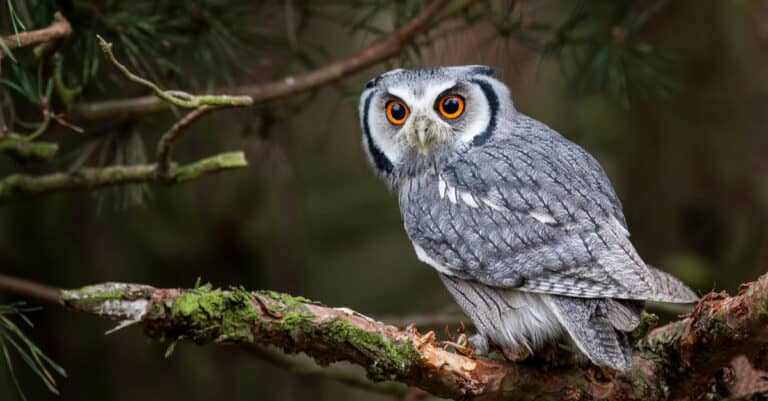
There is something ineffably captivating about owls. Their silent flight, their large, unblinking eyes that seem to pierce the veil of darkness, and their mysterious calls have beguiled humankind for centuries. Many marvel at their nocturnal prowess and elegant presence, wondering why these creatures evoke such profound fascination. But beyond the romanticized veneer lies an essential thread in the fabric of ecosystems—one whose sudden unraveling would reverberate through nature’s delicate balance. What if all owls went extinct? The ecological consequences would be far-reaching and instigate a cascade of transformations, undermining biodiversity and altering environmental equilibrium in ways few might anticipate. Let us embark on a journey to explore the shadowy ramifications of a world without owls.
Owl Games and Puzzles: Learning Through Play

What if learning could be as effortless as a child’s laughter, as engaging as a treasure hunt, and as rewarding as a quiet moment of discovery? Enter the world of Owl Games and Puzzles—a realm where curiosity takes flight, and every challenge is met with a playful twist. These aren’t just toys; they’re gateways to cognitive growth, emotional resilience, and boundless creativity. Whether your little one is a fledgling problem-solver or a seasoned puzzle master, Owl Games and Puzzles transform learning into an adventure that feels less like education and more like play.
Owls and Psychology: The Human Fascination with These Birds
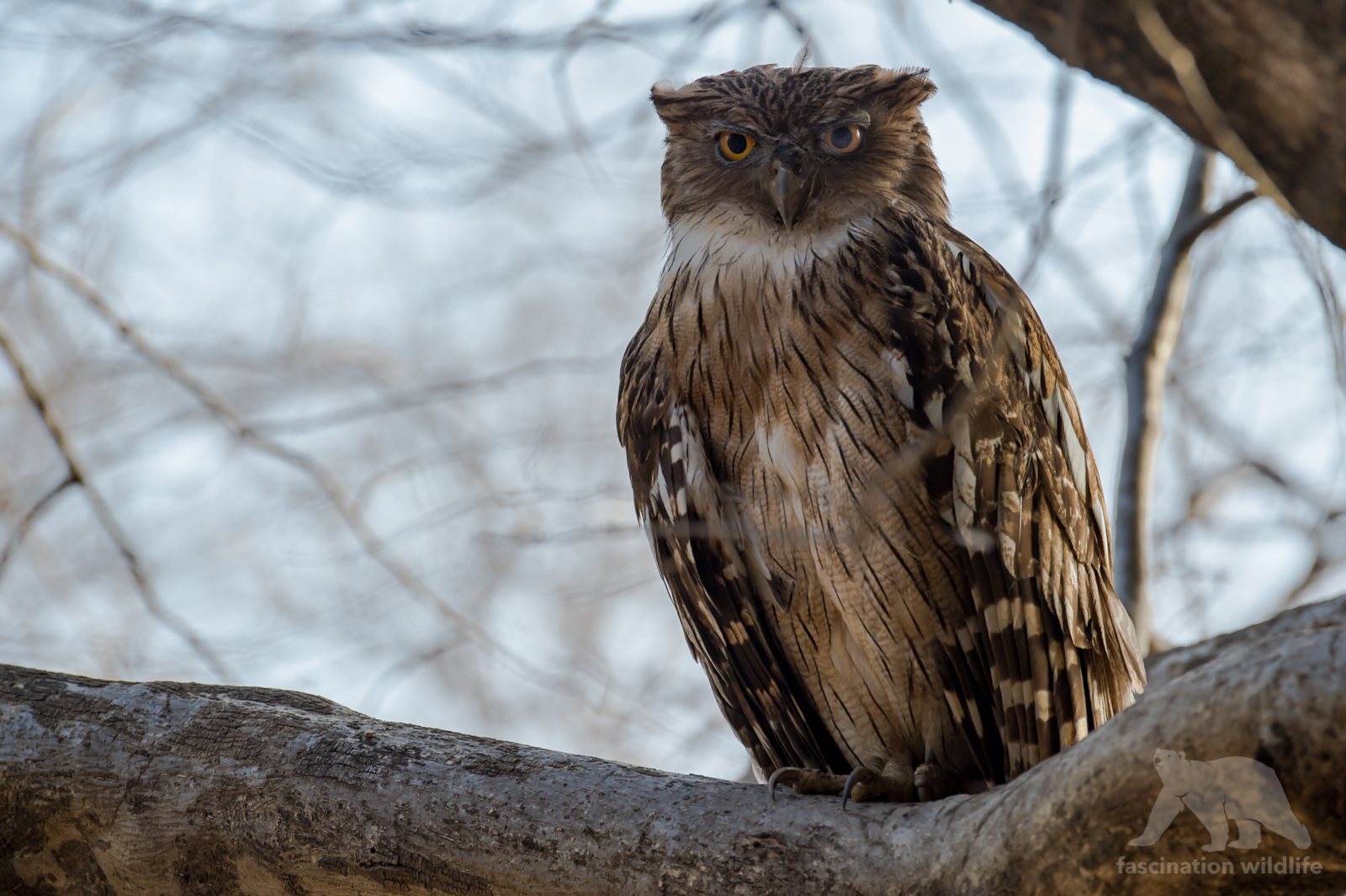
There is something undeniably magnetic about owls — those enigmatic, wide-eyed sentinels of the night. Across cultures and centuries, these birds have evoked a mystique that transcends mere admiration. They stir our collective imagination, casting a spell that intertwines the natural world with the labyrinthine corridors of human psychology. What is it about owls that seizes our fascination so profoundly? How do these nocturnal creatures, cloaked in feathered silence, hold a mirror to our deepest curiosities and fears? This exploration seeks to unravel the psychological tapestry woven by the presence of owls, promising a renewed perspective on our enigmatic bond with these creatures of the dusk.
The Role of Owls in Island Ecosystems: Unique Challenges and Solutions
Islands are natural laboratories of evolution, isolated realms where ecological interactions unfold in singular ways. Among the myriad creatures inhabiting these landmasses, owls hold a particularly vital niche. They are enigmatic sentinels of the night, weaving a tapestry of balance and survival in island ecosystems. Yet, the roles they play are often complicated by the distinct challenges intrinsic to island environments—fragile biodiversity, limited resources, and human encroachment. Exploring the multifaceted functions of owls within these unique ecosystems reveals not only their ecological importance but also the innovative solutions needed to preserve their existence and the health of island habitats.
The Role of Owls in Disease Regulation: How They Help Control Pathogens

Have you ever wondered if there’s a hidden army in the night that not only keeps the skies mysteriously silent but also acts as a frontline defender against a barrage of microscopic foes? What if the silent swoop of an owl isn’t just a symbol of wisdom but a crucial piece in the intricate puzzle of disease regulation on our planet? The question beckons: can these nocturnal predators truly hold the key to controlling pathogens, thereby safeguarding ecosystems and even human health? Unraveling this mystery leads us into a fascinating exploration of the ecological and epidemiological significance of owls—a story interwoven with nature’s delicate balance and unseen battles against disease.
What If Owls Could Live for 100 Years? The Population Dynamics
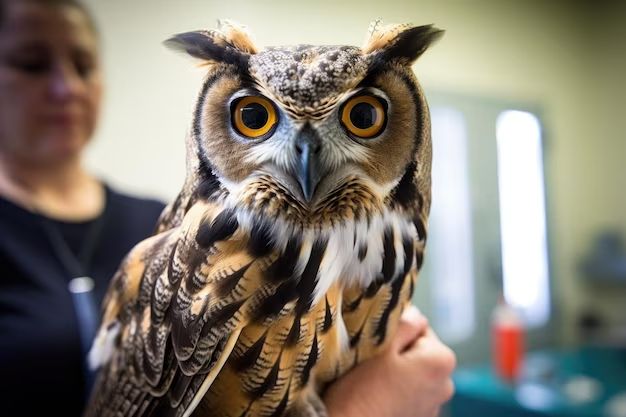
Imagine a realm where the silent sentinels of the night — owls — possess the longevity of ancient trees, their lives stretching out to a century or more. What if these enigmatic creatures, emblematic of wisdom and mystery, could live for 100 years? This notion conjures a tapestry of ecological, evolutionary, and cultural reverberations, as their prolonged existence would ripple through the very fabric of ecosystems. The implications for population dynamics alone are profound, reshaping how these nocturnal sovereigns interact with the environment and with one another. Their lives, usually fleeting in the natural order, would become elongated epics, narrating undreamed stories of survival, adaptation, and intricate balances.
The Role of Education in Shaping the Next Generation of Owl Conservators
The next generation of owl conservators stands at the precipice of a transformative era—one where education becomes the compass guiding their path toward preserving these enigmatic raptors. Owls, with their silent flight and piercing gaze, have long captivated human imagination, but their survival now hinges on the dedication of those who understand their ecological intricacies. Education is not merely a tool; it is the bedrock upon which future conservationists will build their expertise, blending scientific rigor with hands-on stewardship. This article explores the multifaceted role of education in shaping these guardians of the night, from immersive fieldwork to cutting-edge research, ensuring that the hoot of an owl in the wilderness remains a permanent fixture of our natural heritage.
The Role of Owls in Nutrient Cycling: How They Contribute to Ecosystem Health
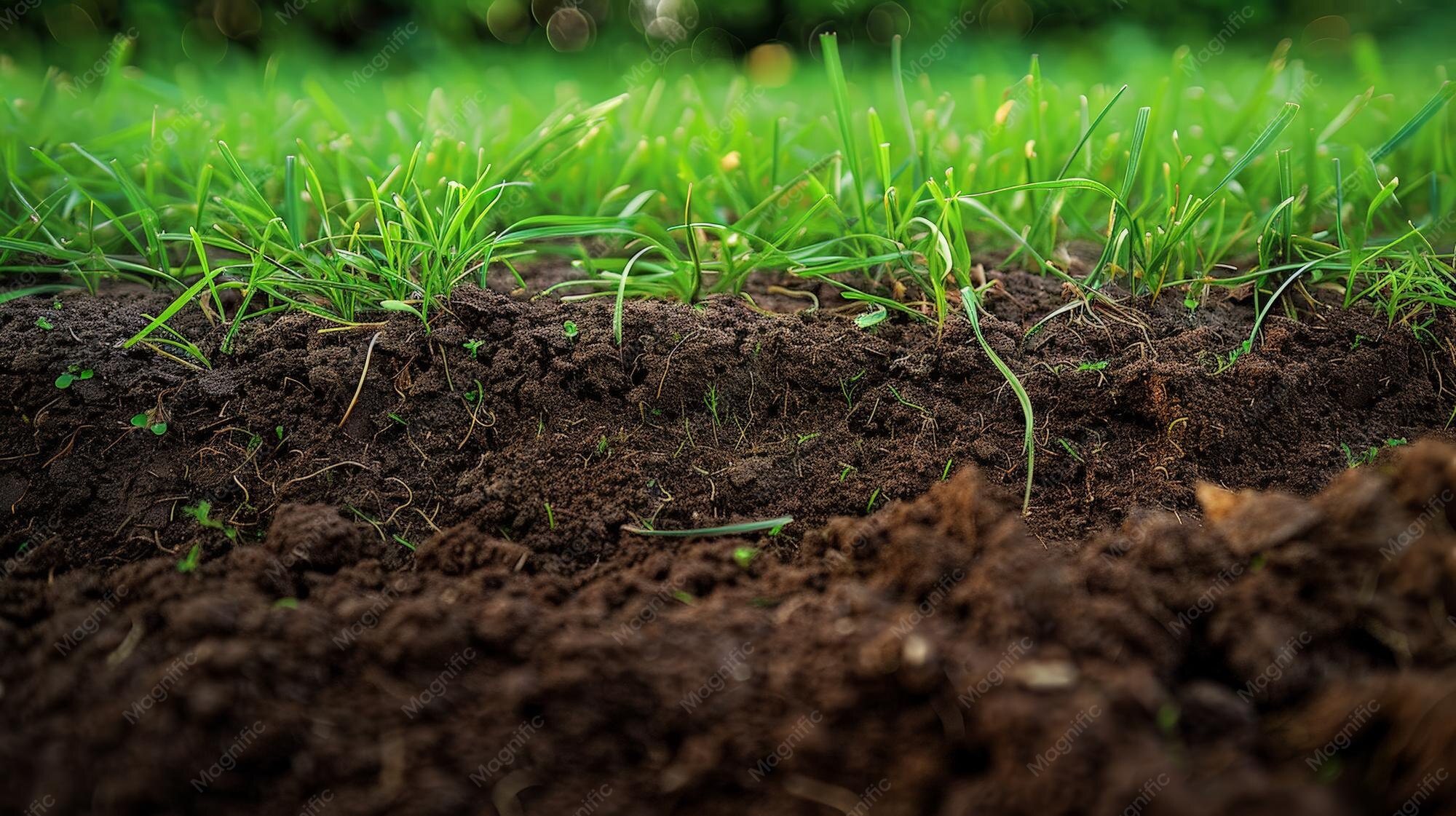
When we think of nutrient cycling — the intricate, ceaseless process by which life sustains itself — owls rarely come to mind. Yet these enigmatic creatures perform an indispensable function that transcends their silent flights and haunting calls. They are not mere predators of the night; owls are vital cogs in the complex machinery of ecosystem health. By unraveling how owls contribute to nutrient cycling, one discovers a riveting tale of interdependence, sustenance, and transformation that challenges traditional ecological narratives.
Climate-Resilient Conservation: Adapting Strategies for a Changing World

The natural world is not a static tableau but a dynamic symphony of adaptation, where every species, ecosystem, and landscape dances to the rhythm of change. Yet today, the tempo has quickened. The once-predictable cadence of seasons is now syncopated by erratic storms, protracted droughts, and relentless heat—each note a testament to a planet in flux. Conservation, once a discipline rooted in preservation, must now evolve into a living, breathing art of resilience. Welcome to the era of climate-resilient conservation: where strategies bend like reeds in the wind, where ecosystems are not merely shielded but strengthened, and where humanity’s role shifts from steward to co-creator of a thriving future.