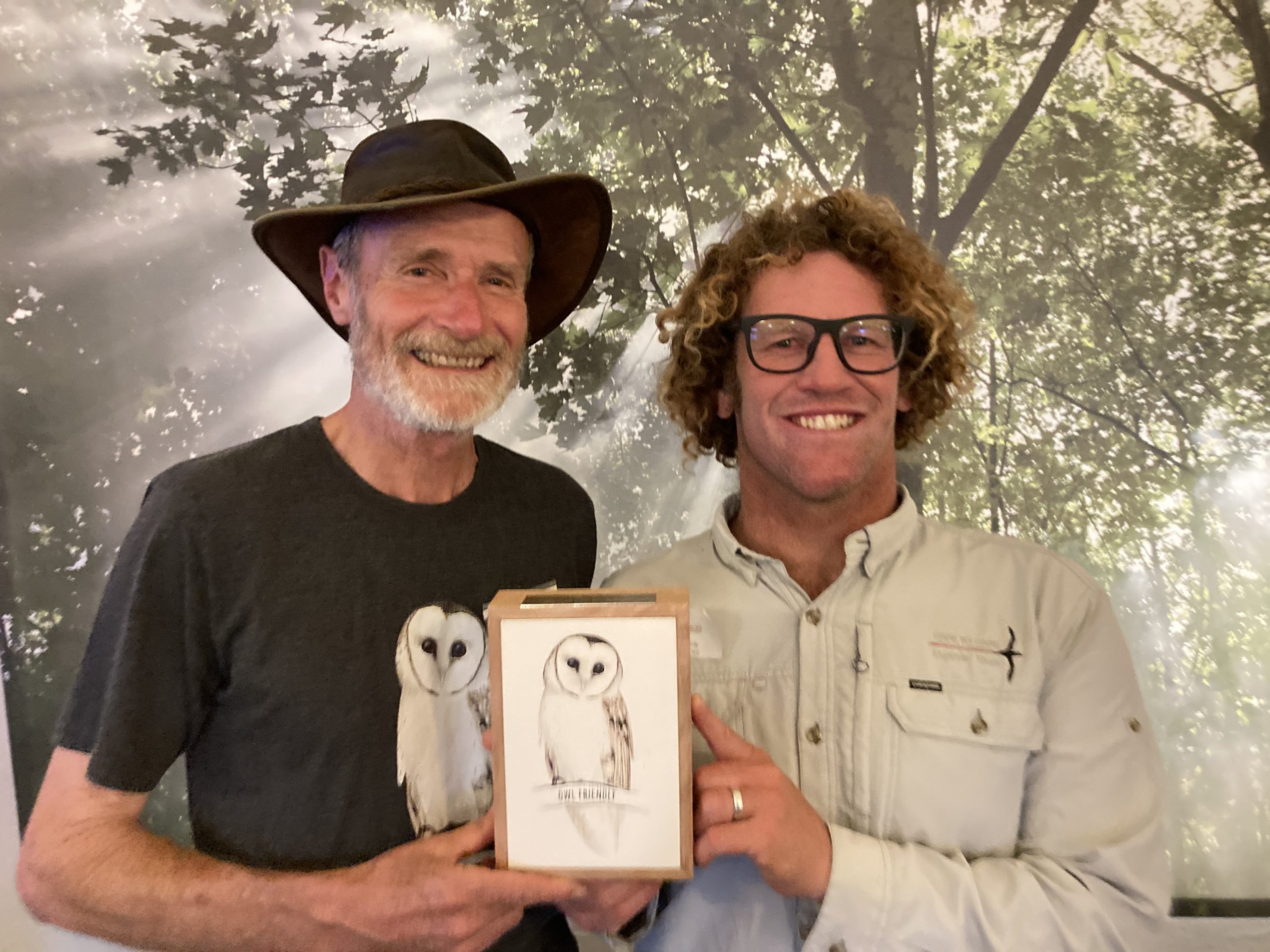
What if a single tweet could save a species from the brink of extinction? Social media, that double-edged sword of modern communication, has become an unlikely ally in the fight to protect some of nature’s most enigmatic creatures—owls. These silent sentinels of the night, with their piercing gaze and feathered mystique, have long captivated human imagination. Yet, their survival is increasingly threatened by habitat loss, climate change, and human encroachment. Enter the digital age, where platforms like Instagram, Twitter, and TikTok are transforming owl conservation from a niche endeavor into a global movement. But can a viral post truly make a difference, or does the ephemeral nature of online engagement risk trivializing the very causes it seeks to champion?
Conservation Efforts & Policies
What the Next Decade Holds for Owl Populations Worldwide
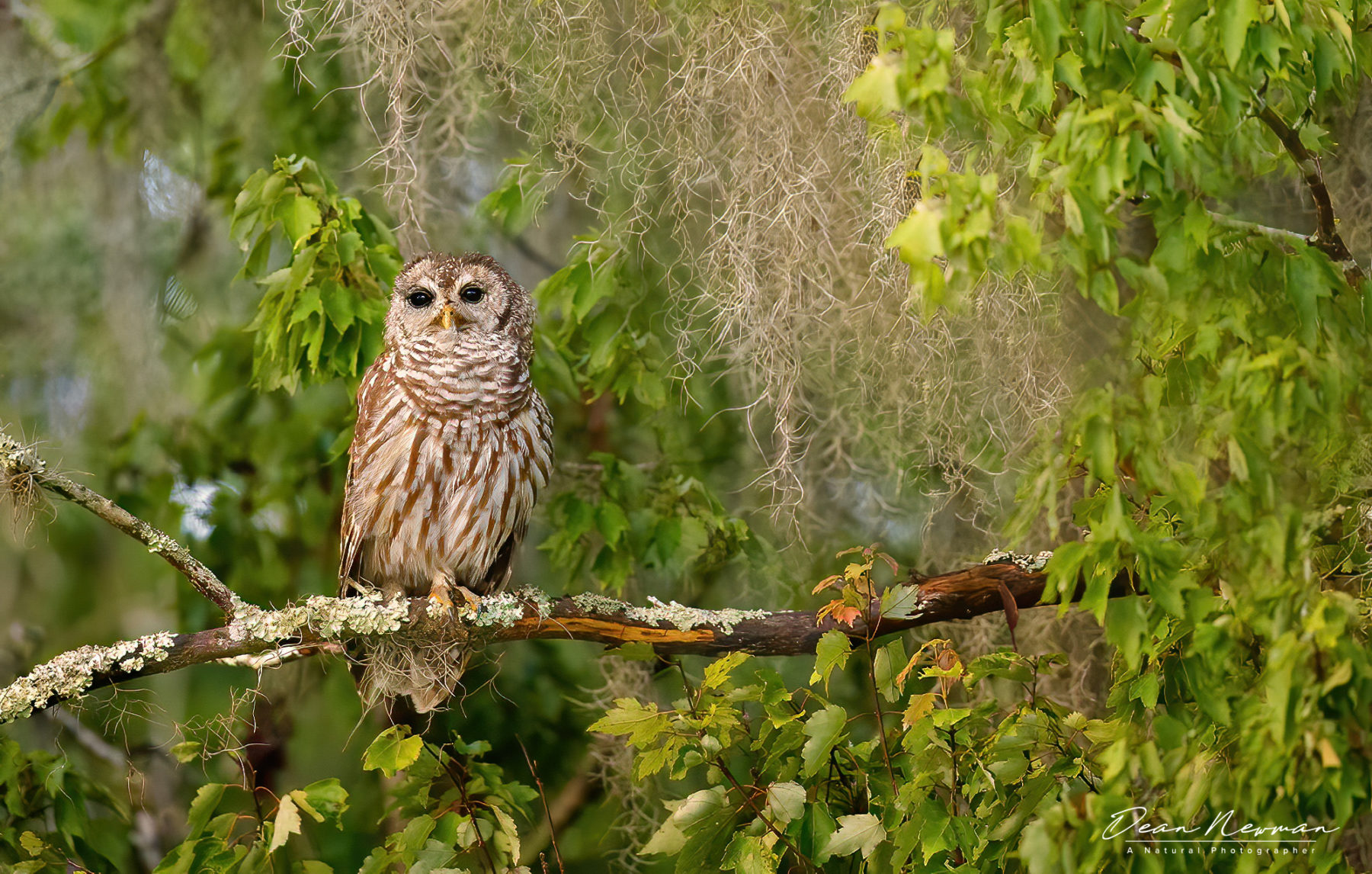
The next decade will be a crucible for owl populations worldwide—a decade where the silent wings of these enigmatic birds will either soar into a renaissance of conservation triumph or falter under the weight of accelerating ecological upheaval. As dusk descends on forests and grasslands, the hoot of an owl is not merely a nocturnal serenade; it is a barometer of planetary health, a whisper of biodiversity in peril, and a harbinger of what lies ahead for ecosystems teetering on the edge of transformation. The coming ten years will demand more than passive observation; they will require a radical reimagining of humanity’s relationship with the natural world. This is not a story of doom, but of possibility—a narrative where science, policy, and community converge to rewrite the fate of one of nature’s most mesmerizing predators.
How Habitat Restoration Brought Back the Long-Eared Owl in Spain
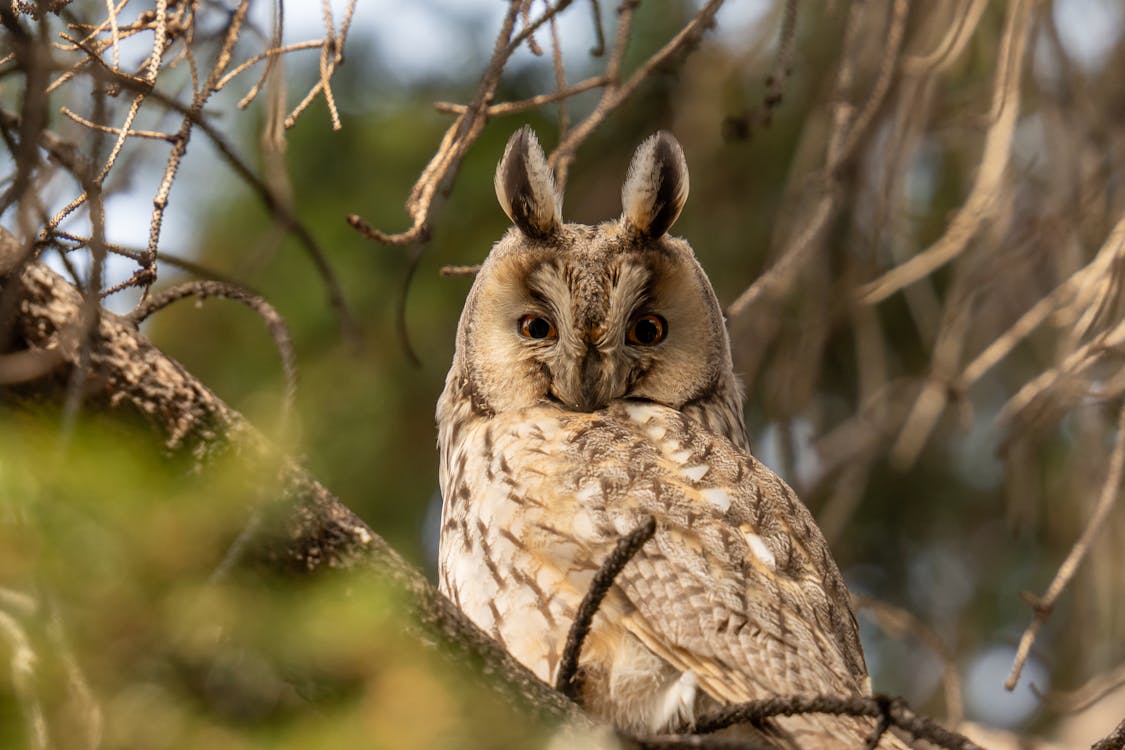
In the quiet embrace of Spain’s rejuvenated woodlands, a silent sentinel has returned—one that stirs both awe and curiosity in those who witness its presence. The long-eared owl, with its striking ear-like tufts and piercing amber gaze, is more than just a nocturnal hunter; it is a living testament to nature’s resilience and humanity’s capacity for restoration. Once on the brink of local decline, this enigmatic bird has made a remarkable comeback, its haunting calls echoing through forests that have been lovingly reclaimed from neglect. The story of its return is not merely one of ecological recovery, but a profound narrative about the intricate dance between human intervention and the wild, where every rustling leaf and shadowed bough tells a story of second chances.
The Future of Owl Rehabilitation: Advances in Veterinary Care
The silent sentinels of the night, owls, have long captivated humanity with their piercing gaze and enigmatic presence. Yet beyond their mystique lies a fragile existence, one increasingly threatened by habitat loss, vehicular collisions, and environmental toxins. As stewards of the natural world, we face a moral imperative: to ensure these magnificent creatures not only survive but thrive. The future of owl rehabilitation hinges on groundbreaking advances in veterinary care, where science meets compassion to mend broken wings and shattered lives. This evolution in treatment is not merely a scientific endeavor—it is a testament to our evolving relationship with the wild, where every life saved echoes through the forest canopy.
Community-Based Owl Conservation: How Local Groups Are Making a Difference
There’s a quiet revolution stirring in the heart of our communities, one that unfolds not in the glare of stadium lights or the hum of corporate boardrooms, but in the hushed wings of the night. Owls—those enigmatic, feathered sentinels of the dark—are becoming the unlikely mascots of a grassroots movement that is rewriting the rules of conservation. These nocturnal guardians, often dismissed as mere folklore or pests, are now at the center of a groundswell of local initiatives that prove conservation isn’t just the domain of scientists in lab coats or politicians in suits. It’s happening in backyards, schoolyards, and abandoned lots, where ordinary people are rolling up their sleeves to protect these silent hunters. This is the story of how community-based owl conservation is not just preserving a species, but reshaping our relationship with nature itself.
How Would Owl Conservation Differ If They Were Diurnal Instead of Nocturnal?
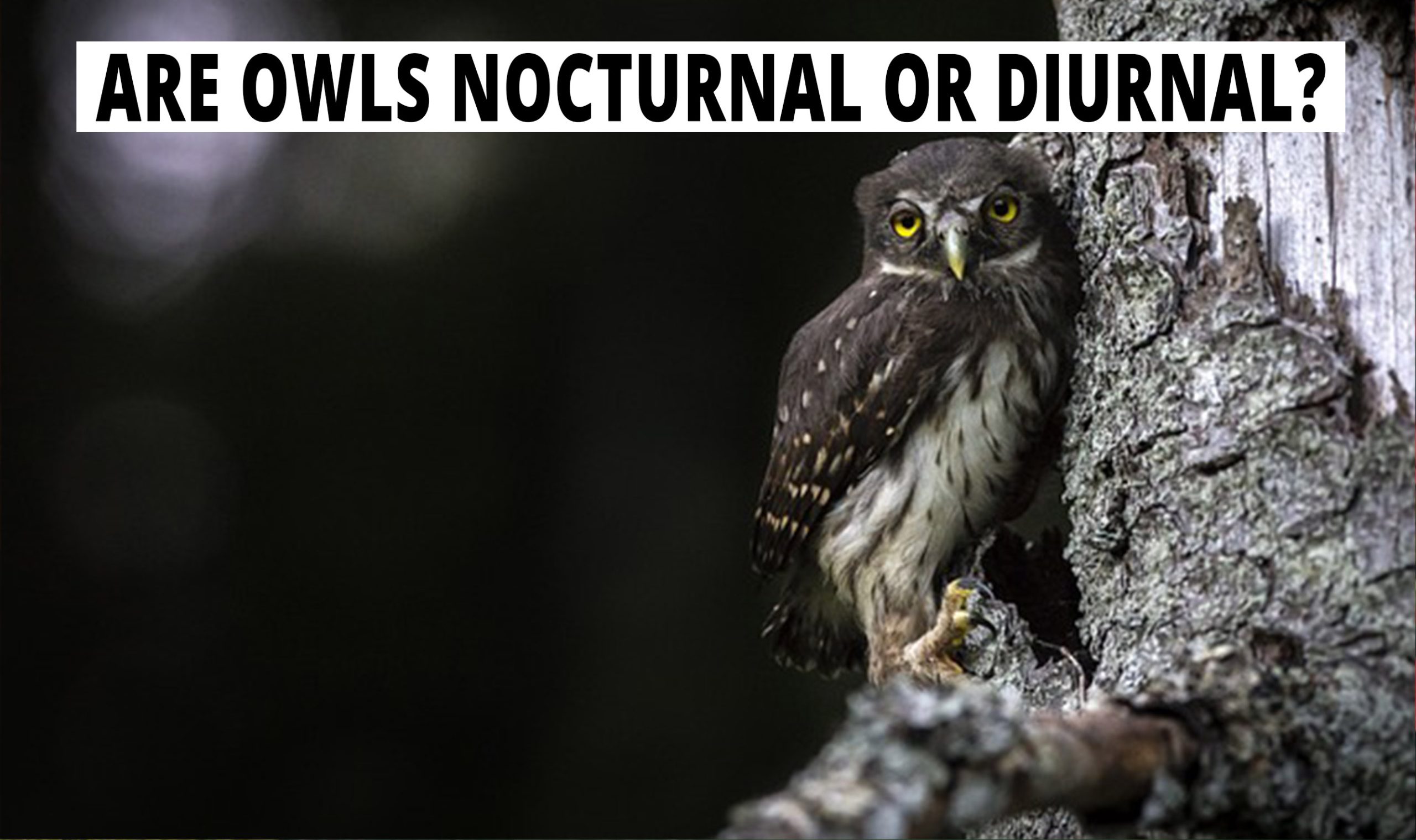
Owls have long fascinated humanity with their mysterious nocturnal lifestyle, silently soaring through moonlit skies and symbolizing wisdom and enigma. Their nighttime habits are more than just a curious trait—they intricately shape their behavior, habitat requirements, and ultimately, the strategies needed to conserve them. But what if the tables were turned? Imagine owls as diurnal creatures, active under the bright sun instead of the cover of darkness. This hypothetical shift provokes a profound reevaluation of conservation approaches, encompassing ecology, human interactions, and the nuances of environmental stewardship.
The Success of the Barred Owl Management Plan in the Pacific Northwest
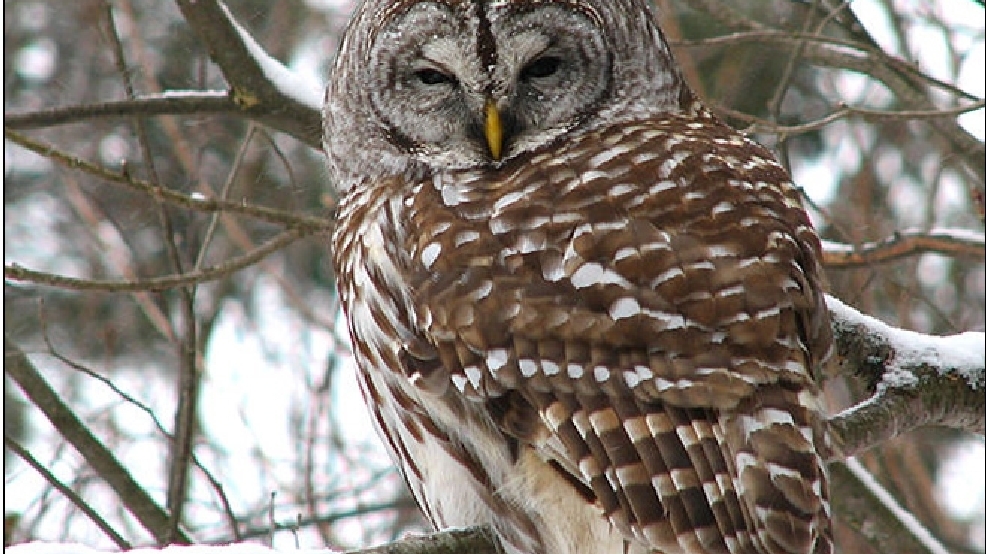
The Pacific Northwest, a realm of emerald forests and mist-laced valleys, has long been a sanctuary for biodiversity. Yet, beneath the canopy’s whispering leaves, an ecological drama has unfolded—one that pits native wisdom against invasive cunning. The barred owl, a charismatic interloper from the eastern woodlands, has quietly upended the delicate balance of this ancient ecosystem. But now, a bold experiment is underway: a management plan that seeks not just to curb, but to restore. What if this audacious endeavor could rewrite the rules of coexistence? What if the barred owl’s reign in the West was not an inevitability, but a fleeting chapter in a much grander story?
The Ecology of Owl Nesting: From Tree Cavities to Burrows
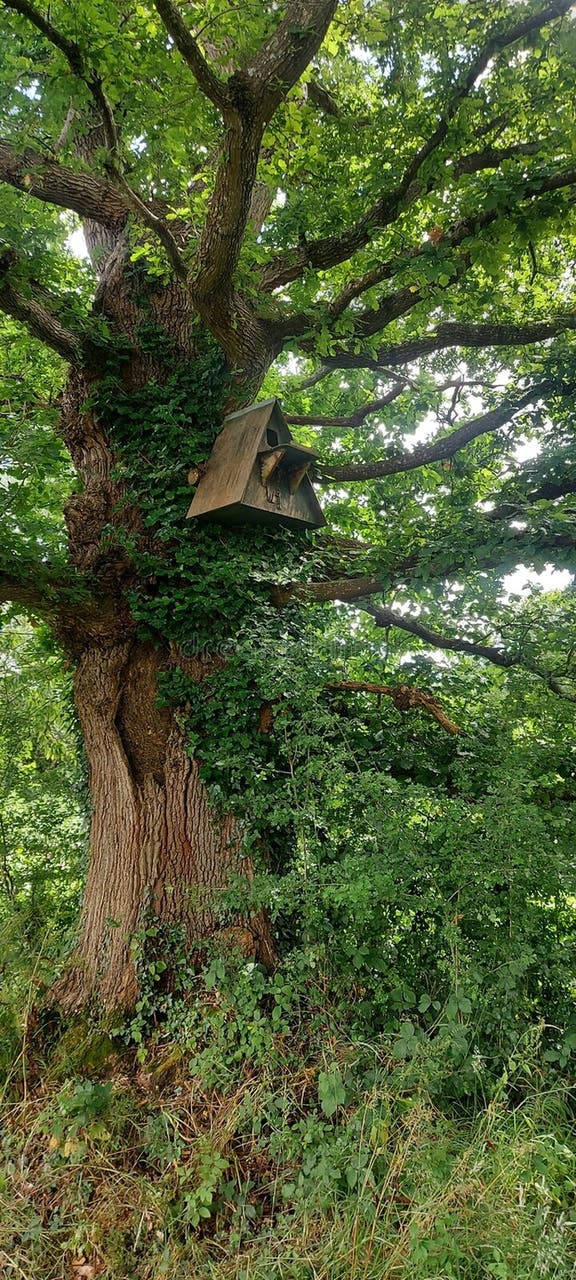
Have you ever wondered where mysterious owls choose to cradle their young, hidden away from prying eyes and the restless pulse of the modern world? The question might seem simple at first—don’t all owls just nest in trees? But the ecology of owl nesting unravels into a complex ballet of adaptation, survival, and habitat finesse. As these nocturnal sentinels stake their claims, they confront a surprising challenge: how to secure a safe haven in an ever-changing environment riddled with competition, predation, and human interference.
How Corporate Greenwashing Affects Owl Conservation
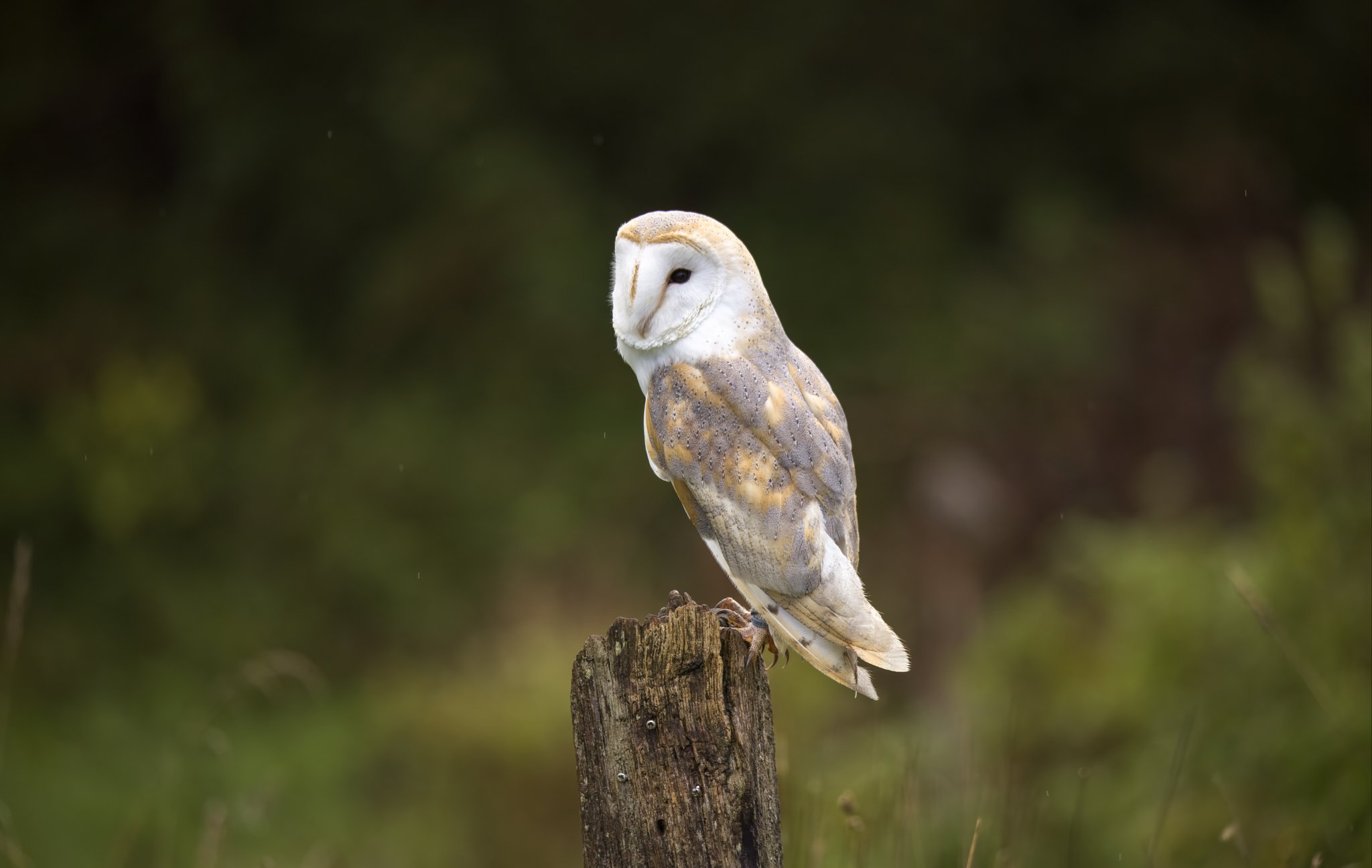
What if the very companies claiming to save our feathered friends are actually sabotaging them? Beneath the glossy veneer of corporate sustainability campaigns lies a shadowy practice known as greenwashing—a deceptive art that lulls consumers into believing they’re supporting noble causes while doing little to nothing, or worse, actively harming the very ecosystems they pretend to protect. Nowhere is this more apparent than in the realm of owl conservation, where the stakes couldn’t be higher. These silent sentinels of the night, guardians of ecological balance, are increasingly caught in the crossfire of corporate PR stunts disguised as environmental stewardship. Let’s peel back the layers of this modern-day masquerade to uncover how greenwashing isn’t just a harmless fib—it’s a silent killer of conservation efforts.
Owl Conservation and Indigenous Rights: Balancing Interests
The night belongs to the owl—a silent sentinel of the dark, a creature of whispers and shadows. Yet, as human settlements encroach upon ancient forests and grasslands, the owl’s domain shrinks. Conservationists and indigenous communities often find themselves at a crossroads: how to protect these enigmatic birds while respecting the rights and traditions of those who have shared the land for generations. The tension is palpable, but so too is the opportunity for harmony. This is the story of owl conservation and indigenous rights—a tale of balance, conflict, and the quiet resilience of nature’s most nocturnal guardians.