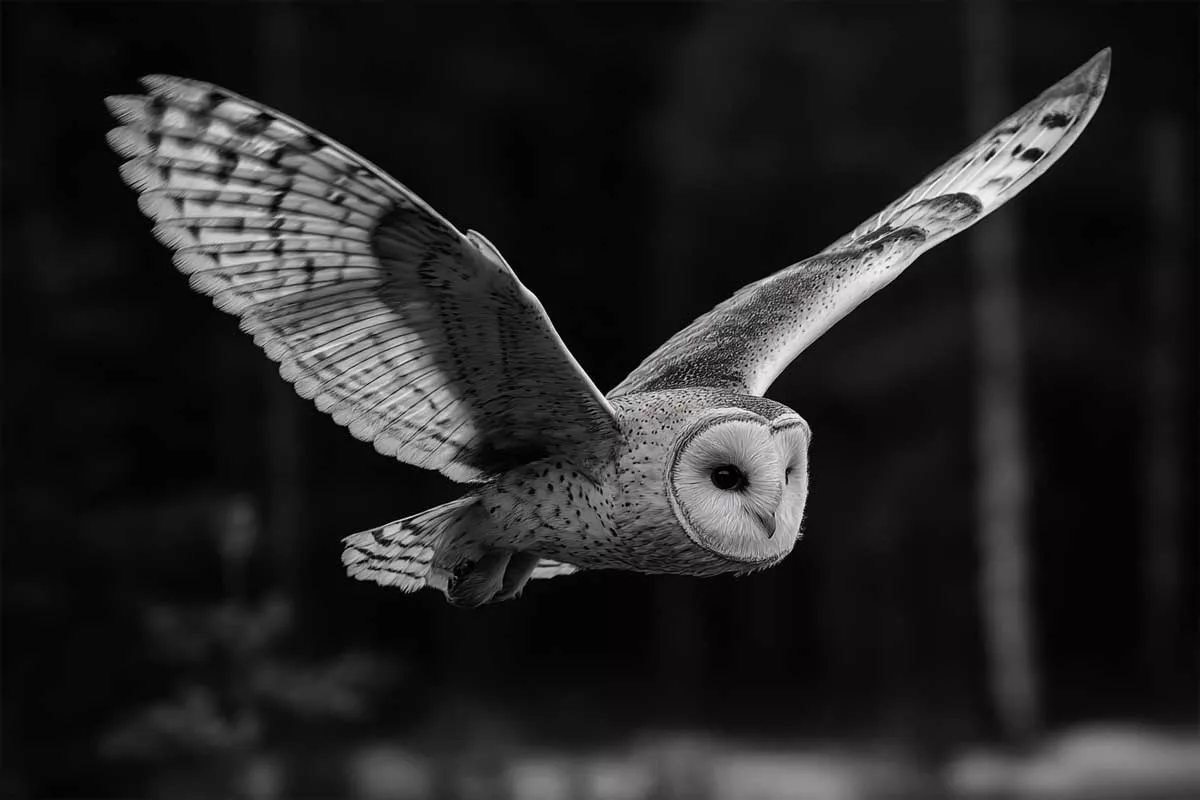
Imagine a world where, instead of eagles soaring through the skies or cardinals brightly marking seasons, an owl perches proudly on every nation’s emblem. What if owls were not merely enigmatic creatures of the night but the universal symbol representing the essence of a country? This playful conjecture invites us to reconsider the paradigms of national identity and symbolism. Yet, beneath its whimsical veneer lies a potent challenge — can the inscrutable owl truly encapsulate the diverse values, histories, and aspirations of every nation? Let’s delve into this captivating prospect and unravel the symbolic impact such a shift might wield.
The Owl as a Universal Symbol: Wisdom Beyond Borders
Owls have long been venerated as harbingers of wisdom and knowledge. In countless cultures, they embody sagacity, intuition, and a deep spiritual connection with the unknown. If every country adopted the owl as its national bird, it would symbolize a collective global reverence for insight and intellectual depth. This could foster a sense of unity transcending geographical and cultural divides, reminding humanity that the pursuit of wisdom is a universally shared endeavor. Such symbolism might inspire nations to prioritize education, thoughtful governance, and a contemplative approach to problem-solving on a broader scale.
A Duality of Light and Darkness: The Complexity of National Identities
Owls are emblematic of duality, navigating the threshold between the visible and the unseen, light and shadow. This duality mirrors the complexities within every nation’s character — strengths intertwined with vulnerabilities, histories layered with both triumphs and trials. By adopting owls as emblems, countries would acknowledge this intricate balance. It challenges simplistic narratives and encourages citizens to embrace the multifaceted nature of their heritage and national identity. Such acknowledgment could nurture maturity in societies, prompting a profound engagement with shadows as much as with light.
Night Flight: Embracing Mystery and Adaptability
Owls are nocturnal creatures, masters of the night sky. They teach us about thriving in darkness, the ability to adapt and navigate uncertainty with grace. If the owl were a national symbol, it might inspire countries to embrace ambiguity and transformation instead of resisting change. This perspective fosters resilience, encouraging nations to innovate and evolve when confronted with adversity or the unknown. It’s a call to honor stealth and strategy, reminding political and social institutions that sometimes wisdom requires silent contemplation before decisive action.
The Challenge of Cultural Specificity: Can One Symbol Fit All?
However enchanting, the notion that a single creature could represent every nation’s ethos is fraught with nuance. Each country’s history and cultural fabric are woven with distinct threads — customs, myths, and environments that may not resonate with the owl’s symbolism. For example, while the owl is cherished in some traditions, in others it evokes superstition or ill omens. This divergence presents a heterogeneity challenge: can the owl’s symbolic archetype be flexibly interpreted to honor such diversity without diluting its essence? This question provokes a reevaluation of how symbols adapt and whether a universal emblem can authentically encapsulate local identities.
The Visual Language of Power and Elegance: Aesthetic Considerations
National symbols are not just icons; they are a nation’s visual rhetoric — posters of power, dignity, and pride. The owl, with its striking eyes and silent wings, epitomizes a majestic and enigmatic beauty. Its image can convey elegance and subtlety rather than brute strength. This shift in visual language could herald a transformation in how patriotism and power are portrayed — less about overt dominance and more about quiet confidence. This could influence international relations, promoting diplomacy founded on perceptiveness and listening rather than confrontation and noise.
The Owl’s Role in Environmental Consciousness
In an age of escalating ecological crises, the owl’s symbolism as a sentinel of the natural world might deepen national commitments to environmental stewardship. Owls depend on balanced ecosystems and serve as barometers of environmental health. If embraced widely, this symbolism could galvanize countries toward sustainable policies, conservation efforts, and a recognition of humanity’s interconnectedness with nature. The owl’s presence might remind citizens and leaders alike that safeguarding the silent, unseen parts of the world is crucial for survival.
Unifying a Divided Symbol: The Paradox of Ownership
Yet, if every country claims the owl, might it paradoxically lose its unique emblematic power? National symbols often derive significance from exclusivity — singular markers differentiating one people from another. If all nations share a common bird, a paradoxical homogenization might ensue, eroding the very identities these symbols aim to celebrate. This unification could be a powerful metaphor for global solidarity or, conversely, a dilution of individuality. The tension between unity and distinctiveness encapsulates one of the owl’s most profound symbolic challenges.
Inspiring a New Mythos in Global Storytelling
Imagine the ripple effect on the arts, literature, and popular culture. Owls, with their rich mythological heritage spanning continents, could reinvigorate a global narrative mythology. Stories of owl guardians, seers, and guides might proliferate, weaving connections among disparate cultures. Such shared symbolism could spawn collaborative cultural projects, festivals, and educational initiatives that celebrate both uniqueness and commonality. The owl’s silent wings might carry the stories of nations into a collective future.
Conclusion: The Flight Path Forward
The prospect of owls gracing every nation’s standard is more than an imaginative flight; it is an invitation to reconsider what defines identity, symbolism, and connection in a fragmented world. It challenges us to envision a future where wisdom, mystery, and adaptability are universal values represented in our most cherished emblems. While the practical challenges are many—cultural variances, symbolic dilution, and aesthetic adaptations—the poetic potential is undeniable. Perhaps, in pondering this playful “what if,” we find a deeper appreciation for how symbols shape not only how the world sees us but how we understand ourselves—and the silent wings of the owl whisper secrets yet to be uncovered.