In the velvet cloak of twilight, when the moon casts its silver gaze upon the earth, a silent sentinel takes flight—owls, those enigmatic architects of the night. Their piercing eyes, like twin moons, pierce the darkness, and their wings whisper secrets of ancient forests. Yet, these guardians of the dusk face an existential crisis, their habitats unraveling like frayed threads in the tapestry of life. Enter synthetic biology, a discipline that marries the precision of engineering with the alchemy of nature, offering a lifeline to these nocturnal titans. This is not merely science; it is a symphony of innovation, where biology becomes the instrument and conservation the melody.
The Alchemy of Adaptation: Engineering Resilience into Owl Genomes
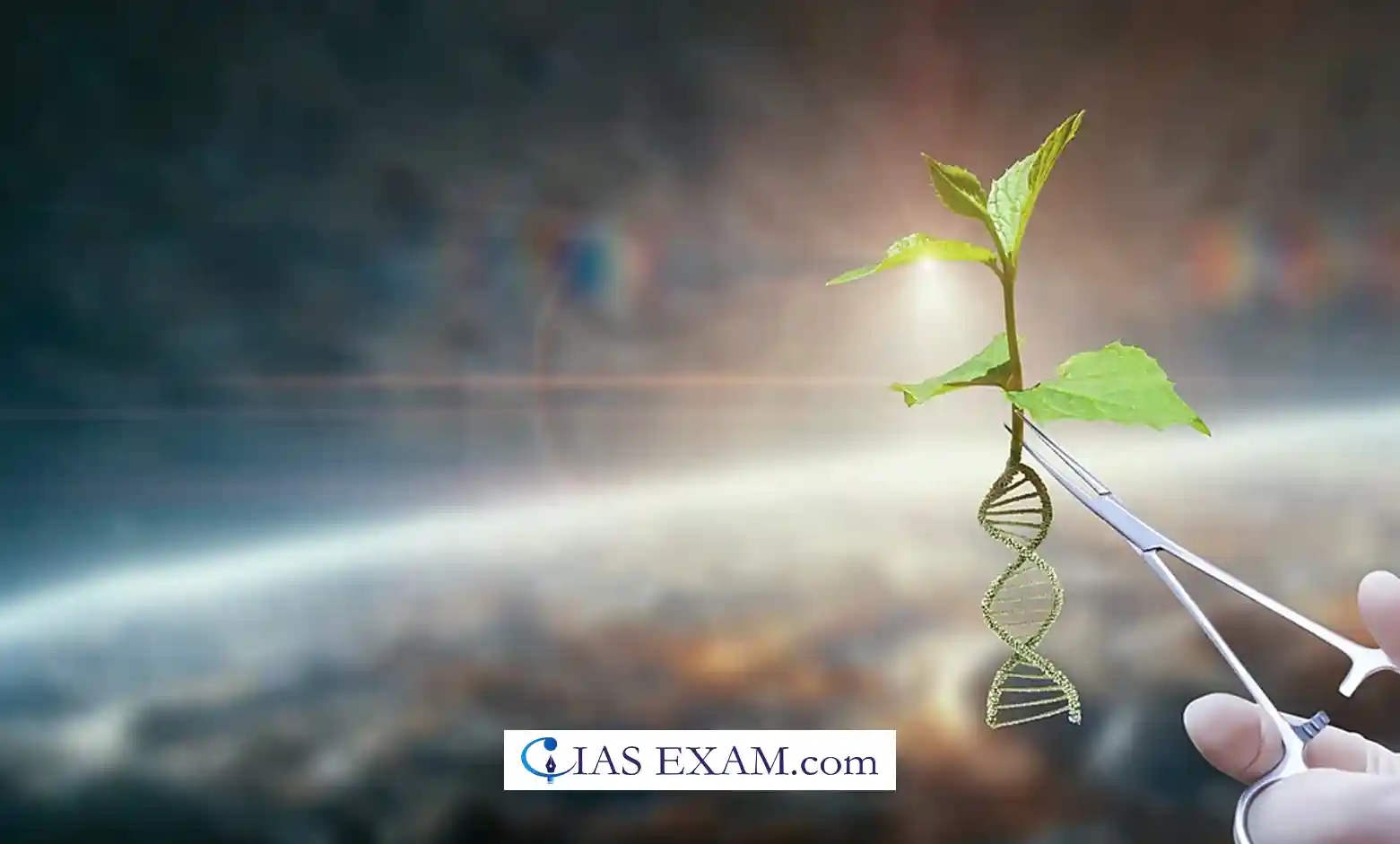
Owls are survivors, but their survival is being tested by the relentless march of climate change and habitat fragmentation. Synthetic biology steps in as a modern-day Merlin, wielding the power to rewrite the genetic code of these birds, fortifying them against the encroaching threats. Imagine a world where the DNA of an owl is not just a blueprint but a dynamic canvas, where genes for heat tolerance or disease resistance can be spliced in with the precision of a master calligrapher. This is not science fiction; it is the dawn of genetic augmentation, where the owl’s genome becomes a living shield.
The process begins with the identification of key genetic traits—perhaps a variant that allows owls to thrive in warmer climates or resist a newly emergent pathogen. Using CRISPR-Cas9, scientists can edit these genes with surgical precision, ensuring that the owl’s descendants inherit a legacy of resilience. But this is more than mere genetic tinkering; it is a dialogue between human ingenuity and the raw poetry of nature. The owl, once a passive victim of environmental change, now becomes an active participant in its own salvation.
The Silent Symphony: Bioacoustic Engineering and Owl Communication
Owls communicate in a language of hoots, screeches, and clicks—a symphony as unique as a fingerprint. Yet, as their habitats shrink, their voices are drowned out by the cacophony of human activity. Synthetic biology offers a radical solution: bioacoustic engineering. By studying the intricate patterns of owl calls, scientists can synthesize artificial vocalizations that mimic the natural ones, creating a bridge between fragmented habitats. These bioengineered sounds can lure owls back to areas where they once thrived, or even help reestablish communication between isolated populations.
Consider the barn owl, whose eerie screech is a haunting melody in the night. Synthetic biology could recreate this call with such fidelity that it becomes a siren song, guiding lost owls home. But the implications run deeper. These engineered sounds could be deployed in conservation efforts, acting as acoustic beacons that guide owls through the labyrinth of urban sprawl. It is as if we are composing a new sonnet for the night, one that the owls themselves can sing.
The Night’s Architects: Synthetic Biology in Habitat Restoration
Owls are not just creatures of the night; they are architects of their ecosystems. Their presence shapes the balance of prey and predator, maintaining the delicate equilibrium of the food web. Synthetic biology can aid in restoring this balance by engineering the very landscapes that owls inhabit. Imagine forests regrown not just with trees, but with genetically modified flora that provide optimal nesting sites, or plants that repel invasive species that threaten owl habitats.
Take, for example, the use of synthetic biology to create “super-trees”—species genetically enhanced to grow faster, resist pests, and provide better nesting cavities. These trees could be planted in degraded areas, transforming them into thriving owl sanctuaries. But the innovation doesn’t stop there. Synthetic biology can also engineer microbial allies—bacteria that break down pollutants in the soil, or fungi that enhance nutrient cycling, ensuring that the land is not just habitable but flourishing. The owl, once again, becomes the guardian of a revitalized wilderness.
The Shadow of Controversy: Ethical Dilemmas in Owl Bioengineering
Yet, with great power comes great responsibility. The marriage of synthetic biology and conservation is not without its shadows. Ethical dilemmas loom large: Is it right to alter the genetic makeup of a species, even in the name of preservation? Could these engineered owls outcompete their wild counterparts, disrupting the very ecosystems we seek to protect? These questions are not mere academic musings; they are the crucible in which the future of owl conservation will be forged.
The debate hinges on the principle of intervention. Some argue that nature should be left to its own devices, that human meddling only exacerbates the problem. Others counter that in an age where human activity has irrevocably altered the planet, passive conservation is no longer an option. The key lies in balance—using synthetic biology as a tool, not a crutch, and ensuring that every modification is guided by rigorous ethical scrutiny. The owl, after all, is not just a symbol of the wild; it is a living testament to the interconnectedness of all life.
The Future of the Night: A World Reimagined
As we stand on the precipice of this new era, the role of synthetic biology in owl conservation is not just a scientific endeavor; it is a philosophical one. It challenges us to rethink our relationship with nature, to see ourselves not as conquerors but as collaborators. The owl, with its silent wings and piercing gaze, becomes a metaphor for the resilience of life itself—a reminder that even in the face of extinction, there is room for hope.
In the years to come, we may see owls equipped with genetic enhancements, their calls echoing through restored forests, their habitats thriving under the watchful eye of human ingenuity. This is not a distant dream; it is a tangible future, one where science and nature dance in harmony. The night, once a realm of mystery and fear, could become a stage for the triumph of life over adversity. And at the heart of it all stands the owl—a silent guardian, a symbol of the wild, and a testament to the power of innovation.