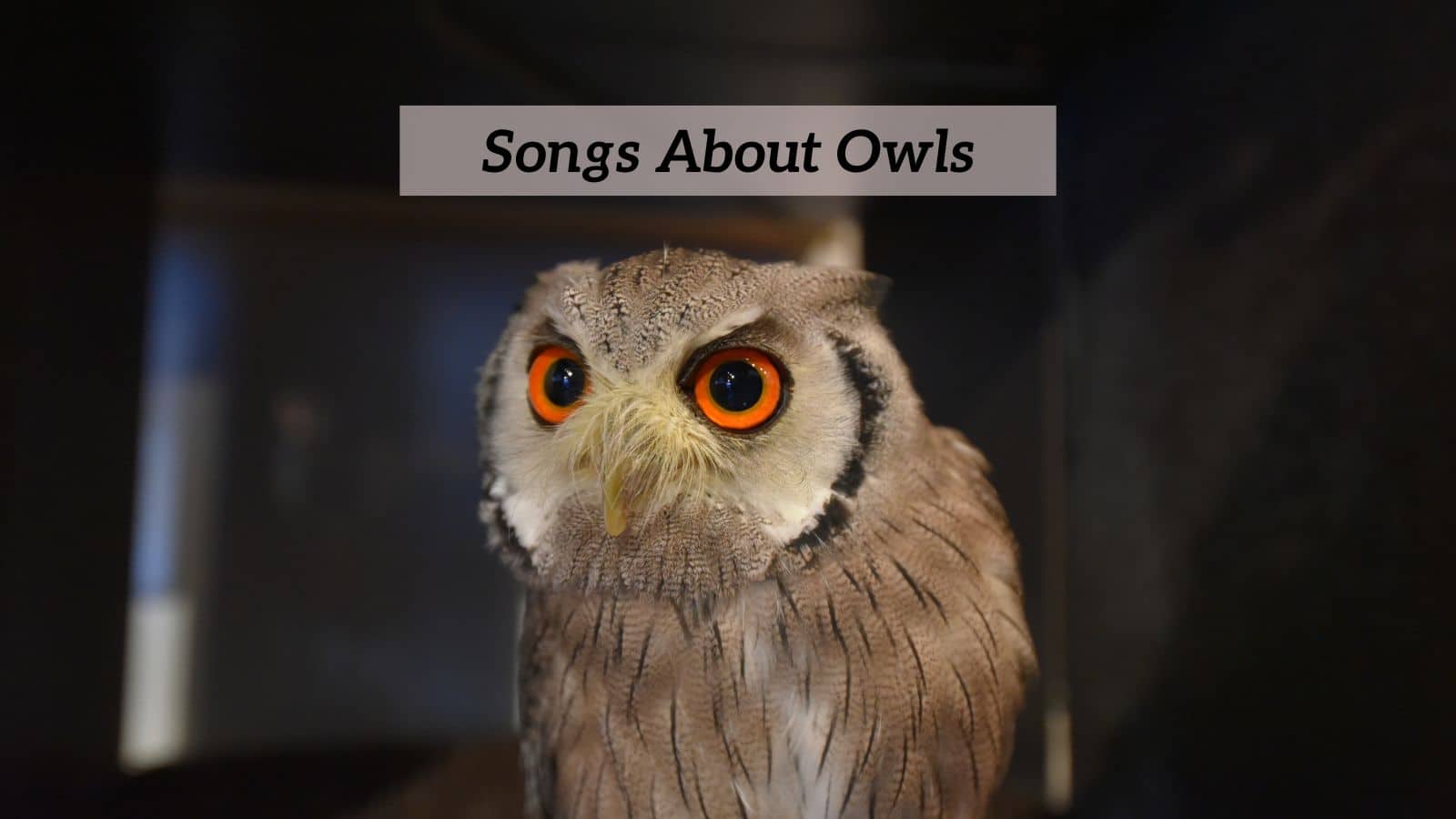
Owls have long captivated human imagination, their mysterious silhouettes gliding silently under the cloak of night stirring an enigmatic allure. Yet beyond their natural mystique, these nocturnal creatures have woven themselves into the fabric of music across eras and genres. From haunting melodies to uplifting anthems, owls inspire composers and songwriters alike, promising listeners a transcendence of the ordinary and a fresh perspective on both sound and symbolism. Delve with me into a world where feathers meet frequency, a realm where owls are not merely birds, but muses shaping the music we cherish.
Conservation Efforts & Policies
Owl Conservation in Developing Countries: Challenges and Success Stories

Have you ever paused beneath the moonlit boughs of an ancient forest to listen to the soft, rhythmic hoo-hoo of an owl echoing through the night? These enigmatic birds, cloaked in feathers of dusk and dawn, are not merely creatures of folklore—they are sentinels of ecological balance, whispering secrets of biodiversity in the hush of twilight. Yet, in the bustling landscapes of developing nations, where human expansion and environmental pressures collide, these silent guardians face a precarious future. What happens when the night’s most captivating musicians are silenced by habitat loss, persecution, or climate upheaval? The plight of owls in these regions is not just a tale of vanishing species—it’s a story of resilience, innovation, and the fragile threads that bind humanity to the natural world.
The Endangered Species Act and Owls: A Legal Perspective
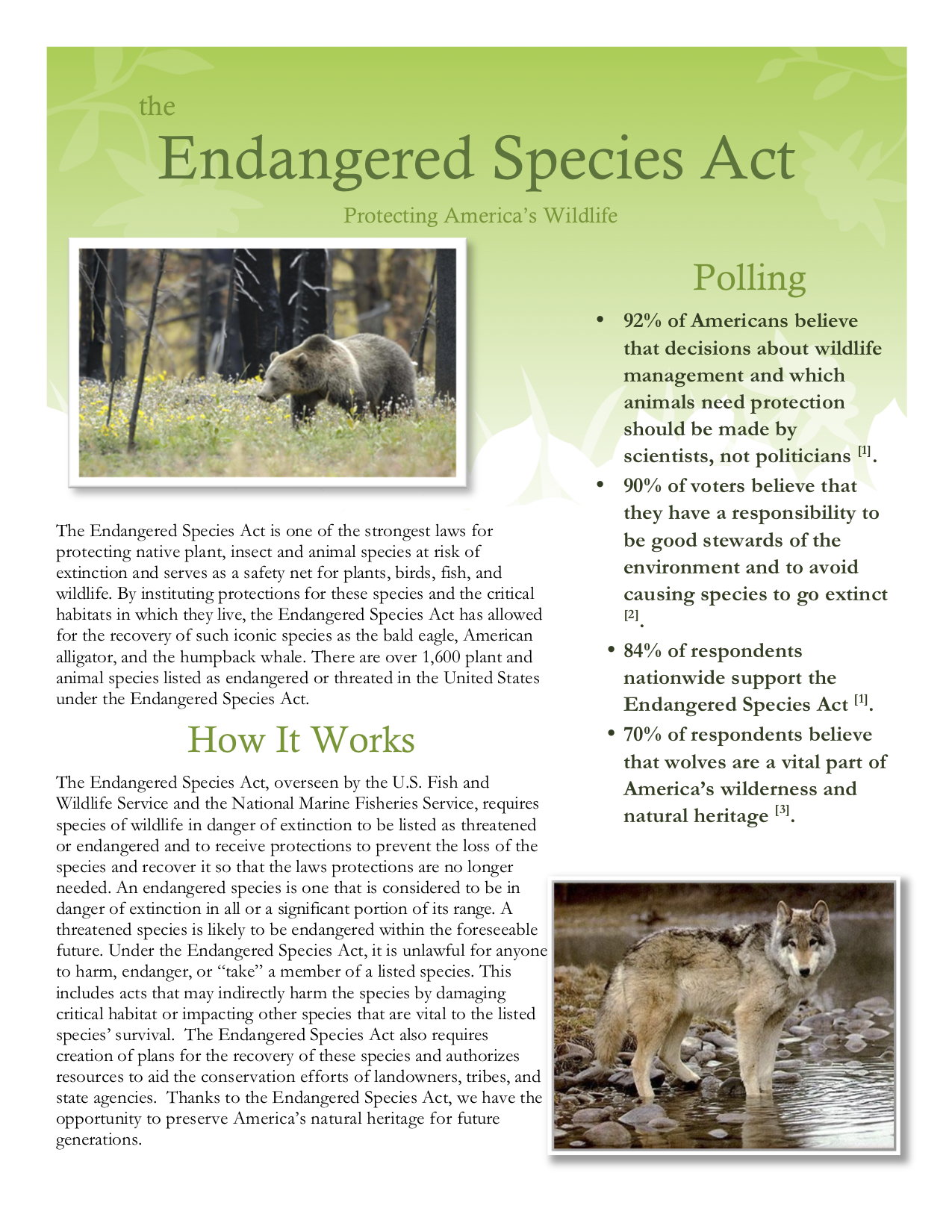
The Endangered Species Act (ESA) stands as a monumental legislative achievement, a bulwark against the relentless tide of biodiversity loss. Enacted in 1973, this cornerstone of environmental policy has safeguarded countless species from the brink of extinction, weaving a complex tapestry of legal protections that extend from the vast expanse of the Arctic tundra to the dense canopies of the Pacific Northwest. Among the myriad creatures that have benefited from its provisions, owls—those enigmatic, silent sentinels of the night—occupy a unique and often contentious position. This article delves into the intricate interplay between the ESA and owl conservation, exploring the legal frameworks that govern their protection, the challenges that arise in their implementation, and the broader implications for ecosystems teetering on the edge of collapse.
The Owl in Politics: Symbolism and Metaphors
The owl, an enigmatic creature cloaked in the shadows of the night, has long served as a potent symbol woven deeply into human consciousness. Its penetrating gaze, nocturnal nature, and whispered presence evoke an aura of mystique and sagacity. But beyond the realm of spirituality and mythology, the owl’s symbolic resonance permeates the sphere of politics, where it emerges as a compelling metaphor laden with intrigue and subtle power. This article explores the owl’s evocative role in political imagery, revealing how its unique appeal captures the complexities of political wisdom, vigilance, and strategy.
Owls and History: Their Role in Human Civilizations
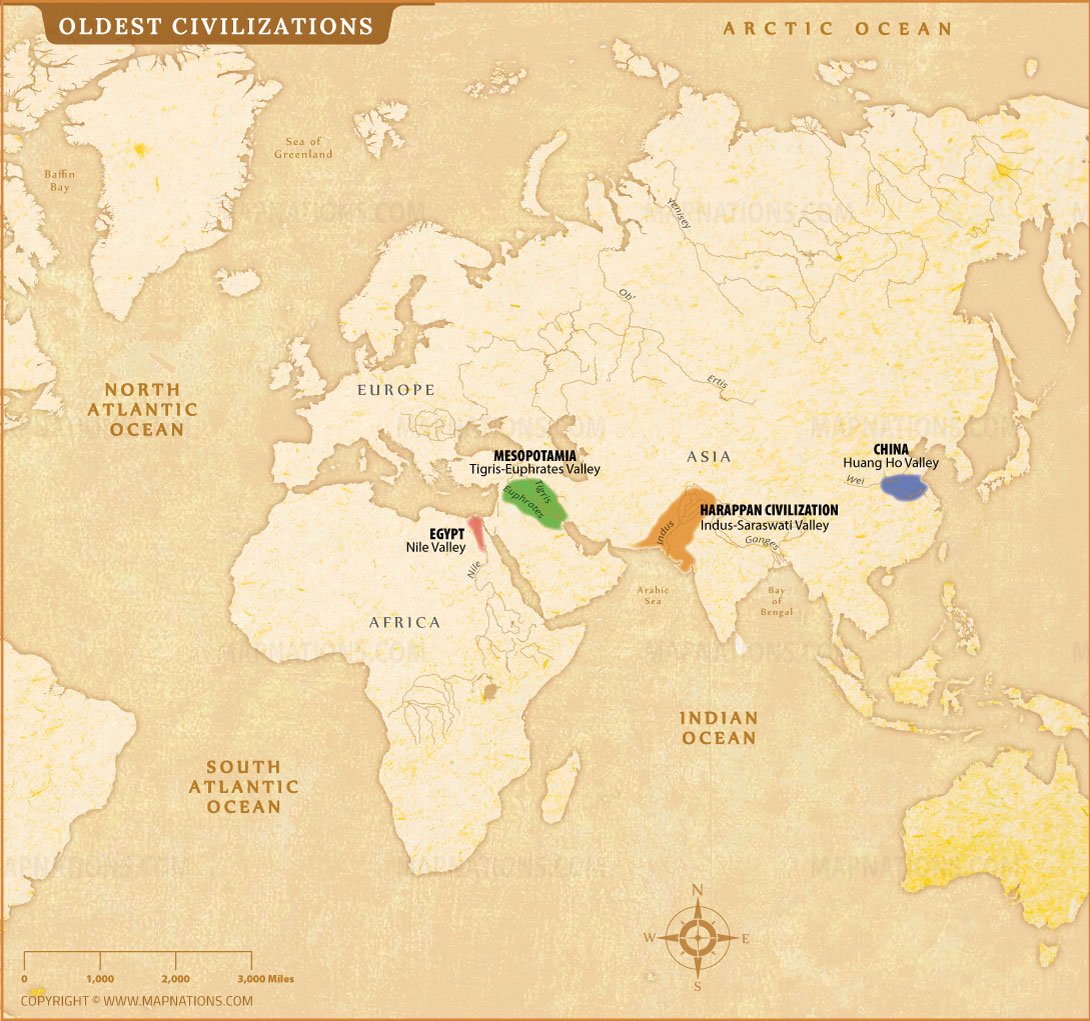
Have you ever wondered if the mysterious gaze of an owl ever swayed the fate of empires or whispered secrets to ancient rulers? Owls, those silent nocturnal sentinels, have long perched at the fringes of human consciousness—ambassadors of wisdom, omens of fate, and enigmatic symbols woven into the tapestry of civilizations. But what if their role was more than mere metaphor? Could these creatures, cloaked in myth and shadow, have subtly influenced human history in ways we’re only beginning to unravel? As we embark on this journey through time, prepared to be intrigued by the multifaceted relationship between owls and human civilization, from divine reverence to superstitions that stirred fear.
Owls and Climate Science: What They Tell Us About a Changing Planet

There is an almost mystical allure to owls, those silent sentinels of the night whose penetrating eyes and ghostlike flight captivate the human imagination. Their enigmatic presence invokes both fear and admiration, resonating deeply within cultures across the globe. Yet beyond folklore and superstition lies a profound scientific narrative: owls serve as intricate bioindicators, unlocking secrets about environmental flux and, by extension, the planetary metamorphosis driven by climate change. By attuning ourselves to the subtle upheavals echoed within their behaviors and habitats, we gain unprecedented insight into the shifting choreography of Earth’s ecosystems.
The Impact of Owls on Tourism: Ecotourism and Its Benefits
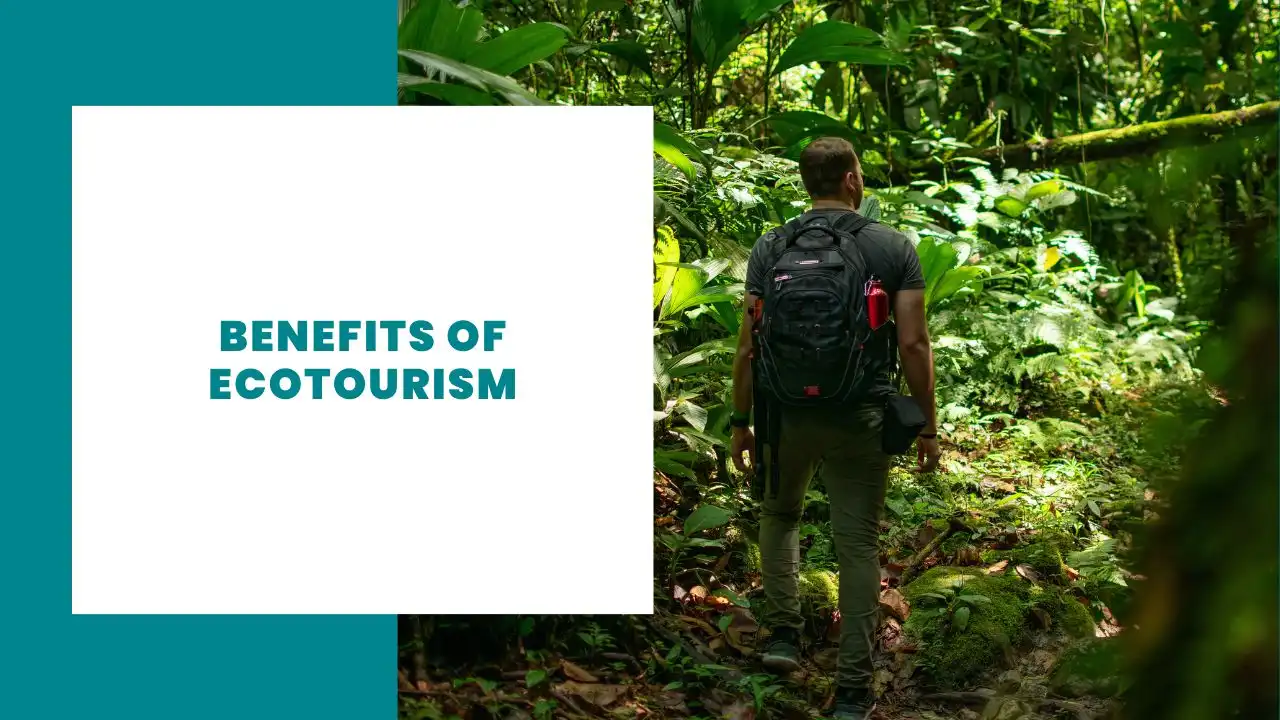
There is something undeniably magnetic about owls. Their silent flight, enigmatic eyes, and nocturnal calls evoke a deep-seated fascination in people across cultures and continents. This fascination is far from superficial; it is layered with profound ecological, cultural, and economic implications. While owls have long captivated human imagination, their impact on tourism—especially ecotourism—reveals a compelling intersection between wildlife appreciation and sustainable travel. The allure of owls transcends mere curiosity, underpinning broader environmental awareness and fostering a unique form of tourism grounded in conservation and respect for nature.
The Role of Corporate Sponsorship in Saving the Elf Owl in the Southwest
The Southwest’s arid landscapes, dotted with saguaro sentinels and whispering mesquite groves, cradle one of nature’s most diminutive yet resilient wonders: the elf owl. No larger than a sparrow, this nocturnal acrobat flits between desert oases, its high-pitched trills echoing through the twilight like a secret language of the wild. Yet, despite its tenacity, the elf owl faces mounting threats—habitat fragmentation, climate-induced drought, and the encroachment of human development. In this precarious dance between survival and extinction, corporate sponsorship emerges not as a mere financial lifeline, but as a catalyst for transformation, bridging the chasm between profit and preservation. This is the story of how businesses, far beyond the boardroom, can become stewards of the desert’s fragile magic.
Owl Protection in Asia: Unique Threats and Solutions

In the twilight shadows of Asia’s vast and varied landscapes, owls emerge as silent sentinels of the night. Yet, these enigmatic creatures face a labyrinth of threats unlike those encountered by their counterparts elsewhere. Owl protection in Asia demands a reassessment—a profound shift from conventional wildlife conservation approaches to one that embraces the singular ecological and cultural tapestries shaping these nocturnal guardians’ survival. Embarking on this exploration reveals not only unique challenges but also pioneering solutions that could redefine conservation paradigms across the continent.
How You Can Help Save Owls: 10 Simple Actions
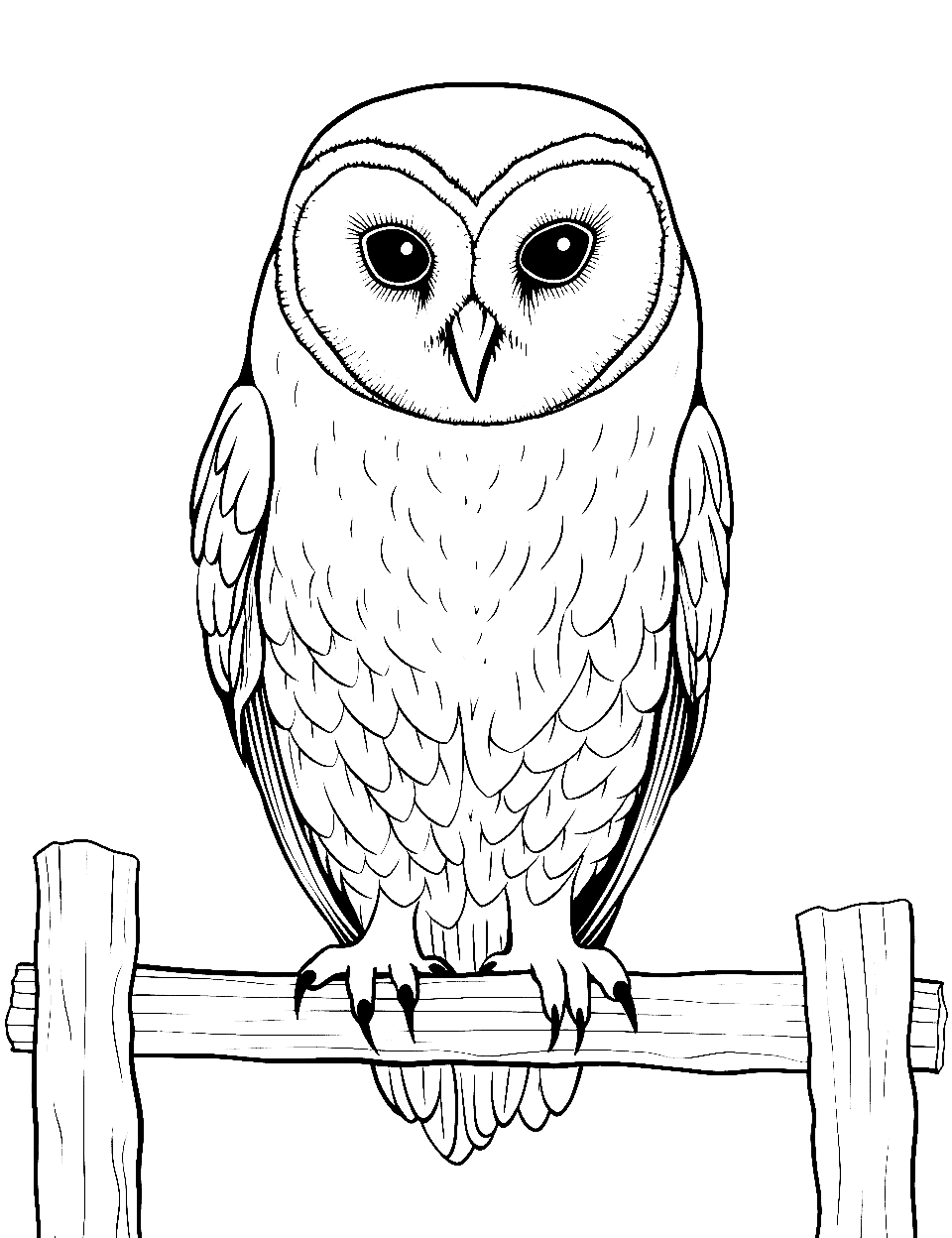
Owls, those enigmatic nocturnal sentinels of the wild, have long captivated human imagination with their haunting calls and piercing gaze. Yet, these magnificent creatures face mounting threats—habitat loss, pesticide poisoning, and human encroachment—pushing many species toward the brink of extinction. The good news? Saving owls isn’t reserved for scientists or conservationists alone. Every one of us can play a pivotal role in their preservation, no matter where we live. Whether you’re a city dweller with a balcony or a rural resident with acres of land, there are tangible, meaningful actions you can take to make a difference. From fostering biodiversity in your backyard to advocating for policy changes, this guide will illuminate 10 simple yet impactful ways to help owls thrive for generations to come.