What if the next great corporate ally for owl conservation wasn’t a wildlife biologist or a passionate volunteer, but a savvy business executive with a spreadsheet and a heart for feathered friends? Imagine a world where logos of global brands adorn owl sanctuaries, where quarterly reports include not just profits, but also the number of rescued barn owls. This isn’t a flight of fancy—it’s the emerging reality of corporate sponsorship in owl conservation, a movement where commerce and conservation take wing together.
The Symbiosis of Profit and Plumage: Why Businesses Are Flocking to Owl Conservation
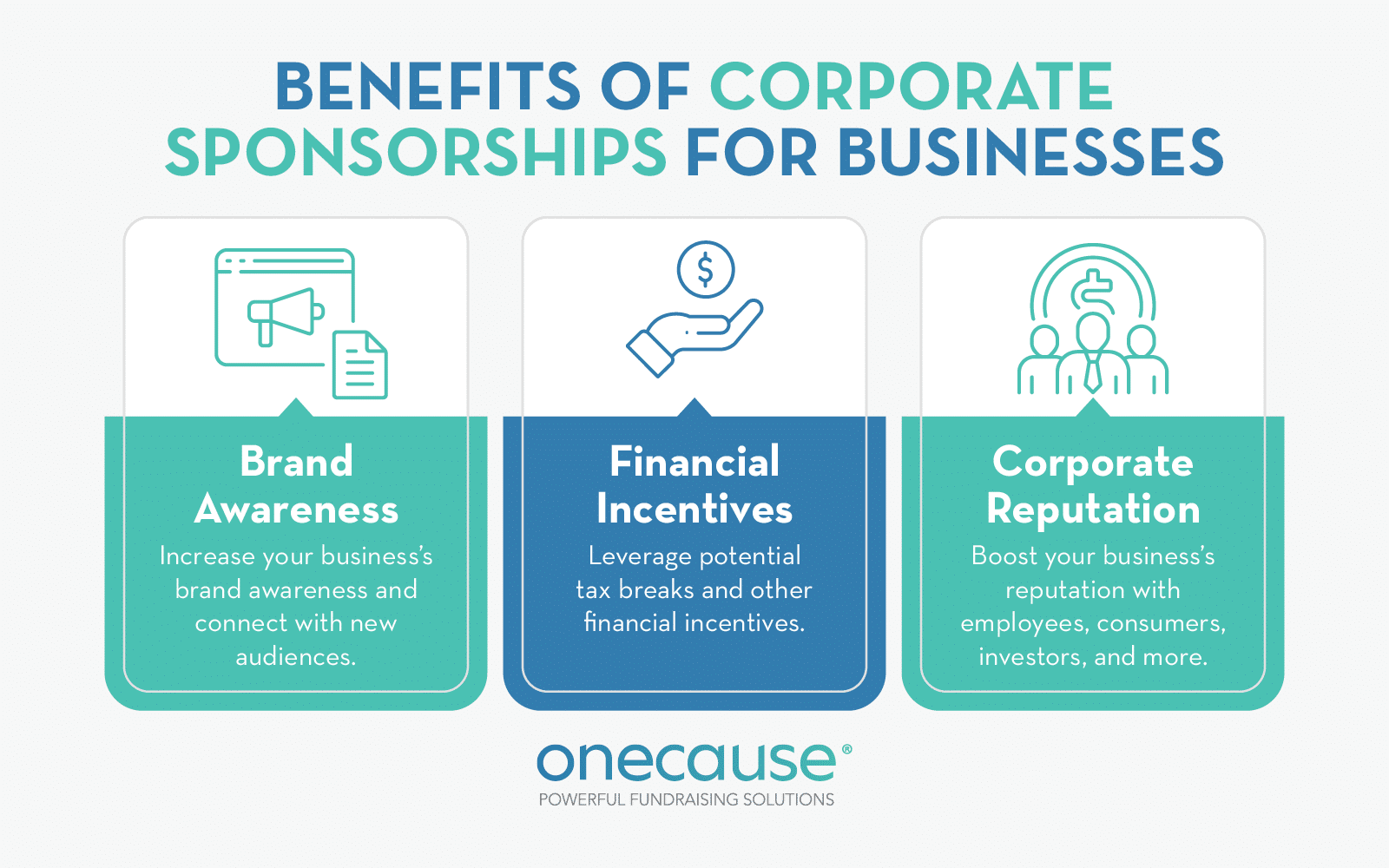
Corporate sponsorship of owl conservation isn’t just about goodwill—it’s a strategic alliance where businesses discover untapped reservoirs of brand loyalty and customer engagement. Owls, with their enigmatic gaze and ecological importance, have become unlikely ambassadors for sustainability. A company that sponsors owl conservation doesn’t just donate money; it embeds itself into a narrative of wisdom, mystery, and environmental stewardship. This narrative resonates deeply in an era where consumers increasingly vote with their wallets for brands that align with their values.
Consider the halo effect: when a corporation funds the rehabilitation of injured owls or protects old-growth forests critical to their survival, it’s not just saving a species—it’s crafting a story that humanizes the brand. In a marketplace cluttered with ads, authenticity is the rarest currency. Owls, with their silent flight and nocturnal mystique, offer a compelling metaphor for precision, adaptability, and quiet strength—qualities that resonate in boardrooms and beyond.
From Spreadsheets to Sanctuaries: How Corporate Sponsorship Works in Practice
The mechanics of corporate sponsorship in owl conservation are as varied as the species themselves. Some companies opt for direct funding, underwriting the operational costs of owl sanctuaries or research initiatives. Others engage in cause-related marketing, where a percentage of sales from specific products is donated to owl conservation efforts. Then there are the in-kind contributions: tech firms donating drones to monitor owl habitats, or logistics companies providing free transport for rescued birds.
But the most innovative partnerships go beyond mere transactions. They create ecosystems where businesses and conservationists collaborate on long-term projects, such as restoring grassland habitats critical for burrowing owls or developing urban green spaces that serve as corridors for migrating owls. These initiatives often yield unexpected benefits, like employee engagement programs where staff participate in owl banding or habitat restoration, fostering a culture of purpose within the company.
The Ripple Effect: How Corporate Support Amplifies Conservation Impact
When a corporation lends its resources to owl conservation, the impact isn’t confined to the species or the habitat—it cascades through entire communities. Sponsorships can fund educational programs that teach schoolchildren about the ecological role of owls, dispelling myths and fostering a new generation of conservationists. They can also support scientific research, unlocking insights into owl behavior, migration patterns, and the impacts of climate change on these birds.
Moreover, corporate involvement often attracts media attention, amplifying the reach of conservation messages far beyond the initial project. A single sponsorship can spark a conversation about biodiversity loss, habitat fragmentation, or the importance of keystone species, inspiring other businesses to follow suit. In this way, corporate sponsorship acts as a multiplier, turning a single act of generosity into a movement that reshapes public perception and policy.
Navigating the Labyrinth: Challenges of Corporate-Owl Conservation Partnerships
Yet, for all its promise, corporate sponsorship of owl conservation isn’t without its thorny challenges. One of the most persistent hurdles is the mismatch between corporate timelines and conservation realities. Quarterly earnings reports and annual shareholder meetings operate on a different clock than the slow, deliberate pace of ecological recovery. A company may commit to a five-year sponsorship, only to face pressure to redirect funds when market conditions shift.
Another challenge lies in the delicate balance between visibility and authenticity. Consumers are savvy; they can spot a hollow marketing ploy from a mile away. If a corporation’s sponsorship feels like a cynical attempt to greenwash its image rather than a genuine commitment to conservation, the backlash can be swift and severe. The key is transparency—openly sharing both successes and setbacks, and allowing the conservation narrative to unfold organically.
There’s also the issue of scope creep. Owl conservation is a niche field, and not all corporate partners fully grasp the complexities of habitat management, veterinary care, or species-specific research. Misaligned expectations can lead to frustration on both sides, underscoring the need for clear communication and robust partnerships built on mutual respect.
Case Studies in Flight: Real-World Examples of Corporate-Owl Conservation Synergy
Take the example of a renewable energy company that partnered with a local owl sanctuary to mitigate the impact of wind turbines on raptor populations. By installing owl boxes near turbine bases and funding research into owl flight patterns, the company not only reduced bird strikes but also earned the loyalty of eco-conscious consumers. Similarly, a craft brewery in the Pacific Northwest launched a limited-edition owl-themed ale, with proceeds benefiting a conservation group dedicated to protecting spotted owls. The campaign didn’t just raise funds—it turned a local favorite into a regional ambassador for owl conservation.
In another instance, a global logistics firm collaborated with scientists to develop AI-powered tracking collars for barn owls, using the data to optimize delivery routes and minimize habitat disruption. The project not only advanced conservation science but also showcased the company’s commitment to innovation and sustainability. These examples prove that when businesses and conservationists align their goals, the results can be as breathtaking as an owl’s silent descent from the night sky.
The Future of Corporate-Owl Conservation: Trends and Opportunities
The landscape of corporate sponsorship in owl conservation is evolving, with new trends emerging that promise to deepen the impact of these partnerships. One such trend is the rise of impact investing, where companies allocate capital not just to generate returns, but to achieve measurable conservation outcomes. Owl conservation, with its clear metrics and tangible benefits, is well-positioned to attract this kind of investment.
Another promising development is the integration of conservation into corporate ESG (Environmental, Social, and Governance) frameworks. As stakeholders demand greater accountability, companies are increasingly looking for ways to demonstrate their commitment to biodiversity. Owl conservation offers a compelling narrative—one that ties directly to ecosystem health, climate resilience, and community well-being.
Looking ahead, the most successful partnerships will likely be those that embrace a holistic approach, addressing not just the needs of owls but also the broader ecological and social contexts in which they thrive. This might include initiatives like agroforestry programs that benefit both farmers and owls, or urban planning projects that create owl-friendly green corridors in cities. The goal isn’t just to save a species—it’s to weave conservation into the fabric of society itself.
A Call to Wings: How Your Business Can Join the Movement
For businesses considering a leap into owl conservation sponsorship, the path forward begins with curiosity and humility. Start by educating yourself about the species in your region—their habitats, threats, and conservation needs. Reach out to local wildlife rehabilitators, researchers, or conservation nonprofits to understand where your resources could make the most impact. Remember, this isn’t about writing a check and walking away; it’s about building a relationship that benefits both the business and the birds.
Consider how your company’s unique strengths can align with conservation goals. A tech company might develop apps to track owl sightings, while a retail brand could launch a product line with owl conservation proceeds. The key is to think creatively, to see beyond the conventional boundaries of corporate social responsibility. Owls have thrived for millions of years by adapting to their environments—now it’s time for businesses to adapt, to innovate, and to take flight alongside these magnificent creatures.
In the end, corporate sponsorship of owl conservation is more than a strategic move—it’s a testament to the power of collaboration. It’s a reminder that when businesses step up, they don’t just write checks; they write stories, shape ecosystems, and leave a legacy that soars far beyond the boardroom. And perhaps, in the quiet of the night, as an owl takes to the skies, it carries with it the hope that humanity, too, can learn to fly in harmony with the natural world.