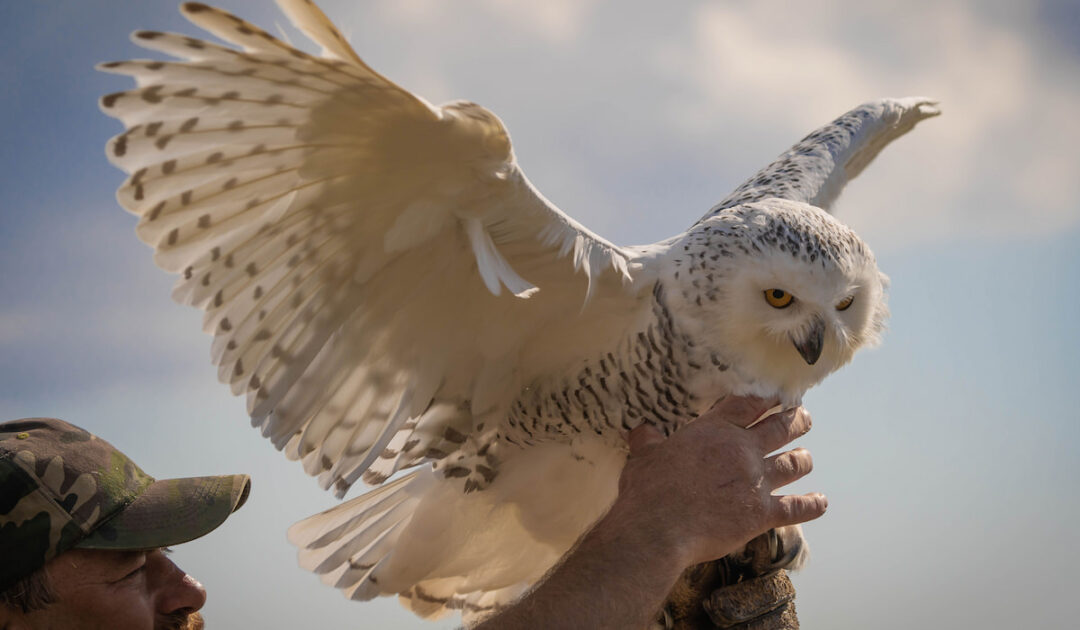
The snowy owl, a mesmerizing beacon of the Arctic tundra, captivates with its ghostly white plumage and piercing golden eyes. These majestic raptors are not only symbols of wilderness and desolation but also intricate threads within their frigid ecosystems. Their ecology, shaped by the harsh extremes of their environment, reveals fascinating adaptations, behaviors, and dependencies. This comprehensive guide delves into the multifaceted world of the snowy owl, offering insights into their habitat, diet, reproductive strategies, migratory patterns, and the ecological challenges they face.
Habitat and Geographic Distribution
Snowy owls (Bubo scandiacus) thrive amid the vast expanses of the Arctic tundra, spanning the circumpolar regions of North America and Eurasia. Unlike many other owl species that favor dense woodlands or urban fringes, snowy owls inhabit open, treeless landscapes where visibility is nearly unobstructed. This preference for tundra and open fields is no mere happenstance; it aligns with their hunting strategy of sweeping vast areas for prey and their need to camouflage against snow-covered terrain.
Seasonally, snowy owls exhibit remarkable flexibility. During harsh winters, some populations embark on extensive southward migrations, sometimes reaching the northern United States and parts of Europe. This irruptive movement, driven largely by prey availability, underscores their adaptability to diverse climatic belts. Despite these migrations, their core territories remain the Arctic regions, where their evolutionary lineage was honed.
Diet and Hunting Techniques
The snowy owl’s diet is a testament to its apex predatory nature within the tundra ecosystem. Their primary prey consists of small mammals, particularly lemmings, which experience cyclical population booms that directly affect owl reproduction and survival rates. This predator-prey dynamic is among the most studied in Arctic ecology, reflecting the intricate interplay between species.
Snowy owls hunt using a combination of acute eyesight and silent flight, demonstrating spectacular precision. Unlike many owls that rely on ambush tactics from perches, snowy owls often hunt actively by walking or running across the snow or taking short flights close to the ground. They deploy sudden strikes from above or lateral approaches, leveraging their powerful talons to immobilize prey. Their diet also encompasses birds, including waterfowl and seabirds, especially when small mammals are scarce, highlighting their opportunistic feeding behavior.
Reproductive Strategies and Nesting
Breeding for snowy owls is a marvel of Arctic adaptation. Nesting occurs primarily on the ground, often on elevated ridges or hummocks within the tundra, where the sparse vegetation provides limited concealment. The selection of these sites helps minimize flooding risks and affords a panoramic view to detect potential threats.
The timing of reproduction is inextricably linked to prey abundance, particularly lemmings. In years of high lemming population, snowy owls lay larger clutches, sometimes exceeding a dozen eggs. Conversely, poor prey years result in fewer eggs and lower breeding success. The incubation period, lasting approximately 32 days, involves intense parental investment from both males and females. Once hatched, the owlets grow rapidly, relying on a high-protein diet to prepare for fledging before the grueling Arctic winter returns.
Migratory Patterns and Irregular Movements
Snowy owls are unique among many raptors due to their partial migratory behavior, characterized by periodic irruptions. These irruptions propel large numbers of individuals well beyond their traditional Arctic range, sometimes into urban and agricultural landscapes rarely associated with them. The phenomenon is closely tied to prey fluctuations, with scarcity in the north compelling dispersal.
Unlike predictable seasonal migrations seen in many species, snowy owl movements can be erratic and unpredictable. These excursions provide rare opportunities for enthusiasts and scientists to study them in diverse environments, offering insights into their physiology and adaptability outside the tundra’s confines. However, such journeys expose them to new threats, including habitat fragmentation and collisions in human-dominated areas.
Role in the Ecosystem and Trophic Interactions
Within the Arctic food web, snowy owls hold a pivotal role as apex predators. They regulate populations of small mammals and certain bird species, helping to maintain ecological balance. Their predation on lemmings influences vegetation patterns indirectly, as lemming herbivory affects plant communities. Thus, snowy owls contribute to a cascade of ecological effects that extend beyond their immediate prey.
Their presence also affects the behavior and distribution of other carnivores. For example, predators such as foxes and skuas may scavenge leftovers from snowy owl kills, highlighting a subtle but vital connection within the trophic cascade. Furthermore, the survival and reproductive success of snowy owls serve as biological indicators of Arctic ecosystem health, reflecting broader environmental changes including climate shifts.
Adaptations to Extreme Environments
Survival in the unforgiving Arctic demands extraordinary adaptations, and snowy owls embody this resilience with remarkable physiological and behavioral traits. Their dense feathers provide insulation against subzero temperatures, enveloping their legs and feet in a natural “thermal wrap” that prevents frostbite. This plumage also serves a critical camouflage function by blending seamlessly into the snow and ice.
Moreover, their metabolism adjusts seasonally to conserve energy during scarce food periods, and their eyes are adapted for excellent low-light vision, crucial for hunting during the prolonged Arctic twilight. These adaptations reflect millions of years of natural selection, culminating in a species exquisitely tuned to one of Earth’s most extreme habitats.
Conservation Concerns and Future Challenges
Despite their robust adaptations and vital ecological role, snowy owls face mounting challenges, many anthropogenic in nature. Climate change poses a profound threat by disrupting prey populations and altering the tundra landscape. Warming temperatures and erratic weather patterns affect snow cover, vegetation, and subsequently prey abundance, which cascades through the owl’s reproductive and survival rates.
Additionally, increased human activity in the Arctic – including resource exploration, infrastructure development, and pollution – further threatens their habitats. While snowy owls are currently classified as vulnerable, ongoing monitoring and conservation efforts are essential to mitigate these risks. Protecting their breeding grounds and safeguarding prey populations stand at the forefront of conservation strategies.
Engaging with indigenous knowledge and integrating scientific research fosters a holistic approach to preserving these enigmatic birds. Their continued existence not only enriches biodiversity but also sustains the cultural and natural heritage of the Arctic regions.