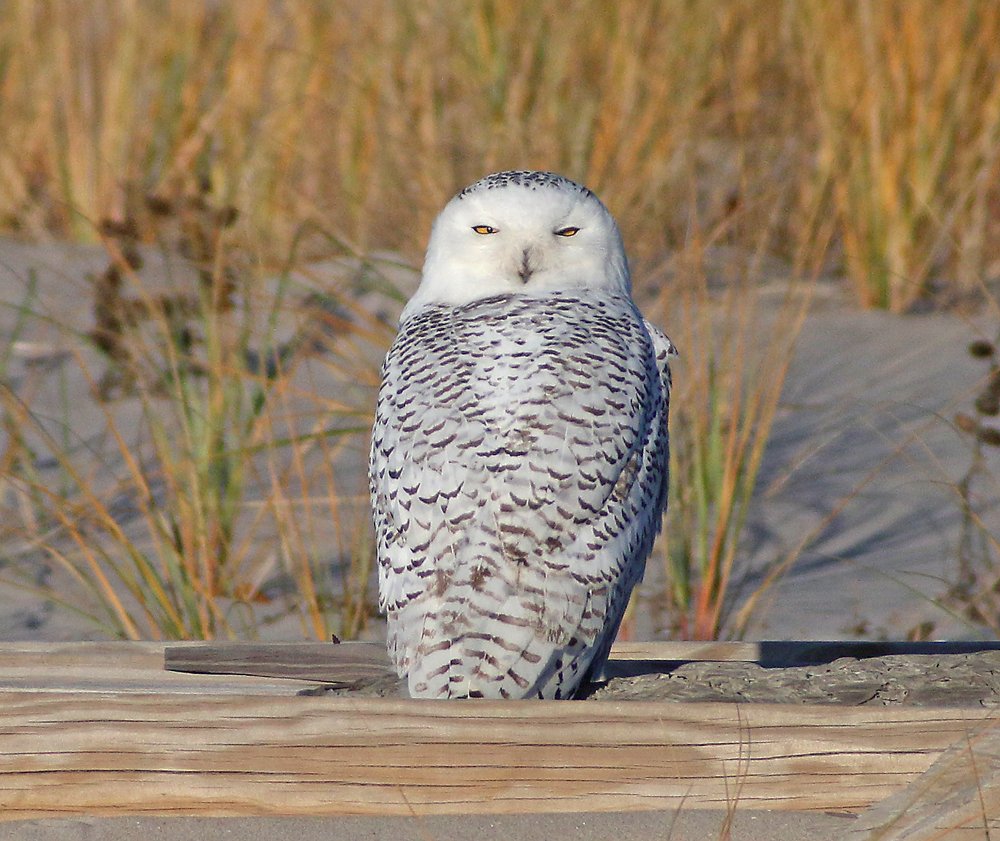
The sight of an owl—whether perched sentinel-like on a gnarled branch or ghosting silently through moonlit fields—evokes a primal sense of wildness. These birds, draped in feathers that whisper of ancient forests and forgotten tundras, embody both mystery and majesty. Yet, as human encroachment fractures ecosystems and climate shifts redraw the boundaries of habitable terrain, the survival of certain owl species hangs in delicate balance. One controversial lifeline being extended to these raptors is translocation: the deliberate movement of individuals or populations to new territories in hopes of securing their future. But is this act of mercy or hubris? The ethics of owl translocation demand scrutiny, for beneath its noble intentions lie labyrinthine complexities of ecology, morality, and unintended consequence.
The Moral Imperative: Why Translocate Owls at All?
At its heart, translocation is a desperate gamble—a Hail Mary pass thrown in the face of extinction. When a species faces habitat loss, persecution, or climate-driven displacement, conservationists often turn to relocation as a last resort. For owls, this might mean transporting snowy owls from thawing Arctic tundras to more stable boreal forests, or relocating burrowing owls from urbanizing grasslands to protected reserves. The moral logic is compelling: if we’ve fragmented their world, shouldn’t we help them find a new one?
Yet, this benevolence is not without its shadows. Owls are not passive pawns in a conservation chess game. They are sentient beings with intricate social structures, territorial instincts, and cultural knowledge passed down through generations. To pluck them from their ancestral haunts is to sever threads of existence that may be irreplaceable. The ethical dilemma crystallizes here: is our duty to preserve life itself, or to honor the integrity of a species’ way of life?
Ecological Chess: The Unseen Consequences of Moving Owls
Translocation is not a simple swap of one habitat for another—it’s a high-stakes ecological intervention with ripple effects that can cascade through food webs. Owls are apex predators, keystone species whose presence shapes entire ecosystems. Introducing them to a new territory can disrupt local prey populations, trigger cascading trophic shifts, or even spark conflicts with resident predators. Consider the case of a translocated great horned owl released into a region already occupied by endangered spotted owls. The newcomer, though well-intentioned, may outcompete or even prey upon the resident species, accelerating its decline.
Moreover, owls are not just hunters; they are architects of ecological balance. Their nesting habits, diet preferences, and even their vocalizations influence the behavior of other species. A translocated owl might alter the foraging patterns of songbirds, or change the distribution of small mammals in ways that ripple outward. Conservationists must grapple with these unintended consequences, weighing the immediate survival of an owl against the long-term health of the ecosystem it enters.
The Ethics of Captivity: Temporary Shelter or Prolonged Exile?
Before an owl is ever released into a new territory, it often spends time in captivity—whether in a rehabilitation center, a holding aviary, or a temporary enclosure. This period of confinement raises its own ethical quandaries. Is captivity a necessary evil, a sanctuary for birds displaced by human activity? Or does it inflict its own form of suffering, stripping owls of their autonomy and natural behaviors?
Owls are creatures of the wild, evolved to navigate vast territories with precision. A captive environment, no matter how well-designed, is a pale imitation of their true home. Stress, feather-plucking, and behavioral abnormalities can emerge in confined owls, symptoms of an existence stripped of purpose. Conservationists must ask: at what point does the act of saving an owl become an act of confining it? And how do we measure the cost of captivity against the benefit of survival?
Cultural and Indigenous Perspectives: Owls as More Than Wildlife
For many Indigenous cultures, owls are not merely ecological actors—they are spiritual entities, messengers, or even ancestors. In some traditions, harming an owl is taboo, while in others, their presence is a sign of wisdom or impending change. Translocation, then, is not just an ecological decision; it is a cultural one. Moving an owl without consulting or respecting these beliefs can be seen as a violation of sacred trust.
Conservation efforts that ignore Indigenous knowledge risk repeating the mistakes of the past—imposing Western scientific solutions without considering the deeper relationships between people and wildlife. A truly ethical translocation program must engage with Indigenous communities, incorporating their perspectives into decisions about where, when, and how to move owls. This is not just a matter of cultural sensitivity; it is a recognition that owls belong to more than just the land—they belong to the stories, traditions, and cosmologies of the people who share that land.
The Long Game: Evaluating Success Beyond Survival
Translocation is often judged by a single metric: did the owl survive? But survival is only the first chapter in a much longer story. For translocation to be truly ethical, we must ask whether the owl thrives—not just physically, but behaviorally and ecologically. Does it establish a territory? Does it breed successfully? Does it integrate into the local ecosystem without causing harm?
Yet even these questions are incomplete. A translocated owl may survive and reproduce, but if its offspring inherit a landscape that is still degrading, have we truly saved the species? Conservation must look beyond the immediate act of translocation to the broader context of habitat protection, climate resilience, and human-wildlife coexistence. The ethics of owl translocation are not just about moving birds; they are about ensuring that the world they are moved into is one worth inheriting.
The Future of Owl Translocation: Innovation and Restraint
As climate change accelerates and habitats shrink, translocation will likely become an increasingly common tool in the conservation toolkit. But its ethical challenges demand innovation—not just in technique, but in philosophy. Conservationists must develop new frameworks for decision-making, ones that weigh the needs of individual owls against the health of ecosystems, and the desires of humans against the rights of wildlife.
One promising approach is adaptive management, where translocation strategies are continuously refined based on real-time data and feedback. Another is the use of “soft releases,” where owls are given time to acclimate to their new environment before being fully released. These methods acknowledge the complexity of translocation, treating it not as a one-time intervention, but as a dynamic process of learning and adaptation.
Ultimately, the ethics of owl translocation force us to confront a fundamental question: what do we owe to the wild? Is our responsibility to preserve life at all costs, or to preserve the wildness of life—the untamed, unpredictable essence that makes owls more than just survivors, but symbols of a world we are struggling to keep intact?