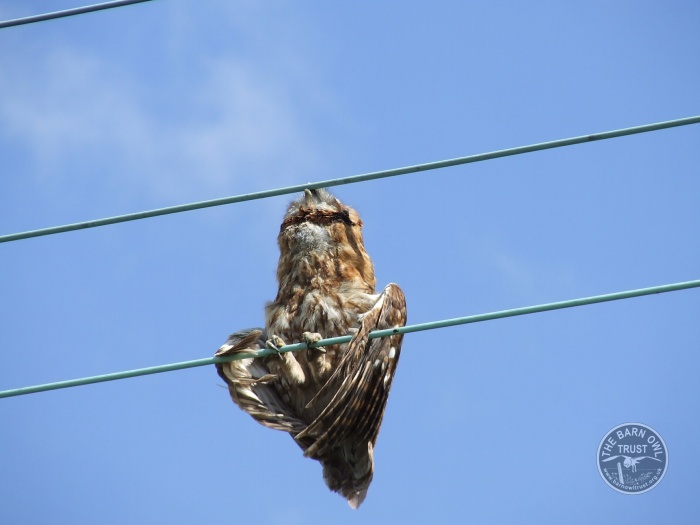
The night sky, a vast canvas of silent whispers, is where the barn owl reigns—a spectral sovereign of twilight, its ghostly plumage and heart-shaped face weaving through the dark like a living shadow. Yet, even this master of nocturnal prowess faces an invisible foe: the tangle of power lines that crisscross the landscape like the skeletal fingers of some slumbering titan. Electrocution is not merely a hazard; it is a silent predator, lurking in the very infrastructure that powers human civilization. For the barn owl, and indeed all raptors, these wires are a paradox—a lifeline for humanity, a death trap for the winged.
The Endangered Species Act and Owls: A Legal Perspective
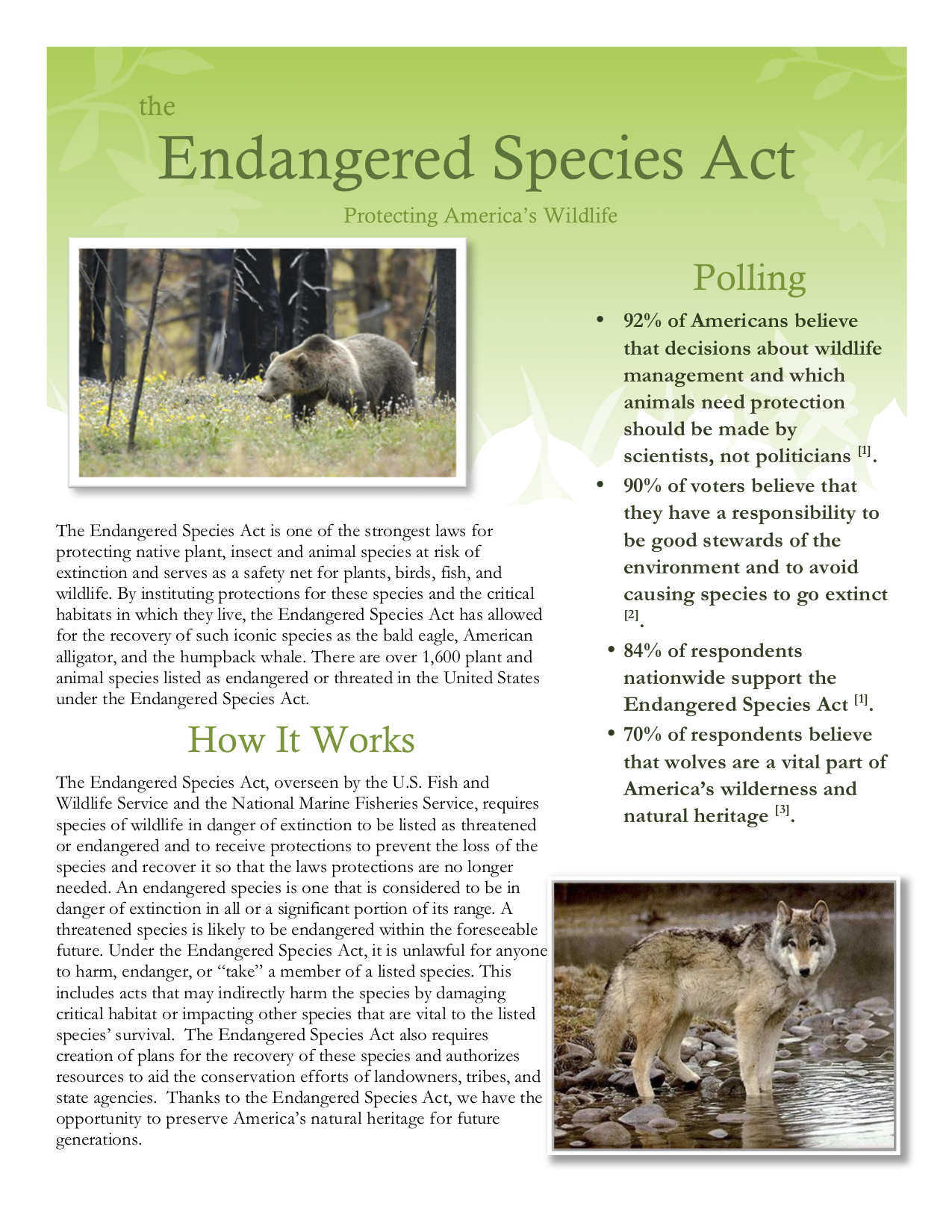
The Endangered Species Act (ESA) stands as a monumental legislative achievement, a bulwark against the relentless tide of biodiversity loss. Enacted in 1973, this cornerstone of environmental policy has safeguarded countless species from the brink of extinction, weaving a complex tapestry of legal protections that extend from the vast expanse of the Arctic tundra to the dense canopies of the Pacific Northwest. Among the myriad creatures that have benefited from its provisions, owls—those enigmatic, silent sentinels of the night—occupy a unique and often contentious position. This article delves into the intricate interplay between the ESA and owl conservation, exploring the legal frameworks that govern their protection, the challenges that arise in their implementation, and the broader implications for ecosystems teetering on the edge of collapse.
The Role of Snowy Owls in Arctic Food Chains
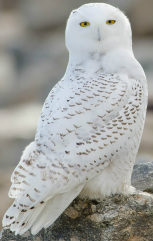
In the vast, desolate expanse of the Arctic tundra, a majestic sentinel rules the roost: the snowy owl. Clad in a cloak of pristine white feathers speckled with black, this formidable raptor is far more than just an emblem of Arctic wilderness. It is a pivotal actor woven intricately into the fragile and complex web of the Arctic food chains. Understanding the role of snowy owls offers profound insights into ecological balance, predator-prey dynamics, and the resilience of life in one of Earth’s most inhospitable environments.
The Impact of Barred Owls on Spotted Owl Lifespan and Survival Rates
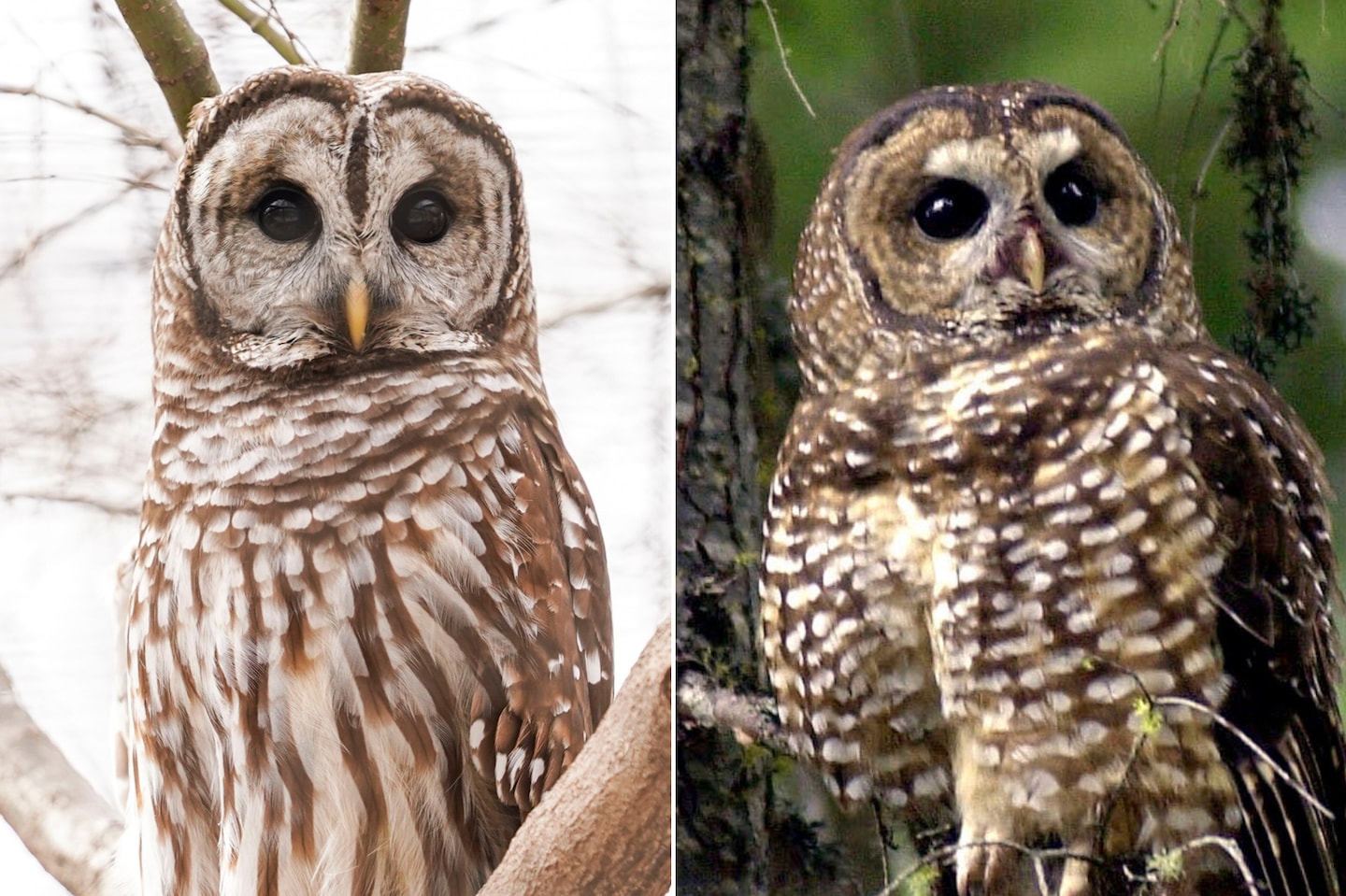
It is a common but deeply unsettling observation in the dense forests of the Pacific Northwest: the once-abundant spotted owl, a symbol of wilderness and ecological delicacy, is in precipitous decline. At the heart of this crisis lies a complicated interplay with its close cousin, the barred owl—a species whose burgeoning presence has rewritten the ecological narratives of these woodlands. This confrontation between two avian titans is more than a mere story of competition; it is a profound challenge to the survival and lifespan of the spotted owl, revealing layers of ecological imbalance and provoking urgent conservation dilemmas.
Spotted Owl Recovery Plans: What’s Working and What’s Not
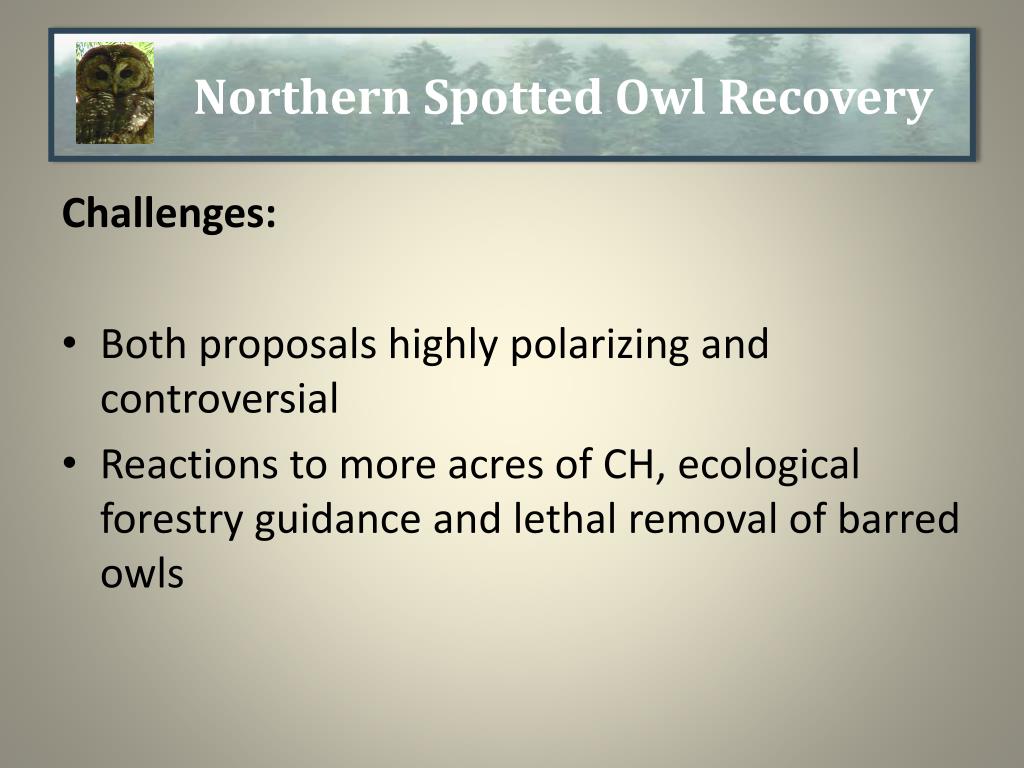
The Northern Spotted Owl, a reclusive denizen of the ancient Pacific Northwest forests, has long captivated ecologists and conservationists alike. Its haunting eight-note call, a melody woven into the fabric of old-growth woodlands, once echoed through towering Douglas firs and redwood groves. Yet, this iconic species now finds itself at the heart of a conservation conundrum, where the clash between human development and ecological preservation plays out in a high-stakes drama. Recovery plans for the Spotted Owl are not merely scientific endeavors—they are narratives of resilience, compromise, and the uneasy dance between progress and preservation. But what exactly is working in these recovery strategies, and where do they falter? To understand this, we must venture beyond the surface of policy and peer into the intricate web of ecological, economic, and social forces at play.
How to Reduce Human Disturbance to Snowy Owl Nesting Sites
There is an undeniable allure in observing the silent grace of a snowy owl as it tends to its nest. This majestic bird, with its ghostly white plumage blending into the wintry expanse, captures the imagination of many who find themselves drawn to the enigmatic rituals of these Arctic guardians. Yet, this fascination also brings challenges. The delicate balance between human admiration and the snowy owl’s need for undisturbed nesting grounds is one that must be respected and nurtured. Understanding how to reduce human disturbance to snowy owl nesting sites not only safeguards the species but also preserves the profound connection we feel when witnessing such raw, natural beauty.
The Owl in Politics: Symbolism and Metaphors
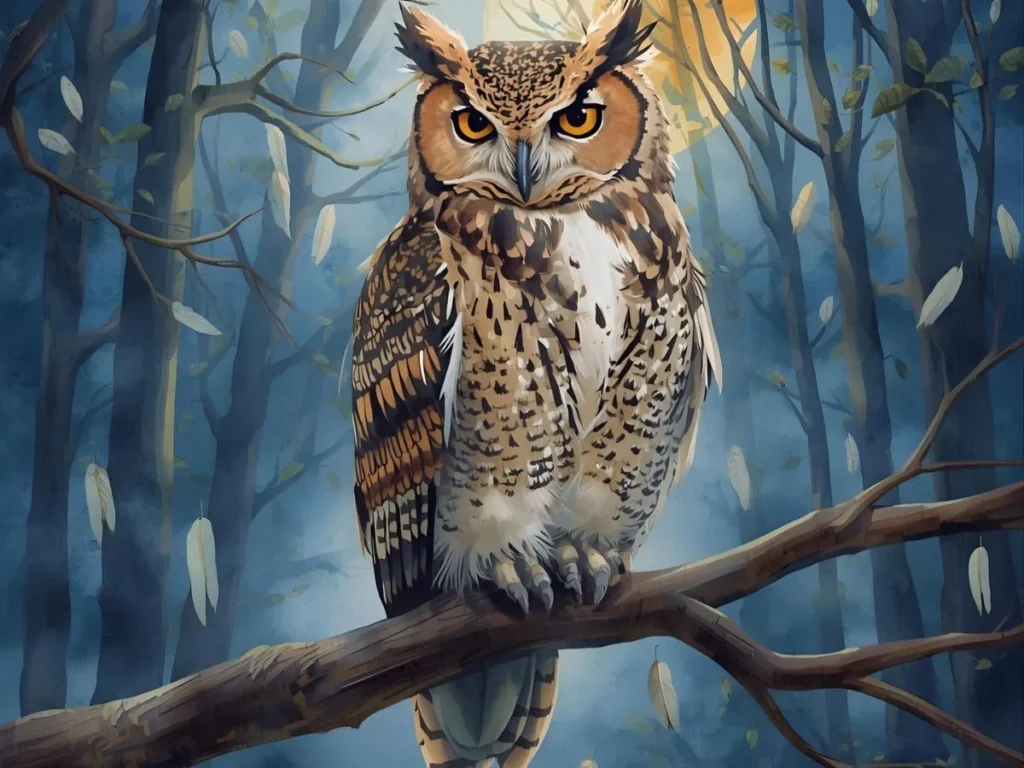
The owl, an enigmatic creature cloaked in the shadows of the night, has long served as a potent symbol woven deeply into human consciousness. Its penetrating gaze, nocturnal nature, and whispered presence evoke an aura of mystique and sagacity. But beyond the realm of spirituality and mythology, the owl’s symbolic resonance permeates the sphere of politics, where it emerges as a compelling metaphor laden with intrigue and subtle power. This article explores the owl’s evocative role in political imagery, revealing how its unique appeal captures the complexities of political wisdom, vigilance, and strategy.
The Role of Citizen Science in Owl Research: How You Can Help
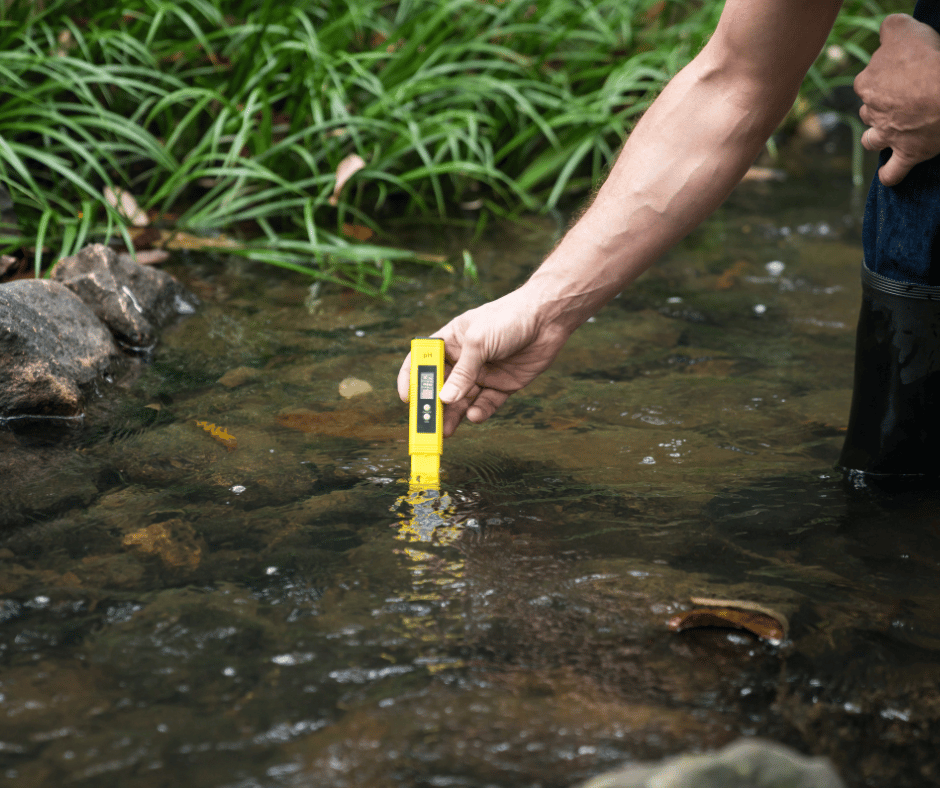
Imagine standing beneath a moonlit canopy, where the night hums with secrets and the air carries the whisper of wings. Owls, those enigmatic sentinels of the dark, have long captivated human imagination. Yet, for all their mystique, these nocturnal hunters remain shrouded in mystery. What if you could peel back the veil, not as a passive observer, but as an active participant in unraveling their secrets? Citizen science offers you that very opportunity—a chance to transform curiosity into impact, to turn idle wonder into tangible discovery. By lending your eyes, ears, and perhaps even your smartphone, you can become a vital link in the chain of owl research, helping scientists decode the language of the night and safeguard these vital predators. The question isn’t whether you can make a difference—it’s whether you’re ready to step into the shadows and listen.
Snowy Owls and the Arctic Food Web: A Cascading Effect of Climate Change
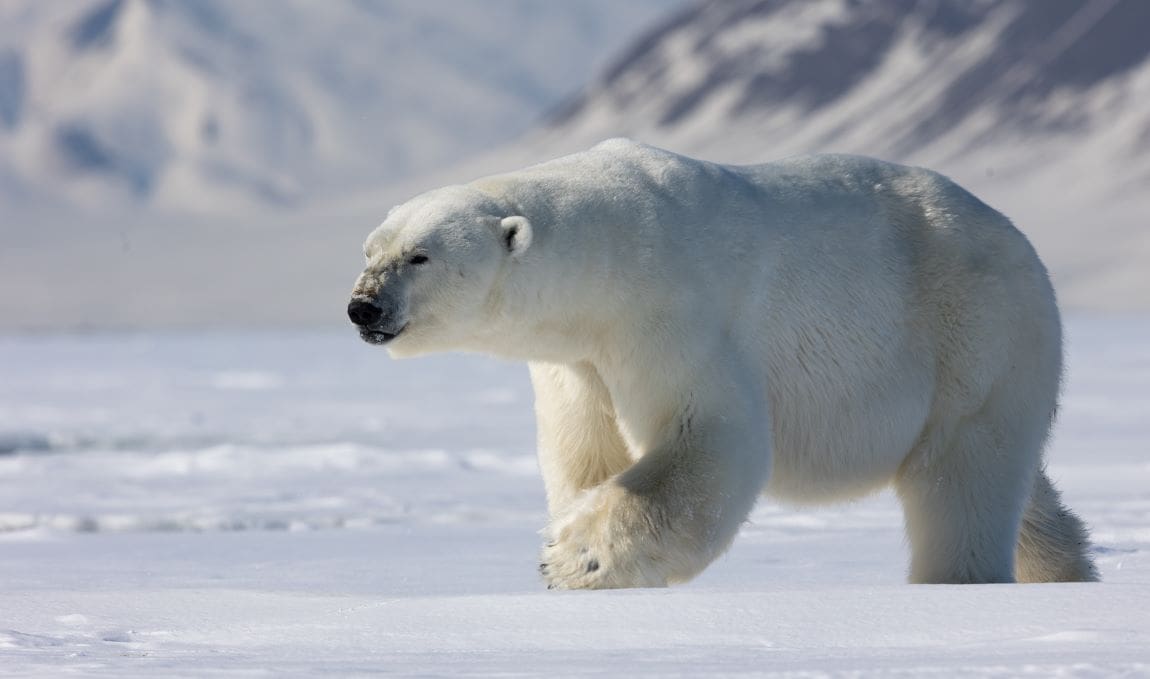
What if the Arctic’s silent sentinels—the snowy owls—started whispering warnings through their vanishing feathers? The Arctic food web, a delicate tapestry woven by ice, wind, and life, is unraveling at the seams. At its heart lies the snowy owl, a ghostly predator whose fate is inextricably linked to the icy realms it calls home. But as climate change melts the Arctic’s frozen heart, this majestic bird isn’t just losing ground—it’s losing its entire world. And with it, the balance of an ecosystem that has thrived for millennia.
Climate Models Predict: Where Will Owls Live in 2050?
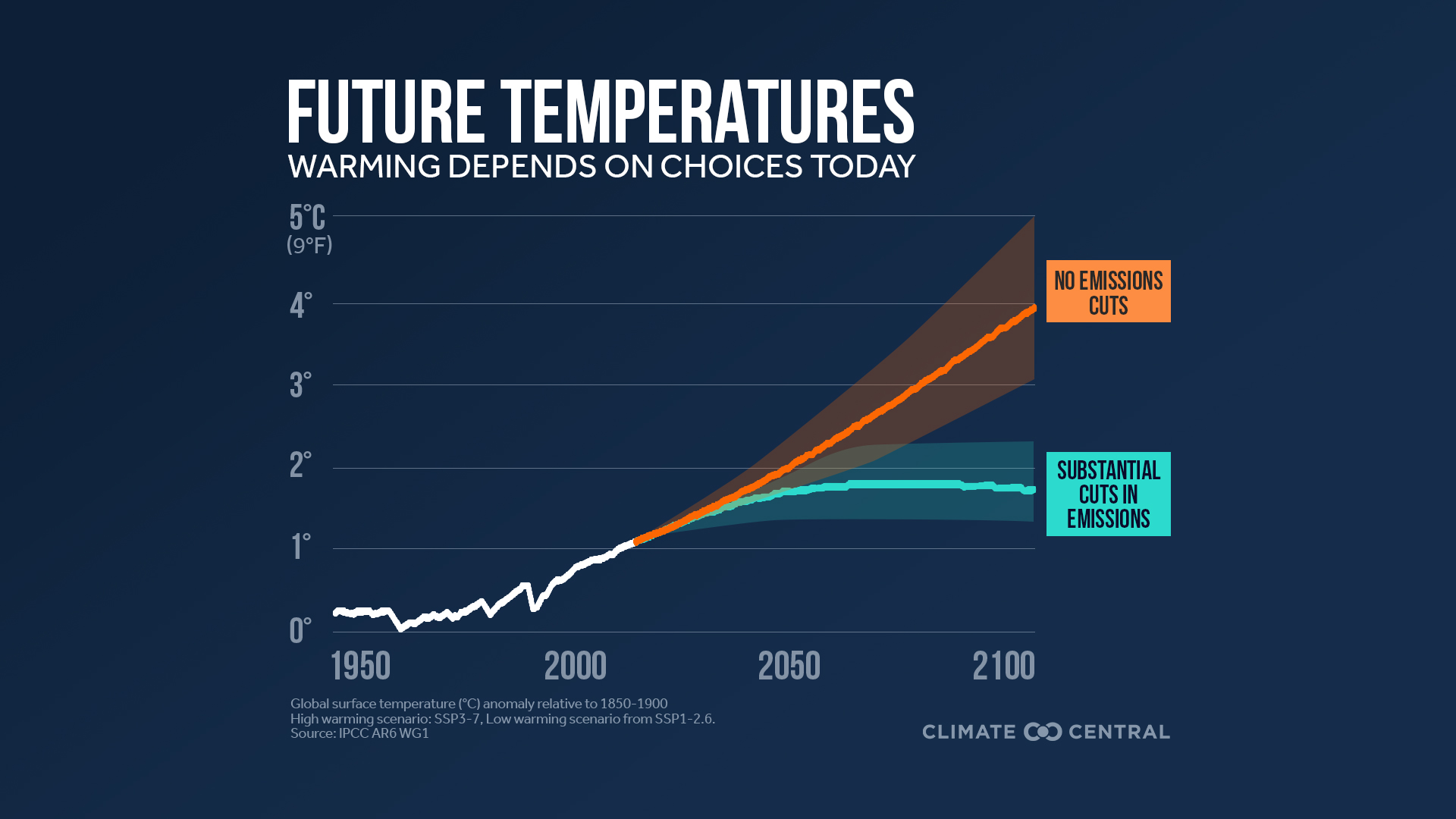
As the planet’s thermostat climbs, the fate of Earth’s creatures hangs in a delicate balance. Among them, owls—those silent sentinels of the night—are facing a future as uncertain as the shifting winds they navigate. Climate models, those intricate crystal balls of science, now whisper predictions about where these enigmatic birds might find refuge by 2050. The story isn’t just about numbers on a graph; it’s about the survival of species that have thrived for millennia, now at the mercy of a rapidly changing world. From the boreal forests to the arid grasslands, the habitats of owls are being redrawn, and the consequences will ripple through ecosystems in ways we’re only beginning to comprehend.