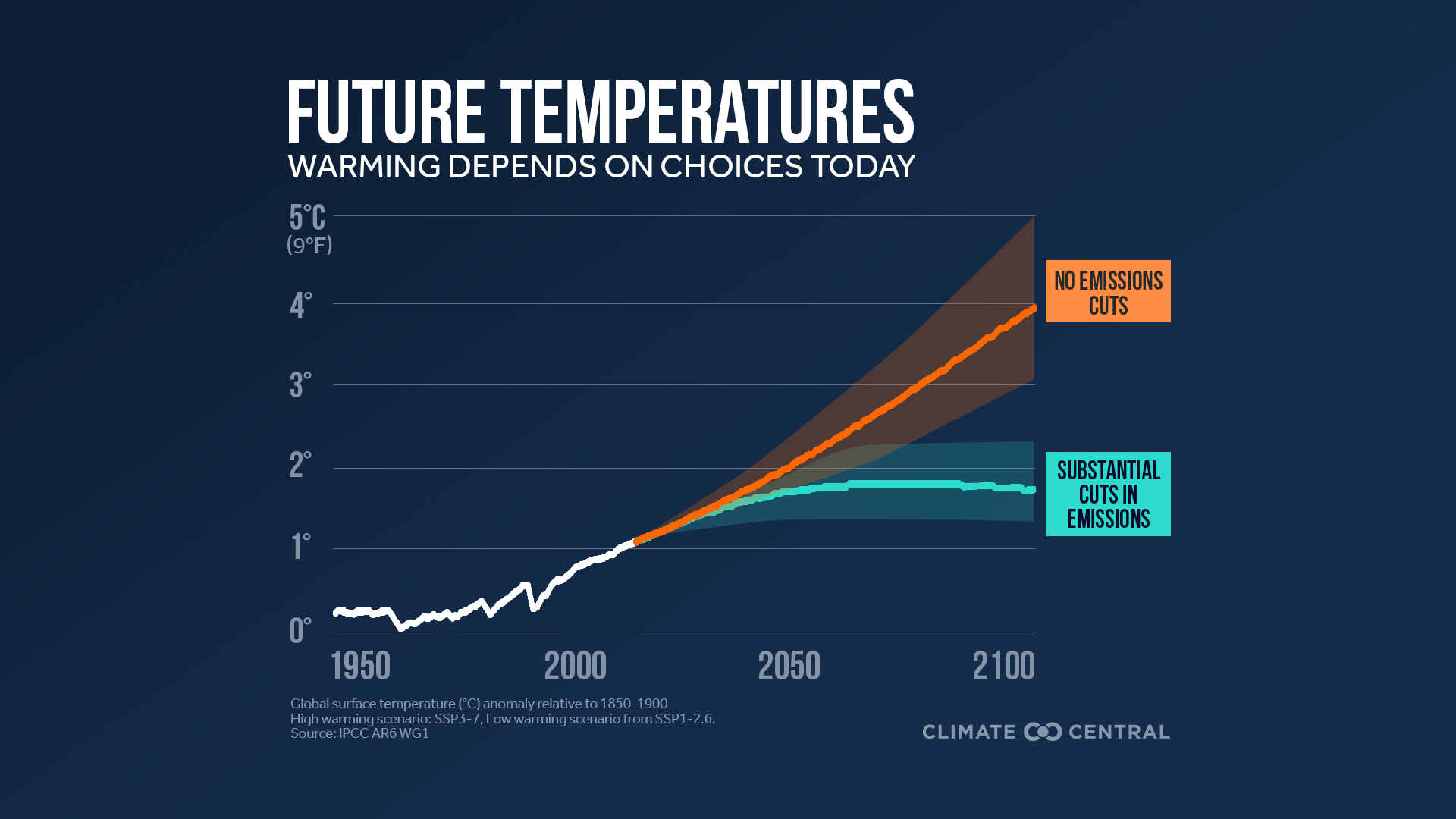
As the planet’s thermostat climbs, the fate of Earth’s creatures hangs in a delicate balance. Among them, owls—those silent sentinels of the night—are facing a future as uncertain as the shifting winds they navigate. Climate models, those intricate crystal balls of science, now whisper predictions about where these enigmatic birds might find refuge by 2050. The story isn’t just about numbers on a graph; it’s about the survival of species that have thrived for millennia, now at the mercy of a rapidly changing world. From the boreal forests to the arid grasslands, the habitats of owls are being redrawn, and the consequences will ripple through ecosystems in ways we’re only beginning to comprehend.
The Great Migration: Where Will Owls Flee the Heat?
The most immediate concern for owls is the relentless march of rising temperatures. As forests bake and wetlands desiccate, many species will be forced to embark on a desperate exodus toward cooler climes. The boreal owls, those ghostly denizens of the northern taiga, may find themselves retreating further into the Arctic’s shrinking fringes. Meanwhile, the burrowing owls of the Great Plains could be pushed into higher elevations, where the air remains crisp and the burrows stay cool. Yet, this migration isn’t a simple journey—it’s a gauntlet of fragmented habitats and human encroachment. The question lingers: will these nocturnal wanderers find sanctuary, or will they become the casualties of a planet in flux?
The Vanishing Act: Habitats at the Edge of Extinction
Not all owls will have the luxury of flight. Some habitats, like the old-growth forests of the Pacific Northwest, are projected to shrink dramatically by mid-century. The spotted owl, a symbol of conservation struggles, could see its domain shrink by as much as 30% in some regions. Meanwhile, the snowy owl’s Arctic tundra is melting at an alarming rate, leaving these majestic birds with fewer places to hunt and breed. Even the barn owl, a species known for its adaptability, may struggle as agricultural lands dry up and rodent populations dwindle. The loss of these habitats isn’t just a tragedy for owls—it’s a domino effect that threatens the entire food web, from insects to apex predators.
The Urban Oasis: Can Cities Become Owl Sanctuaries?
As natural habitats shrink, some owls may turn to the unlikeliest of refuges: cities. Urban green spaces, from parks to golf courses, could become critical havens for species like the eastern screech-owl and the great horned owl. These adaptable birds are already making themselves at home in backyards, nesting in chimneys and hunting rodents in alleyways. Yet, urban life isn’t without its perils—collisions with buildings, exposure to pesticides, and the ever-present threat of domestic pets pose new challenges. The question remains: can cities evolve fast enough to become true sanctuaries, or will they merely become ecological traps for these winged survivors?
The Prey Paradox: Will Owls Starve in a Changing World?
The survival of owls hinges on one critical factor: food. As climate change reshapes ecosystems, the prey that owls rely on—mice, voles, insects—are also on the move. In some regions, warmer winters may lead to population booms of certain rodents, providing a temporary feast for hungry owls. In others, droughts and wildfires could decimate insect populations, leaving owls to scavenge for scraps. The great gray owl, for instance, may find its primary prey—voles—disappearing from its traditional hunting grounds. The result? A precarious balancing act where owls must either adapt their diets or face starvation. The stakes are high, and the clock is ticking.
The Silent Extinction: What Happens When Owls Disappear?
The loss of owls isn’t just a tragedy for birdwatchers—it’s a crisis for the entire ecosystem. These apex predators play a crucial role in controlling rodent populations, which in turn protects crops and prevents the spread of disease. Without owls, we could see an explosion of pests, leading to increased use of pesticides and further environmental degradation. Moreover, the disappearance of owls would disrupt the delicate balance of food chains, causing ripple effects that we can’t yet predict. The silent extinction of these birds would be a loss not just for nature, but for humanity as well.
The Adaptation Gambit: Can Owls Evolve Fast Enough?
Nature is a master of adaptation, but the pace of climate change may outstrip even the most resilient species. Some owls, like the burrowing owl, are already showing signs of behavioral shifts—nesting earlier in the season or altering their hunting patterns to avoid extreme heat. Yet, evolution is a slow process, and not all species can keep up. The barn owl, for example, may struggle to adapt to rapidly changing agricultural practices. The question isn’t just whether owls can survive, but whether they can evolve quickly enough to outpace the relentless march of a warming planet.
The Conservation Conundrum: What Can We Do to Help?
The fate of owls in 2050 isn’t set in stone. Conservation efforts, from habitat restoration to captive breeding programs, could tip the scales in their favor. Protecting old-growth forests, creating wildlife corridors, and reducing pesticide use are just a few ways we can help these birds thrive. Additionally, citizen science initiatives—like nest monitoring and owl tracking—can provide critical data to guide conservation strategies. The challenge is immense, but the rewards are even greater: a world where owls continue to soar, their haunting calls echoing through the night as a reminder of nature’s resilience.