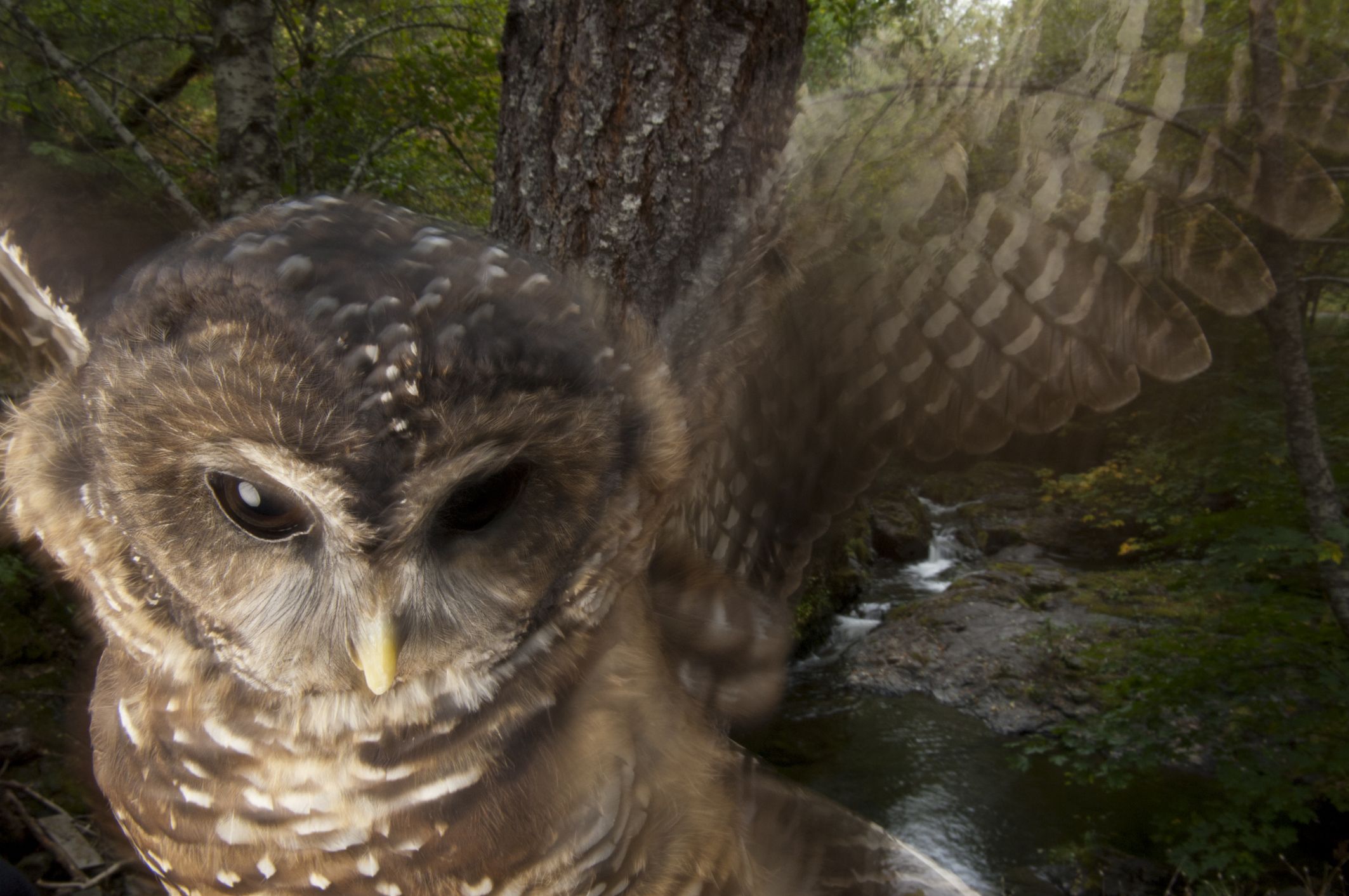
Observing the elusive Spotted Owl in its natural habitat is a profoundly rewarding experience, one fraught with moments of anticipation and delight. These majestic birds, symbols of old-growth forests and ecological mystery, challenge even the most seasoned birdwatchers. Understanding the ebb and flow of the seasons reveals the best windows of opportunity to glimpse these enigmatic creatures in action. Each period of the year unfurls a distinct chapter in the owl’s life cycle, beckoning observers to immerse themselves in a richly varied tapestry of behaviors, sounds, and environments. This guide unravels the nuances of when and how to witness the Spotted Owl, with a focus on seasonally tailored viewing experiences that elevate appreciation for this treasured species.
Winter: The Realm of Resilience and Vocal Intricacy
Winter casts the ancient forests in a quiet, contemplative light, transforming them into a sanctuary of stillness where the Spotted Owl’s haunting calls resonate with greater poignancy. During this season, the owls remain steadfastly within well-established territories, seeking shelter from harsh weather and relying on their impeccable camouflage. The longer nights and subdued forest activity provide an exceptional auditory experience. Enthusiasts will find that listening — rather than sighting — becomes paramount, as communication between mates and neighbors escalates through a complex symphony of hoots and trill calls. Winter offers the rare chance to discern specific vocal signatures and decipher territorial boundaries, a fascinating exploration for those attuned to the subtleties of avian language.
Spring: The Season of Courtship and Intimate Encounters
As the forest awakens, spring heralds a crescendo in Spotted Owl activity, revealing intimate aspects of their courtship rituals and nest preparation. This time is arguably the optimal period for those seeking visual confirmation of owls, as pairs engage in conspicuous displays such as wing flapping and skyward calling duets. The onset of nesting triggers heightened movement, and the likelihood of encountering adults near nest sites rises considerably. Early morning and twilight hours become prime viewing slots when owls are more active and visible, exploiting the gentle light to reveal glimmers of their mottled plumage. Observers can capture the delicate dynamics of partnership, nest site selection, and the initial stages of incubation, offering a profoundly personal window into the reproductive life of Spotted Owls.
Summer: The Vigil of Parentage and Jovial Beginnings
Summer’s warmth brings an exhilarating chapter as fledglings emerge, awkward yet eager, from the nest. This bustling period is marked by a labyrinthine sequence of parental care and fledgling learning, a tableau ripe with emotional resonance. Watchers can experience the complex choreography of feeding visits, territorial defense, and fledgling calls — high-pitched and plaintive — as young owls acclimate to their surroundings. This stage is invaluable for capturing images and observations of juvenile Plumage and behaviors seldom witnessed outside this window. The denser foliage, however, can complicate spotting, necessitating patience, sharp eyes, and often binocular assistance. The richness of summer lies in portraying not just the individual owls but the intimate family saga unfolding amidst towering trees.
Autumn: Transition and Stealth in the Diminishing Light
Autumn’s amber hues and diminishing day length signal a transitional phase where Spotted Owls gradually reduce vocal activity and begin focusing on survival as their young disperse. This period offers more elusive encounters, underscoring the owls’ ghostly nature as they meld seamlessly into the vivid mosaic of falling leaves. Autumn emphasizes the subtlety of observation — the silent glide between branches, the sudden yet fleeting silhouette against a twilight sky. For the intrepid observer, this season reveals a quieter, almost mystical facet of Spotted Owl life, one that rewards meticulous patience and refined skill. Tracking movement becomes a meditation, attuned to the faintest rustle or shadow, making each sighting a cherished victory over the veil of camouflage and decline in activity.
Optimal Habitats and Viewing Locations Throughout the Year
Identifying the right habitats profoundly influences the likelihood of spotting these reclusive birds year-round. Spotted Owls favor mature, dense coniferous forests with multilayered canopies and abundant snags perfect for nesting and roosting. Seasonal habitat preferences subtly shift: winter strongholds gravitate towards sheltered valleys and old-growth forests less disturbed by human encroachment, while spring and summer viewing is most fruitful along forest edges where fledglings begin their exploratory forays. In the autumn, owls often retreat to thicker cover as the landscape changes. Understanding these spatial nuances allows for strategically timed excursions, combining ecological knowledge with seasonal behavior to elevate encounters from chance glimpses to meaningful experiences.
Gear and Techniques to Enhance Seasonal Viewing
Maximizing the experience of viewing Spotted Owls necessitates tailored equipment and techniques that adapt to seasonal conditions. In winter and autumn, quietude and high-quality audio recording devices or sensitive hearing become invaluable allies in detecting distant calls. Come spring and summer, optics like binoculars and telephoto lenses paired with lightweight camouflage clothing aid closer, less disruptive observation. Dawn and dusk lighting conditions require patience and an ability to work with low light; red filters or dimmed headlamps assist in maintaining night vision without startling these sensitive birds. Preparing for the rapidly changing weather conditions of each season also means dressing in layers and managing moisture to maintain comfort and focus. These combined strategies transform spotting from a mere act into an immersive, respectful communion with the environment.
Conservation Awareness and Ethical Viewing Practices by Season
Witnessing Spotted Owls compels a profound sense of stewardship and mindfulness, emphasizing the importance of conservation and ethical observation. Throughout the year, minimizing disturbance is paramount — especially during breeding in spring and parental care in summer, when undue stress can jeopardize fragile nests. Observers should keep a respectful distance, use silent approaches, and avoid artificial light intrusion. Seasonal sensitivity to human presence impacts responses and survival rates, underlining the importance of adhering to established guidelines and working in concert with conservation efforts. Enhanced awareness of habitat threats such as logging and invasive species throughout the year serves as a crucial reminder that these seasonal encounters carry the weight and responsibility of preserving a vulnerable species for generations to come.
The measured rhythms of the Spotted Owl’s year offer not only a guide for when to see them but a deeper invitation to appreciate their intricate life cycle in context. Each season reveals layers of a story rich with adaptability, persistence, and a quiet dignity born from centuries of evolution. For those who venture forth with knowledge, patience, and reverence, the forest quietly yields glimpses of this spectral sentinel of the woods — a testament to nature’s enduring mystery and splendor.