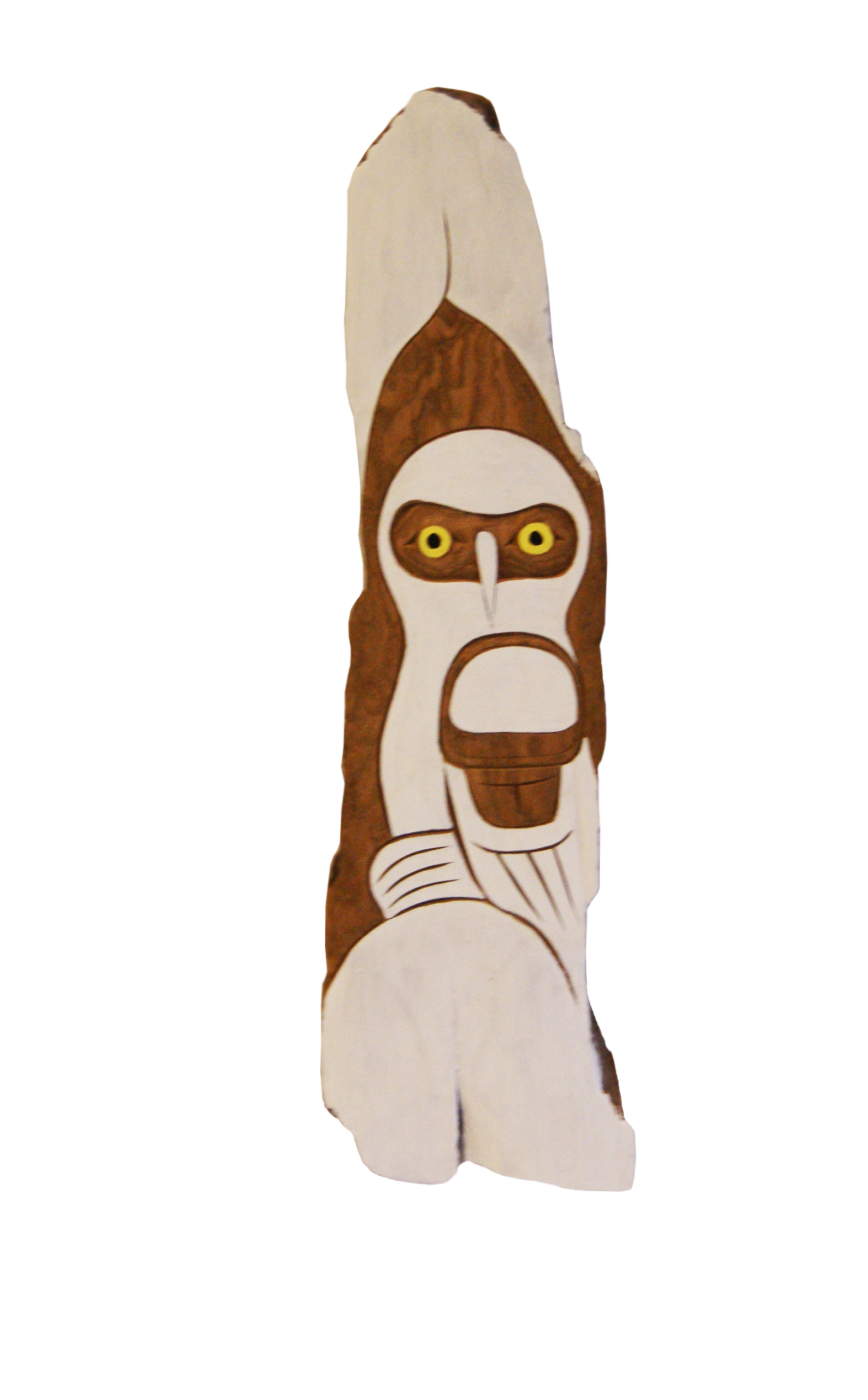
The snowy owl, with its ethereal white plumage and piercing yellow eyes, evokes a mixture of awe and curiosity in all who encounter it. From the quiet snowscapes of the Arctic tundra to whispered stories around community fires, this majestic bird has captured human imagination for centuries. Yet, beyond the apparent beauty and mystery of the snowy owl lies a profound ecological and cultural narrative, especially intertwined with Indigenous communities. Their intrinsic relationship with the snowy owl offers more than just observation—it reveals a tapestry of knowledge, stewardship, and reverence that is pivotal in the ongoing conservation efforts. This narrative unveils why the snowy owl fascinates us and how Indigenous wisdom becomes crucial in preserving its future.
Echoes of Tradition: Indigenous Worldviews and the Snowy Owl
In many Indigenous cultures across North America, the snowy owl is not merely a creature of the wild; it embodies spiritual significance and ancestral connections. Tribal stories often speak of the owl as a messenger or guardian, guiding individuals through the unseen and unknown. This symbolic stature fosters a deep respect that transcends mere fascination, positioning the owl as a sacred entity. Embedded within these worldviews is an understanding of the interconnectedness between animals, people, and the environment—an ecological philosophy centuries ahead of modern conservation paradigms. By perceiving the snowy owl through this sacred lens, Indigenous communities have long fostered a harmonious coexistence, nurturing both the owl’s existence and the lands they share.
Ethnoecology: Traditional Knowledge as Guardianship
Indigenous knowledge systems, often termed ethnoecology, encompass detailed observations of wildlife behavior, migratory patterns, and ecological changes—all passed down through generations. This repository of information about snowy owls offers invaluable insights into their breeding habits, prey preferences, and responses to environmental threats. Unlike conventional scientific data confined to field studies, traditional ecological knowledge is holistic, integrating spiritual, social, and environmental elements. For instance, hunters and elders recall snowy owl population fluctuations in tandem with snowshoe hare cycles, revealing intricate predator-prey dynamics essential for ecological balance. By embracing this wisdom, conservationists gain access to a longitudinal perspective that modern science alone cannot provide, enhancing adaptive management practices that are culturally respectful and ecologically sound.
Co-Management and Collaborative Conservation Efforts
The evolving paradigm of wildlife conservation increasingly recognizes the indispensable role of Indigenous communities as partners rather than passive observers. Co-management agreements allow Indigenous peoples to actively engage in monitoring snowy owl populations, safeguarding critical habitats, and enforcing sustainable practices. These collaborations integrate traditional knowledge with contemporary scientific methodologies, creating a robust and nuanced framework for conservation. Beyond technical advantages, such partnerships empower Indigenous voices, affirm sovereignty, and promote environmental justice. The deep-rooted guardianship ethos of Indigenous peoples amplifies the conservation impact, ensuring that efforts to preserve snowy owls are aligned with the cultural values and livelihoods of the very communities most intimately connected to these birds.
Challenges to Snowy Owl Populations and Indigenous Responses
Despite their resilience in harsh climates, snowy owls face escalating threats due to climate change, habitat degradation, and human disturbance. Rapid Arctic warming disrupts prey availability and breeding grounds, creating precarious conditions for survival. Indigenous communities are often the first to witness these disruptions firsthand through changes in snow patterns, animal behaviors, and ecological health. In response, many communities have mobilized grassroots initiatives to document shifting environmental cues, raise awareness, and advocate for stronger protections. These proactive measures underscore the inseparability of cultural preservation and environmental stewardship, highlighting how Indigenous peoples confront environmental crises with a blend of ancestral wisdom and contemporary advocacy.
Education and Cultural Revitalization Through Snowy Owl Conservation
Snowy owl conservation transcends ecological imperatives; it also serves as a vessel for cultural education and intergenerational knowledge transmission. Community programs centered around the owl instill pride in Indigenous youth and foster connections to ancestral lands and traditions. Storytelling, art, and field excursions nurture a sense of identity linked to biodiversity and environmental health. By intertwining ecological stewardship with cultural revitalization, these programs foster resilience not only in owl populations but also in Indigenous cultural legacies. This revitalization creates a cyclical strengthening of community ties and environmental awareness, ensuring that fascination with the snowy owl ignites enduring commitment rather than fleeting admiration.
The Deeper Fascination: What the Snowy Owl Teaches Us About Connection
At its core, the widespread fascination with the snowy owl reflects a universal yearning for connection—to nature, to mystery, and to deeper truths about existence. The owl’s ghostly white feathers and silent flight evoke an otherworldly presence that invites contemplation beyond the surface. Indigenous relationships with the owl illuminate this fascination’s deeper roots: reverence for the natural world as a living, breathing entity imbued with spirit. Through their stewardship, these communities teach us that conservation is not solely about numbers or species survival but about sustaining sacred relationships—between humans and animals, past and present, earth and sky. This lesson resonates urgently today, as the snowy owl becomes a symbol of both fragile beauty and enduring resilience in a rapidly changing world.