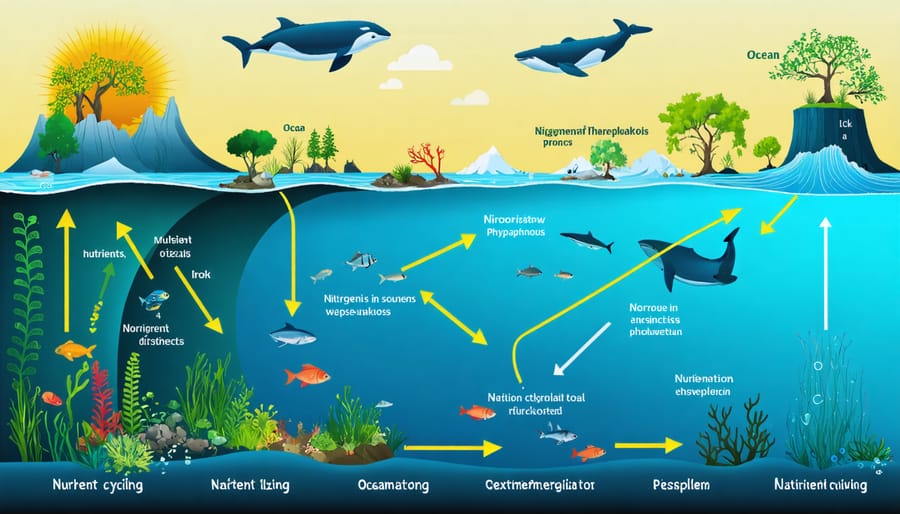
The silent sentinels of the night, owls, have long been shrouded in mystery and myth. Yet beyond their haunting calls and piercing gaze lies a role far more vital to our ecosystems than most realize. While their contributions to pest control are widely celebrated, their impact on water quality—through the intricate dance of nutrient cycling—remains an underappreciated marvel. This hidden synergy between these nocturnal hunters and the aqueous veins of our planet reveals a story of ecological interdependence, where every feathered drop in the bucket sustains the lifeblood of our waters.
The Impact of Oil Drilling on Snowy Owl Habitats in the Arctic

The Arctic is a realm of stark, shimmering beauty—a frozen symphony where the aurora borealis dances across the sky like celestial brushstrokes on a canvas of ice. Yet beneath this ethereal surface, a silent war rages. The extraction of crude oil, that black gold coveted by industries, carves wounds into the heart of the Arctic’s most vulnerable inhabitants. Among them, the snowy owl, a creature of mythic grace and resilience, faces an existential threat. Its habitat, a delicate tapestry of snow and tundra, is being unraveled by the relentless machinery of progress. This is not merely a story of environmental degradation; it is a tragedy of displacement, where the owl’s ancient domain is sacrificed for fleeting human indulgence.
How Owls Are Contributing to Scientific Research: Model Species for Ecological Studies
In the shadowed realms of twilight, where the veil between day and night blurs into a symphony of whispers, owls glide with an almost spectral grace. These nocturnal sentinels, draped in feathers of dusk and dawn, are not merely the stuff of myth and folklore—they are living laboratories, their lives interwoven with the very fabric of ecological research. Once dismissed as mere predators of the night, owls are now emerging as unsung heroes in the quest to unravel the mysteries of our planet’s delicate balance. Their silent wings carry more than just the promise of a hunt; they bear the weight of scientific revelation, offering a model species that is reshaping our understanding of ecology, behavior, and even climate change. To dismiss them as mere birds of prey is to overlook the profound role they play in the grand tapestry of life on Earth.
The Stygian Owl: The Mysterious Owl of the Americas
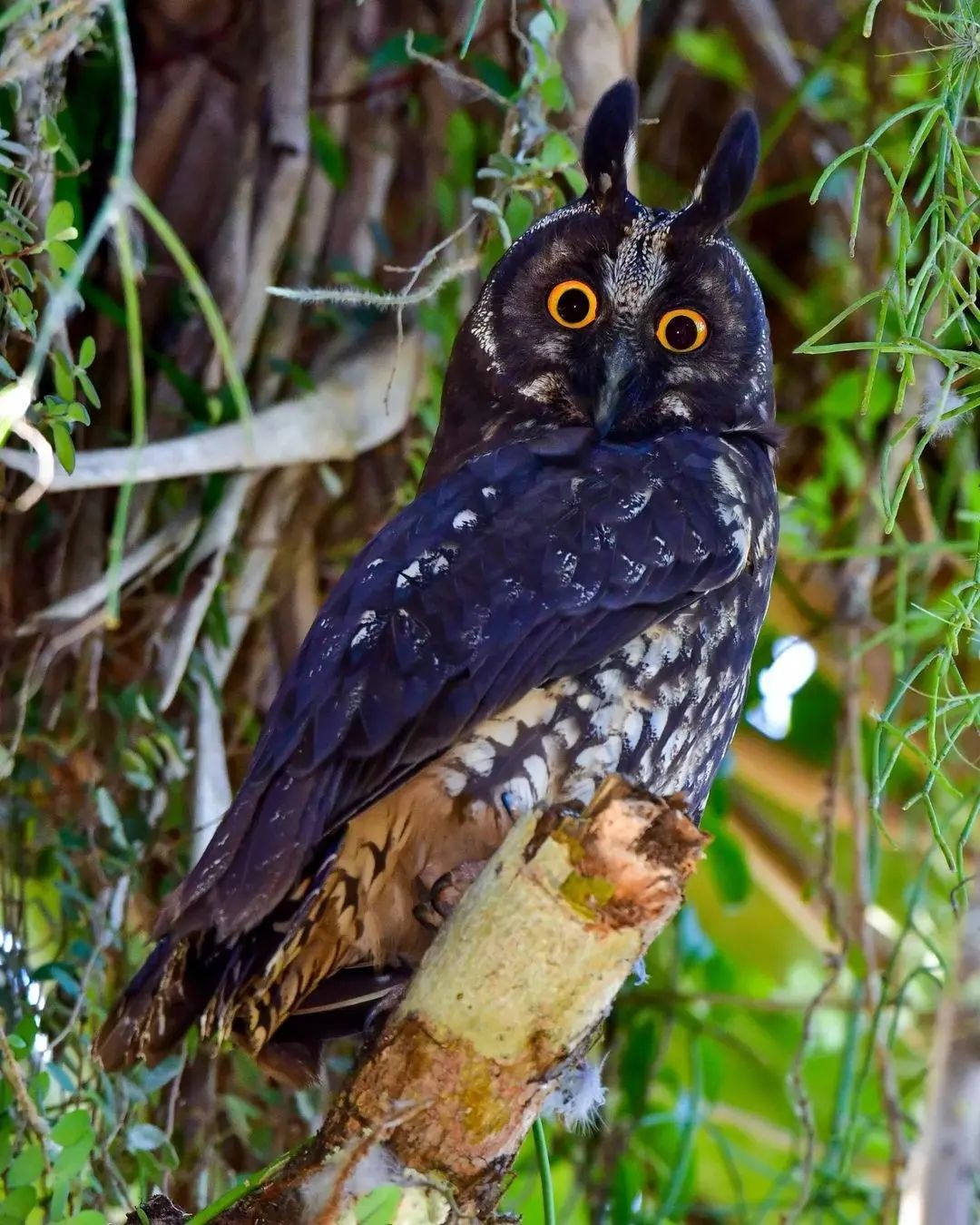
The Stygian Owl, a creature of twilight whispers and shadowed forests, is one of the most enigmatic and visually arresting raptors of the Americas. Cloaked in a plumage that seems to absorb the fading light of dusk, this nocturnal sentinel embodies the mystique of the wild places it inhabits. With eyes like molten gold and a silhouette that evokes both elegance and primal ferocity, the Stygian Owl is not merely a bird—it is a living emblem of the untamed wilderness. Its presence, often felt more than seen, invites us into a world where silence speaks louder than sound and where every rustle in the undergrowth could be the prelude to a fleeting encounter with one of nature’s most elusive predators.
Snowy Owls and Indigenous Arctic Communities: A Shared History
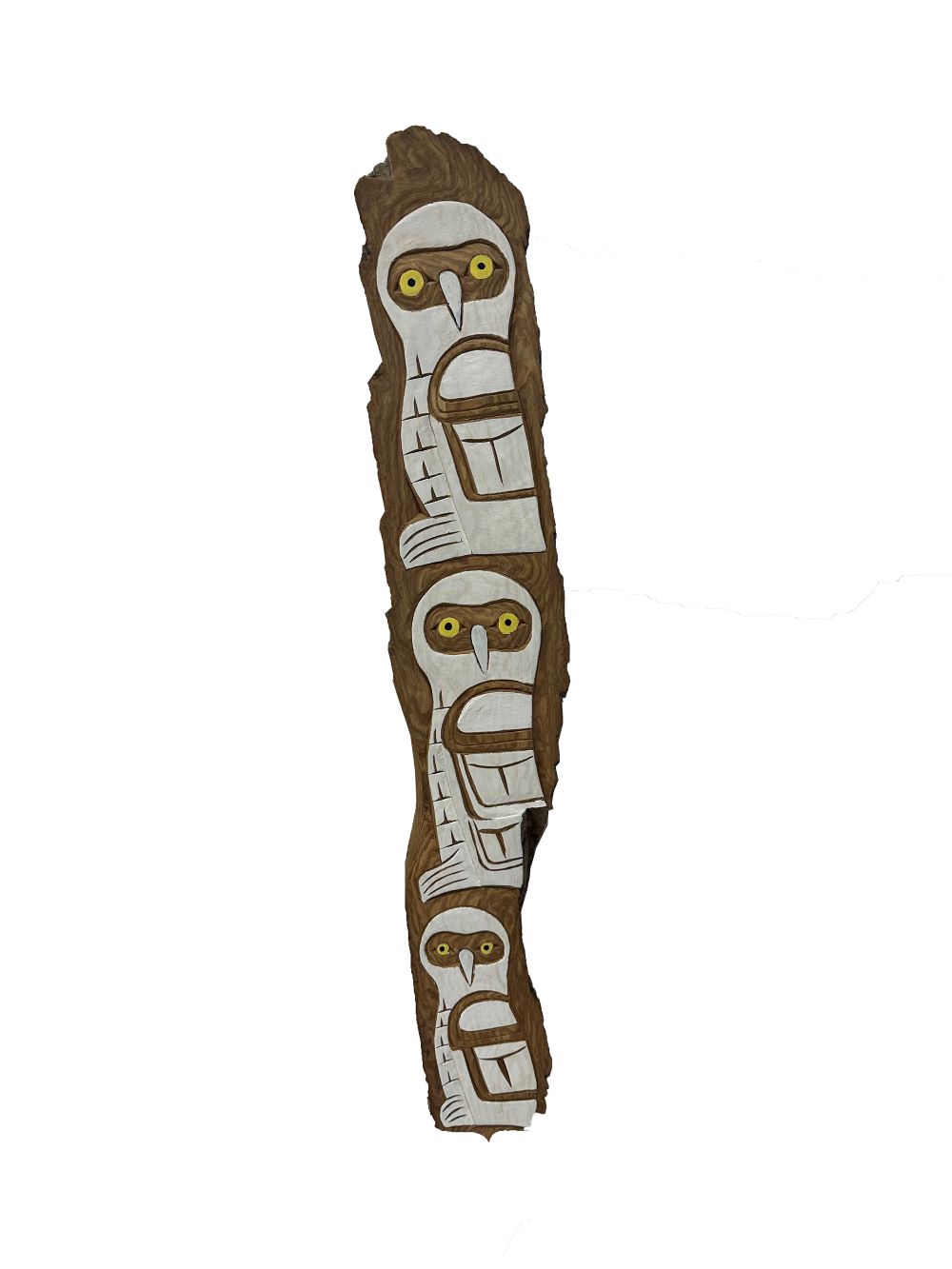
The Arctic tundra stretches endlessly, a vast expanse of ice and wind where survival is a daily negotiation with the elements. Amidst this stark landscape, the snowy owl glides silently, a spectral presence woven into the fabric of Indigenous Arctic communities. This majestic bird is not merely a creature of the wild; it is a symbol, a teacher, and a companion in the stories and traditions of the people who call the North home. To understand the snowy owl is to glimpse the resilience, wisdom, and deep ecological knowledge of Indigenous Arctic societies—a relationship forged over millennia, where human and bird share a delicate balance of dependence and reverence.
The Use of Camera Traps in Capturing Rare Owl Behavior and Interactions
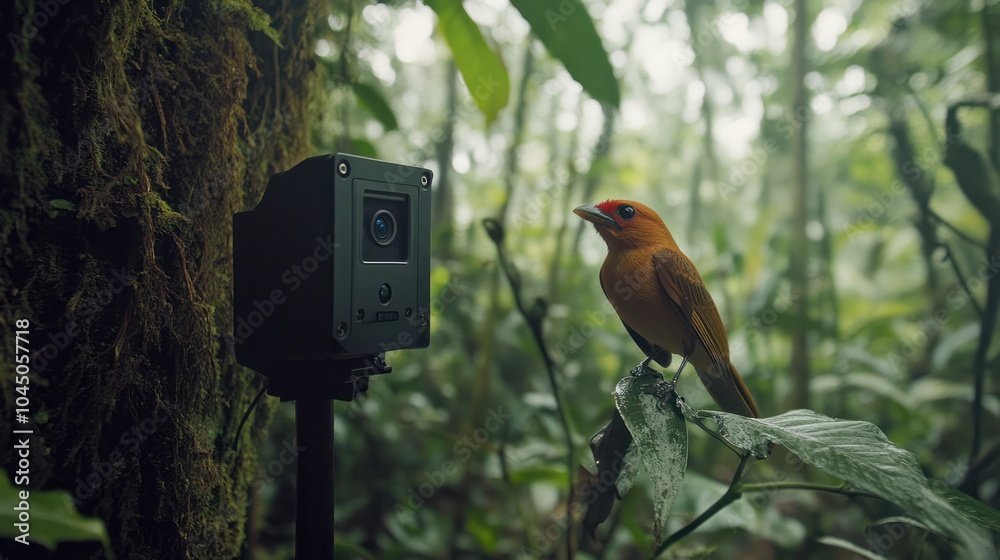
The night belongs to the unseen, the unheard, the creatures that move like whispers through the underbrush of our collective awareness. Among these, owls reign as silent sovereigns—masters of stealth, architects of shadow, their presence felt more than seen. Camera traps, those unblinking sentinels of the wild, have begun to peel back the layers of mystery surrounding these enigmatic birds, revealing not just their elusive forms but the intricate tapestry of their lives. What unfolds in the grainy glow of infrared footage is nothing short of a revelation: a world where survival is a dance, where every interaction is a negotiation, and where the boundaries between predator and prey blur into something far more nuanced. The fascination isn’t merely with the spectacle of an owl in flight or the thrill of capturing a rare species on film—it’s with the unspoken stories these images tell, the silent dialogues between creatures that challenge our understanding of intelligence, communication, and coexistence in the natural world.
The Impact of Melting Sea Ice on Snowy Owl Prey Availability
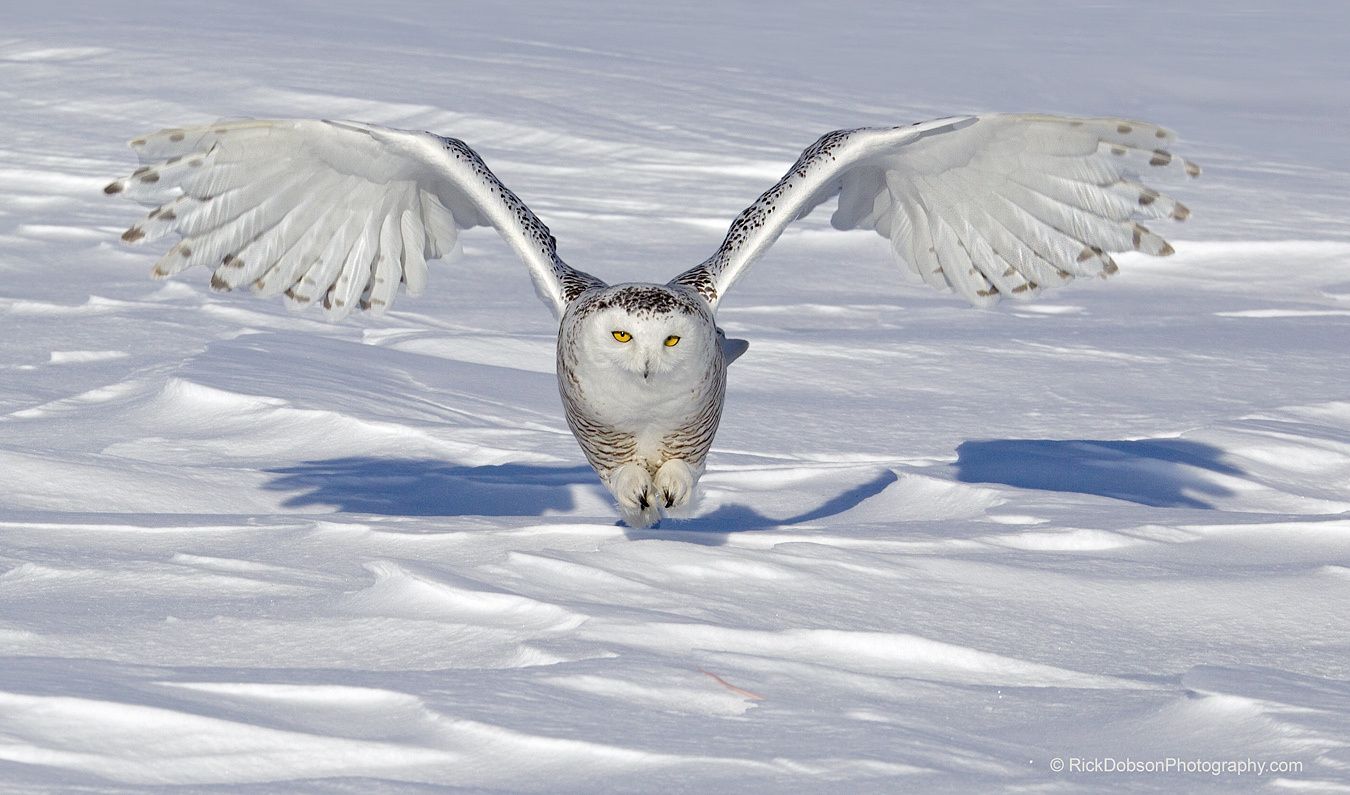
In the vast, frostbitten expanse of the Arctic tundra, the snowy owl reigns as a majestic sentinel of the winter skies. Its piercing yellow eyes scan the frozen landscape, unwavering in the pursuit of prey. Yet beneath the shimmering veil of ice, a silent transformation is underway—one that threatens to unravel the intricate dance between predator and prey. The relentless retreat of sea ice, propelled by the unyielding momentum of climate change, reverberates through the Arctic ecosystem, reshaping the very fabric of life. Among its victims is the snowy owl, whose prey availability is inexorably tethered to the ebb and flow of the frozen frontier.
Owls in Heraldry: Symbols of Power and Protection
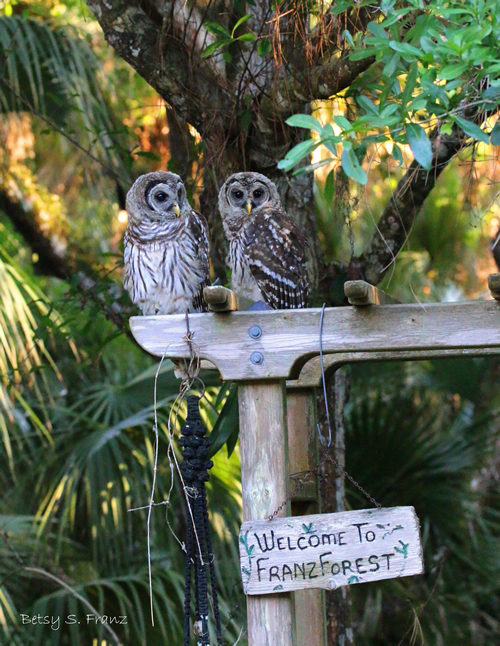
Few creatures in the annals of heraldry command the same gravitas as the owl—a bird whose silent wings and unblinking gaze have long been etched into the crests of kings, the banners of knights, and the seals of empires. More than mere embellishment, the owl in heraldry is a cipher of wisdom, a sentinel of vigilance, and a harbinger of the unseen. Its presence on shields and standards is not accidental; it is a deliberate invocation of power, protection, and the arcane knowledge that lies just beyond mortal perception. To understand the owl’s heraldic significance is to peer into the collective psyche of civilizations that revered it as both a guide and a guardian.
What If Owls Were the National Bird of Every Country? The Symbolic Impact
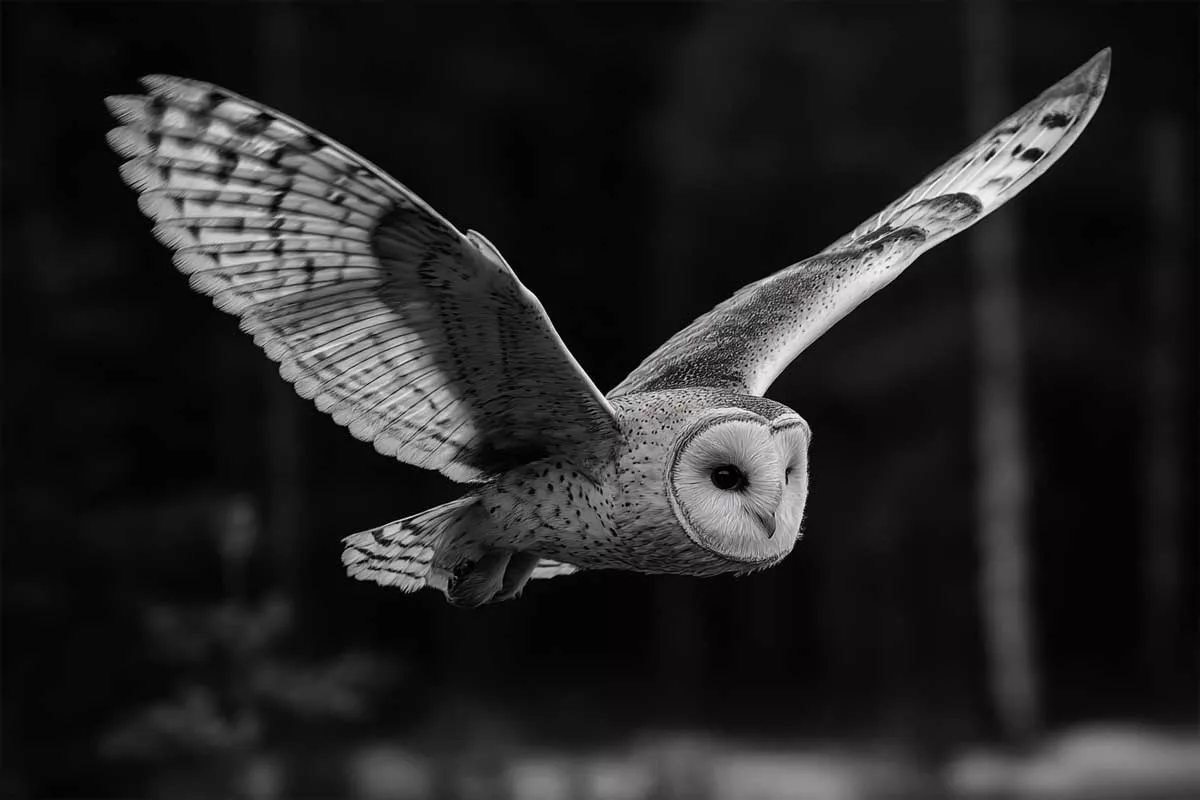
Imagine a world where, instead of eagles soaring through the skies or cardinals brightly marking seasons, an owl perches proudly on every nation’s emblem. What if owls were not merely enigmatic creatures of the night but the universal symbol representing the essence of a country? This playful conjecture invites us to reconsider the paradigms of national identity and symbolism. Yet, beneath its whimsical veneer lies a potent challenge — can the inscrutable owl truly encapsulate the diverse values, histories, and aspirations of every nation? Let’s delve into this captivating prospect and unravel the symbolic impact such a shift might wield.
The Threat of Overcollection: Why Owl Feathers and Eggs Are Still in Demand
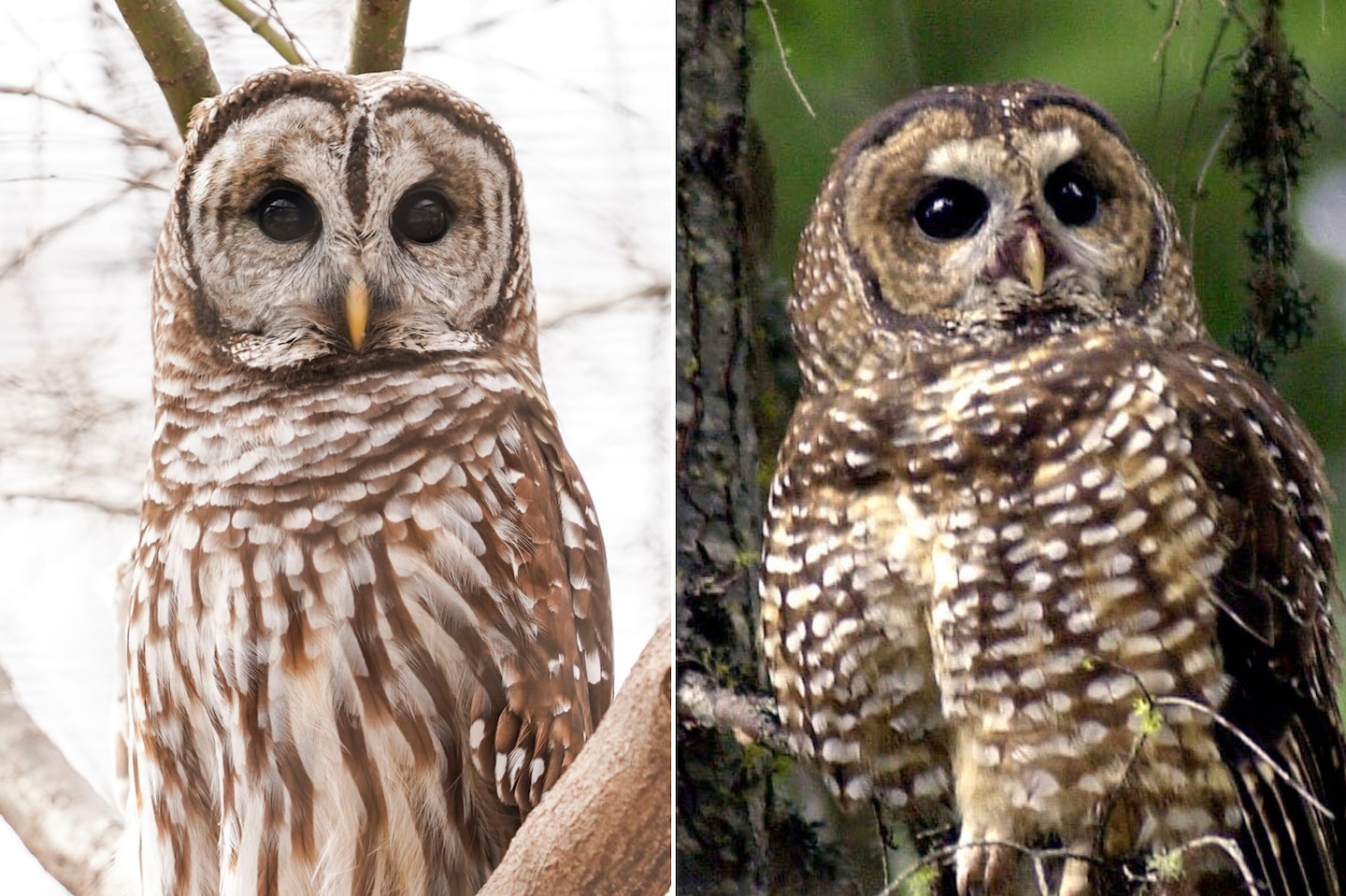
The night forest hums with a hush so deep it feels like the world has paused to listen. Somewhere above, an owl glides on silent wings, its gaze sharp as a blade honed by centuries of twilight hunting. Yet, this sentinel of the shadows is not merely a creature of myth or folklore—it is a living paradox, both revered and relentlessly hunted. The demand for owl feathers and eggs persists, not as a relic of ancient superstition, but as a modern-day quandary, woven into the fabric of global trade, cultural symbolism, and ecological consequence. What is it about these silent hunters that makes their parts so coveted? And why, in an age of conservation and enlightenment, does the allure of their feathers and eggs still cast such a long, dangerous shadow?