The night forest hums with a hush so deep it feels like the world has paused to listen. Somewhere above, an owl glides on silent wings, its gaze sharp as a blade honed by centuries of twilight hunting. Yet, this sentinel of the shadows is not merely a creature of myth or folklore—it is a living paradox, both revered and relentlessly hunted. The demand for owl feathers and eggs persists, not as a relic of ancient superstition, but as a modern-day quandary, woven into the fabric of global trade, cultural symbolism, and ecological consequence. What is it about these silent hunters that makes their parts so coveted? And why, in an age of conservation and enlightenment, does the allure of their feathers and eggs still cast such a long, dangerous shadow?
The Role of Indigenous Communities in Owl Conservation: Traditional Knowledge Meets Modern Science
In the shadowed realms where twilight weaves its tapestry, owls glide with silent wings, embodying both mystery and wisdom. Yet, beyond their nocturnal prowess lies a deeper connection—one that intertwines the ancient wisdom of Indigenous communities with the precision of modern conservation science. This fusion is not merely a collaboration; it is a renaissance of ecological stewardship, where traditional knowledge and empirical research converge to safeguard these enigmatic birds. The role of Indigenous communities in owl conservation is a testament to the enduring power of ancestral insight, offering solutions that resonate with both cultural reverence and scientific rigor.
Snowy Owl Pellet Analysis: What Their Diet Reveals About Arctic Ecosystem Shifts
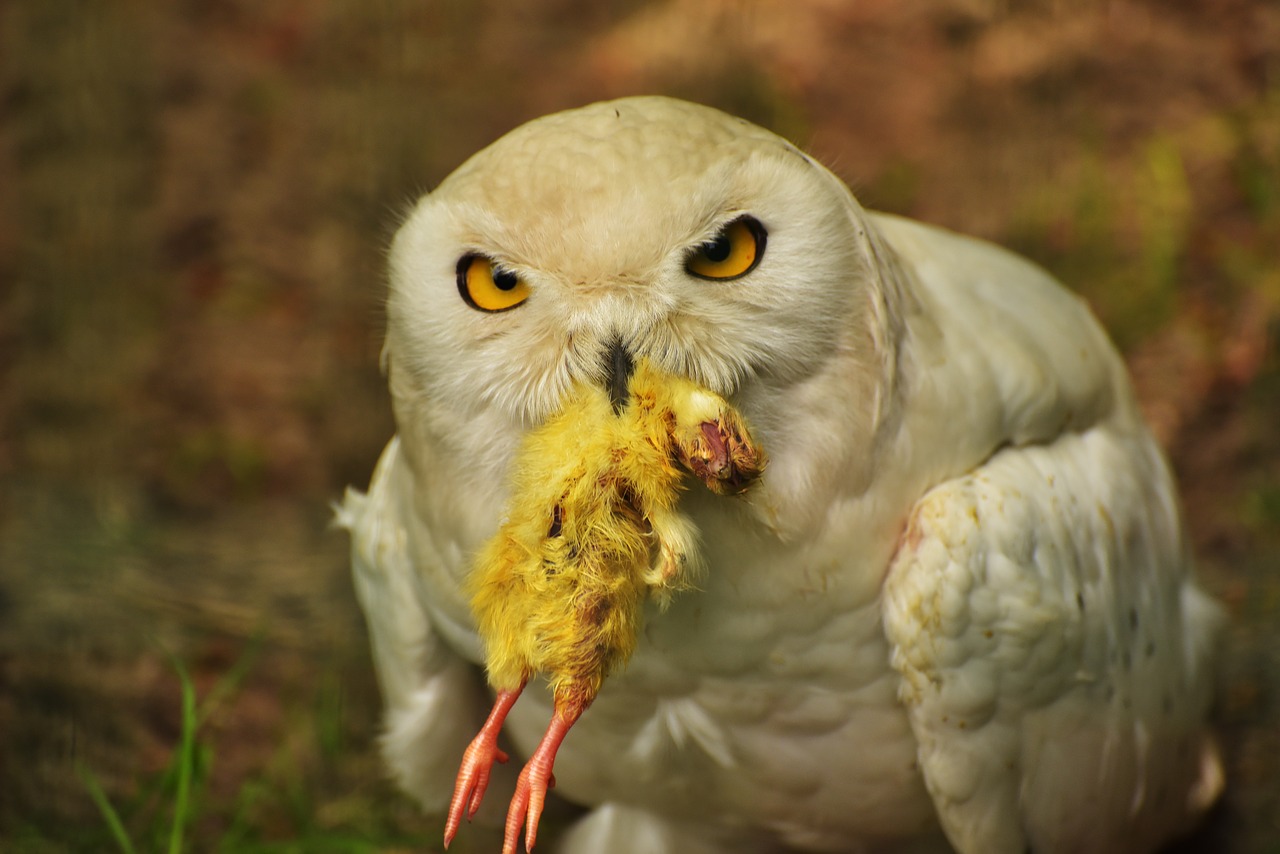
The Arctic tundra is a realm of stark beauty and relentless survival, where apex predators like the snowy owl (Bubo scandiacus) reign as silent sentinels of ecological balance. Beneath their piercing yellow eyes and feathery camouflage lies a hidden archive of the Arctic’s shifting food webs—one that can only be deciphered through the meticulous analysis of their regurgitated pellets. These undervalued biological artifacts, often dismissed as mere remnants of digestion, are in fact treasure troves of data, revealing not just the dietary habits of these magnificent birds but also the cascading impacts of climate change on an ecosystem teetering on the edge of transformation. By dissecting snowy owl pellets, scientists unlock narratives of prey abundance, habitat degradation, and the delicate interplay between predator and prey in one of Earth’s most fragile biomes. This exploration transcends ornithology; it is a feminist critique of human intervention in natural systems, exposing how our actions—from industrial emissions to land-use policies—reshape the lives of creatures that have evolved over millennia to thrive in ice and solitude.
The Economics of Owl Conservation: Costs Benefits and Funding
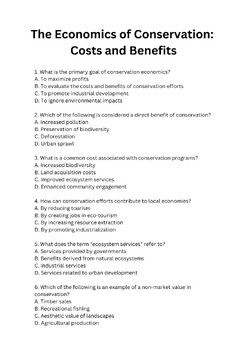
The silent sentinels of the night, owls, are not merely feathered enigmas gliding through moonlit forests. They are the living ledgers of ecological balance, their survival whispering secrets of fiscal prudence and environmental stewardship. To conserve owls is to invest in a currency far richer than gold—clean air, pest control, and the unquantifiable poetry of biodiversity. Yet, like any prudent investment, owl conservation demands a ledger of costs, benefits, and ingenious funding strategies. Let’s embark on a journey through the fiscal and ecological labyrinth of owl preservation, where every ruffled feather tells a tale of fiscal foresight and natural harmony.
Owls and the Microbial World: Their Role in Nutrient Redistribution
In the quiet, moonlit dance of the night, where the world slows to a whisper and the air hums with the secrets of the unseen, owls take flight—not merely as hunters, but as unsung architects of the microbial cosmos. These feathered sentinels, draped in the velvet cloak of dusk, are far more than silent predators; they are ecological couriers, ferrying life’s invisible threads across landscapes in ways that ripple through the very fabric of soil health. Their role in nutrient redistribution is a symphony of biology and behavior, a testament to how even the most enigmatic creatures shape the pulse of the planet. To understand this, we must venture beyond the surface, into the subterranean labyrinth where microbes thrive, and where the regurgitated remnants of an owl’s feast become the lifeblood of the earth.
How Arctic Waste Management Is Affecting Snowy Owl Health
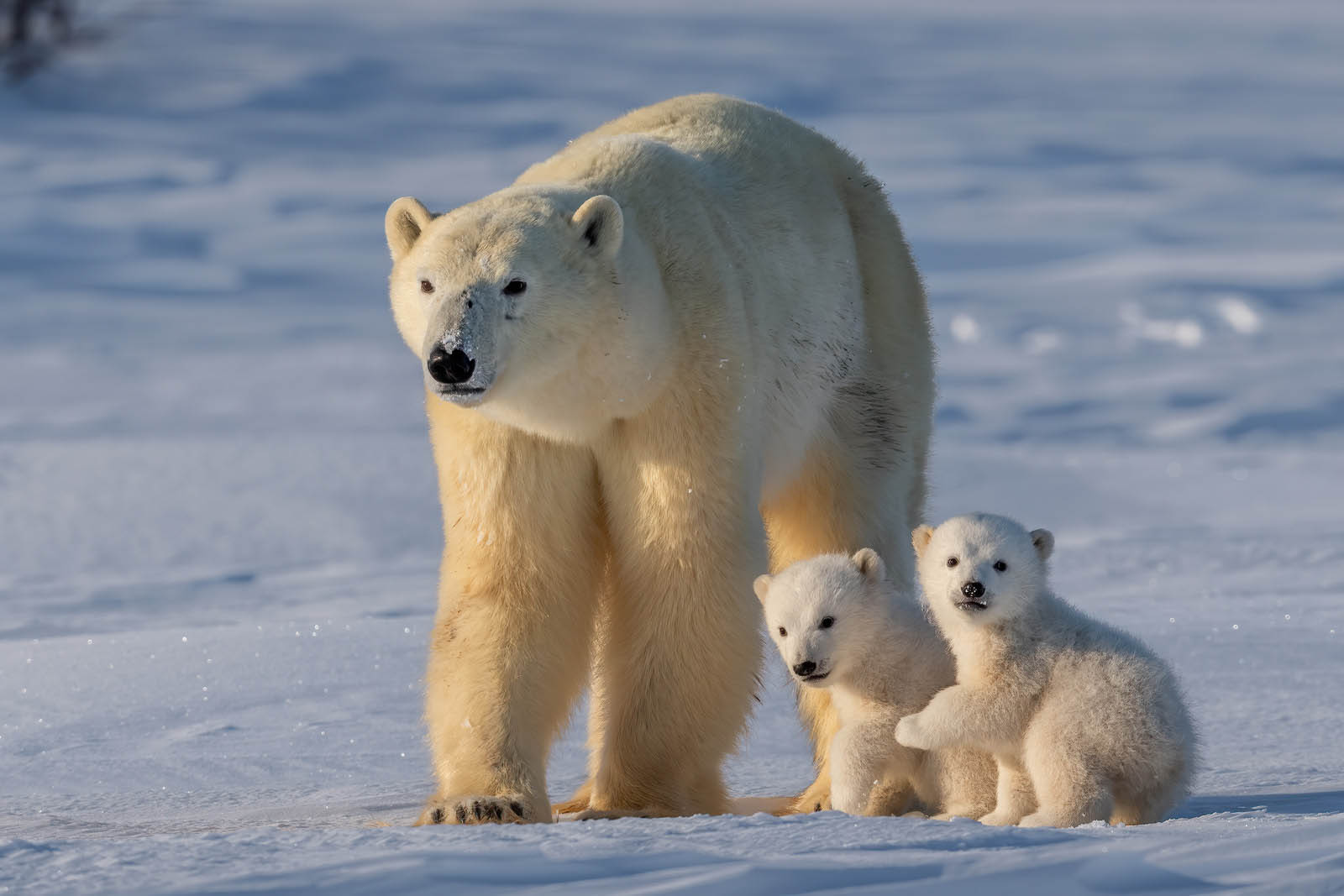
The ethereal beauty of the snowy owl—its silent wings cutting through the Arctic winds, its piercing gaze surveying the frozen expanse—has long captivated the human imagination. Yet beneath this majestic facade lies a silent crisis, one that threatens not just the survival of this iconic bird but the very fabric of the ecosystem it inhabits. Arctic waste management, a seemingly distant concern, is quietly reshaping the health of snowy owls, exposing a web of interconnected consequences that demand urgent attention. The Arctic, often romanticized as a pristine wilderness, is in fact a battleground where human negligence and ecological fragility collide, leaving the snowy owl—and countless other species—caught in the crossfire.
How Augmented Reality Is Enhancing Owl Education

In the hushed glow of a classroom where curiosity once flickered like a dying candle, a quiet revolution is unfolding. No longer are students mere spectators in the theater of learning; they are now active participants, their minds alight with wonder as augmented reality (AR) transforms the way we perceive and absorb knowledge. Nowhere is this transformation more profound than in the realm of owl education—a field where the mysteries of these nocturnal creatures are being unraveled with unprecedented clarity and engagement.
Spotted Owl Parenting: How They Care for Their Young
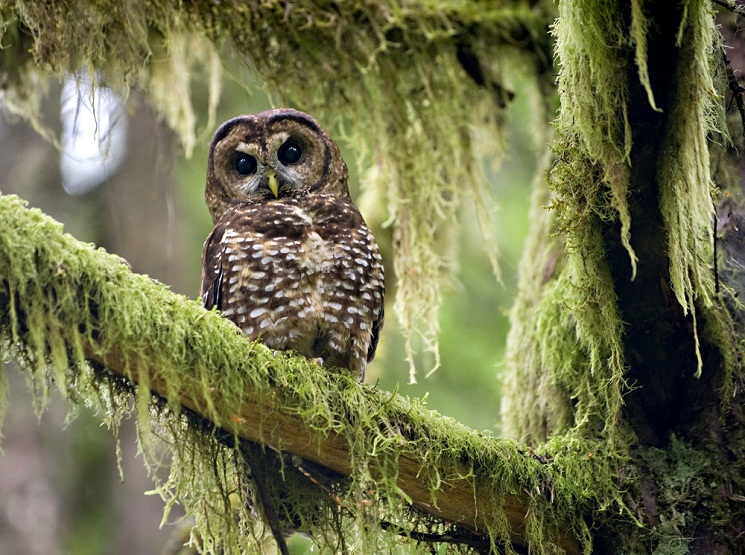
In the twilight-dappled forests of the Pacific Northwest, the Northern Spotted Owl embarks on a timeless journey of parenthood. This elusive raptor, veiled in mottled feathers and shadowed eyes, orchestrates a delicate ballet of care that ensures the survival of its next generation. Spotted Owl parenting is a profound testament to the interplay of instinct, environment, and devotion—a narrative that unfolds in dense canopies and silent nights where the echoes of fledgling calls resonate. The intricate behaviors and nurturing strategies employed by these owls reveal a world steeped in tenderness and resilience, inviting us to delve deeper into their captivating role as guardians of the forest’s future.
The Impact of Social Media on Reporting Barred and Spotted Owl Sightings
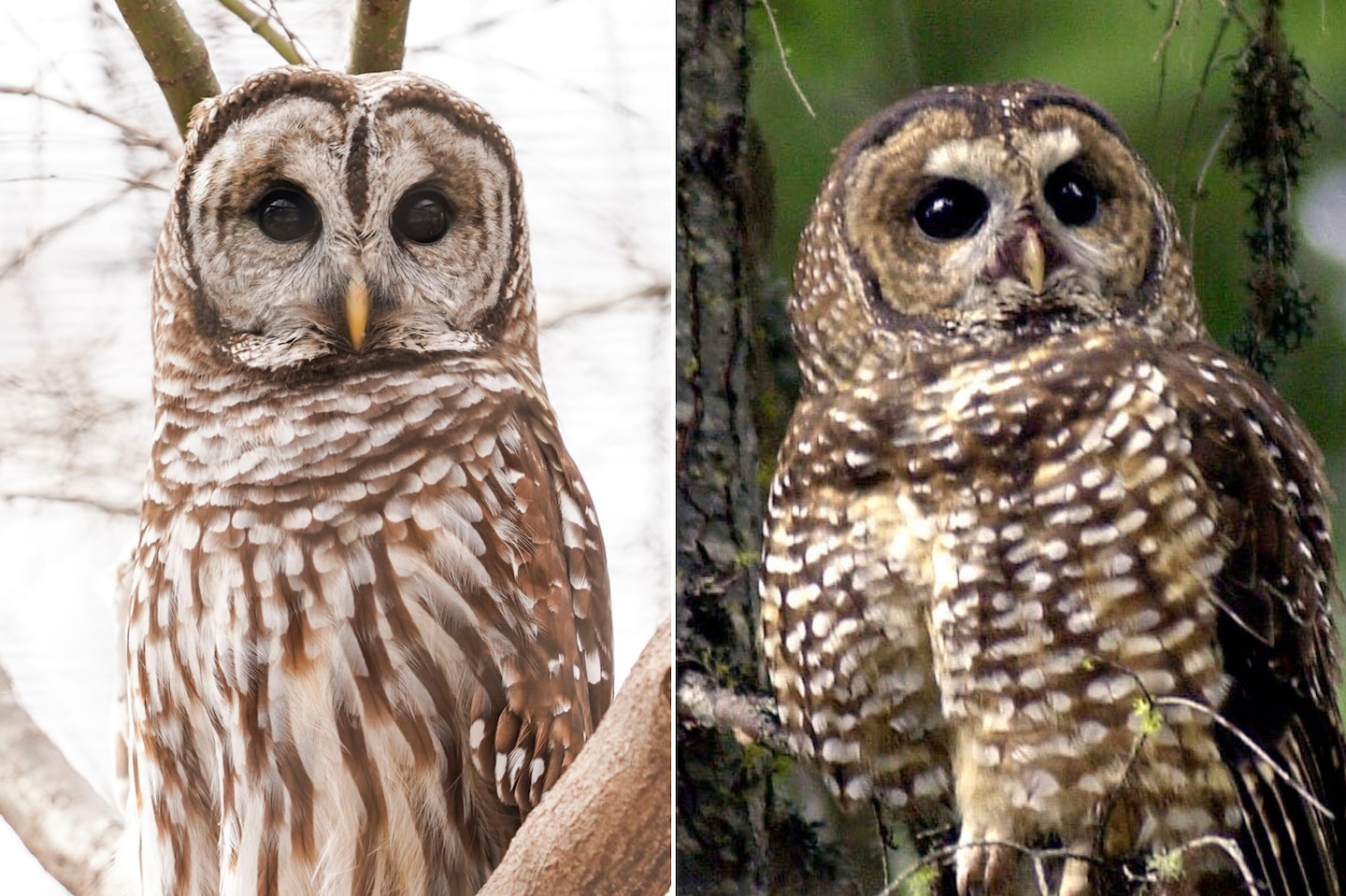
The symphony of barred owls’ hoots, a nocturnal chorus that once echoed through ancient forests, now finds itself drowned out by the cacophony of human voices—voices amplified by the relentless machinery of social media. In an era where every rustle in the undergrowth is captured on a smartphone and every rare sighting becomes a viral spectacle, the reporting of barred and spotted owl encounters has transformed from a quiet act of ecological vigilance into a digital spectacle. This shift, while democratizing access to wildlife observation, has introduced a labyrinth of ethical, ecological, and narrative complexities. How does the viral nature of social media reshape our relationship with these elusive birds? What stories do these platforms amplify, and which do they silence? The answers lie not just in the pixels of a screen but in the very ecosystems these owls inhabit—and the humans who mediate their stories.
The Impact of Arctic Urbanization on Snowy Owl Habitats
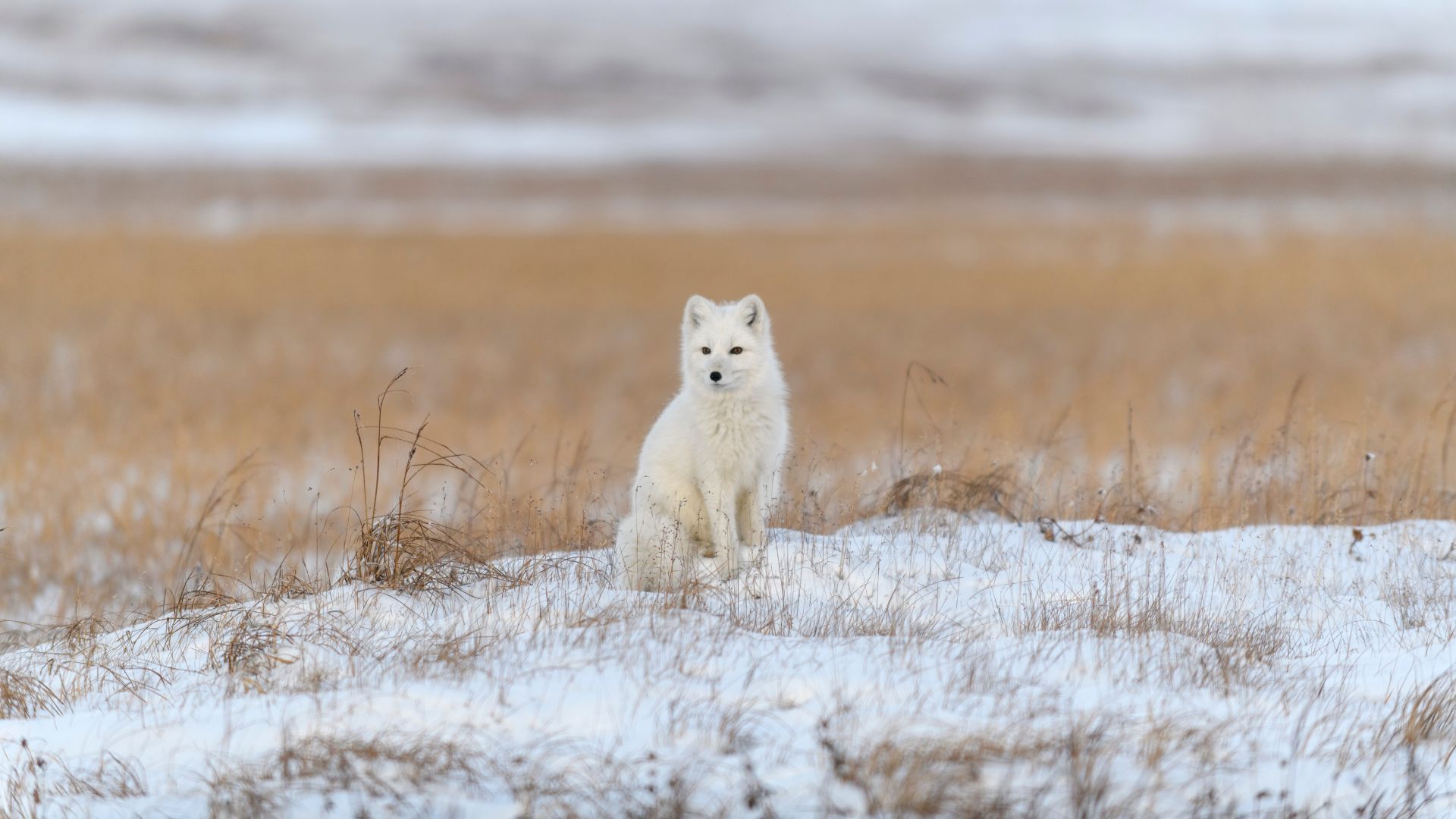
What if the silent sentinels of the Arctic tundra—those ethereal, snow-plumed owls that drift like whispers across the frozen expanse—found their ancient hunting grounds paved over with steel and concrete? The snowy owl, a creature of mythic resilience, now faces an existential quandary: the creeping tide of urbanization clawing at the edges of its domain. As Arctic cities burgeon under the relentless march of progress, the delicate balance of this icy ecosystem trembles on the brink. How does the encroachment of human ambition reshape the life of a bird that has, for millennia, ruled the polar night?