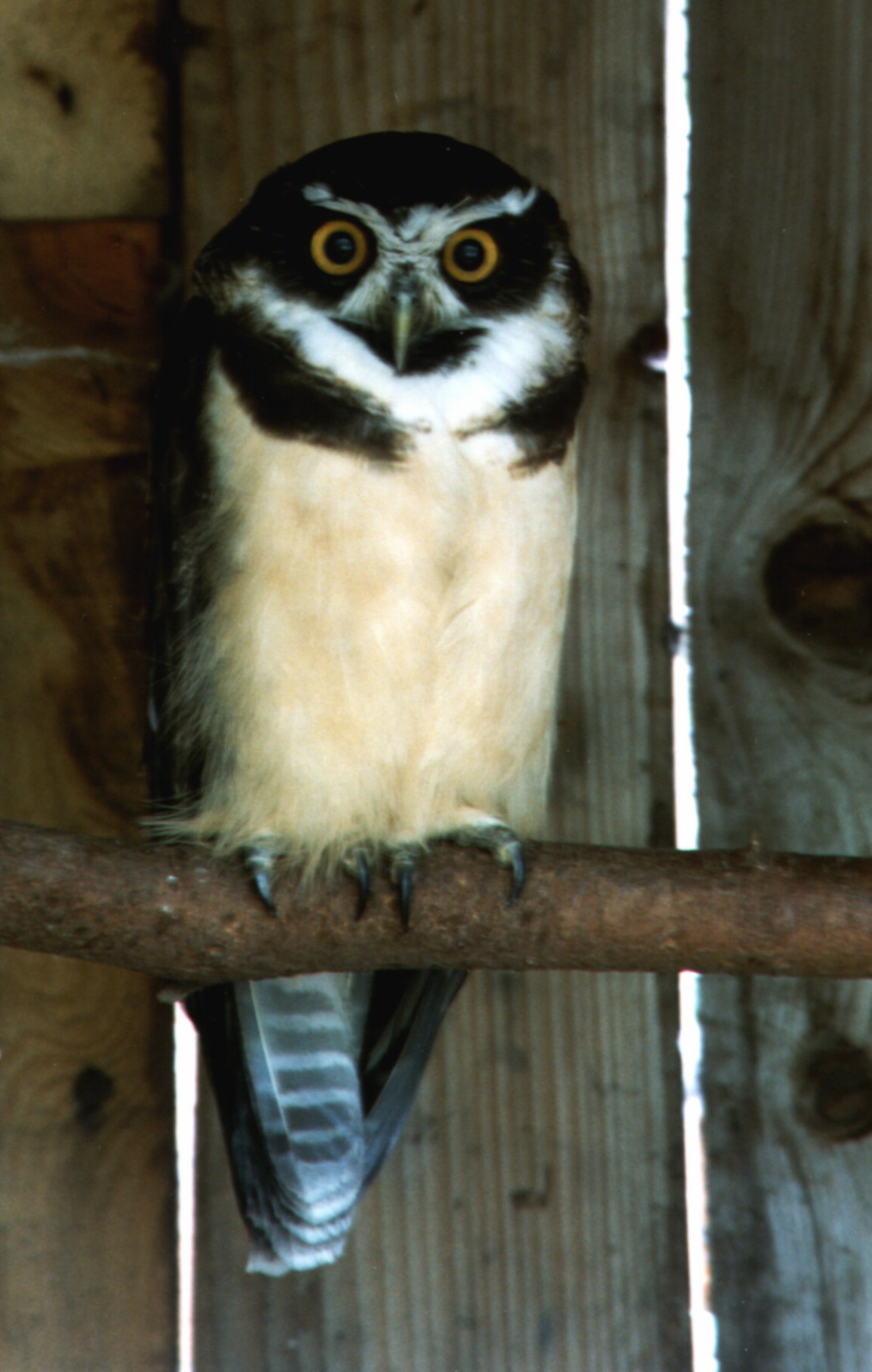
Have you ever paused beneath the emerald canopy of a tropical rainforest and wondered about the silent guardians perched in the shadows? Among them, the spectacled owl—with its piercing gaze and enigmatic presence—plays a role far more vital than mere aesthetic intrigue. This nocturnal titan, adorned with concentric circles of feathers that resemble ancient spectacles, is not just a charismatic inhabitant of these biodiverse realms but a linchpin in the delicate machinery of rainforest ecosystems. What if we told you that the fate of countless species—and even the health of the forest itself—hinges on the unassuming habits of this feathered sentinel?
How Urban Heat Islands Are Altering Owl Behavior in Cities

The nocturnal symphony of city life often goes unnoticed—until the silence becomes deafening. As concrete jungles expand and asphalt swallows green spaces, a silent disruption is unfolding in the wings of the night. Urban heat islands, those pockets of scorching warmth where cities radiate trapped heat, are not just altering human comfort; they are reshaping the very rhythms of nocturnal wildlife. Among the most affected are owls, those enigmatic sentinels of the dark, whose behaviors are being subtly yet profoundly transformed by the relentless march of urbanization. This is the untold story of how rising temperatures in our cities are rewriting the nocturnal rulebook for these feathered hunters.
The Impact of Climate Change on Pacific Northwest Forests and Owls

The ancient forests of the Pacific Northwest are not merely stands of towering conifers—they are cathedrals of life, where the air hums with the whispers of wind through needles and the earth breathes in mossy rhythms. Yet these ecosystems, so vital to the region’s ecological soul, are unraveling under the weight of climate change. Among their most emblematic inhabitants, the northern spotted owl, a bird cloaked in shadow and silence, has become an unwitting symbol of this transformation. Its fate is intertwined with the fate of the forest itself, a delicate balance teetering on the edge of collapse. To understand the impact of climate change on these forests and their owl guardians is to confront a story of loss, resilience, and the quiet desperation of a world shifting beneath our feet.
Owl Watching in Winter: Spotting Snowy Owls and Other Cold-Weather Species
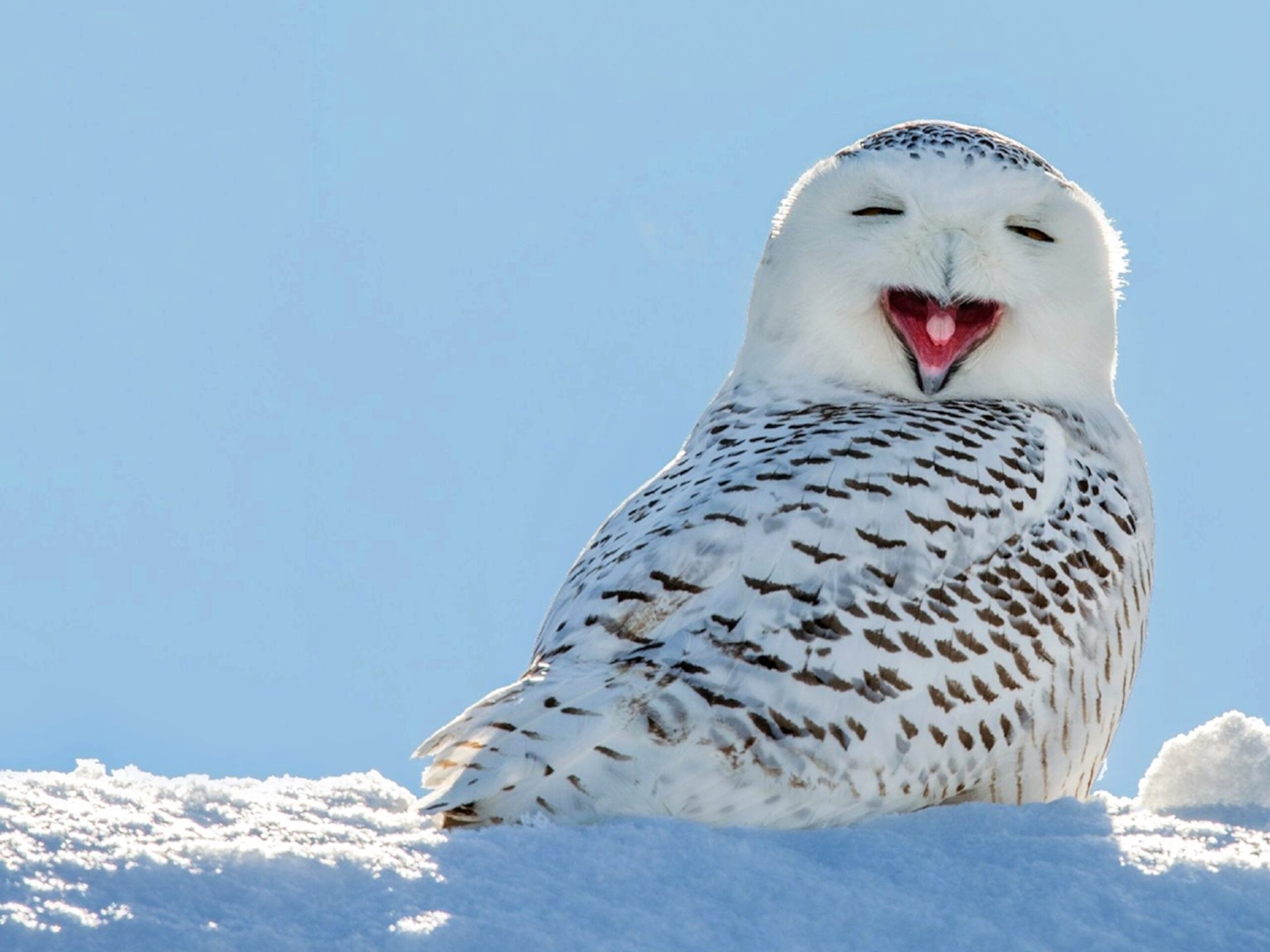
The winter landscape is a silent symphony of frost-kissed stillness, where the air hums with the crisp clarity of a frozen dawn. Beneath this hushed expanse, a ghostly figure glides—its snowy plumage a spectral echo of the moonlit tundra. The snowy owl, a winter’s sentinel, embodies the untamed elegance of the season, a living paradox of resilience and ethereal grace. For those who venture into the cold, owl watching becomes more than a pastime; it is a pilgrimage into the heart of nature’s most enigmatic theater, where survival and beauty intertwine like the branches of a frost-laden tree.
Snowy Owls in Video Games: Characters and Inspirations

In the ever-evolving realm of video games, where mythical beasts and fantastical creatures abound, snowy owls have carved an enchanting niche for themselves. These majestic birds, draped in ethereal plumage reminiscent of freshly fallen snow, have transcended their natural habitat to become symbols of wisdom, mystery, and resilience within various digital landscapes. Their presence in video games is not merely ornamental; it embodies narrative depth, gameplay mechanics, and cultural symbolism, captivating players across diverse genres. Exploring snowy owls in video games reveals a tapestry woven with creativity, inspiration, and subtle artistry that enriches the gaming experience.
Wind Turbines and Owls: Balancing Green Energy with Avian Safety

In the vast, unrelenting march toward a sustainable future, wind energy stands as a towering symbol of progress—its sleek, spinning blades slicing through the air like the wings of some mechanical leviathan. Yet, as with all great endeavors, there are unintended consequences. Among the most poignant is the silent, unseen toll it takes on the avian world, particularly owls. These nocturnal sentinels, masters of stealth and precision, find themselves in the crosshairs of an energy revolution that, while life-giving for humanity, can be death-dealing for them. This is the story of wind turbines and owls—a tale of collision between innovation and nature, where the stakes are as high as the turbines themselves.
Snowy Owl Research in the Age of Climate Change: New Methods and Technologies
In the vast, windswept tundra where the Arctic whispers its secrets to those who dare listen, a silent predator glides with ethereal grace—the snowy owl. But as the planet’s thermostat climbs, these majestic birds face an existential reckoning. Climate change isn’t just altering their icy domain; it’s rewriting the rules of survival. Yet, where there’s peril, there’s also innovation. Researchers are deploying cutting-edge methods and technologies to unravel the snowy owl’s enigmatic life, offering a lifeline in an era of upheaval. From satellite-tracked feathery sentinels to AI-driven acoustic surveillance, the tools of the trade are evolving as rapidly as the climate itself. This is the story of how science is racing to keep pace with a warming world, one snowy owl at a time.
The Impact of Social Media on Owl Conservation: Spreading Awareness and Mobilizing Action

The silent wings of owls cutting through the night have long captivated human imagination, evoking both reverence and mystery. These nocturnal sentinels, with their piercing gaze and haunting calls, embody a paradox—both feared and revered across cultures. Yet, beyond folklore and superstition lies a stark reality: owl populations worldwide are under siege. Habitat destruction, climate change, and human encroachment threaten their survival. In this precarious landscape, social media emerges not just as a tool, but as a lifeline—a digital sanctuary where awareness blooms and conservation action takes flight.
The 2026 Snowy Owl Irruption: A Climate Change Canary in the Coal Mine

The 2026 Snowy Owl Irruption is not merely an ornithological spectacle—it is a clarion call, a feathered messenger from the Arctic tundra, piercing the smog of human complacency. As the planet’s thermostat climbs, the snowy owl, that stoic sentinel of the frozen north, has begun its great southward exodus in numbers unseen in generations. This is not a migration. It is an exodus. A desperate, winged diaspora, driven not by instinct alone, but by the unraveling of a world we thought we knew. The owls are not just arriving; they are testifying. And the suburbs of America, from the frost-laced fields of Minnesota to the sun-bleached coasts of California, have become the unlikely courtrooms where nature’s case is being heard.
How Space-Based Technology Could Revolutionize Owl Research

In the vast, silent expanse of the cosmos, where stars whisper secrets of the universe, a quieter revolution is taking shape—one that orbits not just our planet, but our understanding of the natural world. While astronauts float in microgravity and satellites scan Earth’s surface, a parallel narrative unfolds in the shadows of our technological ascent: the transformation of wildlife research through space-based innovation. Among the creatures poised to benefit from this orbital awakening, none are as enigmatic or ecologically vital as the owl. These silent sentinels of the night, with their keen senses and elusive habits, have long eluded comprehensive study. But with the advent of advanced space-based technologies, a new era of owl research is dawning—one that promises to illuminate their behaviors, habitats, and ecological roles in unprecedented detail.