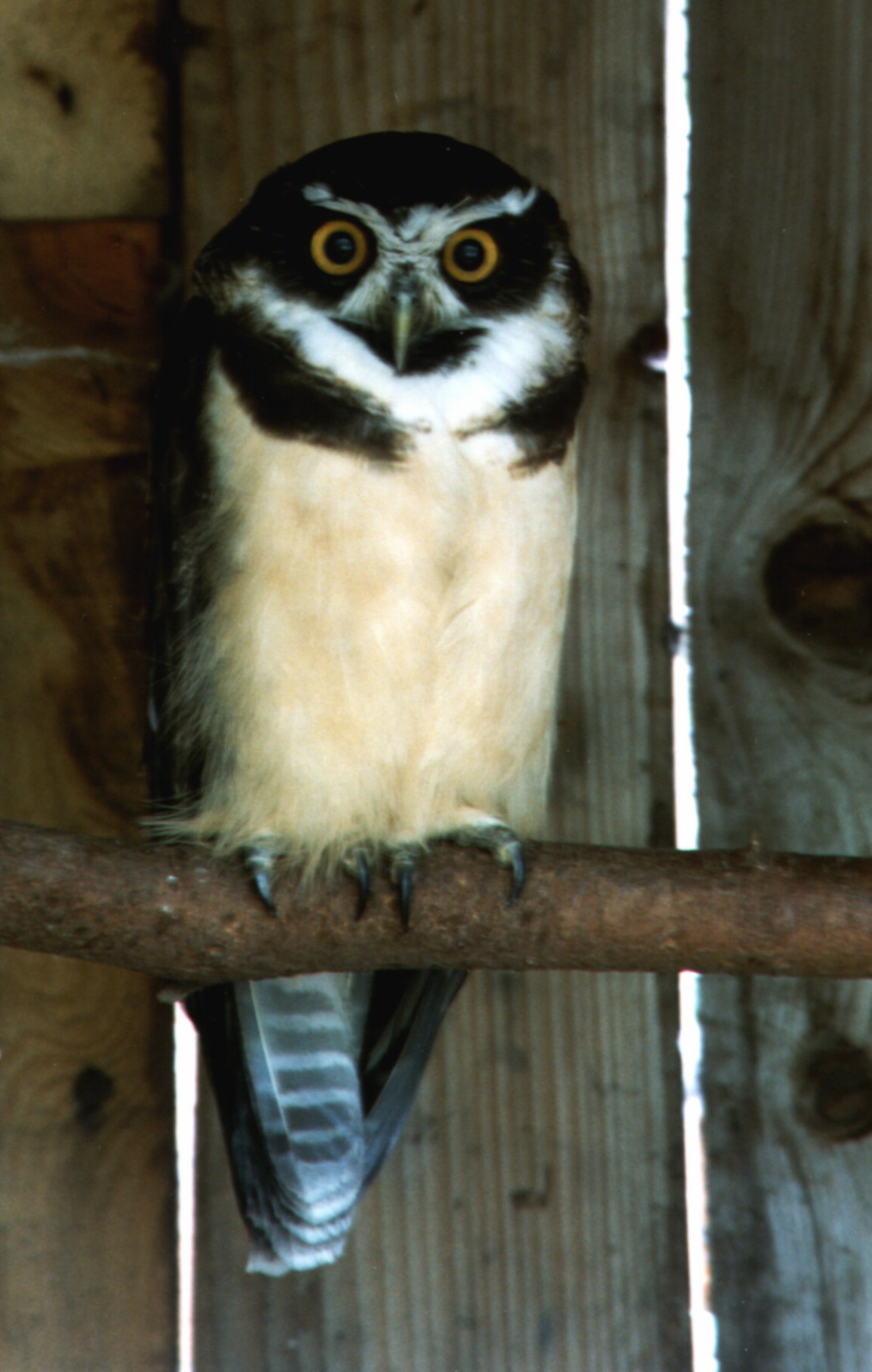
Have you ever paused beneath the emerald canopy of a tropical rainforest and wondered about the silent guardians perched in the shadows? Among them, the spectacled owl—with its piercing gaze and enigmatic presence—plays a role far more vital than mere aesthetic intrigue. This nocturnal titan, adorned with concentric circles of feathers that resemble ancient spectacles, is not just a charismatic inhabitant of these biodiverse realms but a linchpin in the delicate machinery of rainforest ecosystems. What if we told you that the fate of countless species—and even the health of the forest itself—hinges on the unassuming habits of this feathered sentinel?
The Spectacled Owl: A Nocturnal Architect of Biodiversity
The spectacled owl (*Pulsatrix perspicillata*) is a master of stealth, its mottled plumage blending seamlessly with the dappled light of the rainforest understory. Unlike its diurnal counterparts, this owl thrives in the cloak of darkness, where it hunts with surgical precision. Its diet—primarily small mammals, insects, and even other birds—positions it as a regulator of prey populations, preventing any single species from overrunning the forest floor. But its influence extends beyond mere predation. By preying on rodents and insects, the spectacled owl curtails the spread of pests that could otherwise devastate crops or spread disease. In this way, it acts as an unsung guardian of ecological balance, a role often overshadowed by more charismatic megafauna.
Yet, this owl’s impact is not confined to the ground. Its nesting habits, often in tree cavities or abandoned nests of other large birds, inadvertently create microhabitats for smaller creatures. Once the owls vacate, these hollows become sanctuaries for bats, insects, and even other bird species, fostering a ripple effect of biodiversity. Imagine a single tree, standing sentinel for decades, its hollows a revolving door of life—all thanks to the spectacled owl’s fleeting tenancy.
Seed Dispersal and the Silent Symphony of Regeneration
While the spectacled owl is primarily a predator, its role in seed dispersal is a lesser-known but equally critical function. Many of its prey—such as rodents—consume fruits and seeds, which pass through their digestive systems unharmed. When the owl consumes these rodents, the seeds are deposited elsewhere in the forest, often miles from their origin. This process, known as *endozoochory*, is a silent symphony of regeneration, ensuring that plant species—from towering canopy giants to understory shrubs—find new footholds in the ever-shifting mosaic of the rainforest.
Consider the ceiba tree, its buttressed roots anchoring it to the earth like a colossus. Without the spectacled owl’s role in dispersing its seeds, entire patches of forest could remain barren, their genetic diversity stifled. In this way, the owl is not just a predator but a co-conspirator in the forest’s perpetual rebirth. Yet, this delicate dance is threatened by deforestation and habitat fragmentation, which sever the invisible threads connecting predator, prey, and plant.
The Owl’s Predatory Prowess: A Delicate Balance
The spectacled owl’s hunting strategy is a masterclass in efficiency. Its asymmetrical ear openings, a rare trait among owls, allow it to pinpoint prey with eerie accuracy, even in complete darkness. This adaptation makes it a formidable force against pests like rats and mice, which, if left unchecked, could decimate seed banks and young saplings. But here lies a paradox: what happens when the owl’s prey becomes scarce? In fragmented forests, where human encroachment has disrupted natural prey populations, the spectacled owl may turn to alternative food sources, such as smaller birds or even domestic poultry. This shift can trigger cascading effects, from the decline of songbird populations to conflicts with local communities.
Worse still, the owl’s reliance on large, old trees for nesting makes it vulnerable to logging. A single felled tree can erase decades of ecological history, leaving the owl—and the myriad species that depend on its hollows—homeless. The challenge, then, is not just to protect the spectacled owl but to safeguard the intricate web of relationships that sustain it. How do we reconcile the needs of human development with the survival of a species that thrives only in the untamed heart of the rainforest?
Cultural and Ecological Symbolism: The Owl as a Living Metaphor
Beyond its ecological roles, the spectacled owl holds deep cultural significance in many indigenous communities. In some traditions, it is seen as a messenger between the human world and the spirit realm, its haunting calls echoing through the night as omens or warnings. This symbolic weight adds another layer to its importance—it is not merely a biological entity but a cultural keystone, its presence woven into the fabric of local lore and identity.
Yet, this symbolism is a double-edged sword. As forests shrink and owls retreat into ever-shrinking pockets of wilderness, their cultural resonance fades. The loss of the spectacled owl is not just an ecological tragedy but a spiritual one, erasing a thread from the tapestry of human connection to nature. How do we preserve not just the owl’s habitat but the stories and traditions that have flourished alongside it for centuries?
The Looming Challenge: Climate Change and the Owl’s Uncertain Future
The spectacled owl’s future is inextricably linked to the health of the rainforest—and the planet. Climate change, with its shifting temperature regimes and erratic weather patterns, threatens to unravel the delicate balance the owl depends on. Droughts may deplete prey populations, while rising temperatures could push the owl into higher elevations, where it may struggle to adapt. Even its iconic “spectacles” could become a liability if the forest’s understory dries out, leaving the owl exposed to predators or human hunters who mistake it for a threat.
The challenge, then, is twofold: to mitigate the global forces of climate change while simultaneously protecting the local habitats that sustain the spectacled owl. This requires not just conservation efforts but a fundamental rethinking of how we interact with the natural world. Can we, as a species, learn to coexist with the spectacled owl—not as a curiosity to be admired from afar, but as a vital partner in the dance of life?
A Call to Action: Safeguarding the Spectacled Owl’s Legacy
The spectacled owl is more than a feathered phantom of the rainforest; it is a living testament to the interconnectedness of all life. Its survival depends on the health of the forest, and the forest’s health depends on the owl’s role as predator, seed disperser, and cultural symbol. To protect it, we must adopt a holistic approach—one that values the rainforest not just as a resource to be exploited but as a complex, living system that sustains us all.
This means supporting sustainable land-use practices, advocating for protected areas, and amplifying the voices of indigenous communities who have long been its stewards. It means recognizing that the owl’s fate is our own—a reflection of our choices, our values, and our willingness to share the planet with its wild inhabitants.
So the next time you find yourself beneath the rainforest canopy, listen closely. The spectacled owl may be watching, its golden eyes gleaming in the darkness. And it may just be asking you the same question it has posed to generations of humans before you: Will you be part of the solution, or part of the problem?