
The night descends like a velvet shroud, and with it comes a silence broken only by the whisper of wings slicing through the darkness. Owls, those enigmatic guardians of the twilight realm, have long been revered across cultures—symbols of wisdom, harbingers of omens, and silent sentinels of the forest. Yet, beneath this cloak of mystique, a sinister trade thrives, one that preys on their vulnerability: the illegal trafficking of owl parts. This clandestine commerce, fueled by superstition, greed, and cultural misconceptions, is not merely an ecological tragedy but a moral stain on humanity’s conscience. From the talons that once gripped prey with lethal precision to the feathers that once whispered through the night, every fragment of an owl’s being is commodified, often under the guise of tradition or pseudo-medicine. To understand the depth of this crisis is to peel back the layers of a shadow economy that thrives in the margins of legality, where the law is as elusive as the owls themselves.
The Art of Patience: How to Wait for the Perfect Snowy Owl Shot

In the realm of wildlife photography, few subjects evoke as much awe and intrigue as the snowy owl. These enigmatic creatures, cloaked in ethereal white plumage, captivate not only because of their rare and mystifying presence but also because of the profound stillness and patience required to capture their image perfectly. The art of waiting for that flawless snowy owl shot is a dance with nature—a delicate balance of anticipation, mindfulness, and respect that speaks to a deeper human fascination with the wild and untamed.
Snowy Owl Watching 101: Tips for Beginners
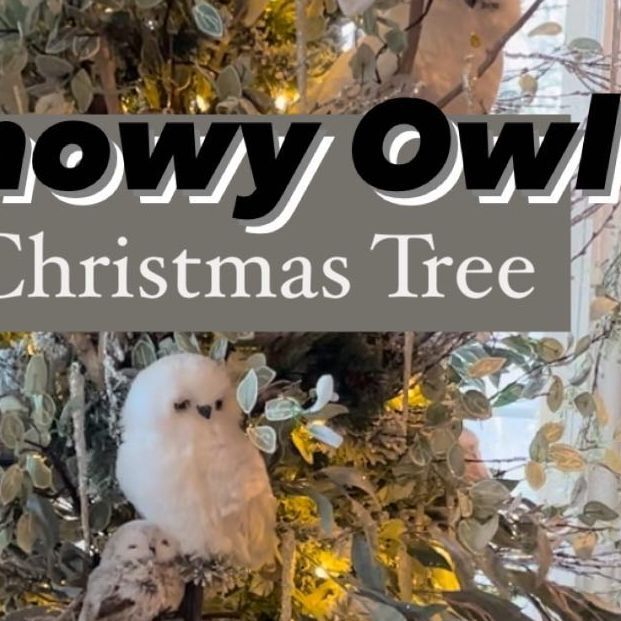
Have you ever imagined standing silently in a snow-glazed forest, eyes scanning the frosty branches for a sudden flash of pure white? Snowy owl watching is an enchanting pursuit, but is it really as simple as grabbing your binoculars and stepping outside? Beneath their striking white feathers lies a mystery that challenges even seasoned birdwatchers. This guide will shepherd you through the intricate dance of observing these majestic creatures, transforming your snowy owl encounters from fleeting glimpses into profound experiences.
How the Northern Spotted Owl Was Saved from Extinction (For Now)

The Northern Spotted Owl, a creature of dusky plumage and haunting calls, once soared through the ancient forests of the Pacific Northwest like a ghost of the old-growth wilderness. Its existence was woven into the very fabric of these towering woodlands, where time moved in centuries rather than years. But by the late 20th century, this enigmatic bird found itself teetering on the precipice of oblivion, its fate hanging by a thread thinner than the moss-draped branches it called home. Today, it stands as a testament to both the fragility of nature and the power of human intervention—a species saved from the brink, at least for now.
The Role of National Parks in Protecting Spotted Owls in the Pacific Northwest
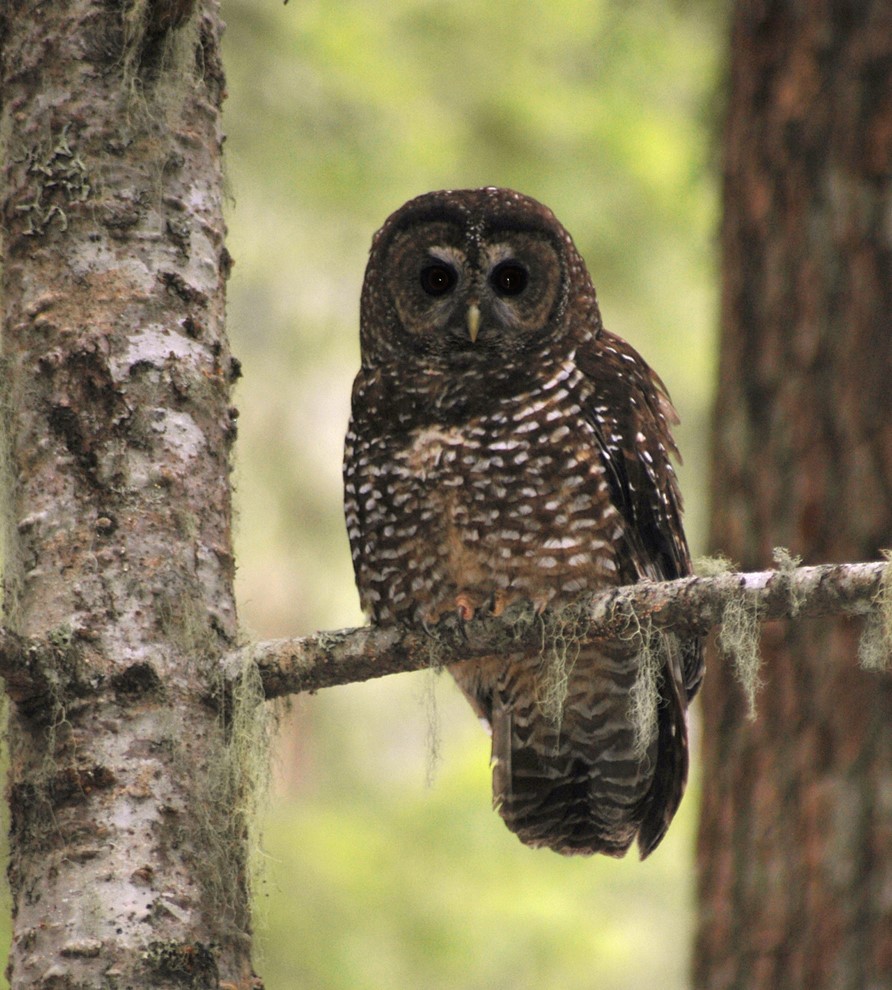
What if the key to preserving one of the Pacific Northwest’s most enigmatic creatures lay not in the dense canopies of ancient forests, but in the very institutions designed to safeguard them? The Northern Spotted Owl, a bird of quiet mystery and ecological significance, has become a symbol of the struggles between conservation, industry, and the relentless march of climate change. National parks, those bastions of biodiversity, stand at the forefront of this battle, their role as guardians of the wild now more critical than ever. But can they truly be the shield these owls need in a world where even the air they breathe is under siege?
The Snowy Owl in Film: Iconic Appearances on Screen

The snowy owl, with its striking white plumage and piercing yellow eyes, has captivated human imagination for centuries. Its ethereal beauty combined with its silent flight evokes a sense of mystery and nobility that filmmakers have often sought to capture. This entrancing bird frequently appears on screen not merely as an animal but as an emblematic figure, lending narrative depth and symbolic resonance to films. The fascination with the snowy owl transcends its visual allure; it taps into deeper archetypes and primal curiosities about nature, wisdom, and the mystical unknown.
How Citizen Science Projects Are Tracking Owl Populations

Have you ever wondered how scientists keep tabs on creatures that vanish into the twilight like whispers on the wind? Owls, those enigmatic night stalkers, are masters of stealth, their presence often felt but rarely seen. Yet, their populations whisper tales of environmental health, their silent wings carrying secrets of ecosystems in flux. How do we, mere mortals, dare to track such elusive beings? The answer lies in the ingenious fusion of public passion and scientific rigor: citizen science projects. These grassroots initiatives are not just collecting data—they’re weaving a tapestry of knowledge, thread by thread, with the help of everyday enthusiasts. Let’s embark on a journey to uncover how these projects are turning armchair naturalists into owl detectives, and why their work is more vital than ever.
Owl Protection in Australia: Unique Species and Threats
In the velvet cloak of Australia’s twilight, where the sun dips below the horizon and the land exhales a hush, a silent sentinel takes flight. The owl, with its golden gaze and feathered cloak, is not merely a bird—it is a living paradox: a creature of paradoxical grace, both ancient and elusive, a whisper in the dark that carries the weight of ecosystems upon its silent wings. These birds of prey, draped in the hues of dusk and dawn, are guardians of balance, their presence a thread woven into the tapestry of Australia’s biodiversity. Yet, like so many guardians, they face a creeping shadow—one cast not by the moon, but by human hands. To understand the owl is to peer into the heart of Australia’s wild soul, and to confront the fragility of its wings.
The Impact of Owls on Provisioning Ecosystem Services: Their Role in Food Chains
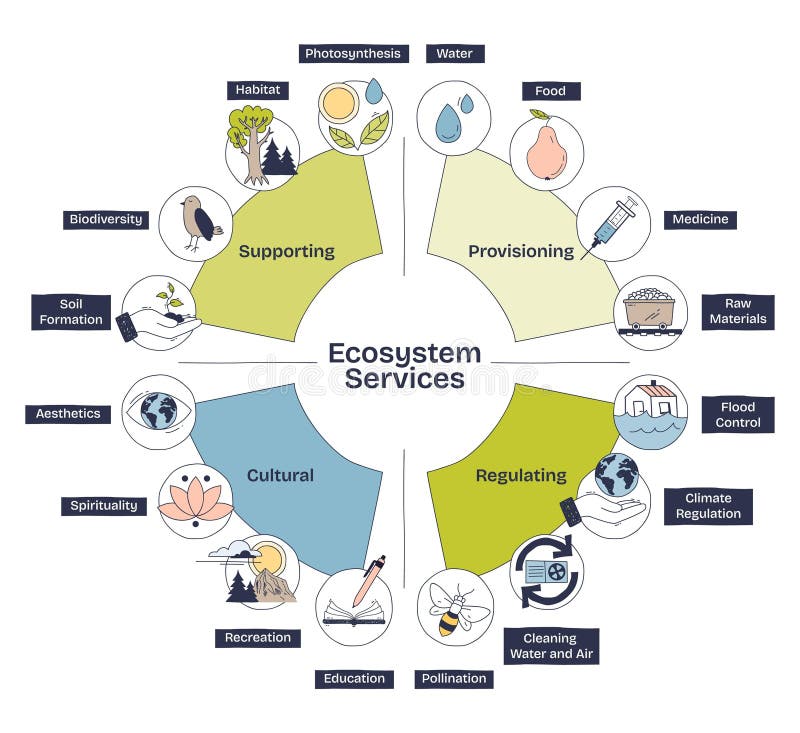
The silent sentinels of the night, owls, are far more than just enigmatic creatures that haunt our folklore and superstitions. These nocturnal predators are linchpins in the delicate machinery of ecosystems, wielding an invisible yet profound influence over the provisioning services that sustain life. From the farmer’s field to the untamed wilderness, owls orchestrate a symphony of balance, ensuring that the threads of food chains remain taut and unbroken. Their role is not merely one of predation—it is a testament to the intricate interdependencies that define the natural world. To understand the magnitude of their impact, we must delve into the labyrinth of food chains, where every hunt, every meal, reverberates through the fabric of provisioning ecosystem services.
The Impact of the Migratory Bird Treaty Act on Owl Conservation Policies
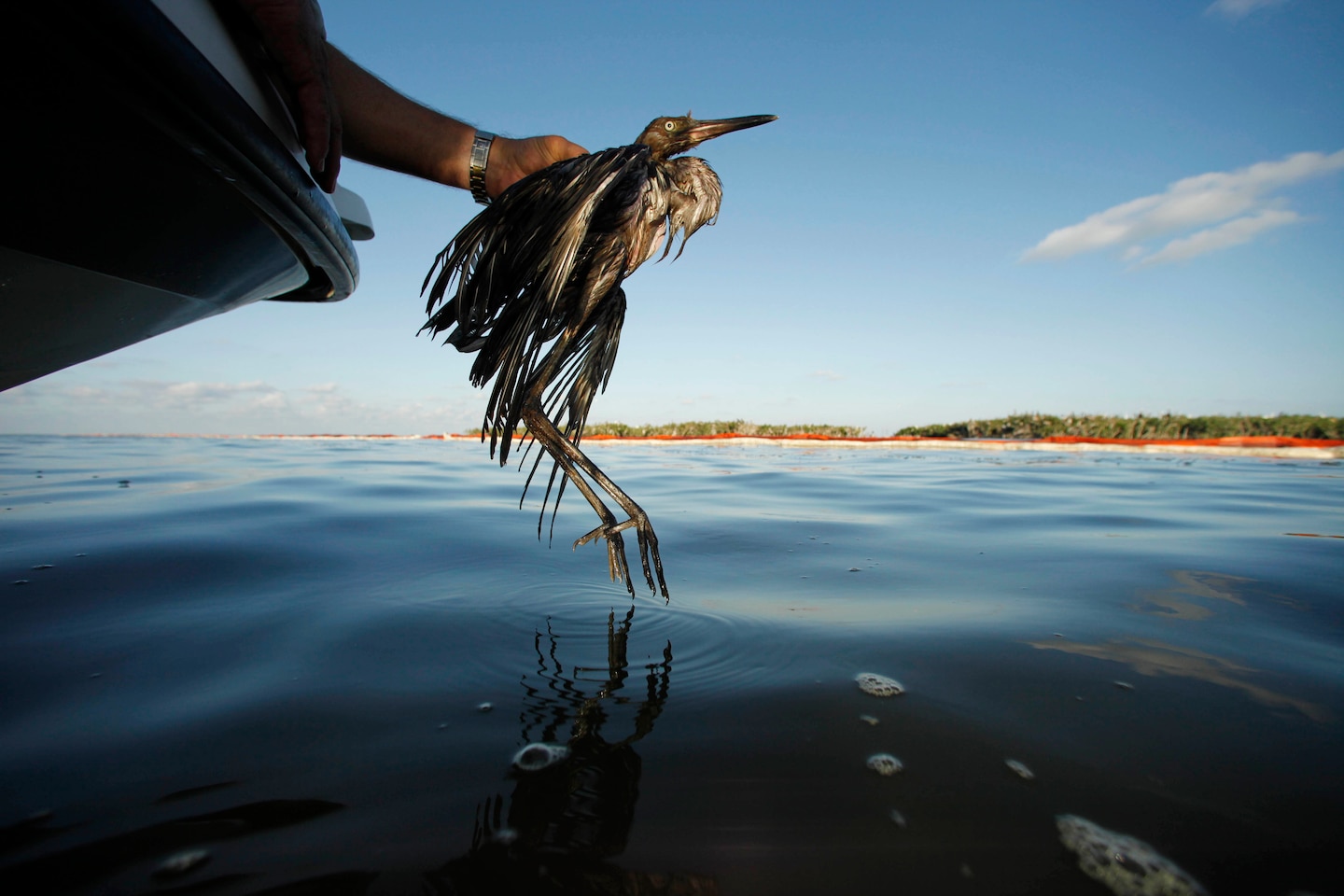
The night descends like a velvet shroud over the ancient forests, where the silent sentinels of the sky—owls—perch upon gnarled branches, their golden eyes piercing the darkness with unblinking vigilance. These creatures, draped in feathers of dusk and dawn, are not merely predators; they are the living embodiment of ecological balance, the unseen architects of a world where prey and predator dance in an eternal waltz. Yet, beneath the canopy of their nocturnal dominion, a storm brews—one that threatens to unravel the very fabric of their existence. The Migratory Bird Treaty Act (MBTA), a cornerstone of avian conservation, stands at a precipice, its legacy now tangled in the claws of political expediency and corporate greed. To understand the impact of this act on owl conservation policies is to peer into a mirror that reflects not just the fate of these enigmatic birds, but the soul of humanity’s relationship with the natural world.