There is a certain magic that befalls those who glimpse a snowy owl in its natural habitat. Its ethereal white plumage, like fresh fallen snow against a stark landscape, evokes a sense of wonder that transcends mere observation. Why are humans so captivated by this enigmatic bird, whose silent flight and piercing yellow eyes command both respect and curiosity? Beneath the allure lies a profound narrative of survival, adaptation, and the urgent need for conservation, particularly within the sanctuaries of our national parks.
Snowy Owl
How to Edit Snowy Owl Photos: Enhancing Details in Post-Processing
The snowy owl has long captivated observers with its ethereal plumage and piercing gaze, evoking feelings that transcend mere admiration. There is something almost mystic about these agile birds cloaked in winter’s palette of whites and subtle grays—a silent sentinel of the frozen north. Photographs of snowy owls carry with them this intrigue, yet capturing their essence requires more than just a well-timed shutter click. Post-processing plays an indispensable role in revealing the delicate intricacies of their feathers, the intensity of their eyes, and the atmosphere that cradles them. This guide delves into the art and science of editing snowy owl photos, unlocking the secrets to enhance every exquisite detail and infuse your images with the soul these birds embody.
Snowy Owl Watching with Kids: Fun and Educational Activities

Venturing into the frosted realms where snowy owls silently glide awakens a sense of wonder and curiosity that few encounters in nature can rival. Snowy owl watching with kids is more than a simple outdoor activity; it promises a transformation in how we perceive the wilderness and our connection to the creatures that inhabit it. This enchanting pursuit offers layers of discovery, education, and joy—intertwining moments of awe with profound learning opportunities. Engaging children in this magnificent avian spectacle invites them to see the world through a different lens, cultivating respect and fascination for wildlife in ways that textbooks alone cannot achieve.
The Impact of Climate Models on Snowy Owl Conservation Strategies
Across the frozen tundras and snow-laden landscapes, the ethereal presence of the snowy owl has captured the imagination of countless observers. At first glance, these majestic white raptors seem perfectly adapted to the stark environments they inhabit, their ghostly plumage blending seamlessly into the icy expanse. Yet, beneath this apparent harmony lies a more complex and pressing narrative driven by the inexorable forces of climate change. The fascination with snowy owls extends beyond their enigmatic beauty; it unfolds into a profound inquiry about survival, adaptability, and the subtle interplays between species and shifting ecosystems. Central to unraveling this enigma are climate models, sophisticated tools that illuminate potential futures for these avian sentinels. Their impact on conservation strategies has become pivotal, offering a lens to decode emerging patterns and orchestrate interventions calibrated for a rapidly transforming world.
The Dark Side of Irruptions: Starvation Collisions and Other Threats

Have you ever paused to ponder what lurks beneath the seemingly chaotic phenomena of irruptions? These sudden and sometimes violent upsurges in populations — be they of animals, plants, or even human circumstances — carry with them not only the excitement of rapid change but also the harrowing shadows of starvation, collisions, and a myriad of threats that ripple far beyond the initial surge. What if these eruptive events are not simply nature’s random flares but intricate symphonies with discordant notes that challenge the very survival of species and ecosystems alike?
The Use of Bioacoustics in Tracking Snowy Owl Calls
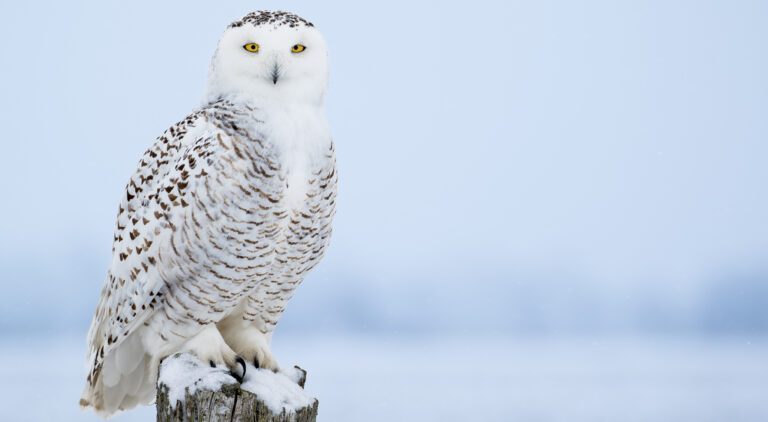
Have you ever wondered how the haunting calls of the elusive Snowy Owl traverse the frozen tundras, carrying stories of survival, territory, and courtship? What if we could intercept those calls with the precision of a seasoned detective, unveiling secrets that might otherwise remain shrouded in the silent Arctic nights? Tracking the ethereal vocalizations of these majestic birds poses a playful yet formidable challenge—one that bioacoustics has taken up with scientific fervor and technological ingenuity.
The Snowy Owl Irruption of 1926 vs. 2026: A Century of Change
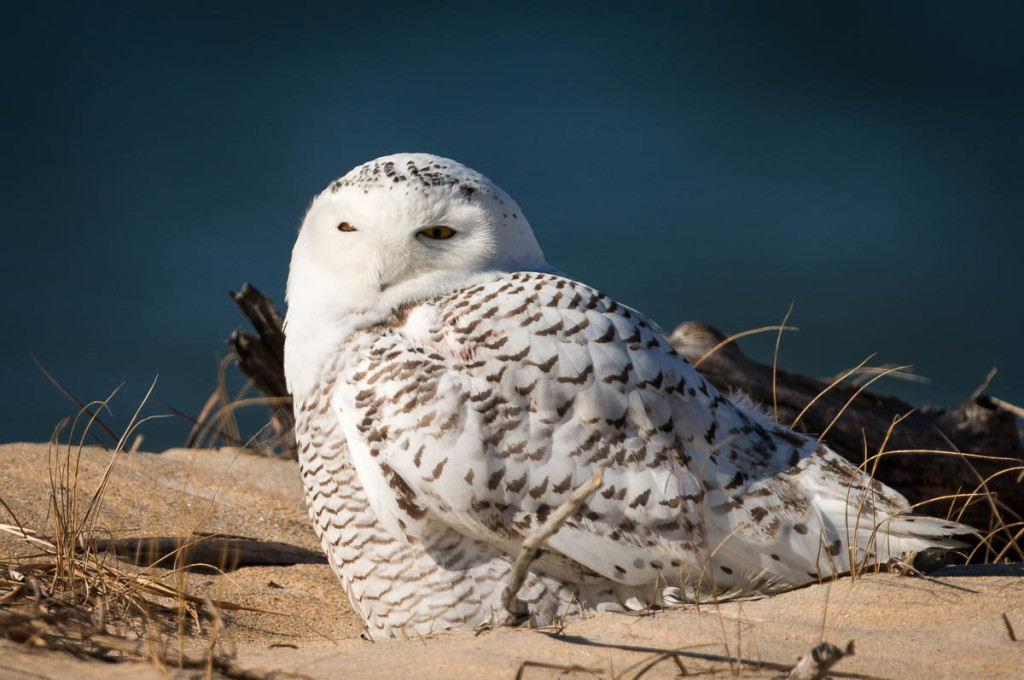
Can the enigmatic snowy owl really narrate a century’s tale of transformation, or does it simply challenge us to rethink how we perceive nature’s grand theater? As the frosty wings of this spectral bird brush against the canvases of 1926 and 2026, they provoke a curious inquiry: how have the ebbs and flows of a century shaped the majestic snowy owl’s irruption patterns, and what might this portend for the future? This isn’t merely about avian migration; it’s a vivid chronicle of environmental metamorphosis, ecological uncertainty, and the subtle interplay between human influence and the rhythms of the wild.
How AI Is Helping Predict Snowy Owl Migration Patterns
Few natural spectacles captivate the imagination quite like the mysterious journeys of the snowy owl. These ethereal birds, cloaked in pristine white feathers reminiscent of freshly fallen snow, have long fascinated both casual observers and seasoned ornithologists alike. The annual ebb and flow of snowy owl migration has been a subject of intrigue, raising questions about the forces guiding these majestic birds across vast, often treacherous landscapes. While traditional observation methods have offered glimpses of their patterns, the advent of artificial intelligence is now propelling our understanding into extraordinary new realms, unveiling intricate behaviors and environmental interactions previously obscured in mystery.
The Impact of Hunting and Poaching on Snowy Owl Numbers
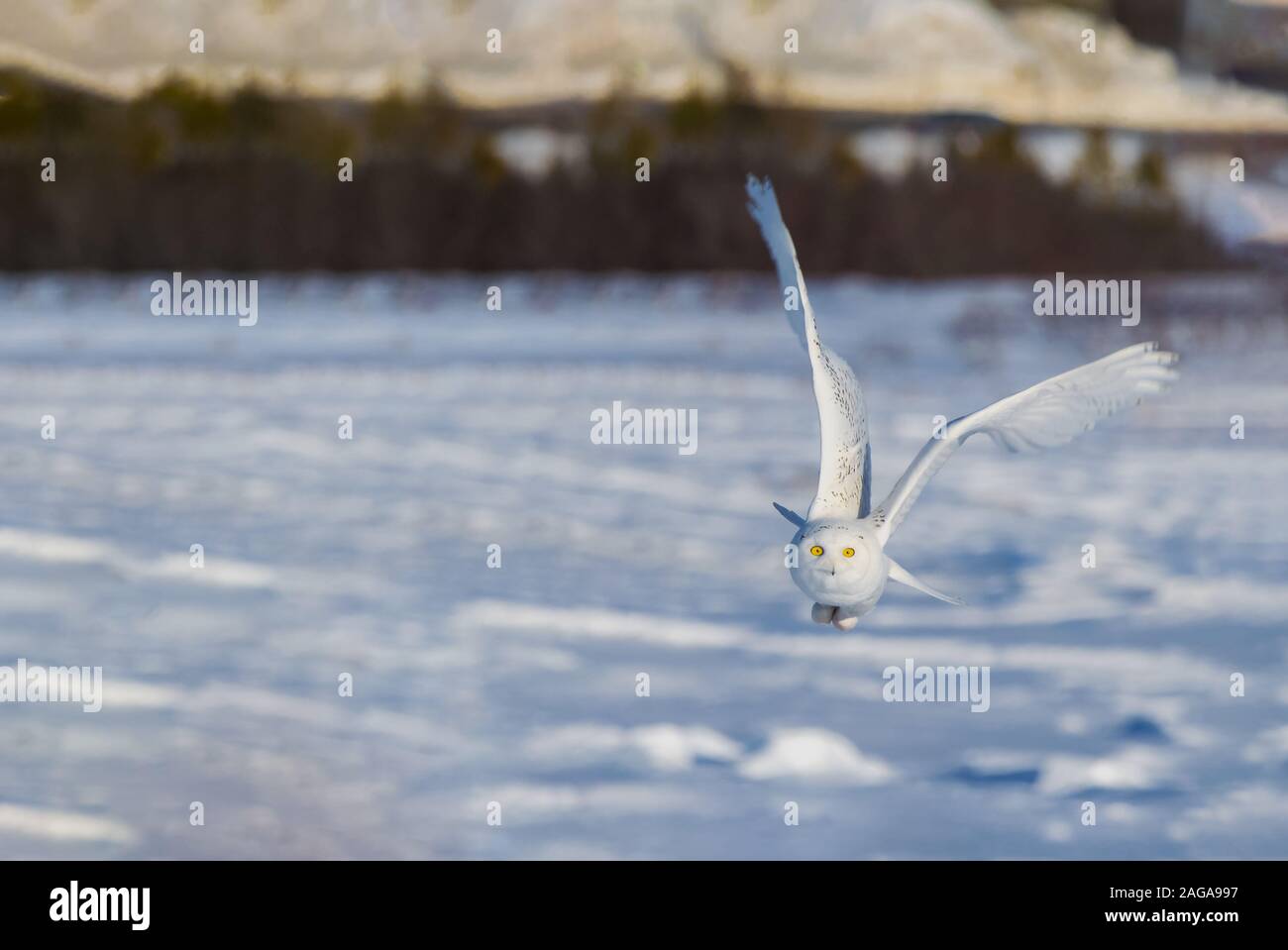
In the vast, frozen expanses of the Arctic tundra, the snowy owl reigns as a majestic sentinel of a fragile ecosystem. Cloaked in pristine white feathers, these enigmatic birds embody the wild spirit of the northern wilderness. Yet, beneath their silent, unwavering gaze lies a story shadowed by human interference—one of hunting and poaching that threatens to unravel their numbers and unsettle an intricate balance. Delving into the impact of these illicit activities promises more than mere statistics; it invites a profound shift in our perception of conservation and an urgent call to reclaim stewardship over our natural heritage.
How Virtual Reality Is Being Used to Study Snowy Owl Behavior
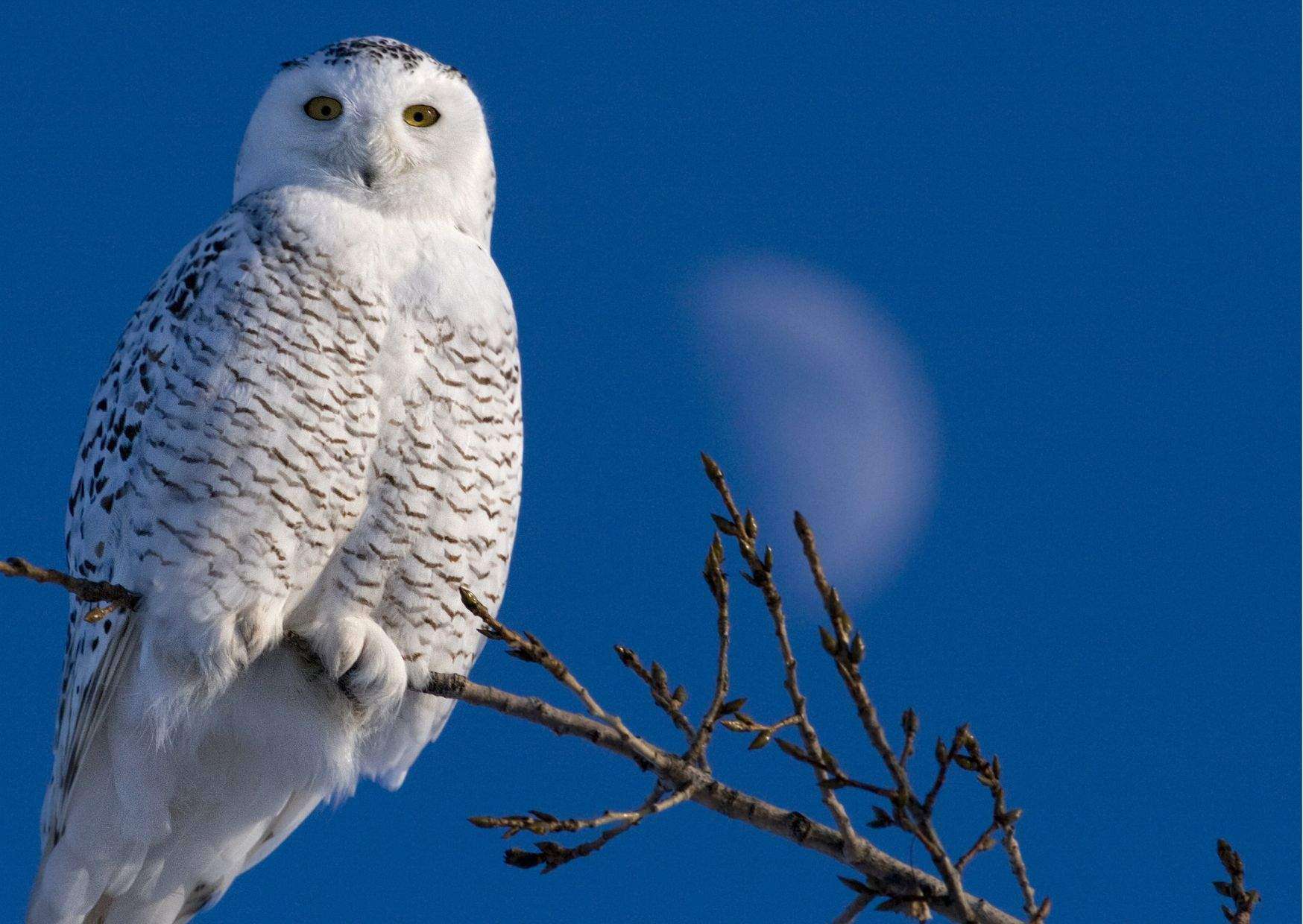
Imagine stepping into a frozen tundra where the silent flight of a snowy owl weaves a ghostly tale across the Arctic skies. This elusive predator, cloaked in crystalline white, has long fascinated ornithologists and nature enthusiasts alike. Yet, the very landscapes that harbor these majestic birds are often as inaccessible as the depths of the sea. Enter virtual reality (VR)—a modern-day canvas that paints vivid, immersive worlds allowing us to peer into the secretive life of snowy owls without disturbing their fragile habitats. This technological loom is weaving intricate tapestries of behavior, perception, and ecology, revealing the snowy owl’s world in ways once relegated to the realm of dreams. The intersection of VR and wildlife study fashions a portal where science meets imagination, unlocking behavioral nuances hidden beneath feathers and silence.