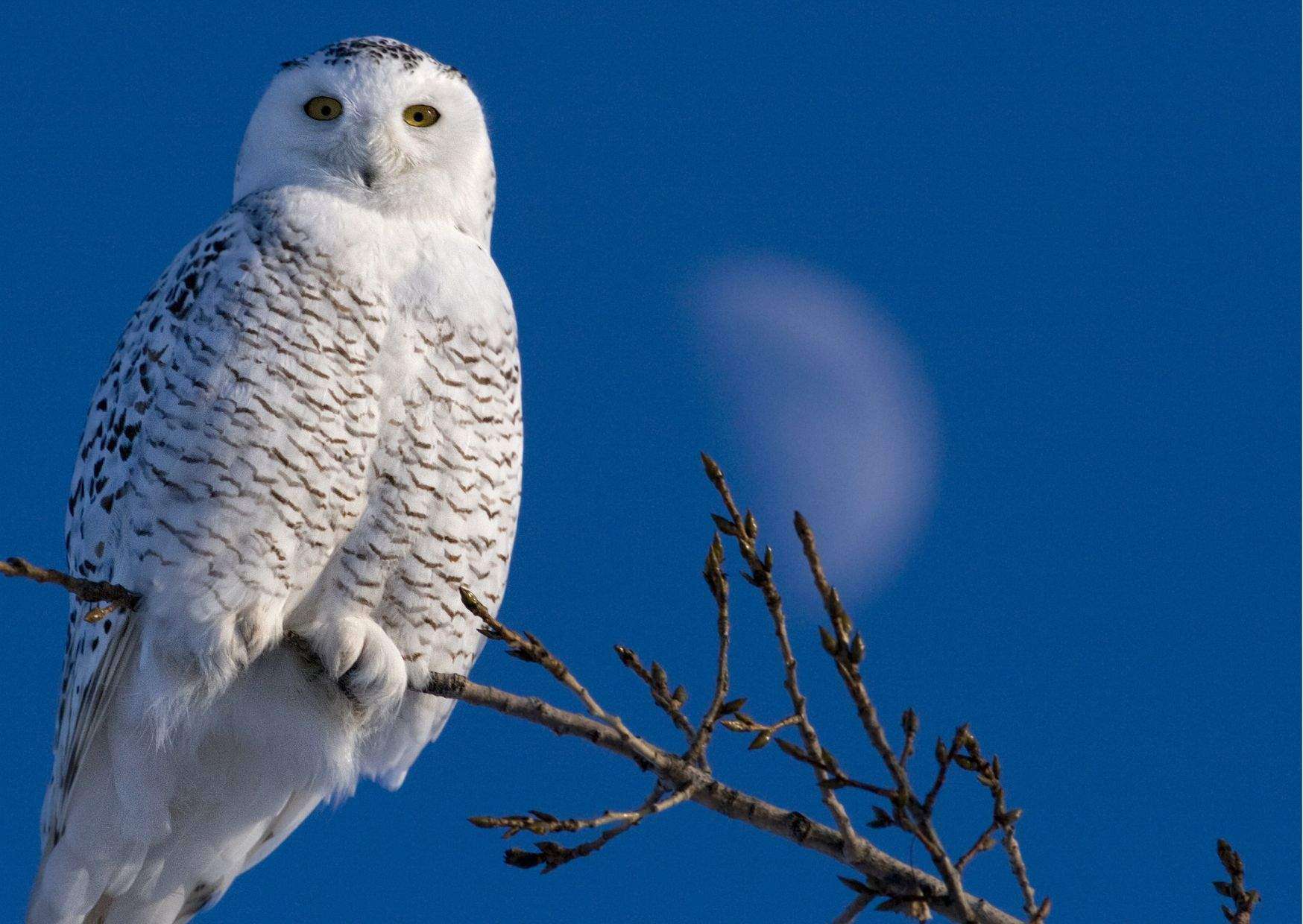
Imagine stepping into a frozen tundra where the silent flight of a snowy owl weaves a ghostly tale across the Arctic skies. This elusive predator, cloaked in crystalline white, has long fascinated ornithologists and nature enthusiasts alike. Yet, the very landscapes that harbor these majestic birds are often as inaccessible as the depths of the sea. Enter virtual reality (VR)—a modern-day canvas that paints vivid, immersive worlds allowing us to peer into the secretive life of snowy owls without disturbing their fragile habitats. This technological loom is weaving intricate tapestries of behavior, perception, and ecology, revealing the snowy owl’s world in ways once relegated to the realm of dreams. The intersection of VR and wildlife study fashions a portal where science meets imagination, unlocking behavioral nuances hidden beneath feathers and silence.
The Virtual Observatory: Recreating Arctic Realms
The first step in harnessing VR to study snowy owls lies in the meticulous recreation of their arctic environment—a realm as harsh as it is breathtaking. Scientists and technologists collaborate to build hyperrealistic digital ecosystems, capturing the snow-blanketed tundra, the brittle winds, and the shifting daylight cycles that govern these birds’ lives. Every scentless gust, every ephemeral shadow is translated into code, forging an environment where owls respond authentically as if standing on frozen soil. This virtual observatory becomes a window into territories otherwise unreachable due to remoteness or seasonality, enabling continuous observation that defies the limits of geography and time.
Simulating Flight: The Ethereal Dance in Virtual Skies
The snowy owl’s flight is poetry in motion—a delicate balance of power and silence. VR allows researchers to simulate flight patterns and predation strategies in a controlled setting. Avian motion capture and aerodynamic modeling reanimate the subtle wingbeats and glides, translating them into immersive visualizations. By placing test subjects—both captive owls and virtual avatars—within these simulations, scientists discern how snowy owls navigate thermals, adjust to changing weather, or react to potential prey and threats. This ethereal dance, once elusive and fleeting, becomes measurable, perceptible, and analyzable within these virtual skies.
Behavioral Experiments Beyond Ethical Boundaries
Traditional wildlife studies often wrestle with ethical constraints and practical obstacles. Disturbing the natural behavior of snowy owls risks stress or habitat degradation. VR sidesteps these dilemmas by offering a non-invasive platform for behavioral experiments. Researchers deploy virtual stimuli—prey, predators, human presence—testing the owl’s responses in a variety of scenarios. This controlled exposure uncovers alarm triggers, hunting decision-making, and social interactions without ever disrupting the delicate balance of real-world ecosystems. The virtual realm becomes a sanctuary where observation coexists with empathy and respect.
Enhancing Cognitive and Sensory Understanding
Snowy owls possess finely tuned sensory adaptations honored by evolution. To truly comprehend their behavior requires stepping inside their experiential lens—how they perceive light, sound, and movement across tundra expanses. VR assists by simulating sensory environments calibrated to the owl’s unique visual spectrum and auditory sensitivities. These virtual constructs enable the decoding of hunting efficiency, camouflage effectiveness, and territory selection through the owl’s own sensory modalities, rather than human approximations. Understanding how snowy owls interpret their world deepens our insight into their survival strategies.
Virtual Reality as a Conservation Catalyst
Beyond pure science, VR emerges as a paradoxical bridge between technology and conservation. As climate change and human encroachment reshape arctic landscapes, snowy owls face unprecedented challenges. Virtual habitats allow ecologists to model future environmental scenarios and predict behavioral shifts under stress. These projections inform conservation strategies with precision and foresight. Moreover, VR portrays the snowy owl’s plight to the public in an evocative, immersive manner that photographs or videos alone cannot achieve. Empathy born from walking their virtual tundra can galvanize support for habitat preservation and climate action.
Interdisciplinary Collaboration: The Confluence of Art and Science
The use of virtual reality to study snowy owls exemplifies a rare synthesis of disciplines—ornithology, computer science, psychology, and environmental art. Architects of these digital biomes are not only scientists but storytellers and digital artists who collaborate to capture the owl’s narrative. This confluence enriches scientific inquiry with creativity and innovation, fostering a holistic approach to understanding nature. Each virtual feather and whispered wind in the simulation is a node in a complex network of knowledge, artfully crafted to evoke wonder while expanding empirical understanding.
The Future Horizons: Expanding the Virtual Aviary
As VR technology evolves—becoming more tactile, responsive, and sophisticated—the possibilities for snowy owl research expand exponentially. Haptic feedback suits may one day allow researchers to “feel” the whip of Arctic winds or the resistance of wingbeats. Artificial intelligence may analyze behavioral data in real-time, unveiling subtle correlations invisible to the human eye. The virtual aviary will transform from a passive observatory into an interactive laboratory, where hypotheses can be tested instantaneously, and the mysteries of these enigmatic birds can steadily unravel. This future heralds a new era where technology does not alienate us from nature but invites us deeper into its enchanting, snowy embrace.
In capturing the spectral elegance of the snowy owl through virtual reality, science pens a new chapter in wildlife study—one energized by curiosity, fueled by innovation, and imbued with reverent passion. It is an invitation to transcend physical limits and glimpse the world as the snowy owl does: silent, magnificent, and intricately intertwined with the frozen wilds it calls home.