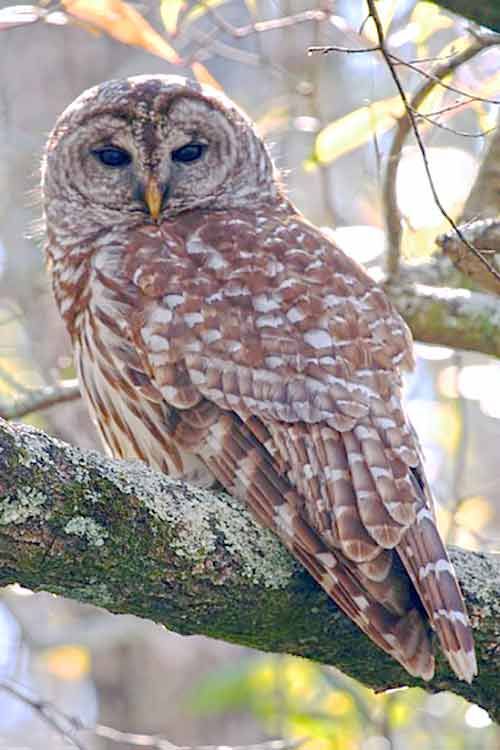
Imagine stepping into your garden at dusk, the air thick with the scent of blooming night-blooming jasmine, and hearing the soft, rhythmic who-who-who of an owl gliding overhead. Not just any owl—your owl. A silent guardian of the night, a feathered sentinel who transforms your outdoor space into a sanctuary of balance and wonder. This isn’t a fantasy. It’s a possibility waiting to unfold in your own backyard. Creating an owl-friendly garden isn’t just about planting a few trees and hoping for the best. It’s about curating an ecosystem where these magnificent birds of prey feel not just tolerated, but invited. It’s about shifting your perspective from a gardener to a steward of the night, where every choice you make ripples through the food web, inviting life to thrive in ways you’ve never imagined.
The Silent Symphony: Understanding Owls and Their Needs
Owls are not merely creatures of the night; they are architects of the twilight realm. Their survival hinges on three core necessities: secure nesting sites, abundant prey, and undisturbed hunting grounds. Unlike songbirds that flit through the day, owls are creatures of stealth and shadow. They rely on their keen senses and silent flight to ambush rodents, insects, and even small birds under the cloak of darkness. To attract them, your garden must mimic the wild, untamed corners they favor. Dense evergreens like cedars or pines provide both shelter and vantage points. Hollow trees or purpose-built owl boxes offer safe havens for nesting, while open grassy areas teeming with voles and mice become their dining hall. But remember, owls are not scavengers. They seek live prey, so a garden teeming with life is non-negotiable.
Designing a Nocturnal Haven: Layout and Structure
Think of your garden as a stage set for a nocturnal ballet. The backdrop should be layered—tall trees for perching, mid-sized shrubs for cover, and low ground cover for foraging prey. Position owl boxes at least 10 to 15 feet high, facing away from prevailing winds, and ensure they’re shielded from direct sunlight to prevent overheating. Avoid placing them near human activity hubs; owls are shy and need solitude to thrive. Incorporate water features, even a shallow birdbath, to attract insects and amphibians, which in turn lure rodents. A winding gravel path, edged with moonflowers and evening primrose, not only adds charm but also guides owls through their hunting grounds without disturbance. The key is to create a sense of seclusion, where the garden feels wild yet intentional.
The Prey Paradox: Cultivating a Rodent Buffet
Here’s the paradox: to attract owls, you must first attract their prey. But not just any prey—you need a thriving, balanced ecosystem where rodents, insects, and small mammals flourish. This means resisting the urge to over-manicure your lawn. Leave patches of tall grass, fallen logs, and leaf litter. These microhabitats become nurseries for beetles, crickets, and voles. Plant native grasses and wildflowers like switchgrass or coneflowers, which support a diverse insect population. Avoid pesticides at all costs; they disrupt the food chain and poison the very creatures owls depend on. Instead, embrace the chaos. A slightly untamed garden is a haven for life, and life is what calls the owls home.
Light and Shadow: The Art of Nocturnal Lighting
Light pollution is the silent assassin of nocturnal life. Streetlights, porch lamps, and even garden LEDs can disorient owls, disrupting their hunting patterns. To create an owl-friendly garden, embrace the dark. Use warm, low-wattage lighting only where absolutely necessary, and opt for motion-activated or dimmable fixtures. Consider solar-powered path lights that dim as dusk falls, mimicking the natural fade of daylight. If you must illuminate, choose amber or red bulbs, which are less intrusive to wildlife. The goal is to create a garden that feels like a natural extension of the night, where shadows dance and the moon casts its silver glow without competition from artificial light.
Soundscapes of the Night: Attracting Owls with Acoustic Invitations
Owls communicate through a symphony of calls, from the haunting hoo-hoo-hoo of the great horned owl to the eerie trills of the screech owl. While you can’t mimic these calls perfectly, you can create an environment that encourages them to sing. Plant night-blooming flowers like evening stock or moonflower, whose fragrance lures moths and other nocturnal insects, the primary diet of many owl species. The rustling of leaves in the breeze, the chirping of crickets, and the distant hoot of an owl already in the neighborhood all contribute to a soundscape that says, “This is a place where owls belong.” Silence is not golden here—it’s a void. Fill your garden with the music of the night, and the owls will answer.
Seasonal Strategies: Year-Round Owl Appeal
A garden that attracts owls in spring may lose its charm by winter if not thoughtfully planned. Seasonal shifts require adaptive strategies. In autumn, leave seed heads on plants like coneflowers and black-eyed Susans to provide food for overwintering birds and small mammals. Mulch garden beds with leaves to create hiding spots for insects and amphibians. In winter, ensure water sources don’t freeze; a heated birdbath or a shallow dish refreshed daily can be a lifeline. Evergreens become critical in colder months, offering shelter from wind and snow. By planning for every season, your garden becomes a year-round sanctuary, not just a seasonal stopover.
The Ethical Owlkeeper: Responsible Stewardship
Attracting owls is a privilege, not a right. It comes with the responsibility of ensuring their safety and well-being. Avoid using rodenticides, even if you’re tempted by a mouse problem. These poisons don’t just kill rodents—they accumulate in owls, leading to slow, agonizing deaths. Instead, rely on natural deterrents like planting mint or marigolds, which repel pests without harming the ecosystem. Keep pets indoors at night; free-roaming cats are a leading cause of owl fatalities. And above all, observe from a distance. Owls are wild animals, not pets. Your role is to provide a habitat, not a home. Let them come and go as they please, and trust that your garden has become a place they choose to return to.
The Reward: A Garden Transformed
When an owl finally graces your garden with its presence, it’s not just a sighting—it’s a revelation. The way it perches silently on a branch, its golden eyes reflecting the moonlight, is a reminder of the wildness that still exists in our world. Your garden ceases to be just a collection of plants and becomes a living, breathing ecosystem. The rodents that once nibbled your vegetables are now part of a greater balance. The insects that hum at night are no longer pests but prey. And you? You become a witness to the secret life of the night, a participant in a dance as old as time itself. This is the magic of an owl-friendly garden—not just a shift in perspective, but a transformation of your entire relationship with the natural world.