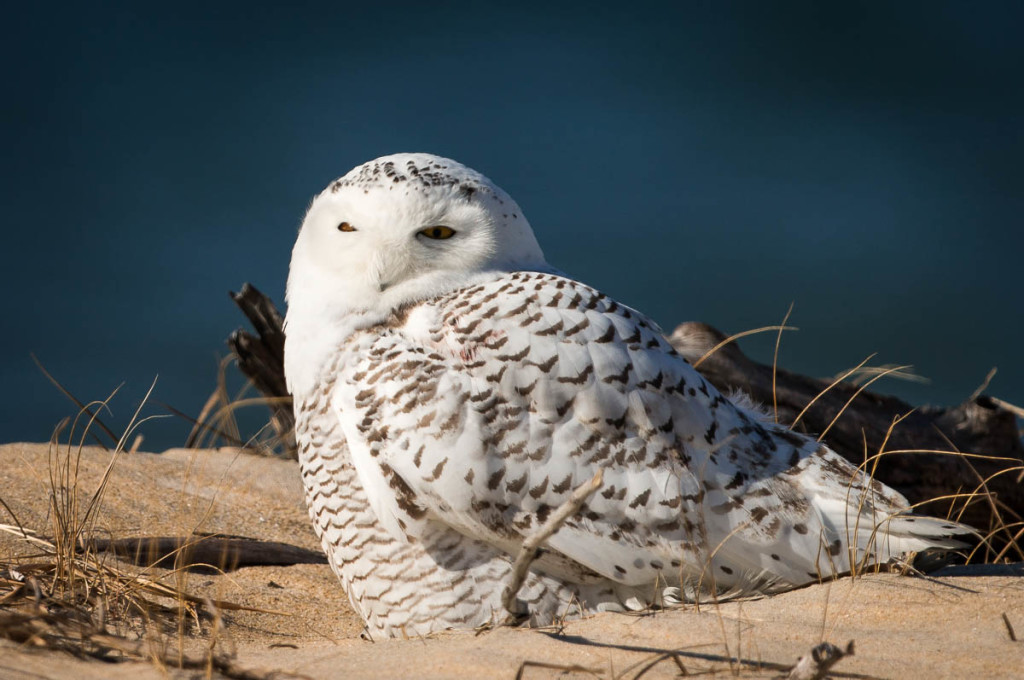
What if the skies themselves decided to put on a grand spectacle, a sudden invasion not of warriors or machines, but of feathers and silent wings? The year 2026 witnessed one of the most mesmerizing natural phenomena in recent memory — the Great Snowy Owl Irruption. This avian extravaganza didn’t merely paint the horizon with white plumage but challenged our perceptions of migratory patterns, ecological balances, and the sheer mystery of wildlife behaviors. Delving into the depths of this historic event exposes layers of intrigue, marvel, and the delicate interplay between species and environment.
Snowy Owl
The Role of Big Data in Understanding Snowy Owl Habitats
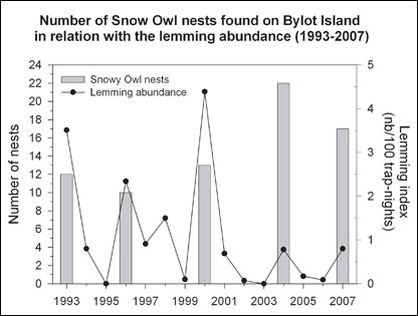
Could the enigmatic snowy owl, a ghostly sentinel of the Arctic tundra, ever reveal its secrets through the lens of cold, hard data? Imagine the ceaseless flight of this alabaster predator, wings spanning majestic expanses, yet silently eluding human understanding. As climate shifts accelerate and habitats transform, the challenge of truly comprehending the snowy owl’s realm grows ever more complex. How can we, armed with pixels, algorithms, and mountains of data, begin to unravel the subtle whispers of its habitat preferences, migration patterns, and survival strategies? Enter the transformative realm of big data, where raw information converges into meaningful insight, casting light upon the snowy owl’s shadowy world.
The Snowy Owl’s Arctic Adaptations: How They Survive Extreme Cold
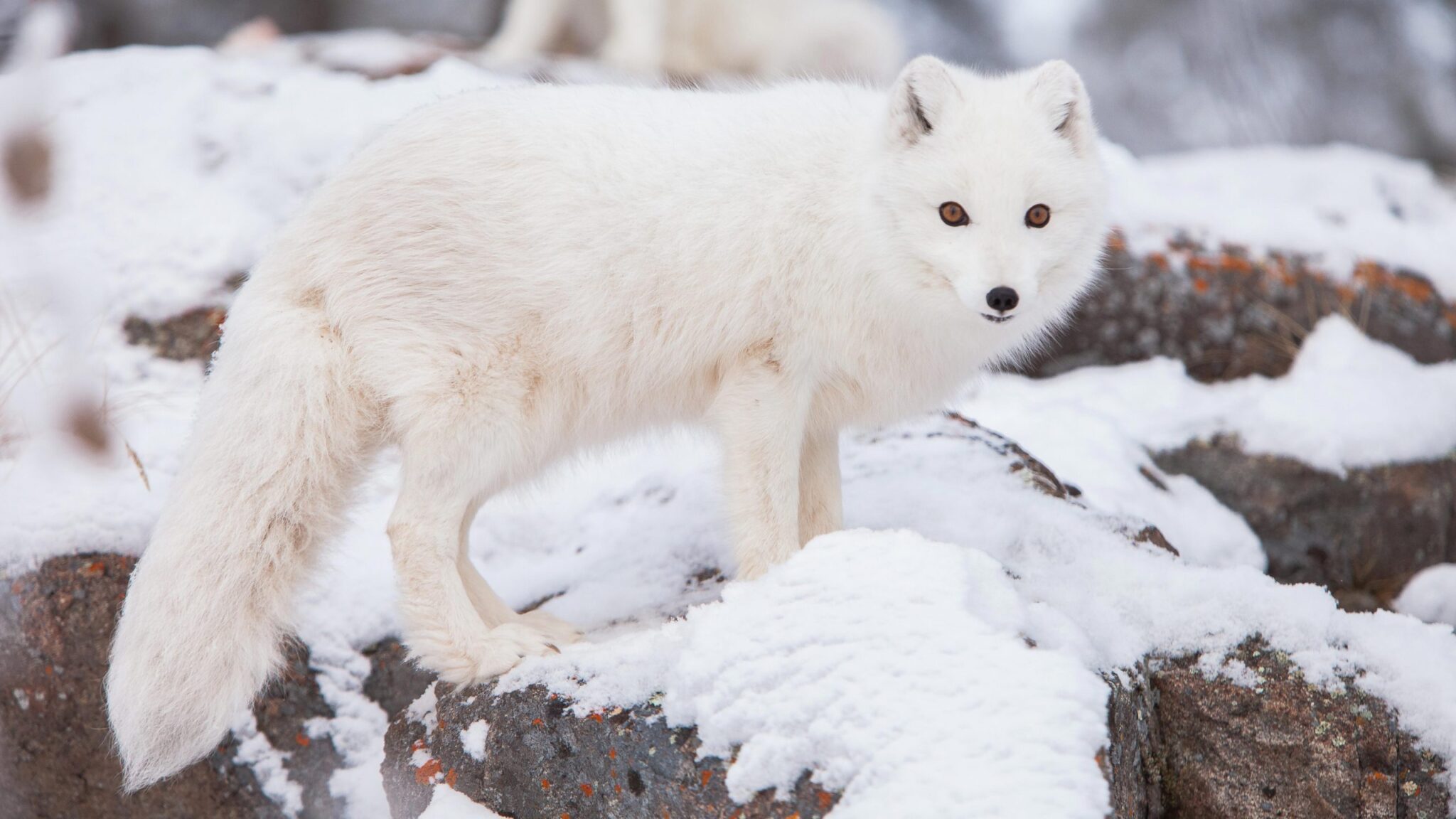
In the vast, crystalline wilderness of the Arctic, where daylight fades into an endless twilight and the wind howls like forgotten spirits across the frozen expanse, the snowy owl reigns as an ethereal sentinel. Cloaked in pristine white feathers, this enigmatic bird is not merely a creature of the cold, but a symbol of resilience, a living embodiment of adaptation honed to an impeccable edge. Its existence is a masterclass in survival against an unforgiving landscape—a dance with the extreme cold that few other beings can rival. To understand the snowy owl’s Arctic adaptations is to peer into nature’s workshop, where evolution carves marvels from frost and shadow.
How Melting Permafrost Is Changing Snowy Owl Nesting Behavior
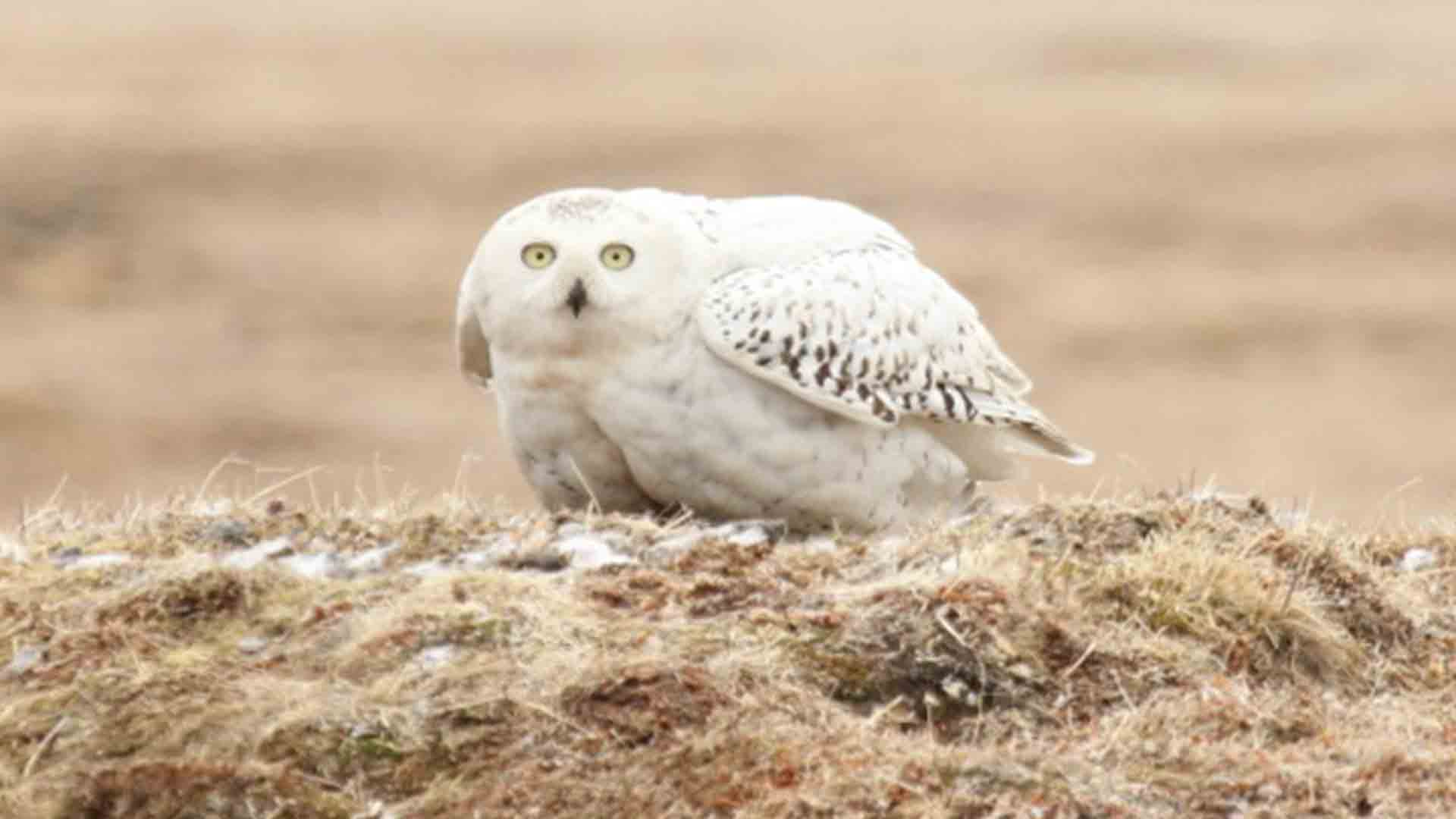
Across the vast, frozen tundras where silence reigns and icy winds sweep across the barren landscape, a subtle yet profound transformation is unfolding. The Arctic Snowy Owl, an iconic sentinel of this fragile ecosystem, has long fascinated naturalists and wildlife enthusiasts. Their hauntingly beautiful nesting rituals, set against pristine snowy backdrops, have captured our imaginations. Yet, beneath this serene tableau lies an unsettling shift—melting permafrost is rewriting the rules of their nesting behavior. This phenomenon invites us not only to observe but to deeply contemplate how climatic forces ripple through nature’s intricate web, altering ancient patterns with sobering consequences.
How Social Media Is Tracking Snowy Owl Irruptions in Real Time
In the hushed expanse of the Arctic tundra, the snowy owl reigns as an ethereal sentinel—its ghostly white plumage blending into the pristine backdrop of snow and ice. These elusive raptors have long fascinated birdwatchers and scientists alike, especially during periods known as irruptions, when massive numbers suddenly descend far south of their Arctic breeding grounds. In recent years, the pulsating heart of social media has unlocked unprecedented avenues for tracking these irruptions in real time, weaving together sightings, data, and stories into a vibrant tapestry that captivates a worldwide audience.
Snowy Owl Plumage: The Science Behind Their Camouflage
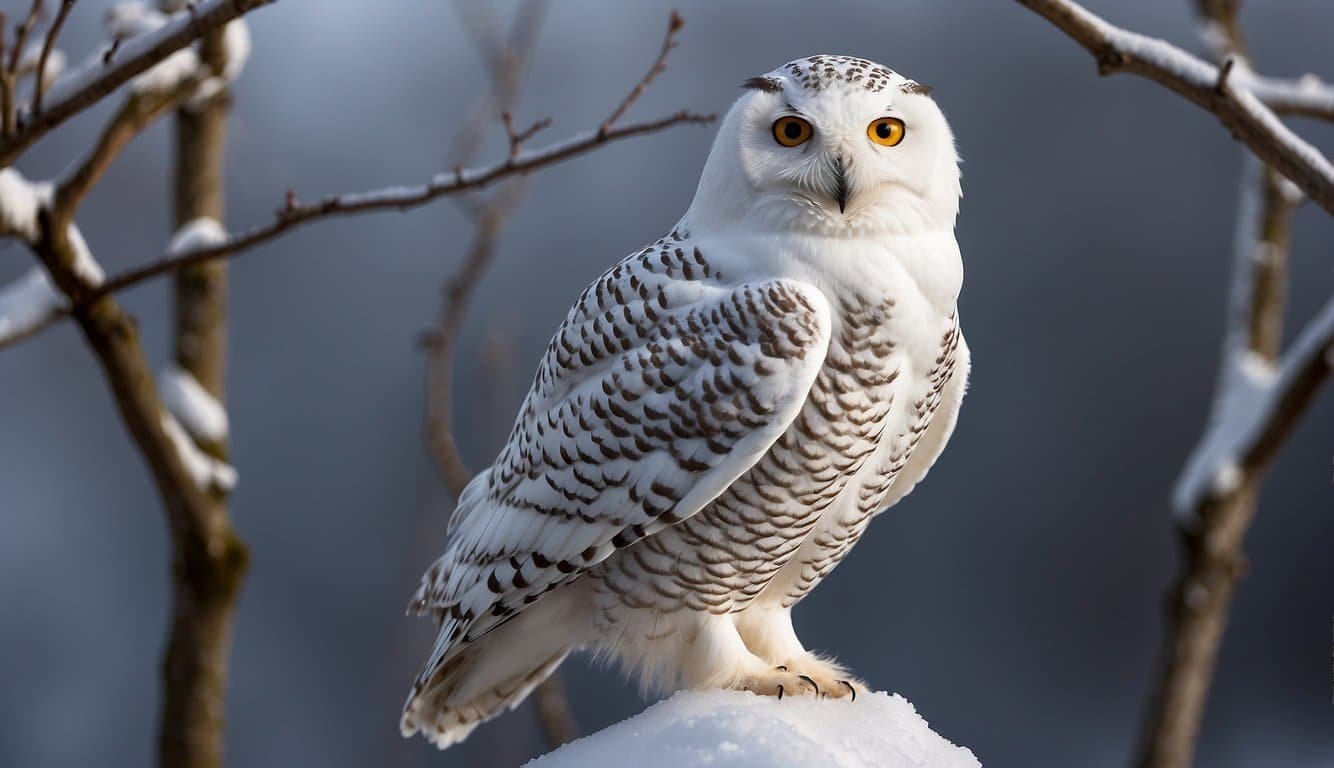
The enigmatic appearance of the snowy owl, with its striking white plumage flecked with dark bars, has long captivated observers and naturalists alike. At first glance, this majestic bird appears almost ghostly against its frigid tundra backdrop, seamlessly blending into the snow-laden landscape. This distinctive camouflage not only triggers a common observation—how effortlessly it vanishes into its environment—but also invites us to explore the fascinating scientific intricacies underlying this adaptive coloration. Delving into the patterns, pigments, and evolutionary advantages of the snowy owl’s plumage reveals a story as intricate as the Arctic environment it inhabits.
Warming Arctic Temperatures: How They’re Shifting Snowy Owl Ranges
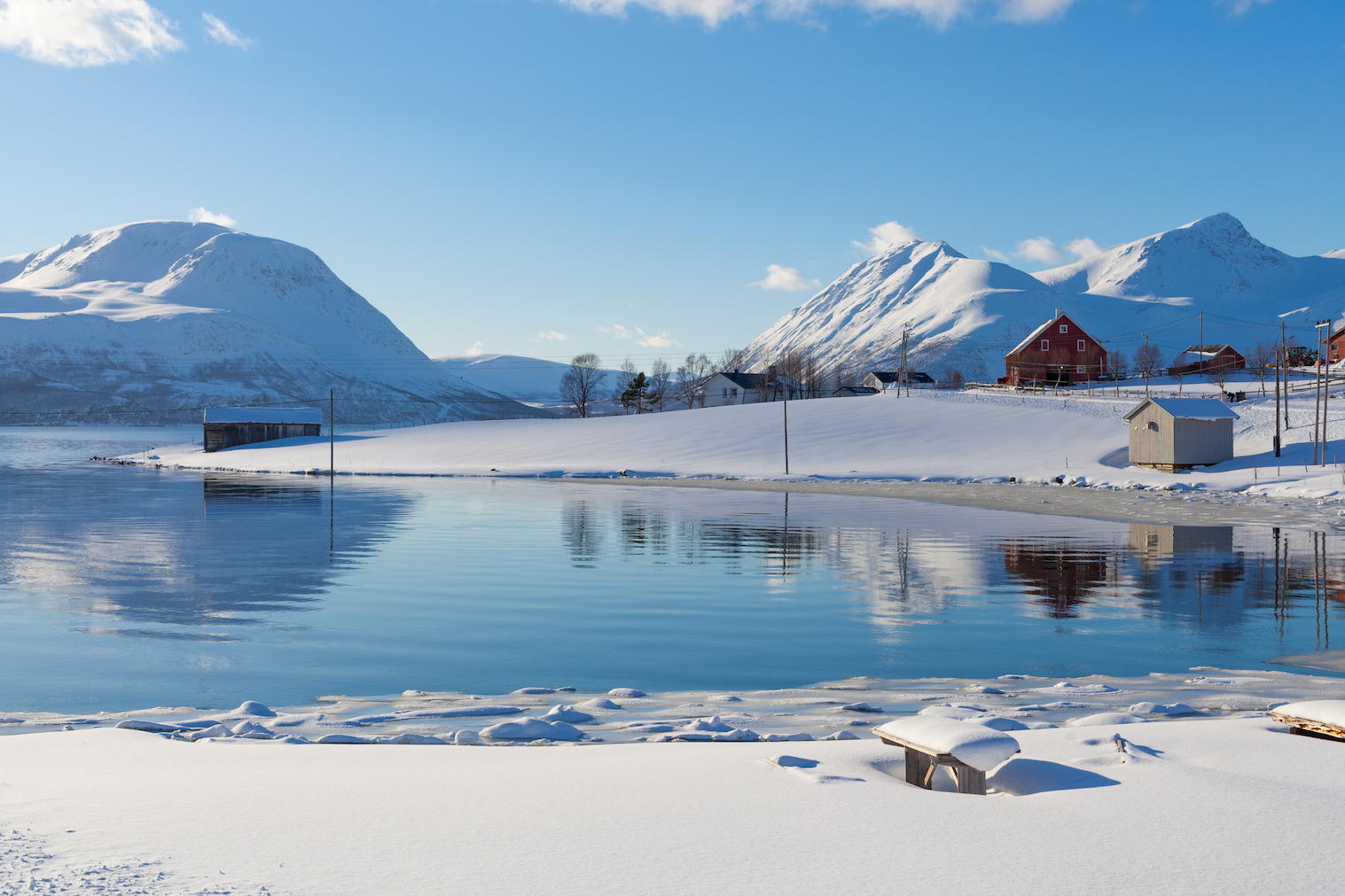
In the vast, icy expanses of the Arctic, a silent shift is underway—one that reverberates through its fragile ecosystem and signals a profound transformation. The snow-cloaked tundra and frozen seas have long been the cherished domain of the magnificent snowy owl, a creature both iconic and emblematic of the North’s pristine wilderness. Yet, as warming temperatures tighten their grip, these regal birds are compelled to navigate an altered landscape. The shifting climatic patterns are not merely redrawing their maps; they are reshaping the very fabric of their survival.
Snowy Owl Watching at Night: Safety Tips and Equipment
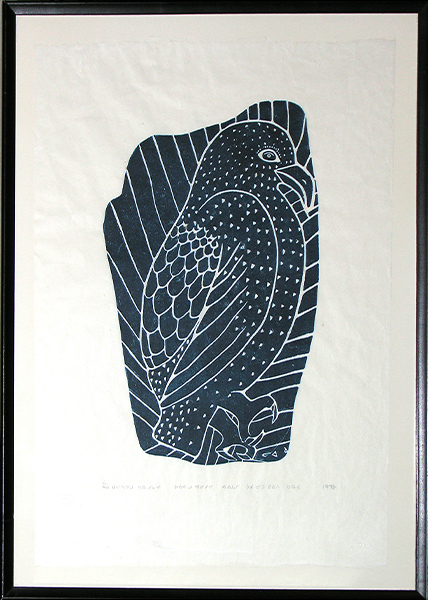
Have you ever found yourself staring into the quiet veil of night, wondering what secrets flutter just beyond your sight? Picture this: a ghostly white figure perched silently against the snowy landscape, eyes gleaming like twin lanterns in the dark. Snowy owls, with their enigmatic aura and nocturnal charisma, beg the question—how does one safely embark on the thrilling pursuit of watching these spectral birds under the cloak of darkness? The challenge isn’t just finding them, but doing so without disturbing their silent world or courting peril yourself.
The Impact of Melting Sea Ice on Snowy Owl Prey Availability
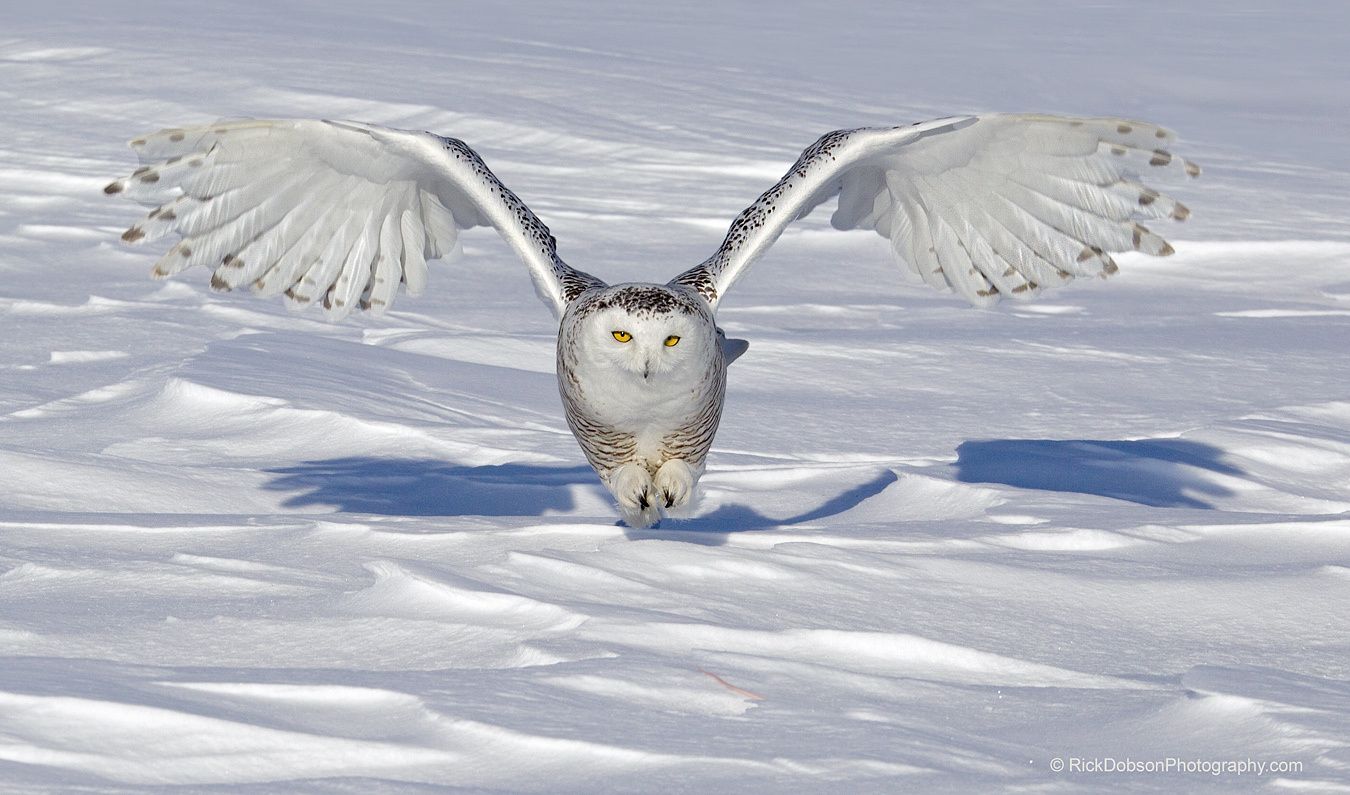
In the vast, frostbitten expanse of the Arctic tundra, the snowy owl reigns as a majestic sentinel of the winter skies. Its piercing yellow eyes scan the frozen landscape, unwavering in the pursuit of prey. Yet beneath the shimmering veil of ice, a silent transformation is underway—one that threatens to unravel the intricate dance between predator and prey. The relentless retreat of sea ice, propelled by the unyielding momentum of climate change, reverberates through the Arctic ecosystem, reshaping the very fabric of life. Among its victims is the snowy owl, whose prey availability is inexorably tethered to the ebb and flow of the frozen frontier.
The Role of Migration Corridors in Snowy Owl Irruptions
Have you ever wondered why sometimes, almost out of the blue, the skies flood with the ghostly white silhouettes of snowy owls far beyond their usual Arctic homes? What mysterious forces nudge these enigmatic birds into sudden, large-scale voyages, known as irruptions, across vast stretches of unfamiliar landscapes? At the heart of this avian enigma lies the intricate web of migration corridors—those ancient aerial highways that steer these silent hunters on their unpredictable journeys. But could these corridors be more than mere passages? Could they hold the key to understanding the very phenomenon of snowy owl irruptions, or perhaps even pose hidden challenges that unsettle their age-old rhythms?