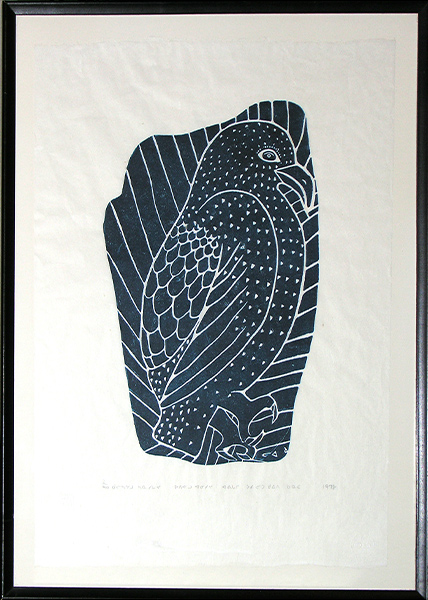
Have you ever found yourself staring into the quiet veil of night, wondering what secrets flutter just beyond your sight? Picture this: a ghostly white figure perched silently against the snowy landscape, eyes gleaming like twin lanterns in the dark. Snowy owls, with their enigmatic aura and nocturnal charisma, beg the question—how does one safely embark on the thrilling pursuit of watching these spectral birds under the cloak of darkness? The challenge isn’t just finding them, but doing so without disturbing their silent world or courting peril yourself.
Understanding the Nocturnal Nature of Snowy Owls
Snowy owls defy the cliché of the shy, daytime raptors. Although often perceived as diurnal, these majestic creatures exhibit remarkable nocturnal tendencies, particularly in their winter ranges. Recognizing their active hours becomes paramount. Venturing out at night means navigating an environment where shadows meld seamlessly with the owl’s feathered camouflage. This familiarity with their behavior allows the watcher to anticipate movements without disturbing a delicate ecosystem. One must attune to the subtle sounds and rustles of night, a symphony where every whisper hints at the owl’s presence.
Essential Safety Considerations for Nocturnal Owl Watching
Embarking on a nighttime expedition is a venture into the unknown, fraught with both natural and human-made hazards. Uneven terrain, icy patches, and unpredictable weather conditions demand undivided attention. The darkness can magnify fatigue and disorientation. Preparation, therefore, takes precedence over impulse. Layered clothing to combat biting cold, robust footwear to navigate possibly slippery, rugged terrain, and a reliable communication device are non-negotiable. Never underestimate the significance of informing someone about your intended route and estimated return time—a simple precaution that can prevent dire consequences.
Choosing the Right Equipment: Eyes and Ears in the Dark
The moonlight may illuminate the landscape, but it’s rarely sufficient for unassisted observation. High-quality optical gear serves as your most vital companion. A pair of low-light binoculars or a night vision scope enables you to detect the owl’s ethereal silhouette from a safe distance, preserving the bird’s natural behavior and your safety. Supplementing this, a powerful yet non-intrusive flashlight with a red filter becomes invaluable. The red light preserves your night vision while gently revealing your surroundings, ensuring you never stumble on hidden obstacles. Additionally, sound recording devices can capture the haunting, muffled hoots that often reveal more than a glimpse ever could.
Environmental Awareness and Minimizing Impact
Respecting the owl’s habitat is not merely ethical—it’s essential for continued success in nocturnal watching. Snowy owls, especially during winter months, expend tremendous energy hunting in harsh environments. Human intrusion can alter their behavior, driving them away from vital feeding grounds. Sticking to established paths or delineated observation points reduces unintended disturbance. Maintaining a quiet presence, avoiding sudden movements or bright lights, speaks to the reverence owed to nature’s night sentinels. This subtlety enhances the quality of the encounter and fosters a sustainable relationship between observer and observed.
Layering Clothing and Accessorizing for Nighttime Temperature Drops
Nighttime in snowy owl habitats often translates to biting cold and fickle weather. Proper insulation crafted through strategic layering offers both comfort and protection. Begin with moisture-wicking base layers that draw sweat away from the skin, paired with insulating mid-layers like fleece or down. A weather-resistant outer shell provides a barrier against wind, snow, and icy mist. Accessories such as insulated gloves, thermal hats, and neck gaiters guard extremities vulnerable to frostbite. Selecting breathable fabrics ensures that overheating during physical exertion doesn’t counteract your preparedness. These sartorial decisions not only shield you from elements but also heighten your ability to remain vigilant and focused.
Navigation Tools: Keeping Your Bearings Under Starry Skies
Wandering the wilderness at night can quickly twist familiar landscapes into riddles of shadows. Modern technology offers a reprieve from disorientation. GPS devices, preferably with pre-loaded maps, provide precise navigation aids. A compass remains a trusty analog backup in case batteries fail or digital devices falter under extreme cold. Don’t neglect the classic method of waymarking—using subtle, non-invasive markers to retrace your path. Preparation includes understanding potential landmarks and setting clear geographic points to avoid becoming an unwilling part of the nocturnal ecosystem yourself.
Ethical Photography: Capturing the Moment Without Disturbance
Snowy owls present a photographer’s dream but balancing the urge to capture stunning images with ethical considerations is delicate. Flash photography should be eschewed, as sudden bursts of light can startle and stress the owls. Use cameras with high ISO capabilities and wide apertures, allowing for longer exposure times in low light without needing artificial illumination. Remote-triggered cameras are a superb option, placing the observer safely at a distance. Remember, every click should win the owl’s consent through invisibility—permit the bird to live undisturbed even as it becomes immortalized in your lens.
Preparation for Emergencies: First Aid and Contingency Plans
No nocturnal adventure is complete without planning for the unexpected. A compact, well-stocked first aid kit tailored for outdoor use is indispensable—think specialized treatments for hypothermia, frostbite, and simple injury care. Emergency blankets, extra food, and water stashed in your pack could prove life-saving in cases of delay or mishap. Understanding the nearest points of assistance or rescue services adds a layer of security to your endeavor. Most crucially, maintain a calm, composed mindset; the night holds mysteries, but with preparation, it need not hold fear.
Incorporating Local Knowledge and Community Wisdom
Engagement with local birdwatching groups or indigenous communities can unveil invaluable insights into snowy owl behavior specific to your region. Such knowledge often transcends what guidebooks provide, revealing the owls’ favored hunting grounds, seasonal patterns, and even subtle environmental cues. Collaborating with others fosters a shared respect and collective vigilance that benefits preservation and personal safety. Nighttime owl watching transforms from a solitary pursuit into a communal celebration of a species that captivates human imagination.
In the end, watching snowy owls at night is more than an adrenaline-fueled quest—it is a dance with nature’s quiet grandeur, demanding patience, respect, and mindfulness. By equipping oneself with the right knowledge, gear, and ethical approach, the nocturnal observer invites a rare glimpse into a world where silence reigns supreme and beauty perches just beyond the reach of moonbeams.