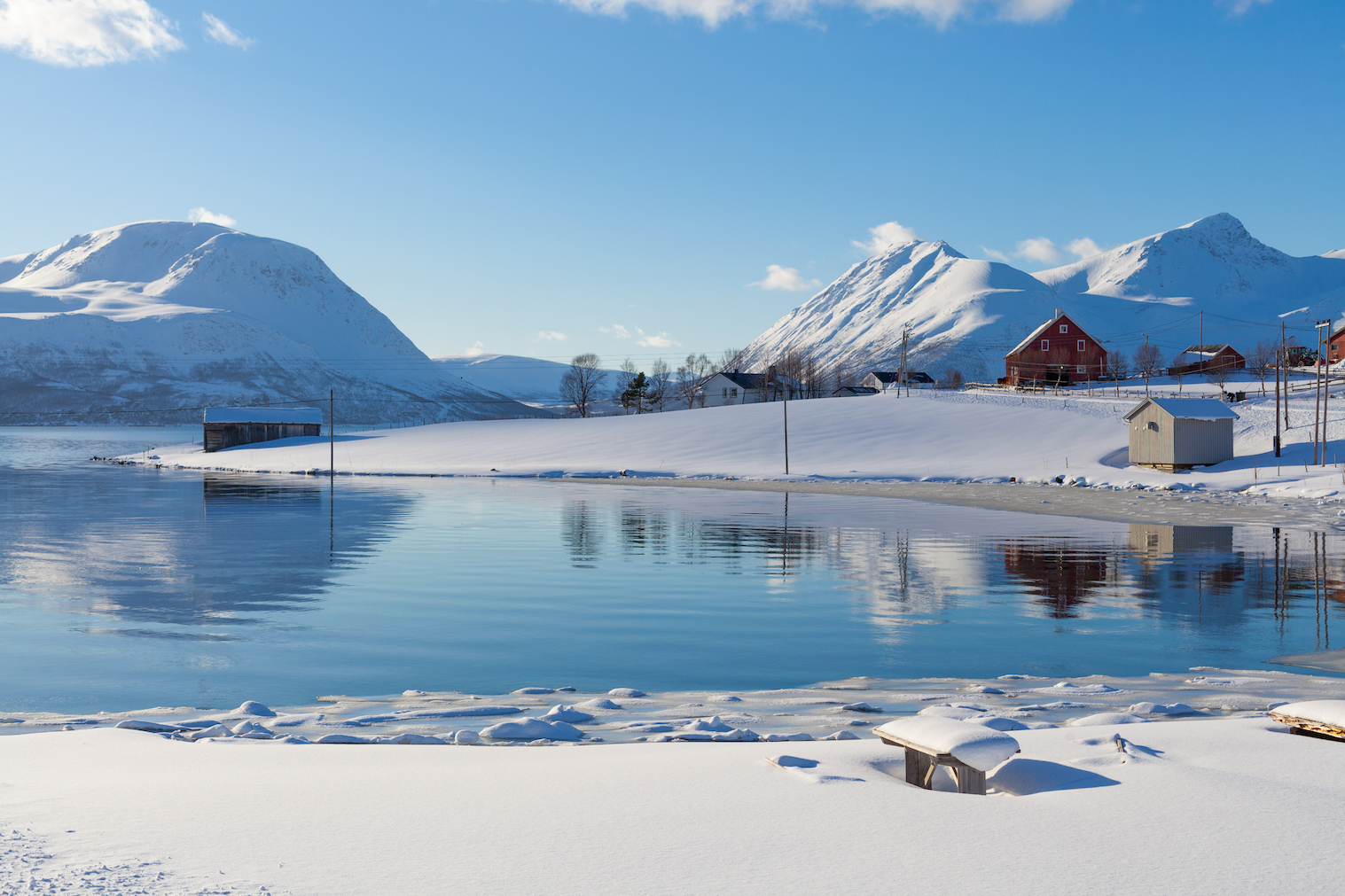
In the vast, icy expanses of the Arctic, a silent shift is underway—one that reverberates through its fragile ecosystem and signals a profound transformation. The snow-cloaked tundra and frozen seas have long been the cherished domain of the magnificent snowy owl, a creature both iconic and emblematic of the North’s pristine wilderness. Yet, as warming temperatures tighten their grip, these regal birds are compelled to navigate an altered landscape. The shifting climatic patterns are not merely redrawing their maps; they are reshaping the very fabric of their survival.
The Changing Climate of the Arctic: A Catalyst for Ecological Shifts
The Arctic is warming at an alarming rate, nearly twice as fast as the global average, a phenomenon termed Arctic amplification. This accelerated rise in temperature disrupts the delicate balance of ecosystems that have evolved over millennia under frigid conditions. Sea ice melts earlier and forms later each year, permafrost thaws, and precipitation patterns transform, creating cascading effects on flora and fauna alike. These environmental perturbations inevitably ripple through the trophic levels, influencing the availability of prey and habitat suitability for top predators such as the snowy owl.
Snowy Owls: Guardians of the Arctic Night
Snowy owls (Bubo scandiacus) are majestic raptors distinguished by their alabaster plumage, which provides ideal camouflage within their snowbound territories. Traditionally breeding in the Arctic tundra, they rely heavily on lemmings and other small rodents to raise their young. The cyclical fluctuations of lemming populations have long dictated snowy owl reproductive success. However, as climate change alters prey abundance and distribution, these owls face unprecedented challenges. Their strong fidelity to breeding sites confronts the necessity to adapt or migrate—choices that have far-reaching implications.
Range Shifts: Northward Movements and Habitat Expansion
As the Arctic warms, the snowy owl’s traditional habitats undergo significant transformation. Rising temperatures lead to shrinking sea ice and altered vegetation zones, which cause a shift in the distribution of small mammals. Consequently, snowy owls are observed pushing their range boundaries farther north towards colder, more stable Arctic conditions. This poleward migration is not uniform; some populations are expanding into new areas while others retract from regions becoming increasingly inhospitable. The dynamic exchange of territory underscores the species’ attempt to find ecological refuges amid escalating environmental stress.
Impacts on Breeding and Feeding Behaviors
The alteration of the snowy owl’s range is intertwined tightly with changes in their breeding and feeding ecology. Earlier snow melts and warmer spring temperatures disrupt the synchronization between owl arrival, nest site readiness, and peak prey availability. When these timings fall out of sync, breeding success markedly declines. Furthermore, shifts in prey species—from lemmings to other rodents or even birds—necessitate dietary flexibility. These forced adaptations test the species’ resilience and may drive evolutionary shifts in behavior and physiology over time.
Encounters in Unfamiliar Territories: Challenges of Range Expansion
The expansion into novel environments introduces an array of ecological uncertainties. Snowy owls entering more temperate zones encounter different competitors, predators, and anthropogenic pressures. Urbanization, habitat fragmentation, and human-wildlife conflicts become increasingly relevant outside the Arctic’s remote landscapes. Additionally, exposure to novel pathogens and changes in weather patterns outside their historic niches can impose further risks. Navigating these new frontiers requires not only adaptability but also resilience against emerging threats that could undermine population viability.
The Broader Ecological Implications of Snowy Owl Range Shifts
Snowy owls function as apex avian predators in Arctic ecosystems, and their movements reverberate through the food web. Their predation regulates small mammal populations, thereby influencing vegetation dynamics and soil stability. When their range shifts, these interconnections are disturbed, potentially leading to trophic cascades. Changes in owl distribution also affect scavenger species and nutrient cycling. Understanding these breadths of impact offers crucial insights into ecosystem health and the intricate balance disrupted by climate change.
Conservation Strategies in a Warming Arctic
Conserving snowy owls amid shifting ranges demands innovative and forward-looking approaches. Protection of critical breeding and wintering habitats must adapt with the species’ movements. Integrating climate models with ecological data can help predict future range distributions, guiding habitat preservation efforts. Community engagement and monitoring programs are vital to track population dynamics and capture behavioral changes. Furthermore, reducing anthropogenic pressures such as pollution and habitat destruction enhances overall ecosystem resilience, supporting snowy owls along their precarious path.
Conclusion: Embracing the Change and Championing the Arctic’s Future
The story of snowy owls navigating a warming Arctic is both a testament to nature’s tenacity and a clarion call for stewardship. As these enigmatic creatures alter their ranges to survive, they illuminate the profound transformations gripping polar landscapes. Through dedicated research and conservation, there is hope to protect the splendor of the snowy owl and the Arctic’s irreplaceable heritage. Their journey epitomizes the urgent need to reconcile with a changing climate and embrace the responsibility of safeguarding our planet’s most vulnerable frontiers.