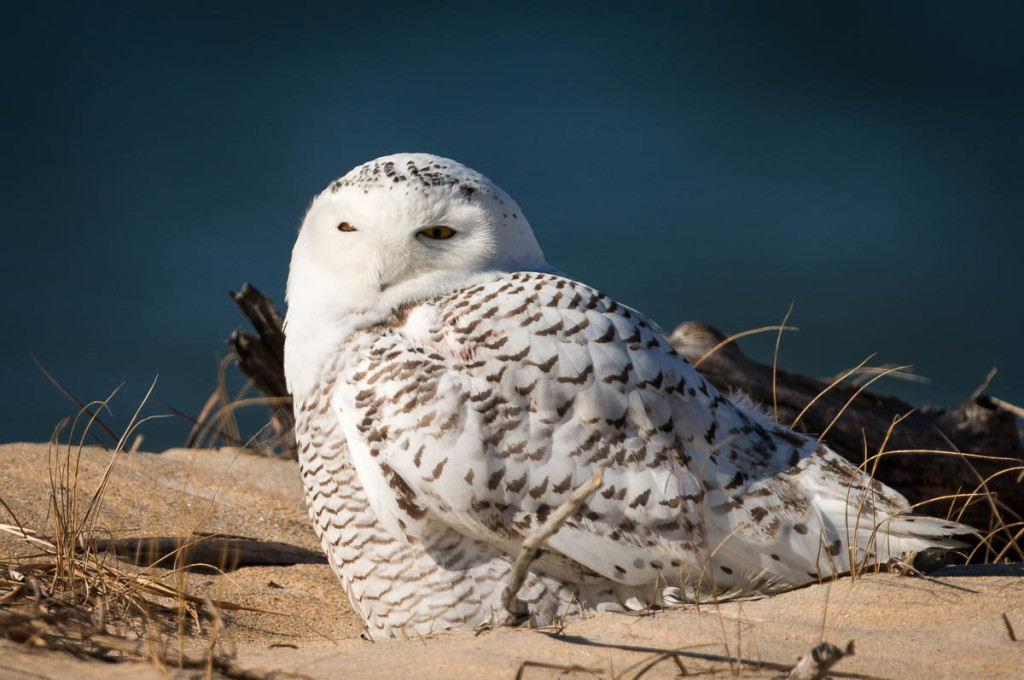
What if the skies themselves decided to put on a grand spectacle, a sudden invasion not of warriors or machines, but of feathers and silent wings? The year 2026 witnessed one of the most mesmerizing natural phenomena in recent memory — the Great Snowy Owl Irruption. This avian extravaganza didn’t merely paint the horizon with white plumage but challenged our perceptions of migratory patterns, ecological balances, and the sheer mystery of wildlife behaviors. Delving into the depths of this historic event exposes layers of intrigue, marvel, and the delicate interplay between species and environment.
The Prelude: Understanding Snowy Owls and Their Natural Rhythms
Before diving into the grandeur of the 2026 irruption, it’s important to understand who these enigmatic birds really are. Snowy Owls, with their ghostly white feathers dotted with black flecks, seem like ethereal creatures conjured from the northern winds. Native primarily to the Arctic tundra, they are adapted to some of the harshest climates on Earth. Their traditional behavior involves relatively stable territories during non-breeding seasons, but the species is known for episodic irruptions — sudden, large-scale movements beyond their usual range.
This nomadic impulse is often triggered by fluctuations in prey availability or environmental pressures. Unlike their nocturnal owl cousins, Snowy Owls are diurnal hunters, often seen perched during brilliant daylight hours scanning the snowfields for lemmings and other small mammals. Their existence is a testament to adaptation and resilience, a silent sentinel of the frozen north.
What Sparked the 2026 Irruption?
Here lies a tantalizing question: What exactly can provoke thousands of these majestic birds to surge en masse into regions far beyond their customary haunts? The Great Snowy Owl Irruption of 2026 was not a random flight of fancy but a complex response to intertwined ecological stimuli. Scientists speculate a confluence of factors — drastic shifts in prey populations due to climate anomalies, altered Arctic weather patterns disrupting breeding cycles, and perhaps even subtle magnetic changes affecting avian navigation.
When lemming populations, the pivotal prey for Snowy Owls, plummet unexpectedly, these birds must embark outward, hunting new grounds to survive. But 2026 was different: the scale, timing, and geographic spread were unprecedented. From tundra to urban outskirts, Snowy Owls appeared almost as if called by an unknown conductor orchestrating nature’s grand ballet.
Mapping the Migration: Where Did They Appear?
While Snowy Owls typically venture south sporadically, the irruption in 2026 saw birds circling and settling in regions thousands of miles away from their Arctic origins. Coastal cities, expansive farmlands, and even suburban parks welcomed these silent visitors with open arms — and, sometimes, bewildered gazes. Photographers, birdwatchers, and casual onlookers alike marveled at the surreal presence of these creatures, so often associated with pristine wilderness, adapting to new, often human-dominated landscapes.
This dispersion created opportunities to observe behaviors seldom witnessed. Owls famously known for solitary hunting were spotted in closer proximity, even sharing limited food sources — a testament to their desperate adaptability. Cities that might once have been considered inhospitable had become unexpected refuges, revealing the plasticity of wildlife in the face of climatic uncertainties.
The Ecological Implications: A Delicate Dance of Balance and Risk
Every large-scale migration or irruption resonates through ecosystems like ripples on a pond. The arrival of thousands of Snowy Owls rippled through local food webs, sometimes leading to a temporary boom in their favored prey—rabbits, rodents, and other small mammals. Predatory pressure intensified, but in some locales, this created cascading effects, influencing other predator-prey interactions, and even the vegetation patterns indirectly.
Yet, this influx also presented risks. Concentrated populations posed challenges such as increased competition, vulnerability to disease transmission, and human-wildlife conflicts. Reports emerged of owls colliding with urban structures or suffering from starvation in areas where prey was scarce. Here lies an ironic twist: a marvel of nature’s improvisation that simultaneously exposed vulnerabilities, pushing conservationists and urban planners to reconsider how to coexist with these avian emissaries of the Arctic.
Human Fascination and Cultural Resonance
Throughout history, owls have been symbols of wisdom, mystery, and sometimes foreboding omens. The Great Snowy Owl Irruption rekindled this age-old cultural fascination on a vast scale. In 2026, people found themselves entranced by these luminous creatures, spurring a renaissance of interest in natural history, photography, and environmental stewardship.
Communities hosted owl-watching events, museums curated exhibits describing the biology and lore of the Snowy Owl, and artists captured their ghostly grace on canvas and digital media. The irruption served as a nocturnal muse, weaving itself into the cultural fabric and prompting dialogues about the impacts of climate change and wildlife conservation. What challenge does a world fascinated but often distanced from nature face when confronted by such sudden, vivid reminders of the wild?
Lessons Learned: Preparing for Future Irruptions
The Great Snowy Owl Irruption of 2026 was more than a breathtaking event; it was a clarion call highlighting the need for enhanced ecological vigilance and adaptive conservation strategies. Scientists and policymakers recognized the imperative to improve monitoring systems — combining satellite tracking, citizen science, and AI-driven data models — to anticipate future irruptions and prepare communities accordingly.
Moreover, habitat preservation emerged as a central tenet. Protecting not only the Arctic breeding grounds but also the potential wintering sites became a priority. Urban planners began incorporating wildlife-friendly designs, such as reduced window-pane reflections and dedicated green spaces, to reduce accidental injuries to avian visitors. A playful question persists in the air: Can humanity learn to coexist harmoniously when nature’s spectacular pageants descend upon our everyday spaces?
In Retrospect: A Natural Wonder and an Ongoing Enigma
The Great Snowy Owl Irruption has positioned itself within the annals of ornithological history as both a natural marvel and a complex enigma. It challenged preconceived notions of species distribution, highlighted the intricate dependence on fragile ecosystems, and underscored the unpredictable beauty of the natural world.
As the owls eventually retreated northward with the seasonal shifts, they left behind stories, photographs, and a renewed awareness of the profound connections binding all life. Their irruption proffered a poetic reminder: nature remains ever capable of surprising us, urging vigilance, awe, and respect. What future stories will these silent sentinels write in the skies yet to come?