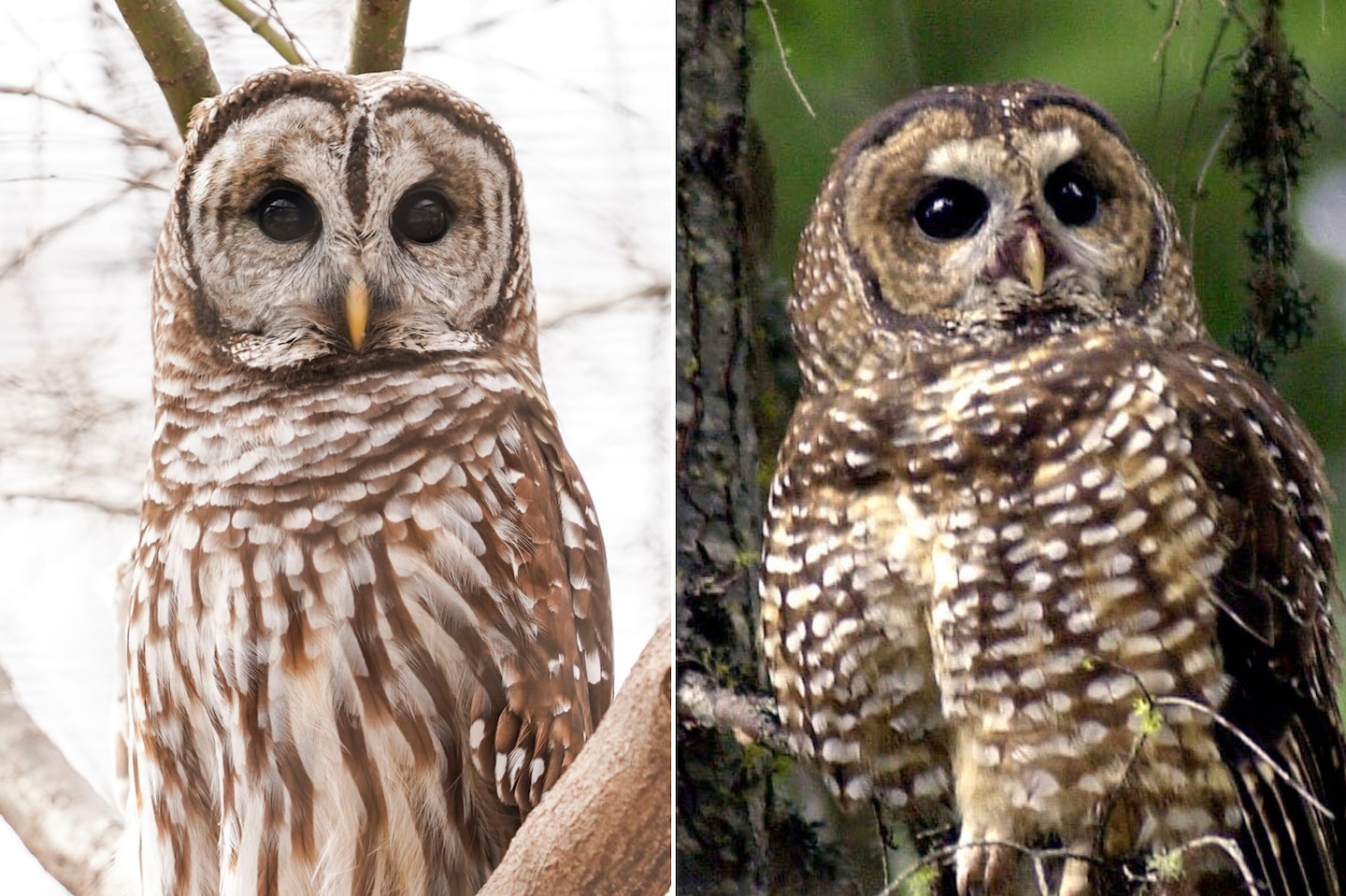
In the dense, shadowy cathedrals of the Pacific Northwest’s ancient forests, a silent battle unfolds. It is a contest as old as time itself—a struggle for survival played out beneath towering canopies and cloaked in twilight. Here, two owls engage in a duel not of claws and beaks alone, but of habitat, existence, and ecological dominance. The barred owl, a formidable interloper, has become an unyielding specter haunting the survival prospects of the spotted owl. To comprehend this avian rivalry is to enter a world where nature’s delicate balances teeter on the edge, and where the very essence of conservation is tested.
Ecology & Environmental Science
Warming Arctic Temperatures: How They’re Forcing Snowy Owls to Migrate South
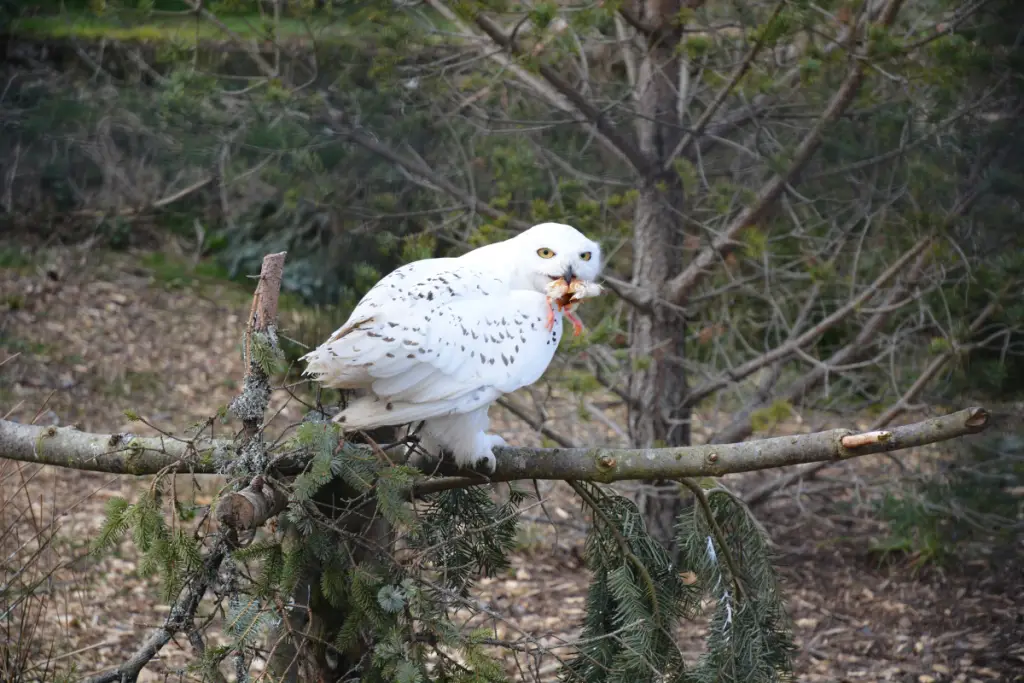
The Arctic, a realm of ice and silence, is screaming. Not with a voice we can hear, but with a shift so profound it’s rewriting the rules of survival for its most iconic inhabitants. The snowy owl, that ghostly sentinel of the tundra, is no longer a permanent fixture of its frozen kingdom. Instead, it’s becoming a reluctant wanderer, pushed southward by the relentless march of warming temperatures. This isn’t just a migration—it’s a desperate exodus, a sign that the Arctic’s heartbeat is faltering. And yet, in this crisis, there’s a strange allure, a fascination that lingers like the owl’s own silent flight.
The Great Snowy Owl Irruption of 2026: A Once-in-a-Century Event
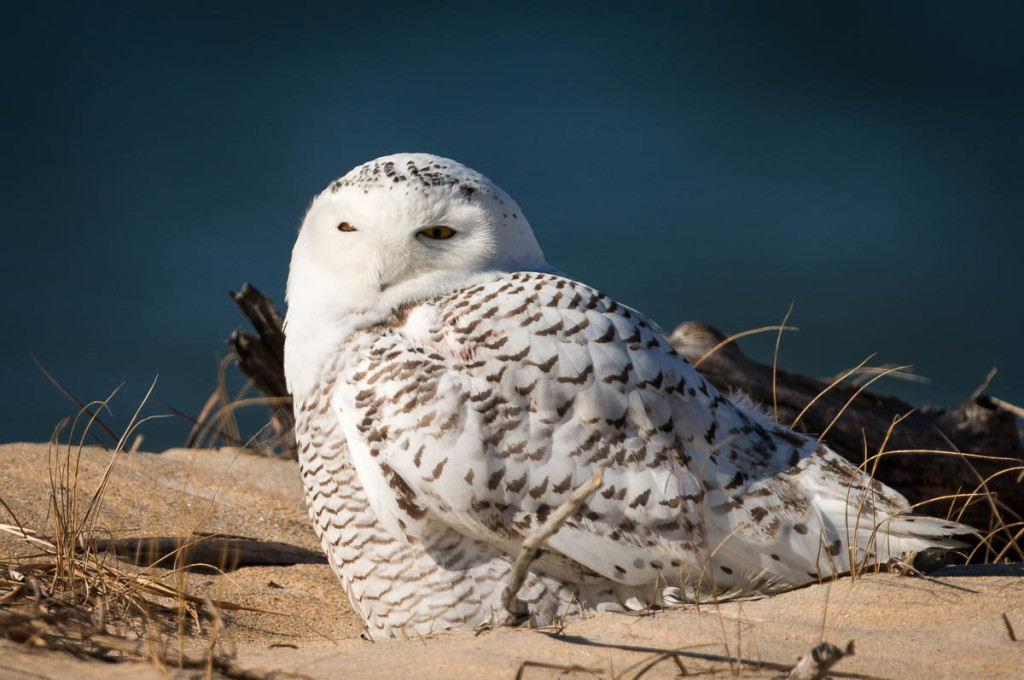
The Arctic wind howled across the tundra, carrying whispers of a phenomenon so rare it defies the rhythms of nature itself. In the annals of ornithological marvels, few events command the awe of a snowy owl irruption—a celestial invasion where these ghostly sentinels descend from their frozen realms in numbers that stagger the imagination. The year 2026 is poised to etch its name into history as the stage for what experts are calling the Great Snowy Owl Irruption, a once-in-a-century spectacle that will transform landscapes, captivate birders, and leave an indelible mark on the collective consciousness of wildlife enthusiasts worldwide.
The Role of Climate Adaptation Plans in Protecting Snowy Owl Populations
The Snowy Owl, a majestic Arctic dweller with its piercing golden eyes and snowy plumage, is not just a symbol of untamed wilderness—it is a sentinel of ecological balance. Yet, as the planet’s thermostat climbs, this iconic species faces an existential precipice. The Arctic, a region warming at four times the global average, is transforming beneath its talons. While conservation efforts often focus on mitigation, the urgency of adaptation cannot be overstated. Climate adaptation plans are not merely bureaucratic checklists; they are lifelines, threading through the fabric of ecosystems to safeguard species like the Snowy Owl from the relentless march of climate change. This article delves into the multifaceted role of these plans, exploring how they can be tailored to protect one of nature’s most resilient yet vulnerable creatures.
Spotted Owl Conservation and the Fight Against Climate Change
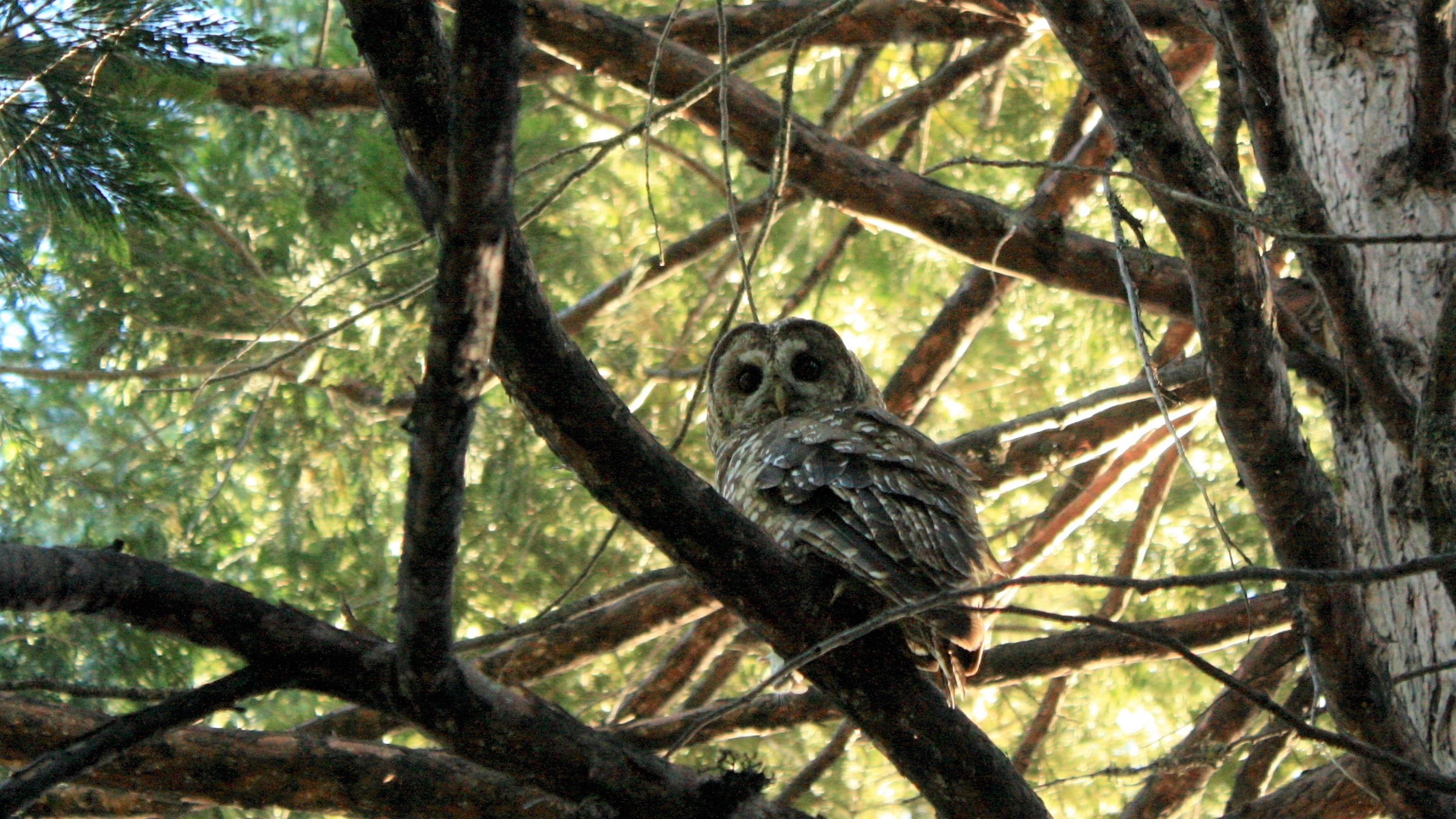
There is something undeniably captivating about the spotted owl, an emblem of mystery cloaked in the ancient forests of North America. Its haunting calls echo through towering trees, evoking a sense of reverence and curiosity in all who hear them. But this fascination runs deeper than the striking patterns etched upon its feathers—it lies in what the owl represents: the fragile balance between life and extinction, the complex interplay of ecosystems, and our urgent battle against the inexorable tide of climate change. To truly understand the significance of spotted owl conservation is to peer into an ecological narrative that intertwines species survival, habitat preservation, and the broader challenges faced by our planet’s health.
The Impact of Owls on Water Quality: Their Role in Nutrient Cycling
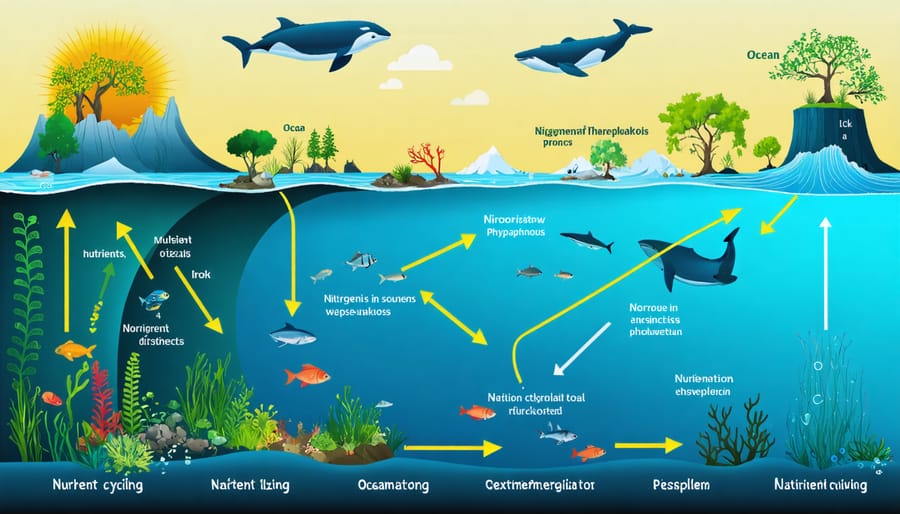
The silent sentinels of the night, owls, have long been shrouded in mystery and myth. Yet beyond their haunting calls and piercing gaze lies a role far more vital to our ecosystems than most realize. While their contributions to pest control are widely celebrated, their impact on water quality—through the intricate dance of nutrient cycling—remains an underappreciated marvel. This hidden synergy between these nocturnal hunters and the aqueous veins of our planet reveals a story of ecological interdependence, where every feathered drop in the bucket sustains the lifeblood of our waters.
The Impact of Oil Drilling on Snowy Owl Habitats in the Arctic
The Arctic is a realm of stark, shimmering beauty—a frozen symphony where the aurora borealis dances across the sky like celestial brushstrokes on a canvas of ice. Yet beneath this ethereal surface, a silent war rages. The extraction of crude oil, that black gold coveted by industries, carves wounds into the heart of the Arctic’s most vulnerable inhabitants. Among them, the snowy owl, a creature of mythic grace and resilience, faces an existential threat. Its habitat, a delicate tapestry of snow and tundra, is being unraveled by the relentless machinery of progress. This is not merely a story of environmental degradation; it is a tragedy of displacement, where the owl’s ancient domain is sacrificed for fleeting human indulgence.
How Owls Are Contributing to Scientific Research: Model Species for Ecological Studies

In the shadowed realms of twilight, where the veil between day and night blurs into a symphony of whispers, owls glide with an almost spectral grace. These nocturnal sentinels, draped in feathers of dusk and dawn, are not merely the stuff of myth and folklore—they are living laboratories, their lives interwoven with the very fabric of ecological research. Once dismissed as mere predators of the night, owls are now emerging as unsung heroes in the quest to unravel the mysteries of our planet’s delicate balance. Their silent wings carry more than just the promise of a hunt; they bear the weight of scientific revelation, offering a model species that is reshaping our understanding of ecology, behavior, and even climate change. To dismiss them as mere birds of prey is to overlook the profound role they play in the grand tapestry of life on Earth.
Snowy Owls and Indigenous Arctic Communities: A Shared History
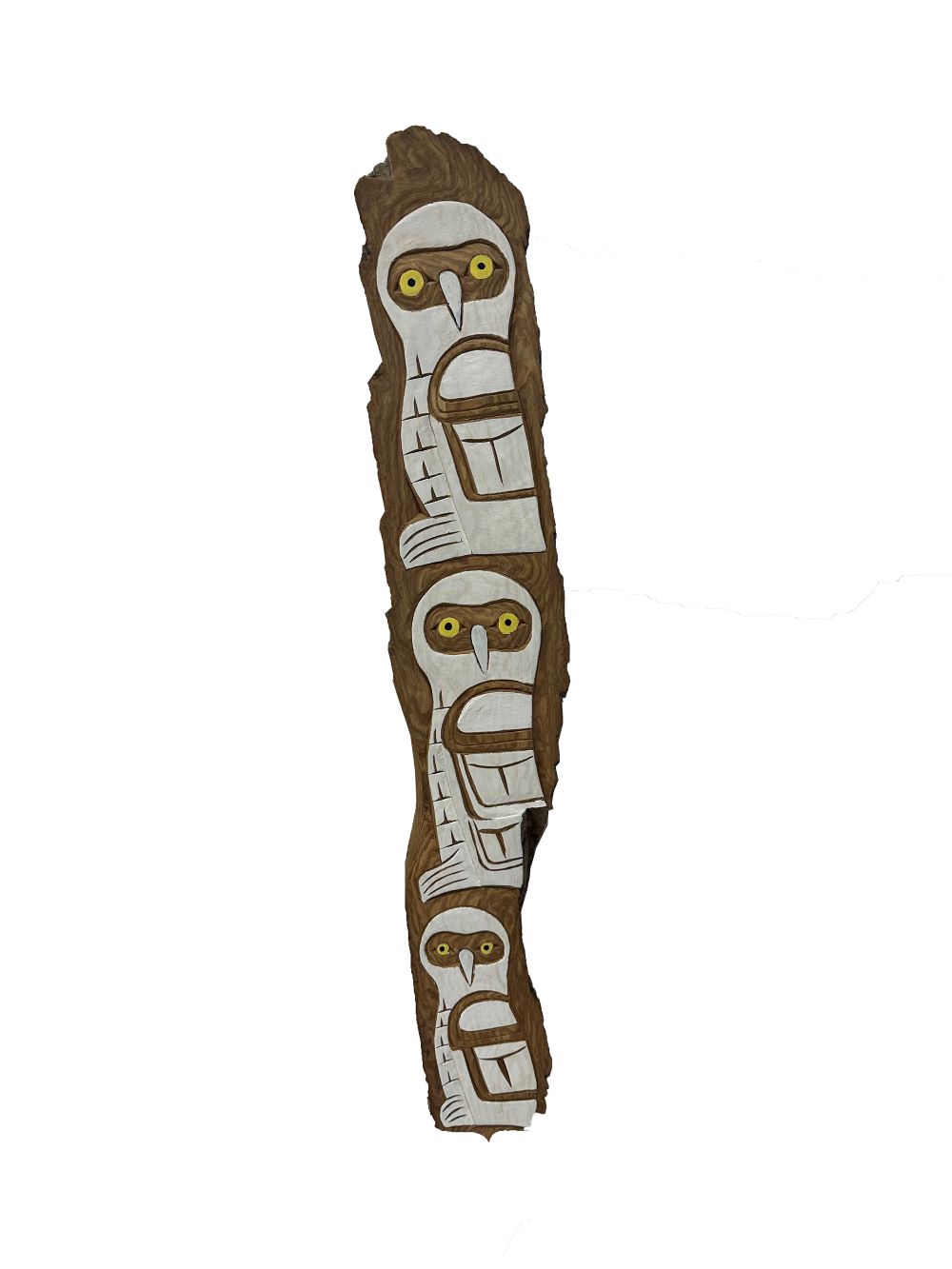
The Arctic tundra stretches endlessly, a vast expanse of ice and wind where survival is a daily negotiation with the elements. Amidst this stark landscape, the snowy owl glides silently, a spectral presence woven into the fabric of Indigenous Arctic communities. This majestic bird is not merely a creature of the wild; it is a symbol, a teacher, and a companion in the stories and traditions of the people who call the North home. To understand the snowy owl is to glimpse the resilience, wisdom, and deep ecological knowledge of Indigenous Arctic societies—a relationship forged over millennia, where human and bird share a delicate balance of dependence and reverence.
The Use of Camera Traps in Capturing Rare Owl Behavior and Interactions
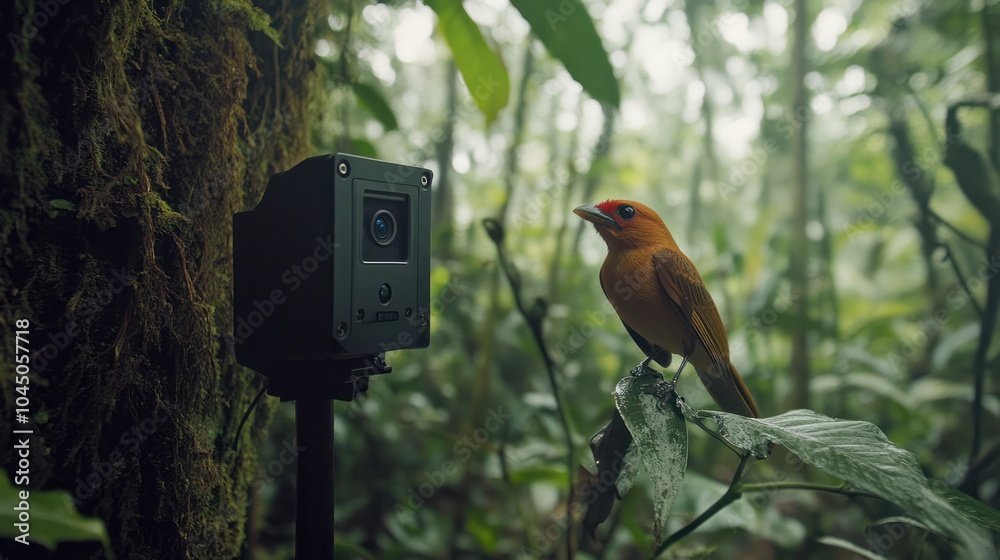
The night belongs to the unseen, the unheard, the creatures that move like whispers through the underbrush of our collective awareness. Among these, owls reign as silent sovereigns—masters of stealth, architects of shadow, their presence felt more than seen. Camera traps, those unblinking sentinels of the wild, have begun to peel back the layers of mystery surrounding these enigmatic birds, revealing not just their elusive forms but the intricate tapestry of their lives. What unfolds in the grainy glow of infrared footage is nothing short of a revelation: a world where survival is a dance, where every interaction is a negotiation, and where the boundaries between predator and prey blur into something far more nuanced. The fascination isn’t merely with the spectacle of an owl in flight or the thrill of capturing a rare species on film—it’s with the unspoken stories these images tell, the silent dialogues between creatures that challenge our understanding of intelligence, communication, and coexistence in the natural world.